Paul Gauguin
1848 – 1903
In short
Paul Gauguin was a French Post-impressionist artist born in 1848 and died in 1903. He was a painter, sculptor, printmaker, ceramist, and writer known for his experimental use of color and distinct style. Gauguin's work has had a significant influence on modern art despite being only moderately successful during his lifetime.
Notable works
.jpg)
_1889.jpg)
_1892,_oil_on_canvas,_101_x_77_cm.jpg)

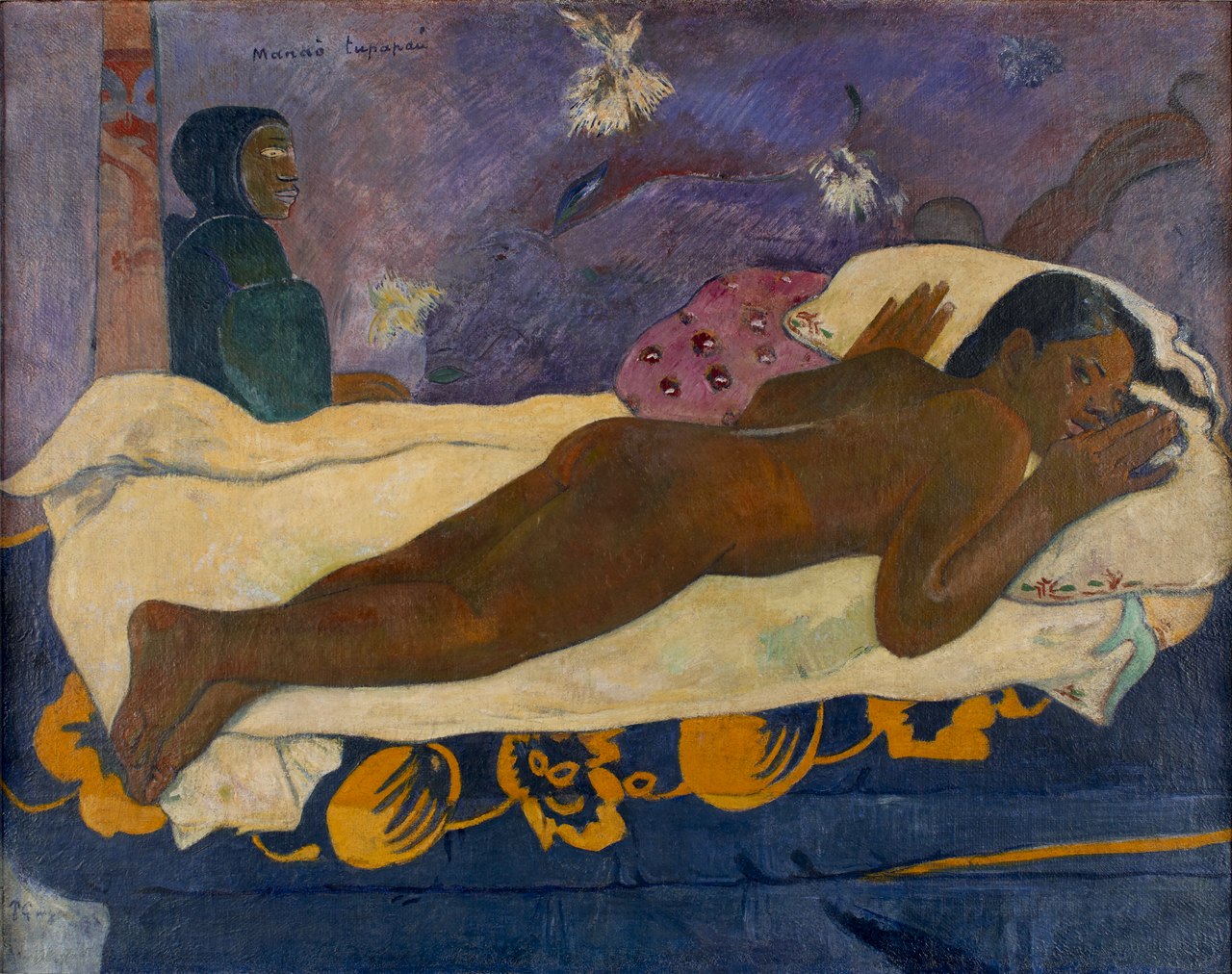
Early life Paul Gauguin was born in Paris, France in 1848. His early life and upbringing had a profound impact on his artistic style and interests. Although specific details about his childhood are limited, it is known that Gauguin's family moved to Peru when he was a young boy, exposing him to diverse cultural influences that would later shape his artistic vision.
Career and style Gauguin's career as an artist spanned multiple mediums, including painting, sculpture, printmaking, and ceramics. He is primarily associated with the Post-Impressionist and Symbolist movements, characterized by his bold and vibrant use of color. Gauguin's style was distinct from Impressionism, emphasizing emotional and psychological depth in his works. His experimental approach to art led to the development of Synthetism, a style that stressed the importance of distilling subjects into their essence.
Signature techniques Gauguin was an innovative artist who explored various techniques to achieve his unique style. He was particularly skilled in wood engraving and woodcuts, recognizing the potential of these mediums as art forms. Gauguin's use of bold, flat forms and vibrant colors became a hallmark of his work, setting him apart from his contemporaries. His ability to adapt and evolve his style, incorporating elements from different cultures and artistic traditions, contributed to his distinctiveness as an artist.
Major works Some of Gauguin's most notable works include 'Where Do We Come From? What Are We? Where Are We Going?' (1890), 'The Yellow Christ' (1889), 'When Will You Marry?' (1892), 'Tahitian Women on the Beach' (1890), and 'Manaò tupapaú' (1892). These paintings showcase Gauguin's ability to capture the essence of his subjects, often blending elements of realism and symbolism. 'Where Do We Come From? What Are We? Where Are We Going?' is a seminal work that embodies Gauguin's philosophical and artistic concerns, presenting a profound and enigmatic exploration of human existence. 'The Yellow Christ' exemplifies his use of bold color and symbolism, while 'When Will You Marry?' and 'Tahitian Women on the Beach' demonstrate his fascination with the people and landscapes of Tahiti. 'Manaò tupapaú' is a poignant work that reflects Gauguin's emotional and psychological depth.
Influence and legacy Gauguin's influence on modern art has been profound, despite his moderate success during his lifetime. His experimental approach to color and form paved the way for a wide range of avant-garde movements, from Fauvism to Expressionism. Gauguin's emphasis on capturing the emotional and psychological essence of his subjects has inspired generations of artists, ensuring his legacy as a pioneering figure in the history of art. His work continues to be celebrated for its innovative style, rich cultural context, and enduring emotional resonance.
Frequently asked questions
Who was Paul Gauguin?
Paul Gauguin was a French Post-impressionist artist known for his experimental use of color and distinct style, who worked in various mediums including painting, sculpture, and printmaking.
What style or movement is Gauguin associated with?
Gauguin is primarily associated with the Post-Impressionist and Symbolist movements, and is also recognized for his role in developing the Synthetist style.
What are some of Gauguin's most famous works?
Some of Gauguin's most notable works include 'Where Do We Come From? What Are We? Where Are We Going?', 'The Yellow Christ', 'When Will You Marry?', 'Tahitian Women on the Beach', and 'Manaò tupapaú'.
Why is Gauguin important in the history of art?
Gauguin's innovative and experimental approach to art has had a significant influence on modern art, paving the way for a range of avant-garde movements and inspiring generations of artists with his emphasis on capturing the emotional and psychological essence of his subjects.
How can I recognize Gauguin's work?
Gauguin's work is characterized by his bold and vibrant use of color, emphasis on flat forms, and blending of realism and symbolism, often incorporating elements of different cultures and artistic traditions.