Antonio Amorosi
1660 – 1738
In short
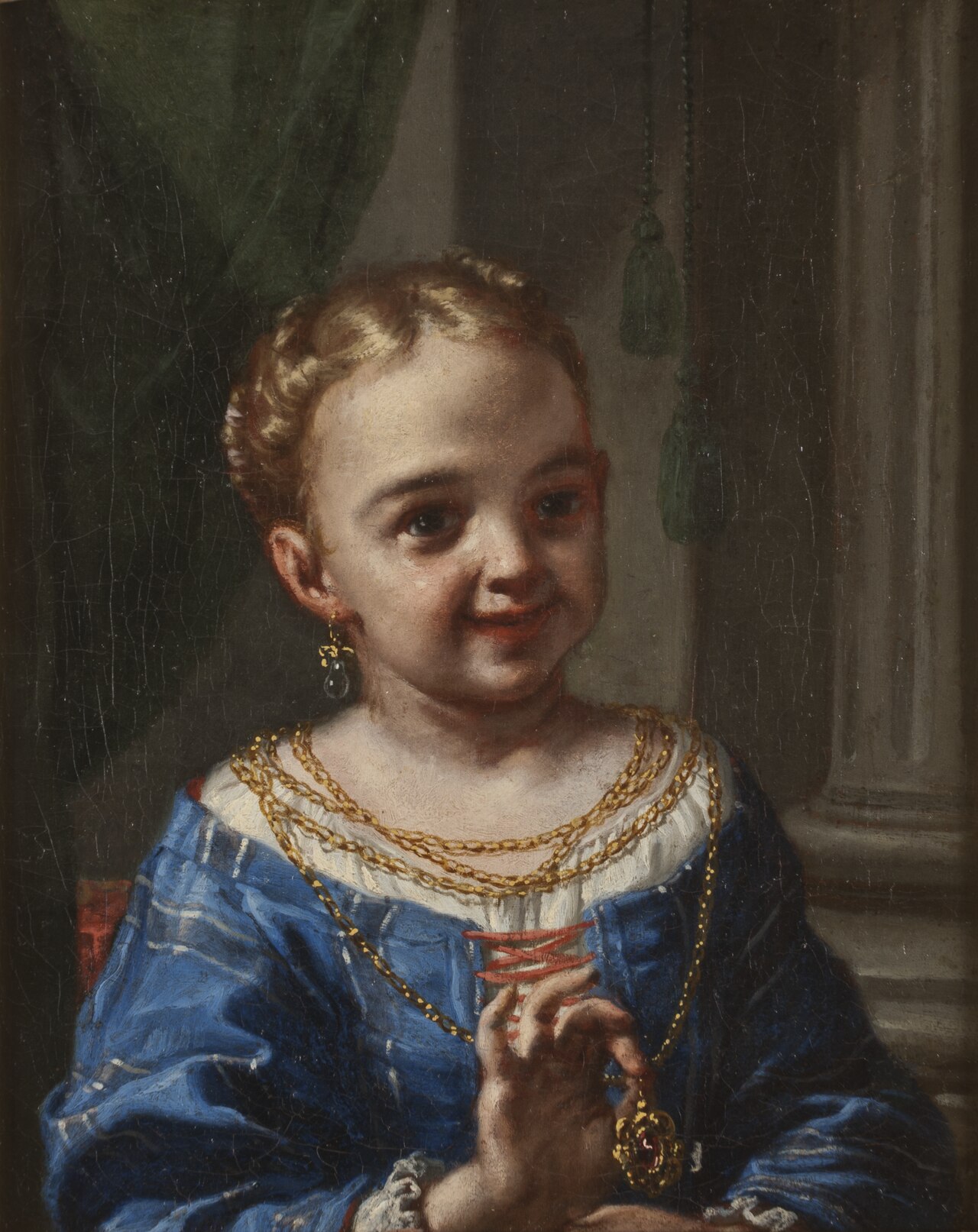
Antonio Amorosi (1660–1738) was an Italian late‑Baroque painter known for genre scenes that blend everyday life with subtle moral commentary. Trained in Rome under Giuseppe Ghezzi, he worked mainly in Ascoli Piceno and Rome, producing works such as Girl with a Piece of Jewellery (1695) and Roman Vagabond (1710).
Notable works


Early life Antonio Amorosi was born in 1660 in the small town of Comunanza, situated in the Papal States (now part of the Marche region). Little is recorded about his family background, but it is clear that his early environment was rural and modest. In 1668, when he was about eight years old, Amorami moved with his family to Rome, the artistic heart of the Italian peninsula. The capital offered a vibrant milieu of workshops, academies and patronage networks that would shape his artistic formation.
In Rome, Amorosi entered the studio of Giuseppe Ghezzi, a respected painter and director of the Accademia di San Luca. Under Ghezzi’s guidance, he received a thorough grounding in drawing, composition and the technical aspects of oil painting. The apprenticeship also exposed him to the flourishing market for small‑scale genre works that depicted everyday subjects—a niche that would become his signature.
Career and style After completing his training, Amorosi established himself as an independent painter. He divided his professional life between Rome and his native Ascoli Piceno, where he occasionally returned for commissions and family matters. His oeuvre is firmly situated within the late‑Baroque period, yet it diverges from the grand religious and mythological narratives that dominate the era. Instead, Amorosi embraced the genre tradition popularised by the Bamboccianti, a group of painters—many of whom were foreign—who specialised in low‑brow scenes of street life, markets and domestic interiors.
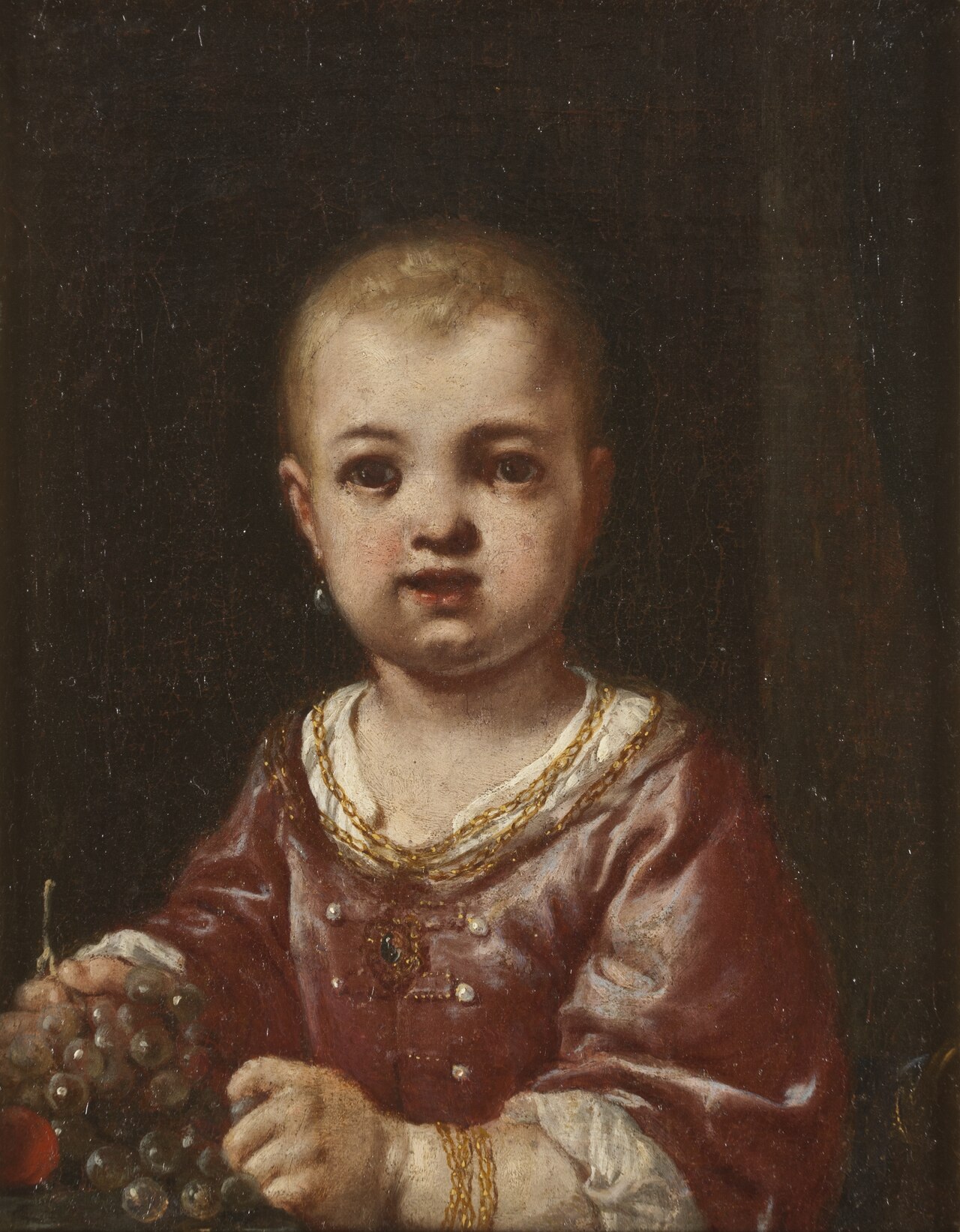
Amorosi’s paintings convey a calm, intimate atmosphere. He favoured modest, middle‑class subjects—a young girl adjusting jewellery, a woman sewing, a street‑wise vagabond—rendered with a delicate balance of realism and idealisation. While the Bamboccianti often injected humour or satire, Amorosi’s works tend toward a more genteel observation, hinting at moral reflection without overt didacticism. His colour palette is warm and restrained, with earth tones punctuated by occasional bright accents that draw the viewer’s eye to focal objects such as a piece of jewellery or a bunch of grapes.
Signature techniques Amorosi’s technique is characterised by meticulous handling of texture and light. He employed a layered glazing method that allowed subtle tonal variations to emerge, particularly in the rendering of fabrics and skin. His use of chiaroscuro is modest compared with the dramatic tenebrism of Caravaggio; instead, he applied gentle modelling to suggest three‑dimensional form without overwhelming the scene.
A notable feature of his work is the precise depiction of materiality. In "Girl with a Piece of Jewellery" the delicate sheen of the metal and the translucency of the silk are rendered with a convincing tactile quality. Similarly, in "Sewing Woman" the folds of the dress and the sheen of the wooden loom are achieved through fine brushwork and careful observation of light. Amorosi also favoured a compositional balance that places the principal figure slightly off‑centre, allowing surrounding objects to contextualise the narrative without detracting from the central subject.
Major works - **Girl with a Piece of Jewellery (1695)** – This early masterpiece showcases Amorosi’s skill in portraying youthful elegance. A young girl, seated against a muted backdrop, adjusts a gold pendant. The work is celebrated for its delicate treatment of light on metal and the nuanced expression that hints at introspection. - **Girl Holding a Bunch of Grapes** – In this composition, the subject holds a small cluster of grapes, a traditional symbol of abundance and, occasionally, transience. Amorosi’s careful rendering of the fruit’s surface and the soft modelling of the girl's hand demonstrate his attention to material detail. - **Sewing Woman** – Depicting a domestic scene, the painting presents a woman bent over a loom, her concentration evident in the subtle tension of her posture. The work reflects Amorosi’s interest in everyday labour and his ability to elevate a humble activity to a contemplative tableau. - **Self‑portrait** – Though less frequently reproduced, the self‑portrait offers insight into Amorosi’s self‑perception as an artist. Rendered with the same measured light as his genre works, the portrait conveys a modest yet confident demeanor, aligning the painter with the intellectual circles of Rome. - **Roman Vagabond (1710)** – One of his later works, this painting depicts a roguish figure in Roman street attire, clutching a walking stick. The piece combines the genre sensibility of the Bamboccianti with Amorosi’s refined palette, presenting a character study that is both realistic and subtly romanticised.
Each of these works exemplifies Amorosi’s capacity to blend narrative content with technical finesse, creating paintings that are both visually appealing and intellectually engaging.
Influence and legacy Antonio Amorosi occupies a niche within Baroque art, bridging the gap between the high drama of the period and the more intimate, observational genre painting championed by the Bamboccianti. His refined approach to everyday subjects influenced a generation of Italian painters who sought to depict domestic and street life with dignity rather than caricature.
While he never achieved the fame of contemporaries such as Carlo Maratta, Amorosi’s paintings have been preserved in several Italian collections and occasionally appear in international exhibitions focused on Baroque genre art. Scholars regard his work as an important illustration of the diversity within late‑Baroque painting, highlighting how artists could adapt the dominant style to suit more modest, personal themes.
In contemporary art‑history curricula, Amorosi is often cited as an example of how regional artists contributed to the broader European visual culture, especially in the way they negotiated the expectations of patrons and the market for small, portable works. His legacy endures in the continued appreciation of genre scenes that balance technical mastery with a quiet, humanist observation of daily life.
Frequently asked questions
Who was Antonio Amorosi?
Antonio Amorosi (1660–1738) was an Italian late‑Baroque painter known for small genre scenes that depict everyday people and domestic activities.
What artistic style or movement is he associated with?
He worked within the Baroque period but is especially linked to the Bamboccianti tradition of genre painting, focusing on modest, everyday subjects.
What are his most famous works?
His best‑known paintings include "Girl with a Piece of Jewellery" (1695), "Girl Holding a Bunch of Grapes", "Sewing Woman", his self‑portrait, and "Roman Vagabond" (1710).
Why is Antonio Amorosi important in art history?
He demonstrates how Baroque aesthetics could be applied to genre scenes, influencing later Italian artists to portray daily life with dignity and technical skill.
How can I recognise an Antonio Amorosi painting?
Look for small‑scale works with warm, restrained colour, careful rendering of textures such as jewellery or fabric, gentle chiaroscuro, and subjects drawn from ordinary domestic or street life.