Antonio Abondio
1538 – 1591
In short
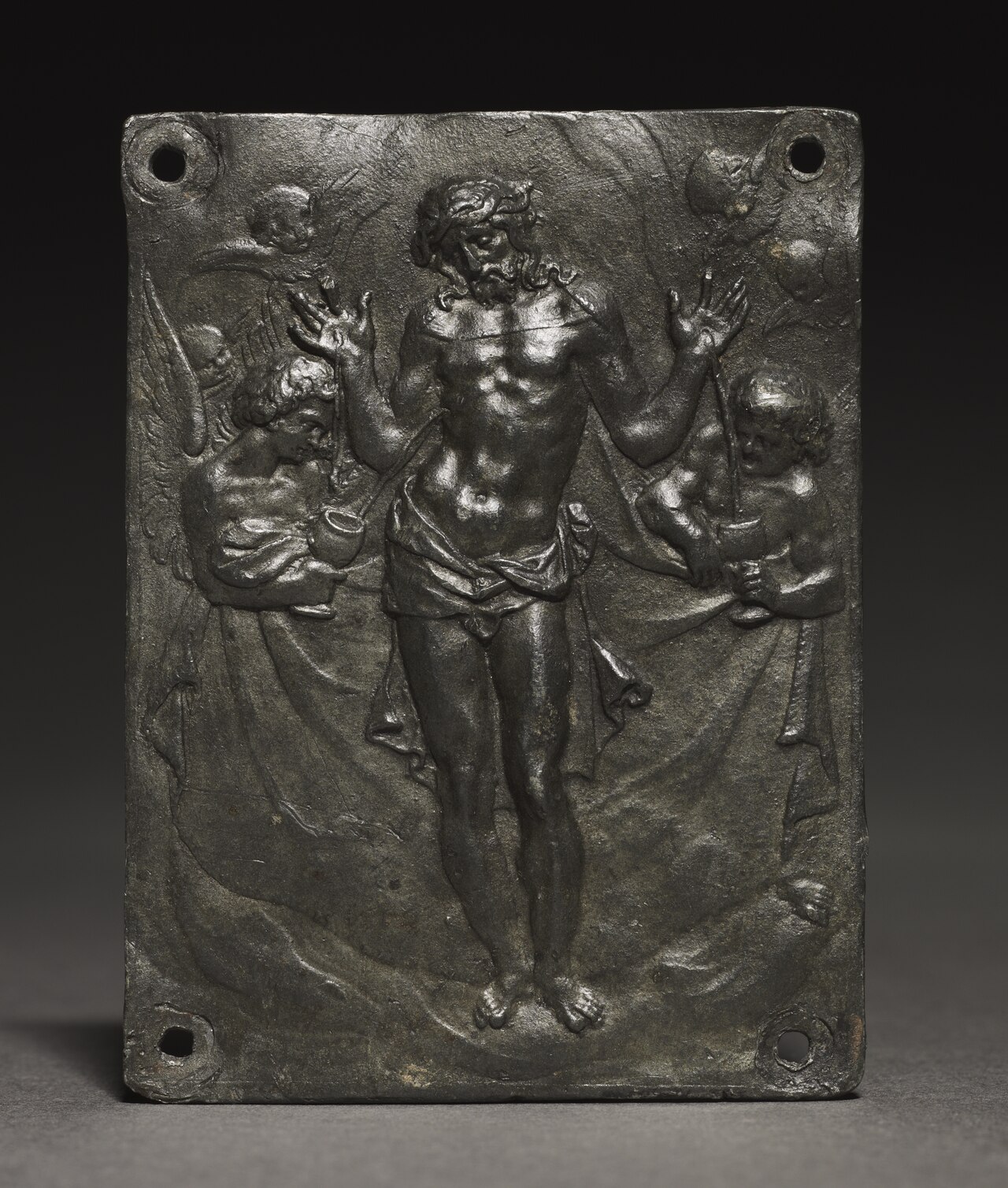
Antonio Abondio (1538–1591) was an Italian sculptor renowned for his work as a medallist and for pioneering coloured wax relief portrait miniatures. He worked mainly in Central Europe, producing portrait medals for Habsburg patrons and creating notable small-scale sculptures such as the Ecce Homo relief.
Notable works
![Maximilian II, 1527-1576, Holy Roman Emperor 1564 [obverse] by Antonio Abondio](https://commons.wikimedia.org/wiki/File:Antonio_Abondio,_Maximilian_II,_1527-1576,_Holy_Roman_Emperor_1564_(obverse),_1575,_NGA_45146.jpg)
![Maria, 1528-1603, Empress 1548 [reverse] by Antonio Abondio](https://commons.wikimedia.org/wiki/File:Antonio_Abondio,_Maria,_1528-1603,_Empress_1548_(reverse),_1575,_NGA_45147.jpg)
![Rudolph II, 1552-1612, Holy Roman Emperor 1576 [obverse] by Antonio Abondio](https://commons.wikimedia.org/wiki/File:Antonio_Abondio,_Rudolph_II,_1552-1612,_Holy_Roman_Emperor_1576_(obverse),_NGA_45148.jpg)
![Eagle and Radiant Wreath [reverse] by Antonio Abondio](https://commons.wikimedia.org/wiki/File:Antonio_Abondio,_Eagle_and_Radiant_Wreath_(reverse),_NGA_45149.jpg)
Early life Antonio Abondio was born in 1538 in the lakeside town of Riva del Garda, which at the time lay within the territories of the Republic of Venice. Little is known about his family background or formal training, but the artistic environment of northern Italy, especially the thriving workshops of Venice and the surrounding Alpine regions, would have offered him exposure to both sculpture and the emerging art of medallic engraving. By the mid‑16th century he had moved to the Imperial court in Vienna, where a demand for portrait medals and courtly objects provided a fertile ground for a skilled sculptor.
Career and style In Vienna Abondio quickly established himself as a court medallist for the Habsburg dynasty. His work for Emperors Maximilian II, Rudolf II and their families placed him at the centre of the Imperial artistic programme, which blended Renaissance classicism with the ornamental tastes of the Northern courts. Abondio’s medals display a careful balance between realistic portraiture and idealised symbolism; the obverse typically presents a finely modelled bust in high relief, while the reverse often incorporates allegorical motifs such as eagles, wreaths or heraldic emblems. The overall aesthetic reflects the late‑Renaissance interest in classical antiquity, yet his handling of surface texture and colour anticipates the Baroque emphasis on tactile richness.
Signature techniques Abondio is best remembered for two technical achievements. First, as a medallist he refined the practice of casting small bronze or copper medals using the lost‑wax method, allowing for intricate detail in both the portraiture and the surrounding decorative frames. Second, and most notably, he pioneered the coloured wax relief portrait miniature. In this process he sculpted a likeness in coloured wax, then added minute pigments to enhance skin tones, hair, and clothing, creating a three‑dimensional miniature that could be set in a jeweled case or used as a personal talisman. This innovative approach combined the immediacy of wax modelling with the visual depth of painted portraiture, and it would influence later court artists seeking intimate, portable representations of patrons.
Major works Among Abondio’s most documented pieces are several portrait medals dated 1575, which bear the likenesses of key Habsburg figures:
- Maximilian II (1527‑1576), Holy Roman Emperor – obverse (1575): The medal shows the emperor in a serene, bearded profile, his crown rendered with a fine incised line that captures the metallic sheen of the regalia. The reverse features a symbolic eagle surrounded by a radiant wreath, underscoring imperial authority.
- Maria of Spain (1528‑1603), Empress – reverse (1575): This reverse side presents an allegorical composition where the empress is accompanied by a laurel garland, signifying virtue and dynastic continuity. The delicate modelling of her veil demonstrates Abondio’s skill in rendering soft fabric in metal.
- Rudolf II (1552‑1612), Holy Roman Emperor – obverse (date unspecified): The portrait captures Rudolf’s youthful features and his distinctive moustache, rendered with a subtle gradation of light that gives the bust a lifelike presence. The accompanying reverse often includes a stylised eagle, a recurring motif in Abondio’s imperial series.
- Eagle and Radiant Wreath – reverse (date unspecified): This design, which appears on several medals, combines a soaring eagle with a wreath of laurel and oak, symbolising victory and stability. The composition is balanced and works as a visual emblem of Habsburg power.
- Ecce Homo (Behold the Man) (1600): Although the date post‑dates Abondio’s death, the work is traditionally attributed to his workshop or to later copies of his design. The relief depicts Christ presented before the crowd, rendered in a compact, highly finished format that reflects the medallist’s mastery of narrative in miniature.
These pieces illustrate Abondio’s ability to fuse portraiture with emblematic iconography, creating objects that were both personal mementos and political statements.
Influence and legacy Antonio Abondio’s legacy rests on two pillars. His medals contributed to the visual culture of the Habsburg court, providing a portable, repeatable image of the emperor and his family that circulated among diplomats, nobles and collectors. By refining the lost‑wax casting process for medals, he helped standardise a technique that remained dominant in European medallic art well into the 17th century.
Equally important is his pioneering work with coloured wax reliefs. This medium, rare in the 16th century, offered a new way to capture likenesses with a softness that metal could not achieve. Later artists at the Viennese court, such as the miniature portraitist Johann Weigel, adopted and expanded upon Abondio’s wax techniques, integrating them into the broader Baroque fascination with texture and illusion. Modern scholars regard Abondio as a transitional figure: rooted in Renaissance classicism yet pointing toward the tactile richness that would define Baroque decorative arts.
In contemporary collections, Abondio’s medals are prized for their historical significance and technical excellence. They appear in major European museums, including the Kunsthistorisches Museum in Vienna and the British Museum in London, where they are studied both as works of art and as documents of Habsburg dynastic propaganda. The coloured wax portrait miniature, though less frequently preserved, is recognised as an early forerunner of later portrait miniatures that flourished in the 17th and 18th centuries.
Overall, Antonio Abondio stands as a notable figure in the evolution of small‑scale sculpture, bridging the gap between Renaissance medallion art and the emerging Baroque interest in colour, texture, and intimate portraiture.
Frequently asked questions
Who was Antonio Abondio?
Antonio Abondio (1538–1591) was an Italian sculptor best known for his portrait medals and for pioneering coloured wax relief portrait miniatures.
What artistic style or movement is he associated with?
He worked in a late‑Renaissance style that combined classical portraiture with the ornamental tastes of the Habsburg courts, foreshadowing Baroque emphasis on texture.
What are his most famous works?
His most noted pieces include portrait medals of Maximilian II, Maria of Spain, and Rudolf II, as well as the Ecce Homo relief and the Eagle and Radiant Wreath design.
Why is Antonio Abondio important in art history?
He refined the lost‑wax casting technique for medals and introduced coloured wax relief miniatures, influencing later court artists and the development of Baroque portraiture.
How can I recognise an original work by Abondio?
Look for finely modelled busts with subtle gradations of light, a high‑relief finish, and, in the case of wax miniatures, delicate colour application that gives a lifelike skin tone.