Willem Jacob Herreyns
1743 – 1827
In short
Willem Jacob Herreyns (1743–1827) was a Flemish painter from Antwerp who specialised in history paintings and portraits, and is regarded as the last practitioner of the Flemish Baroque tradition and a direct follower of Peter Paul Rubens.
Notable works
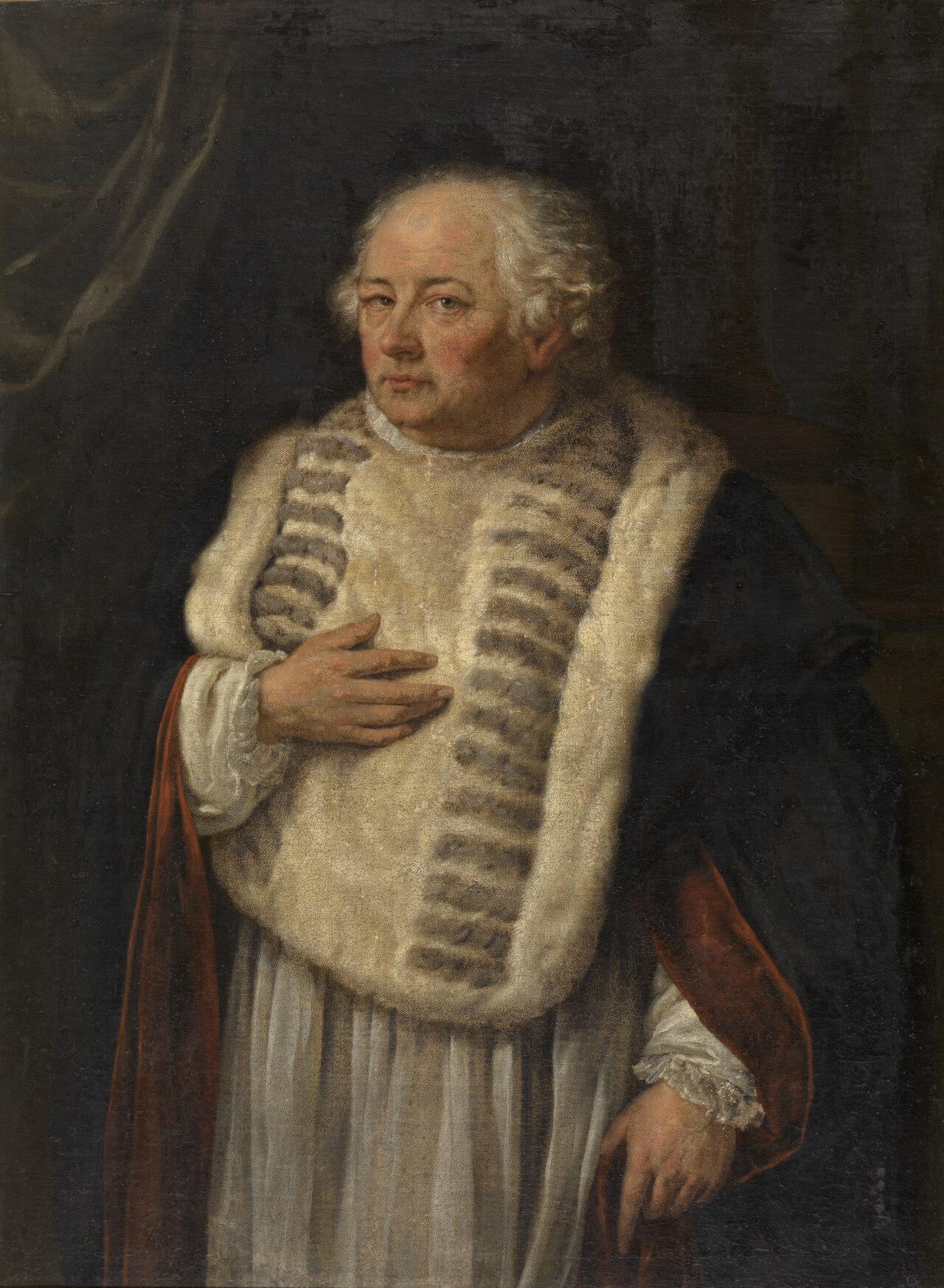
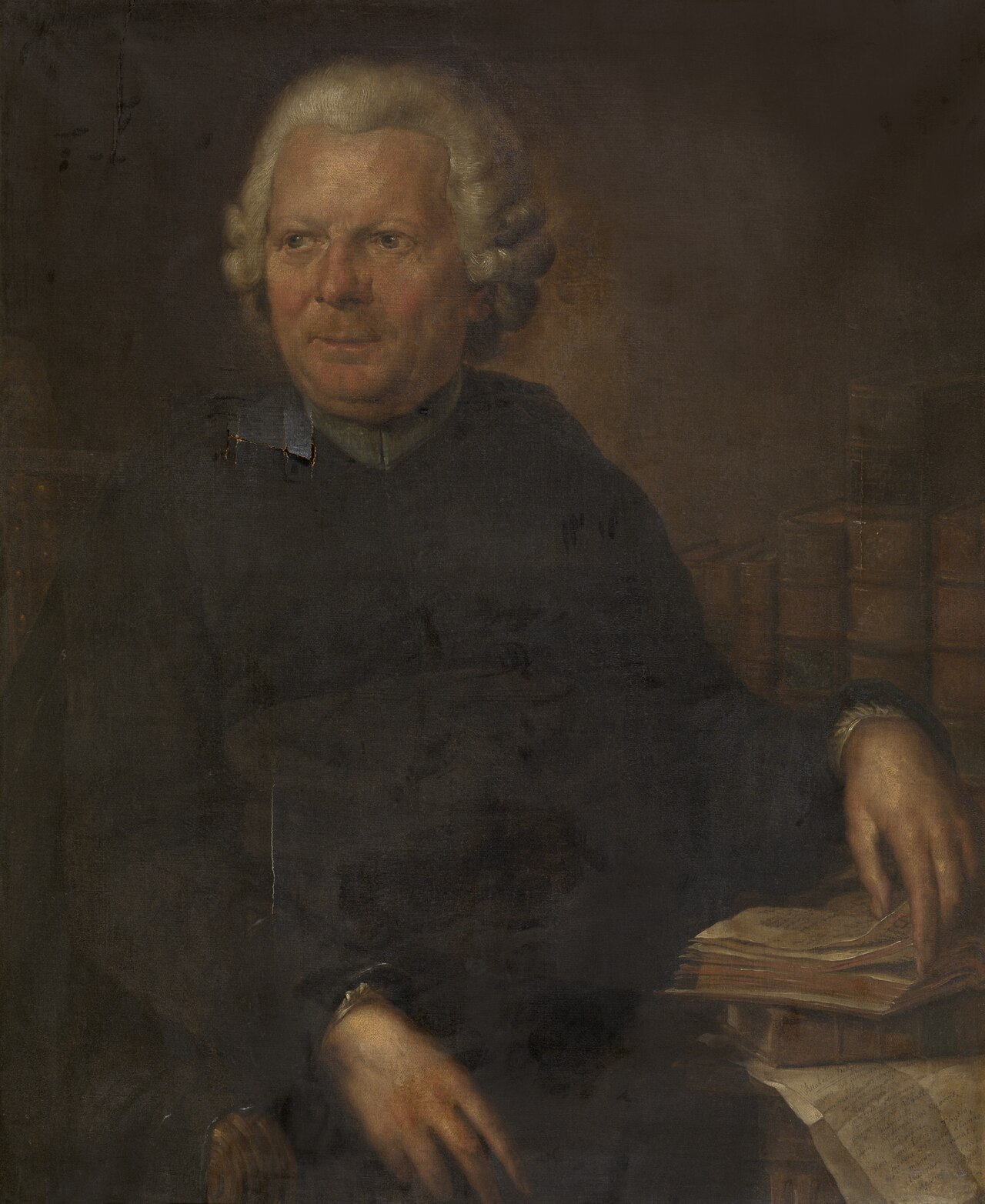
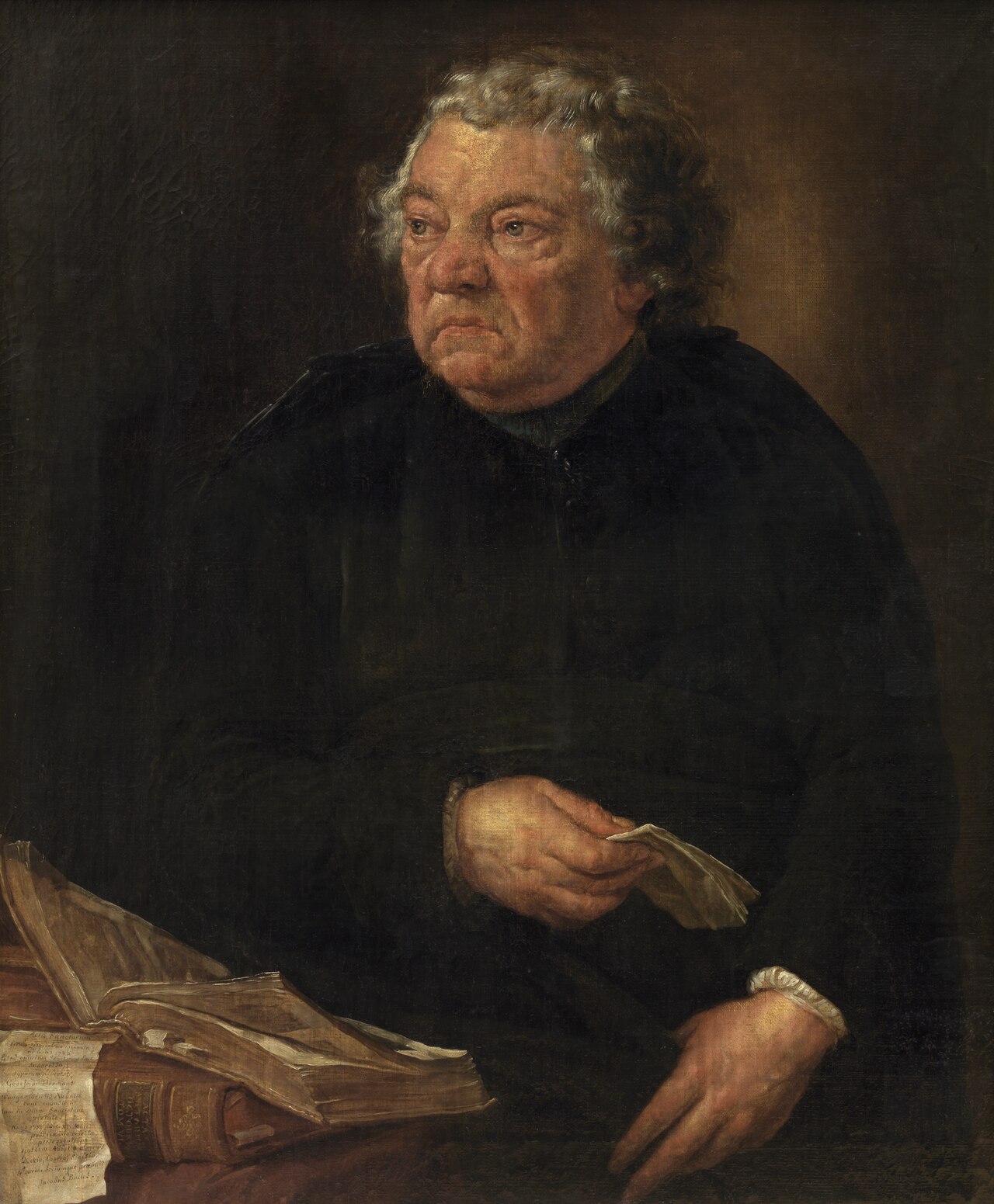
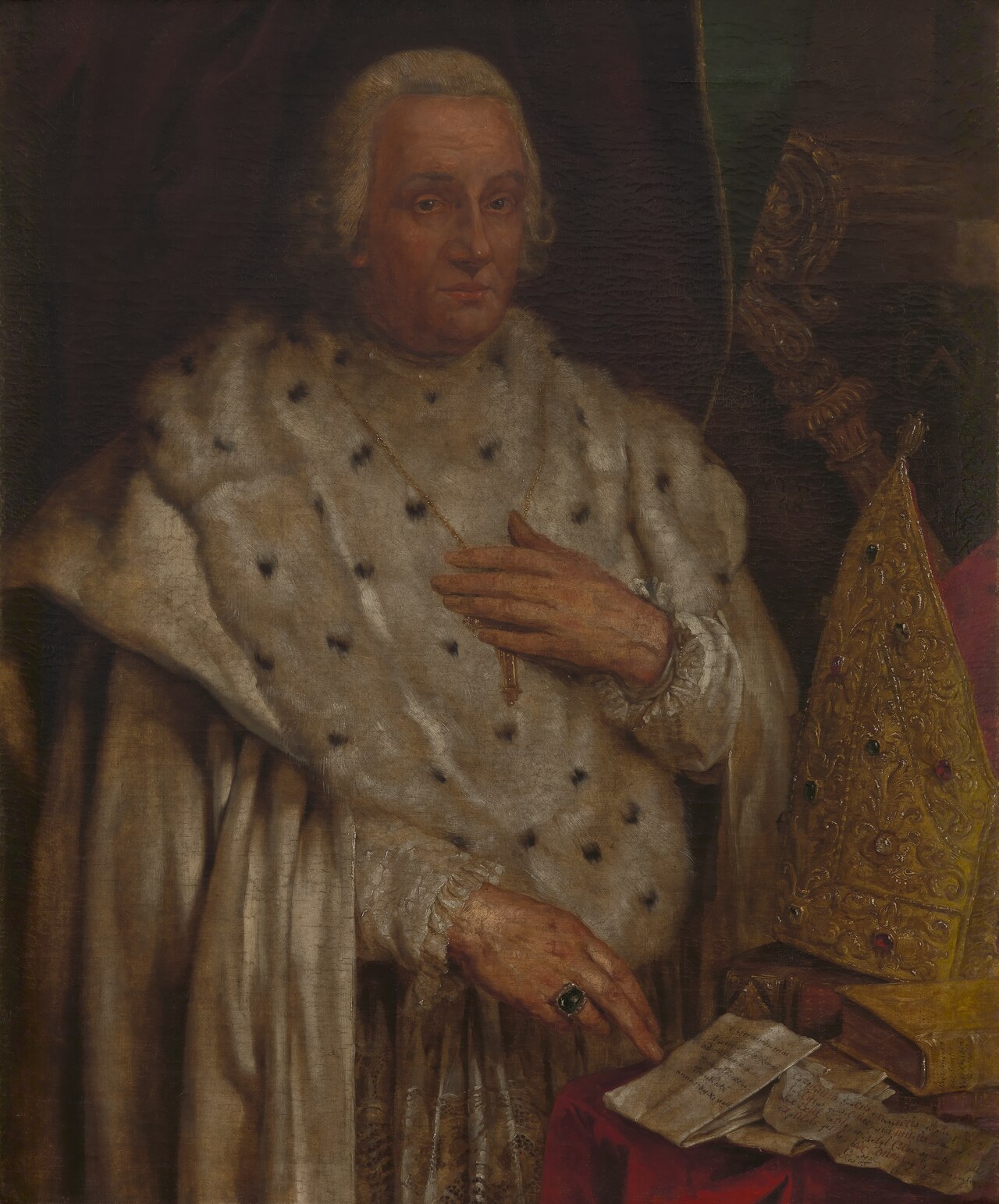

Early life Willem Jacob Herreyns was born in 1743 in Antwerp, a city that had long been a centre of artistic production in the Austrian Netherlands. He grew up in a family with close ties to the local guilds, which provided a conventional apprenticeship route for aspiring artists. Details of his formal training are scarce, but contemporary records indicate that he was educated in the workshop of a prominent Antwerp master, where he absorbed the techniques of the Flemish Baroque that had been codified by Peter Paul Rubens a century earlier. The city's rich artistic heritage, combined with the lingering influence of the Counter‑Reformation, shaped his early exposure to religious and historical subject matter.
Career and style Herreyns established himself as a portraitist and history painter in the latter half of the 18th century. His career coincided with a period of political transition; the Austrian Netherlands were undergoing reforms that affected patronage patterns, yet the demand for ecclesiastical and civic portraiture remained strong. Herreyns worked for a range of patrons, including clergy, scholars, and members of the local bourgeoisie. His style is characterised by a disciplined compositional structure, a rich but restrained colour palette, and a careful modelling of flesh that echoes Rubens’ emphasis on anatomical accuracy. While the broader European art world was moving toward Rococo and later Neoclassicism, Herreyns retained the dramatic chiaroscuro and dynamic arrangements typical of the Baroque, making him one of its last exponents in the Low Countries.
Signature techniques Herreyns’ paintings display several recurring technical traits. He favoured a layered glazing method, applying thin translucent layers of oil paint over a dense underpainting to achieve depth and luminosity. His brushwork is often described as “fine and controlled” in the rendering of facial features, while broader, more vigorous strokes appear in drapery and background elements, creating a contrast that heightens the three‑dimensional effect. Light is frequently sourced from a single, off‑centre direction, producing strong chiaroscuro that models the sitter’s form and underscores narrative tension. In addition, he employed a limited but harmonious colour scheme—predominantly earth tones punctuated by occasional vermilion or ultramarine accents—to maintain visual cohesion across his compositions.
Major works Herreyns’ oeuvre includes a number of documented portraits that illustrate both his technical skill and his capacity to convey the intellectual stature of his sitters.
- Portrait of the Antwerp canon Antoon de Vries (1750) – This early work, executed when Herreyns was only a teenager, shows a young canon seated in a study, surrounded by books and a faintly illuminated window. The composition reflects a scholarly atmosphere, while the delicate modelling of the canon’s hands demonstrates the artist’s emerging proficiency.
- Portrait of Jacques de Bue, Jesuit and Bollandist (1750) – Also dated to 1750, this portrait captures the Jesuit scholar in a modest black habit, his gaze directed toward a manuscript. The restrained lighting and the subtle rendering of the fabric’s texture underscore Herreyns’ ability to convey both intellectual focus and spiritual humility.
- Jozef Ghesquière, Jesuit and Bollandist (1793) – Created later in his career, this portrait presents a more mature handling of chiaroscuro. Ghesquière is depicted with a contemplative expression, the background rendered in muted tones that recede, allowing the sitter’s face to dominate the visual field.
- Godefried Hermans, Abbot of Tongerlo (1793) – In this work, Herreyns portrays the abbot with a dignified bearing, his habit rendered in a deep, velvety black that absorbs light, contrasted with a bright, reflective rosary. The composition balances the spiritual authority of the subject with a subtle sense of human warmth.
- Portrait of the Priest Jean‑Jacques De Brandt (1809) – One of his latest documented pieces, this portrait demonstrates Herreyns’ continued commitment to Baroque principles despite the rise of Romanticism. The priest is shown against a dark backdrop, his face illuminated by a soft, almost ethereal light that highlights the texture of his skin and the folds of his clerical attire.
These works collectively illustrate Herreyns’ consistent approach to portraiture: a focus on psychological depth, meticulous attention to fabric and flesh, and an enduring reliance on Baroque compositional strategies.
Influence and legacy Although Herreyns did not found a distinct school, his persistence in the Flemish Baroque idiom provided a bridge between the golden age of Rubens and the 19th‑century revivalist movements. He remained active in Antwerp’s artistic guilds, where he mentored younger painters and advocated for the preservation of traditional techniques. His portraits are valuable documentary records of the intellectual and religious elite of the Austrian Netherlands, offering historians insight into the visual culture of the period. Modern scholarship often cites Herreyns as the “last Flemish Baroque painter,” a designation that underscores his role as a cultural custodian rather than an innovator. His works continue to be displayed in regional museums and ecclesiastical collections, where they are appreciated for their technical mastery and their testimony to a waning artistic tradition.
Frequently asked questions
Who was Willem Jacob Herreyns?
Willem Jacob Herreyns (1743–1827) was a Flemish painter from Antwerp, known for history paintings and portraits, and regarded as the last practitioner of the Flemish Baroque tradition.
What artistic style or movement is he associated with?
He worked in the Flemish Baroque style, preserving the dramatic chiaroscuro and dynamic compositions pioneered by Peter Paul Rubens.
What are his most famous works?
His most noted portraits include the 1750 Portrait of the Antwerp canon Antoon de Vries, the 1750 Portrait of Jacques de Bue, the 1793 portraits of Jozef Ghesquière and Godefried Hermans, and the 1809 Portrait of Priest Jean‑Jacques De Brandt.
Why is he important in art history?
Herreyns is considered the last Flemish Baroque painter, bridging the gap between the Rubens era and later artistic developments, and his works document the cultural elite of the Austrian Netherlands.
How can I recognise a painting by Herreyns?
Look for finely modelled faces, controlled brushwork in flesh, broader strokes in drapery, a limited earth‑tone palette with occasional bright accents, and strong, single‑source chiaroscuro that gives a three‑dimensional effect.