Robert Tournières
1667 – 1752
In short
Robert Tournières (1667–1752) was a French painter from Ifs, known for his portraiture and mythological scenes in the early 18th century. Although his artistic movement is not clearly recorded, his work reflects the transitional style between the Baroque and Rococo periods in France.
Notable works

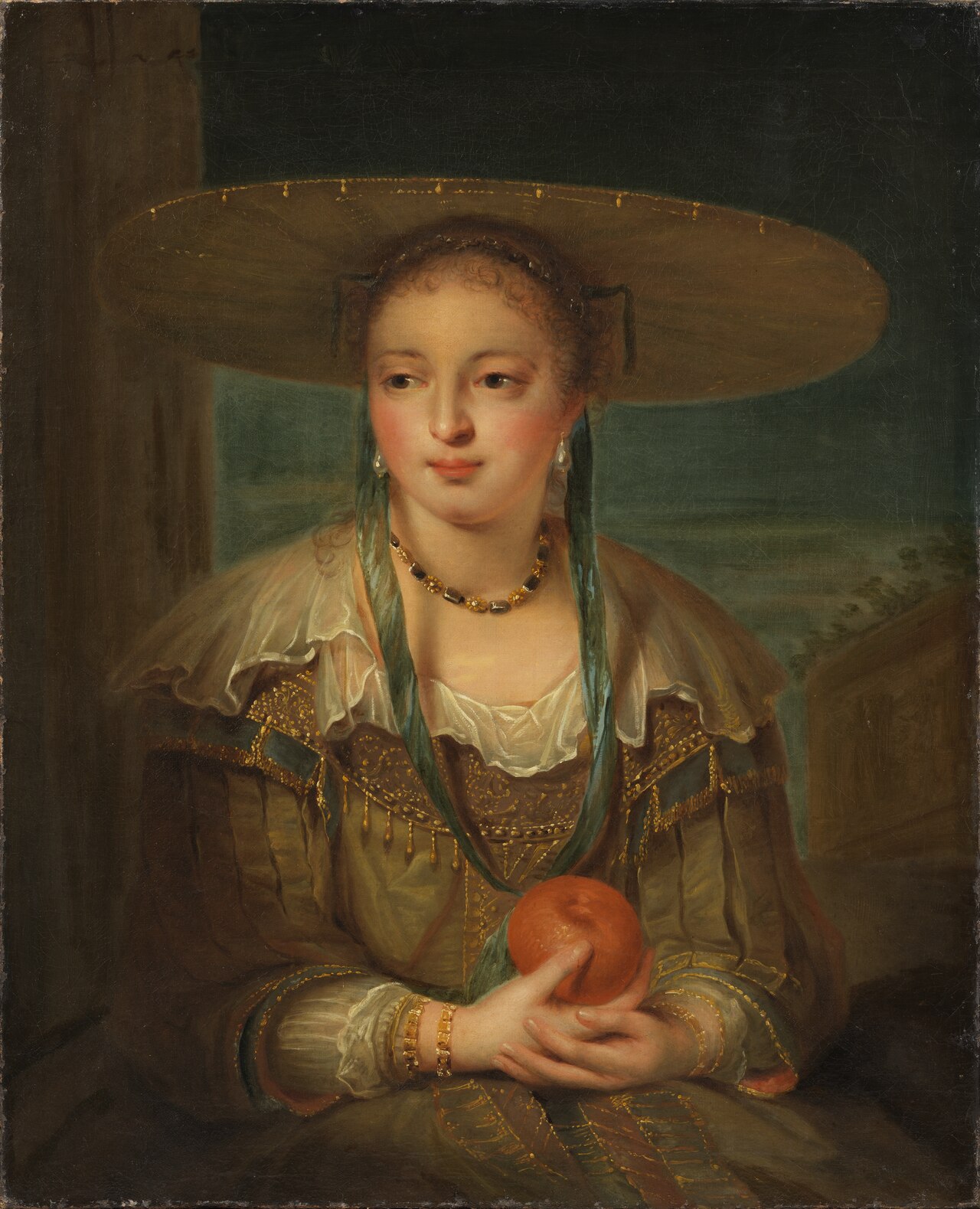

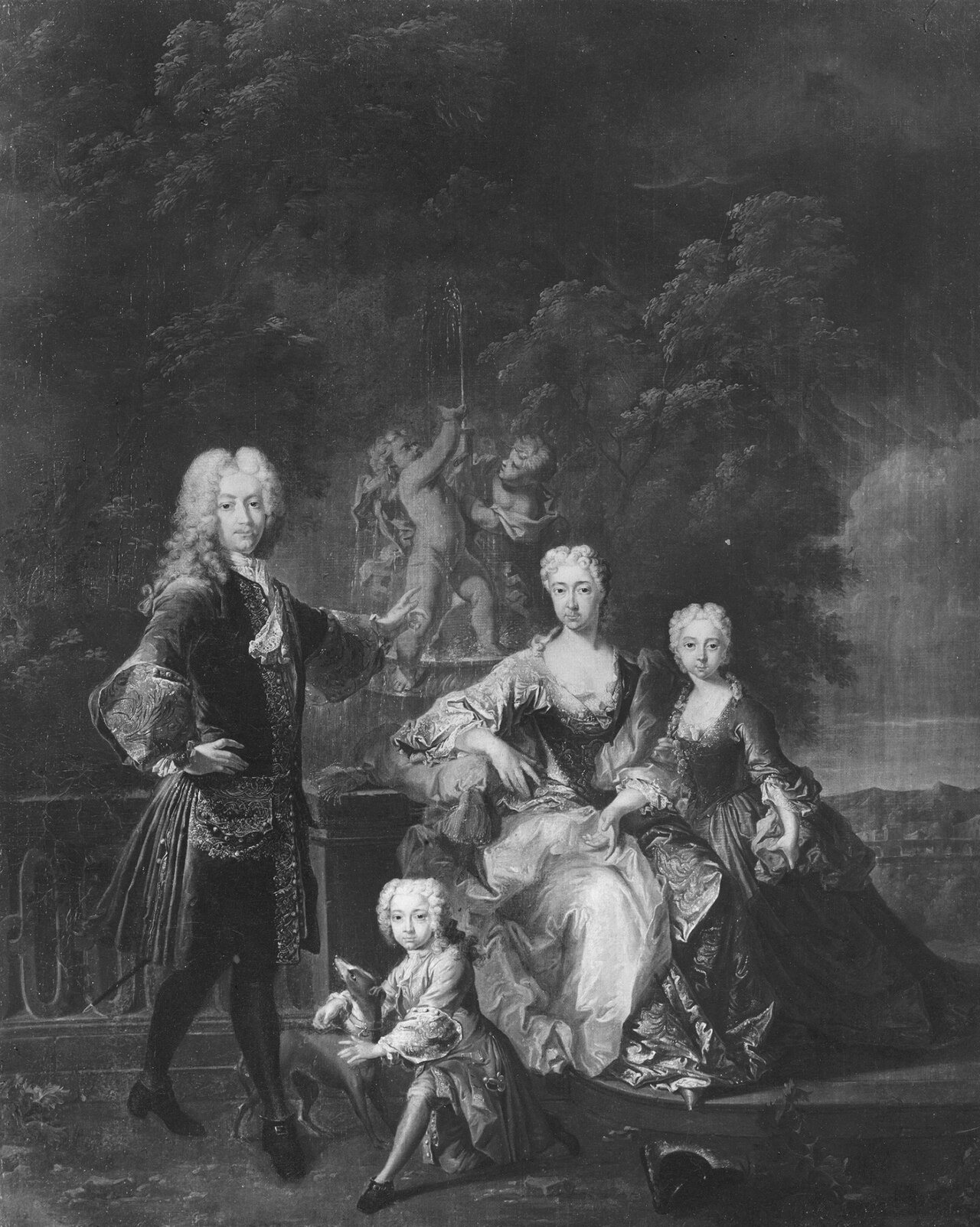

Early life Robert Le Vrac de Tournières was born in 1667 in the small town of Ifs, located in the Normandy region of France. Details of his family background are sparse, but contemporary records place his upbringing within the provincial milieu that surrounded the historic city of Caen. Growing up in Normandy, Tournières would have been exposed to the region's rich artistic traditions, including the legacy of the French Renaissance and the lingering influence of Flemish painters who had worked in northern France. His early education likely included basic drawing and painting instruction, a common practice for aspiring artists of the time, though the identity of any formal master or workshop remains undocumented.
Career and style Tournières began his professional career in the early decades of the 18th century, a period marked by the gradual shift from the dramatic intensity of the Baroque toward the lighter, more decorative sensibilities of the Rococo. While definitive archival evidence linking him to a specific academy or patronage network is lacking, his surviving oeuvre suggests that he operated primarily as a portraitist for the provincial aristocracy and bourgeoisie. His style can be described as a restrained synthesis of Baroque realism and Rococo elegance: figures are rendered with careful attention to anatomical accuracy, yet they are placed within settings that favour pastel colour palettes and gentle chiaroscuro. This blend allowed his work to appeal to clients seeking both the gravitas of traditional portraiture and the fashionable delicacy that characterised French court taste under Louis XV.
Signature techniques Several technical hallmarks recur across Tournières' paintings. First, his handling of light is subtle; he often employs a soft, diffused illumination that gently models the face without the stark contrasts typical of earlier Baroque masters. Second, his brushwork combines fine, controlled strokes for facial features with broader, more fluid passages for clothing and drapery, creating a tactile contrast that enhances the three‑dimensionality of his subjects. Third, Tournières demonstrates a particular affinity for rendering fabric textures—silks, brocades, and lace are depicted with a delicate sheen that suggests both material quality and social status. Finally, his compositions frequently incorporate modest interior settings or garden backdrops, wherein the background serves to frame the sitter rather than dominate the narrative, a practice that aligns with the emerging Rococo preference for intimate, private scenes.
Major works The surviving catalog of Tournières' work includes several notable pieces that illustrate his range.
- Portrait of the Maupertuis family (1715) – This group portrait captures the French mathematician Pierre Louis Maupertuis and his relatives. The composition balances individual likenesses with a cohesive family dynamic, employing a restrained colour scheme that highlights the subjects' dignified bearing.
- Pomona (1739) – A mythological composition depicting the Roman goddess of fruit trees, Pomona. Here Tournières merges his portraiture skill with allegorical content, rendering the goddess in a lush garden setting with an emphasis on soft lighting and sumptuous drapery, reflecting the Rococo fascination with pastoral themes.
- Portrait of Unknown Woman as Hebe (1750) – In this work, an unidentified female sitter is portrayed as the Greek goddess of youth, Hebe. The painting showcases Tournières' ability to blend portraiture with classical iconography, using symbolic attributes such as a cup and youthful attire to convey the allegorical role.
- Ferdinand Adolf von Plettenberg and his Family, misidentified with Karl Albrecht of Bavaria (1727) – This family portrait, originally thought to depict the Bavarian elector, actually represents the German nobleman Ferdinand Adolf von Plettenberg. The work demonstrates Tournières' competence in rendering multi‑generational groups, with each figure rendered with individualized expression yet unified through a harmonious colour palette.
- Portrait of Count Ferdinand von Plettenberg with his Family (1727) – Similar in date and subject to the previous entry, this painting offers a more focused view of the Count alongside his immediate family. The composition emphasizes the patriarch's authority through his central placement, while the surrounding figures are arranged to suggest familial cohesion.
These works collectively illustrate Tournières' versatility: he could accommodate both secular portrait commissions and mythological subjects, adapting his technique to suit the expectations of diverse patrons.
Influence and legacy Although Robert Tournières did not achieve the lasting fame of Parisian contemporaries such as Hyacinthe Rigaud or François Boucher, his contributions remain valuable for understanding provincial French painting in the early 18th century. His oeuvre provides insight into how the stylistic currents of the French capital filtered into regional courts and elite households. Moreover, the survival of a street named rue Robert Tournières in Caen’s post‑World‑II Saint‑Paul district attests to his enduring local reputation; the naming reflects municipal recognition of his cultural significance within Normandy. Scholars studying the diffusion of Baroque and Rococo aesthetics beyond Paris often cite Tournières as an exemplar of a provincial artist who successfully negotiated the demands of aristocratic patronage while maintaining a personal artistic identity. His works continue to be examined in museum collections and academic publications, contributing to a fuller picture of French artistic production during a period of stylistic transition.
Frequently asked questions
Who was Robert Tournières?
Robert Tournières (1667–1752) was a French painter from Normandy, best known for his portraiture and occasional mythological scenes in the early 18th century.
What artistic style or movement is he associated with?
His work bridges the Baroque and Rococo periods, combining realistic portraiture with the lighter, decorative touches typical of early Rococo France.
What are his most famous works?
Key works include the Portrait of the Maupertuis family (1715), Pomona (1739), Portrait of Unknown Woman as Hebe (1750), and two family portraits of Count Ferdinand von Plettenberg (both dated 1727).
Why is Robert Tournières important in art history?
He exemplifies how provincial artists adapted metropolitan styles, offering insight into the diffusion of Baroque and Rococo aesthetics beyond Paris and maintaining a recognized local legacy in Normandy.
How can I recognise a painting by Tournières?
Look for softly modelled faces, delicate handling of light, fine brushwork on skin contrasted with broader strokes for fabrics, and a restrained colour palette that emphasises texture and modest interior or garden settings.