Pietro Paolo Bonzi
1576 – 1636
In short
Pietro Paolo Bonzi (1576–1636) was an Italian painter born in Cortona and active in Rome, best known for his still‑life and landscape paintings. He earned the nicknames il Gobbo dei Carracci and il Gobbo dei Frutti, reflecting both his distinctive posture and his focus on fruit motifs.
Notable works

Early life Pietro Paolo Bonzi was born in 1576 in the Tuscan town of Cortona. Contemporary documents provide only limited information about his family background, and his nationality is recorded simply as Italian. The details of his artistic apprenticeship are not definitively documented, but art historians generally agree that he was exposed to the vibrant artistic environment of central Italy in the late sixteenth century. It is plausible that he came into contact with the workshop of the Carracci family, whose studio in Bologna attracted many aspiring painters from the surrounding regions. This connection would later inform both his nickname – il Gobbo dei Carracci – and certain stylistic affinities evident in his work.
Career and style Bonzi moved to Rome in the early decades of the seventeenth century, a period when the city was a magnet for artists seeking patronage from the papal court, aristocratic families, and ecclesiastical institutions. In Rome he established a modest reputation as a painter of landscapes and still‑lifes, genres that were gaining popularity among collectors who favoured intimate, decorative subjects. His style synthesises the naturalistic observation of the Bolognese school with a subtle, often lyrical treatment of light reminiscent of Caravaggio’s chiaroscuro, though without the dramatic intensity that characterised the latter’s biblical scenes. Bonzi’s canvases typically present a calm, balanced composition, where the arrangement of objects is guided by an underlying geometry that lends a sense of order to otherwise informal subjects.
Signature techniques Bonzi’s paintings are distinguished by a meticulous rendering of texture and colour. He employed a layered glazing technique that allowed the surface of fruit, foliage, and stone to appear luminous and tactile. Small, almost invisible brushstrokes create a delicate surface texture, especially evident in the skin of peaches or the velvety petals of an iris. Light is often introduced from a single, discreet source, producing soft shadows that model the forms without harsh contrasts. The artist also favoured a restrained palette, using muted earth tones for backgrounds while allowing the colours of the fruit or flowers to pop with restrained brilliance. These methods combine to produce a sense of immediacy, as if the viewer could reach out and grasp the depicted objects.
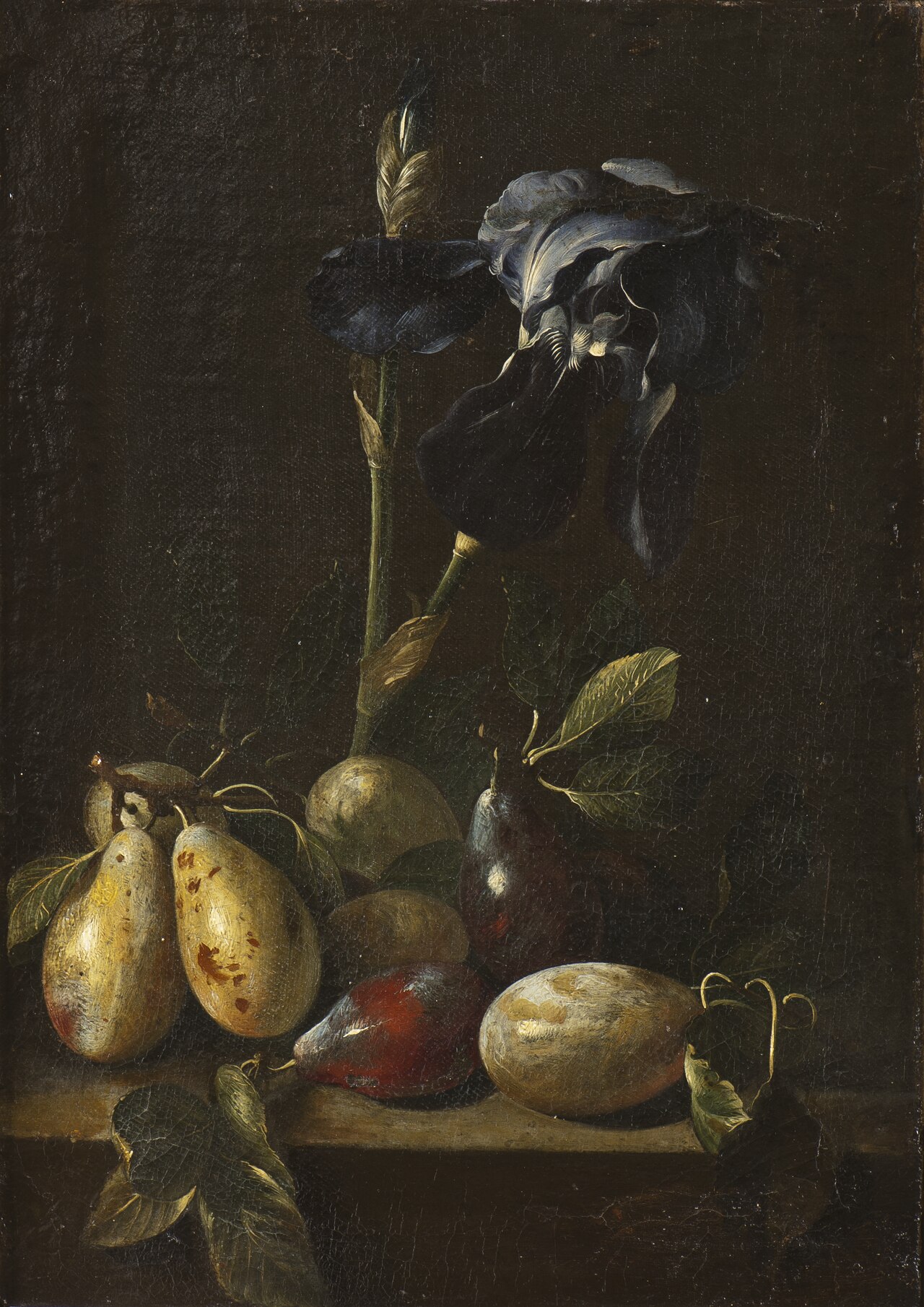
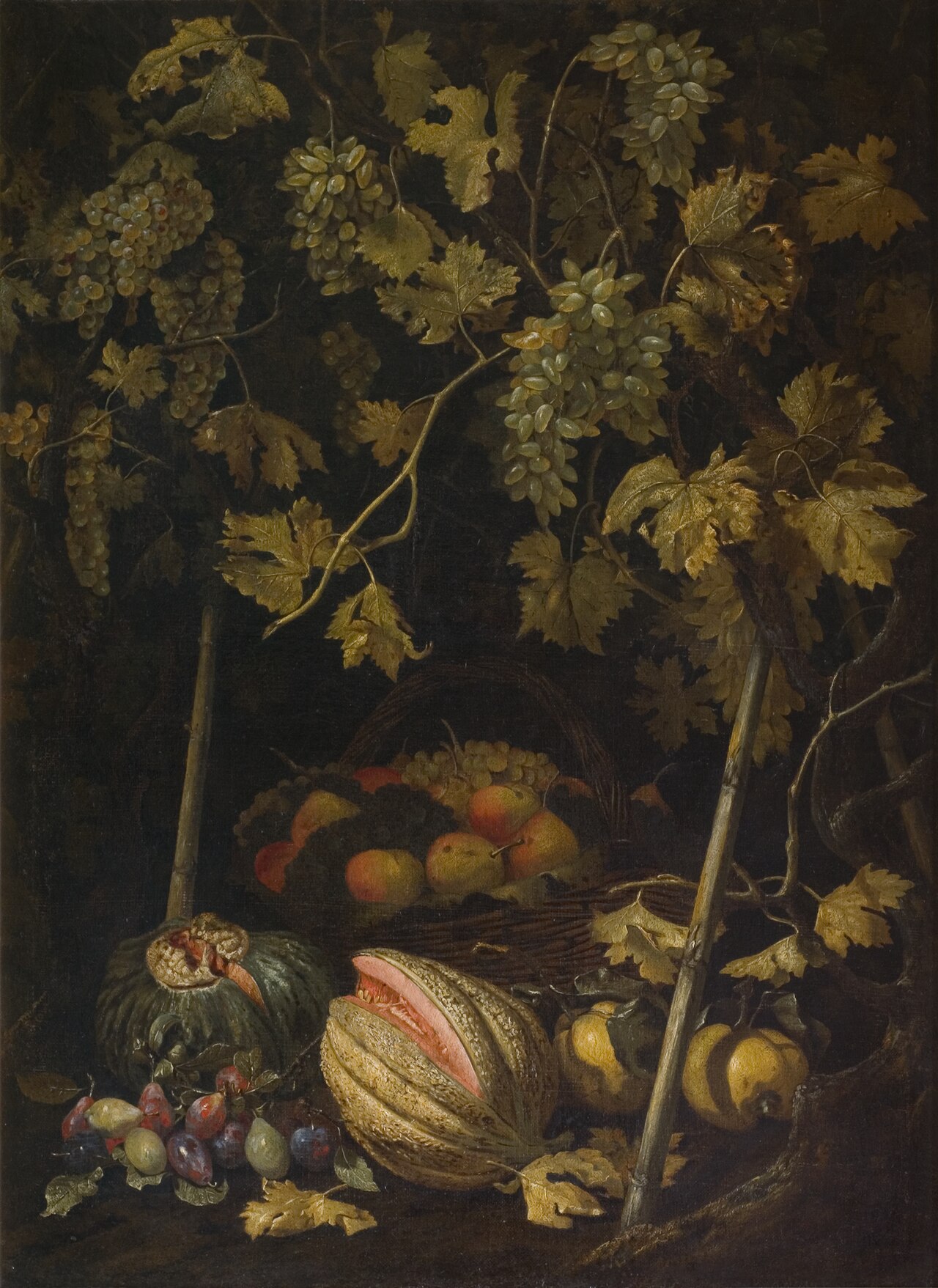
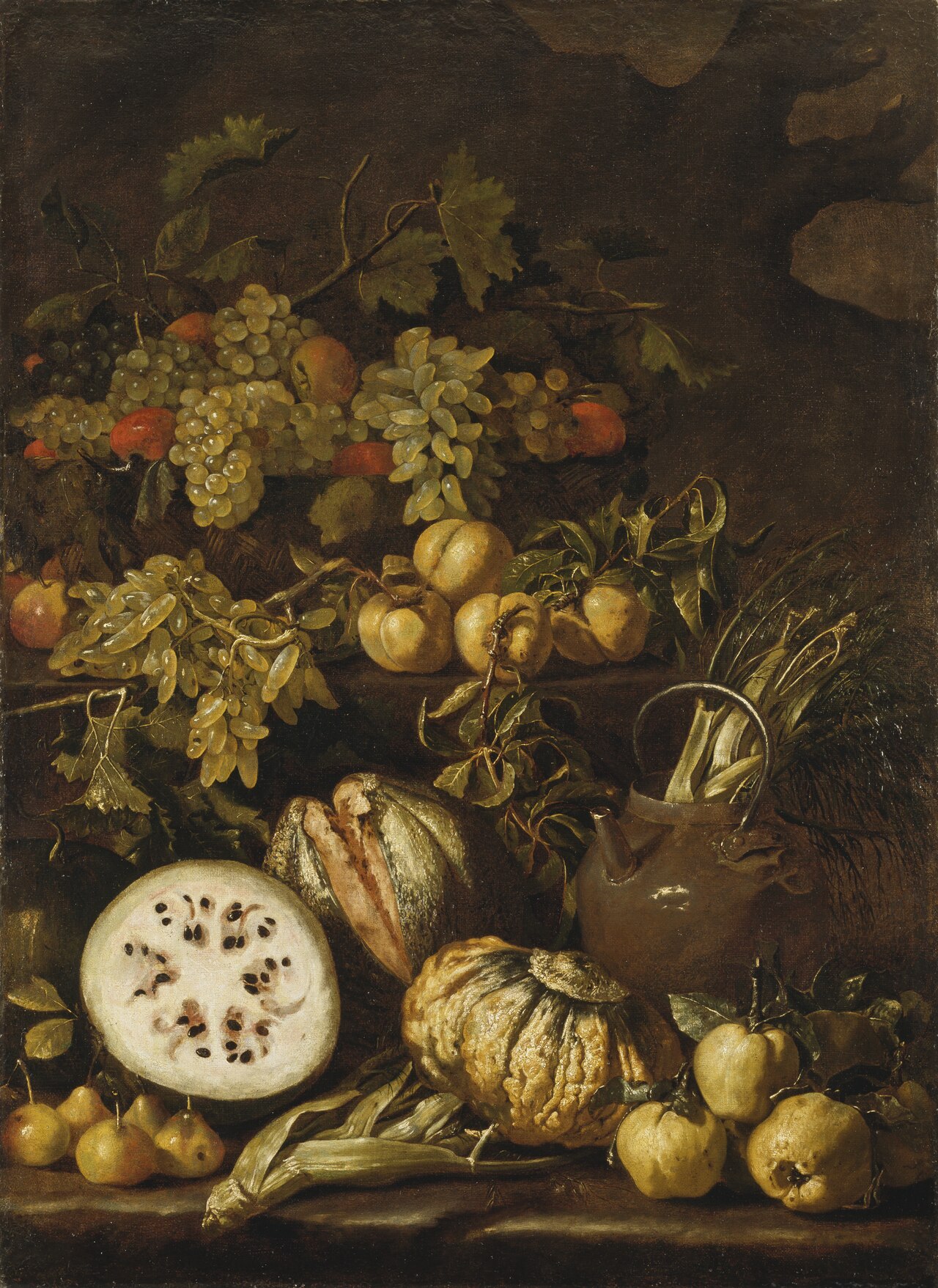
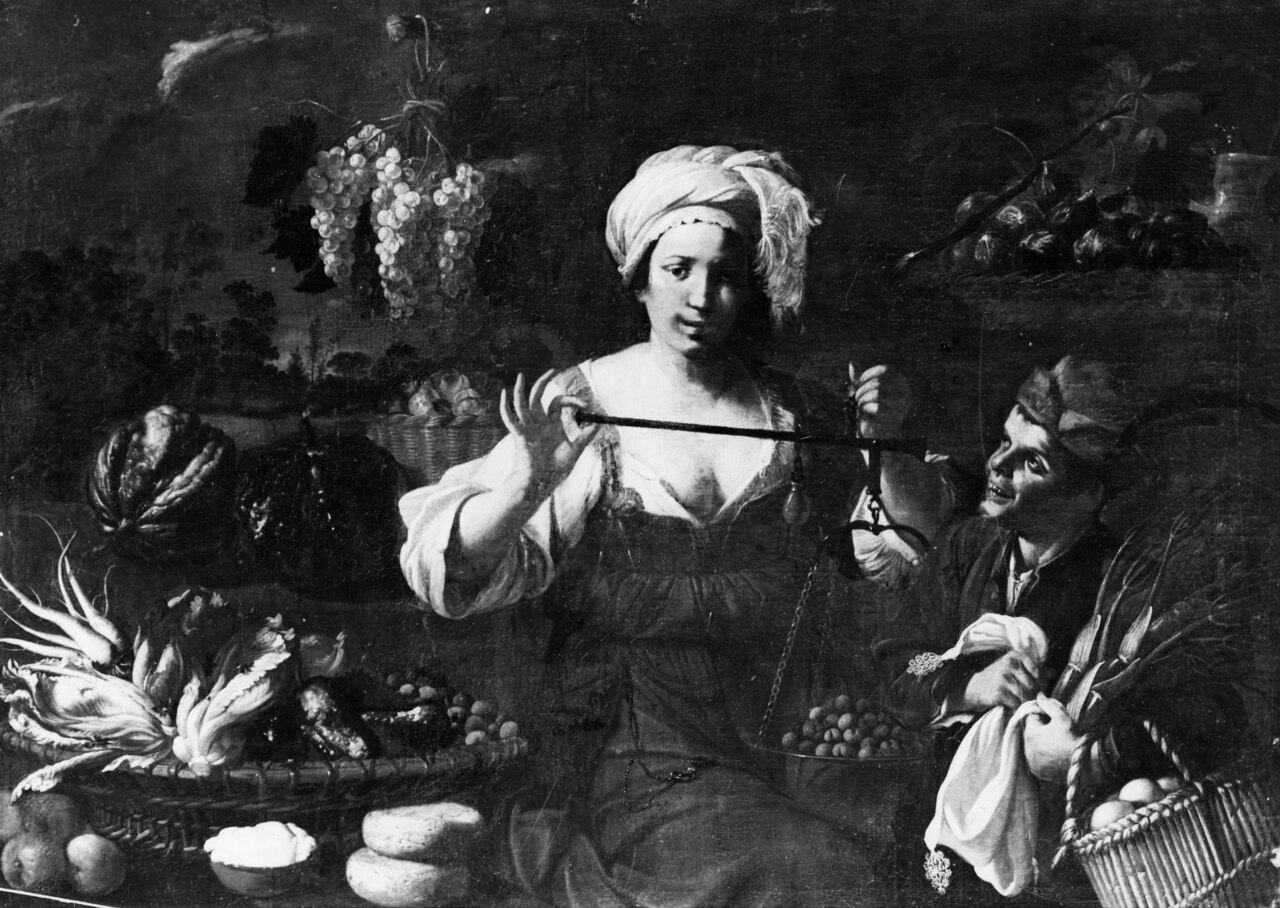
Major works - **Latona Transforming the Lycian Peasants into Frogs (1600)** – This mythological narrative, dated to the turn of the century, showcases Bonzi’s ability to integrate figural composition with his characteristic still‑life detail. The central figure of Latona is rendered with a delicate softness, while the surrounding peasants, mid‑transformation, are depicted with a keen eye for anatomical nuance. The work reflects the influence of Carracci’s narrative style while retaining Bonzi’s own compositional restraint. - **Still Life with an Iris and Plums** – In this composition the iris stands tall against a dark backdrop, its blue‑violet hues contrasting with the warm, ripe plums. The painting exemplifies Bonzi’s skill in balancing colour temperature and demonstrates his interest in juxtaposing the delicate translucence of flower petals with the solid, fleshy quality of fruit. - **Still Life with Fruit and Vine (1620)** – Dated to the later stage of his career, this work presents a lavish arrangement of grapes, apples, and a winding vine that sweeps across the canvas. The vine’s sinuous line creates a visual rhythm that guides the eye, while the fruit is rendered with a striking realism that underscores Bonzi’s mastery of light and texture. - **Still Life with Fruit (1612)** – An earlier still‑life, this piece groups a modest selection of stone‑cured figs, pears, and citrus fruits. The composition is notable for its restrained elegance; the objects are placed on a simple stone slab, allowing the subtle variations in colour and surface to dominate the visual experience. - **A Fruit Vendor and a Boy** – This genre scene merges portraiture with still‑life, depicting a street vendor offering his wares to a youthful onlooker. The painting captures a moment of everyday life, with the vendor’s weathered hands and the boy’s curious gaze rendered with empathetic realism. The inclusion of a basket brimming with fruit provides a natural bridge to Bonzi’s still‑life expertise.
Influence and legacy Pietro Paolo Bonzi occupies a modest yet important niche within early‑seventeenth‑century Italian painting. By concentrating on still‑life subjects at a time when grand religious and historical narratives dominated the artistic market, he helped to legitimise the genre as a vehicle for technical virtuosity and aesthetic refinement. His careful treatment of light, texture, and colour influenced younger Roman painters who sought to emulate the quiet elegance of his compositions. Although Bonzi’s name is not as widely recognised as those of his Carracci contemporaries, his works are held in several notable collections, and they continue to be cited in scholarly discussions of the development of Italian still‑life. The distinctive posture captured in contemporary cartoons – a slightly deformed, lordotic stance – contributed to the enduring nickname il Gobbo dei Frutti, reinforcing his identity as a painter whose legacy is inseparably linked to the depiction of fruit and the quiet beauty of everyday objects.
Frequently asked questions
Who was Pietro Paolo Bonzi?
Pietro Paolo Bonzi (1576–1636) was an Italian painter from Cortona who worked mainly in Rome, known for his still‑life and landscape paintings.
What artistic style or movement is he associated with?
Bonzi is not tied to a specific movement, but his work reflects the naturalism of the Carracci school and incorporates subtle chiaroscuro reminiscent of early Baroque painting.
What are his most famous works?
His best‑known paintings include *Latona Transforming the Lycian Peasants into Frogs* (1600), *Still Life with an Iris and Plums*, *Still Life with Fruit and Vine* (1620), *Still Life with Fruit* (1612) and *A Fruit Vendor and a Boy*.
Why is he important in art history?
Bonzi helped to elevate the still‑life genre in Italy, demonstrating that everyday objects could be rendered with the same technical mastery as grand historical subjects.
How can I recognise a painting by Bonzi?
Look for a calm composition, meticulous rendering of fruit textures, a restrained colour palette, and a soft, single‑source lighting that gives his subjects a luminous, tactile quality.