Pier Leone Ghezzi
1674 – 1755
In short
Pier Leone Ghezzi (1674–1755) was a Roman-born painter, draughtsman and printmaker best known for his pioneering caricatures of contemporary figures. He also produced decorative frescoes, history paintings and portraiture, blending Rococo flair with a sharp observational eye.
Notable works

_(ca._1735)_-_Google_Art_Project.jpg)

Early life Pier Leone Ghezzi was born in Rome in 1674. Details of his family background are scarce, and contemporary records do not specify his parents' occupations. Growing up in the capital of the Papal States, he was exposed early to the vibrant artistic milieu that surrounded the city's churches, palaces and academies. Although his formal training is not documented, it is clear that he benefited from the rich workshop culture of Rome, absorbing techniques from both local masters and visiting artists.
Career and style Ghezzi began his professional life as a painter of decorative frescoes, a common entry point for many Roman artists of the late 17th and early 18th centuries. His early commissions involved ornamental schemes for chapels and aristocratic residences, where he employed the lightness and elegance characteristic of the Rococo style that was spreading across Europe. Over time, he developed a reputation for history paintings that combined narrative detail with a lively, anecdotal tone. These works often displayed a subtle humour, foreshadowing his later pre‑occupation with caricature.
It was in the realm of portraiture that Ghezzi made his most lasting impact. He produced a prolific series of portrait drawings that captured the essence of his sitters with a few swift strokes. Whether depicting a noble, a scholar or a tradesperson, Ghezzi was adept at highlighting distinctive facial features and sartorial quirks. This ability to distill personality into line drew the attention of collectors and patrons, who commissioned him for both formal likenesses and more playful representations.
Signature techniques Gezzi’s drawings are distinguished by a confident, flowing line that often suggests texture rather than delineating it explicitly. He favoured pen and ink, occasionally supplementing the work with washes of diluted watercolor to suggest depth. In his caricatures, he exaggerated anatomical proportions—enlarged noses, elongated necks, and exaggerated postures—to emphasise the idiosyncrasies of the subject. Yet these distortions never devolved into crude mockery; instead they retained a keen observation that revealed social and psychological insight.
His printmaking followed a similar logic. Employing copperplate engraving and etching, Ghezzi reproduced his caricatures for wider circulation. The prints retained the immediacy of his drawings, with bold hatching and cross‑hatching to model light and shadow. This reproducibility helped cement his status as arguably the first professional caricaturist, as he marketed his images to a growing audience of collectors who appreciated the novelty of seeing well‑known personalities rendered with humour and veracity.
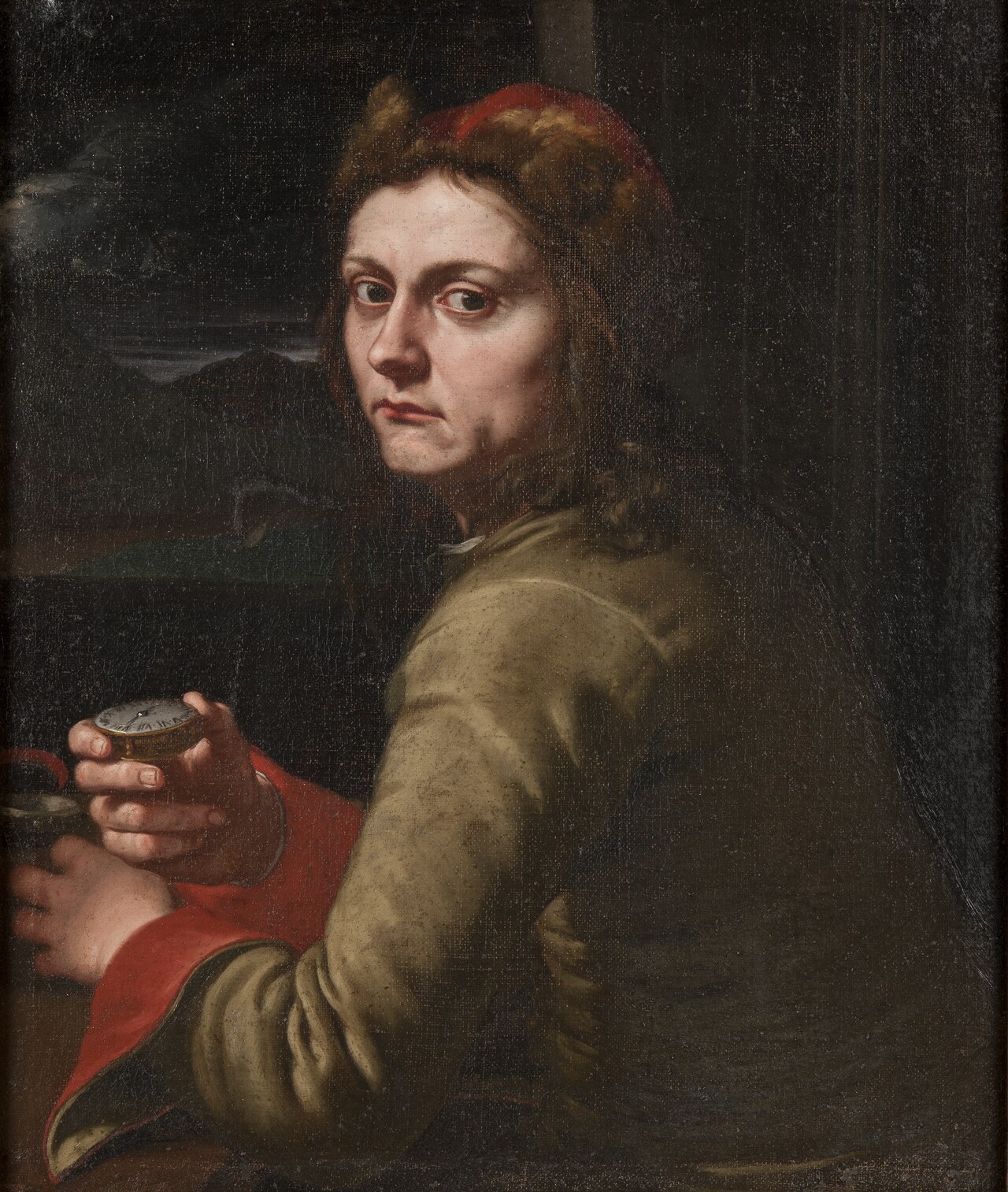
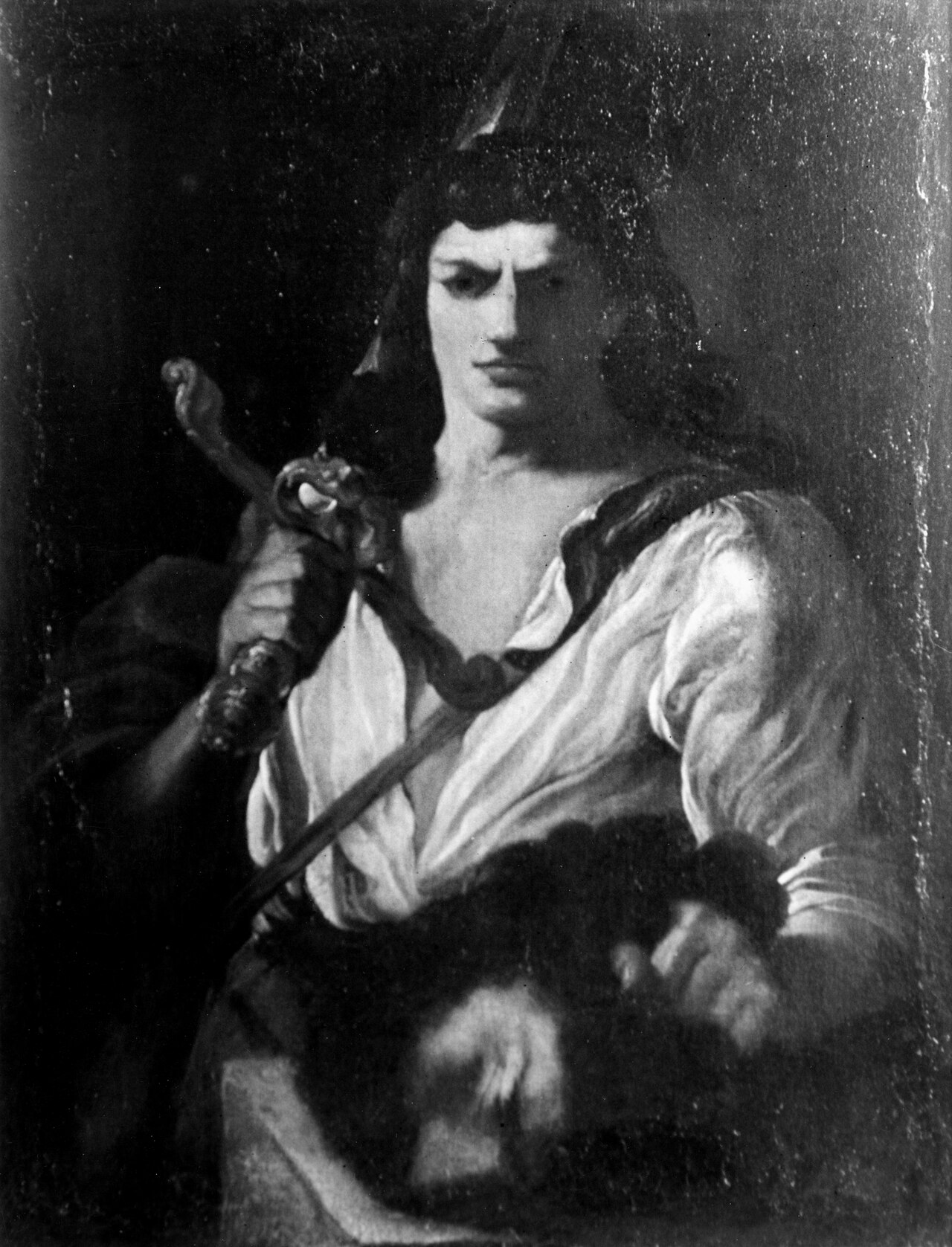
Major works - **Self‑portrait (1725)** – This drawing showcases Ghezzi’s self‑awareness as an artist. Rendered in ink with delicate wash, the portrait captures a contemplative gaze and a modest attire that contrasts with the flamboyance of his caricatures. The work demonstrates his skill in balancing realism with a subtle playfulness. - **Portrait of a Watchmaker** – In this drawing, Gezzi presents a craftsman at his bench, tools strewn about, and a focused expression. The exaggerated hands emphasize the manual skill of the sitter, while the background remains suggestively sparse, keeping attention on the figure’s concentration. - **David with Goliath’s Head** – This history painting merges dramatic narrative with Rococo elegance. David is depicted in a relaxed pose, holding the severed head of Goliath, yet the composition retains a lightness through soft colour modulation and graceful drapery—an example of Ghezzi’s ability to fuse biblical gravitas with contemporary aesthetic sensibilities. - **Maria Clementina Sobieska (1735)** – A formal portrait of the Polish princess, this work reflects Ghezzi’s capacity for courtly representation. The sitter is rendered with refined detail, her sumptuous garments and jewellery meticulously depicted, while the background remains muted, allowing the figure’s regal bearing to dominate. - **A Miracle of St. Peter of Alcántara (1714)** – This religious canvas illustrates a miraculous episode associated with the saint. Ghezzi employs a dynamic arrangement of figures, with the saint at the centre bathed in a soft luminous glow. The composition balances narrative clarity with decorative Rococo flourishes, underscoring his versatility beyond portraiture.
Influence and legacy Pier Leone Ghezzi’s legacy rests most firmly on his role as a pioneer of caricature. By turning the portrait genre on its head—exaggerating physical traits while preserving a recognisable likeness—he opened a new visual language that would later be taken up by artists such as William Hogarth and Honoré Daumier. His prints circulated among the educated elite of Rome, providing a visual commentary on social hierarchies and cultural fashions.
Beyond caricature, Ghezzi contributed to the evolution of Roman Rococo painting. His decorative frescoes and history paintings display a synthesis of Italian classicism with the lighter, ornamental tendencies emerging from France. Though many of his frescoes have been lost or altered, surviving works attest to his skill in integrating narrative content with decorative elegance.
In modern scholarship, Ghezzi is recognised not only for his artistic output but also for the documentary value of his portrait drawings. They offer a visual record of early 18th‑century Roman society, capturing the attire, gestures and even the personalities of a wide cross‑section of its inhabitants. Museums and libraries worldwide house his drawings and prints, and his influence is evident in the development of satirical illustration that continues to this day.
Overall, Ghezzi’s blend of technical proficiency, keen observation and playful exaggeration secured his place as a seminal figure in the transition from Baroque seriousness to Rococo wit, and as a forerunner of the modern caricaturist.
Frequently asked questions
Who was Pier Leone Ghezzi?
Pier Leone Ghezzi (1674–1755) was a Roman-born painter, draughtsman and printmaker best known for pioneering caricature and for his lively portrait drawings.
What style or movement is he associated with?
He worked within the Rococo aesthetic, combining its light ornamental style with a distinctive, often humorous, approach to portraiture and caricature.
What are his most famous works?
Key works include his Self‑portrait (1725), Portrait of a Watchmaker, David with Goliath’s Head, the portrait of Maria Clementina Sobieska (1735), and the religious canvas A Miracle of St. Peter of Alcántara (1714).
Why is Ghezzi important in art history?
He is regarded as the first professional caricaturist, influencing later satirical artists and providing a valuable visual record of early‑18th‑century Roman society.
How can I recognise a work by Ghezzi?
Look for swift, confident lines, subtle washes, and often exaggerated facial features or gestures that capture a sitter’s personality while retaining recognisable likeness.