Pier Francesco Mazzucchelli
1573 – 1626
In short
Pier Francesco Mazzucchelli (1573–1626) was an Italian painter and draughtsman of the early 17th‑century Lombard school, noted for large devotional fresco cycles at the Sacri Monti of Varese and Varallo and for altarpieces such as the Quadroni of St Charles.
Notable works


.jpg)

Early life Pier Francesco Mazzucchelli was born in 1573 in the small town of Morazzone, near Varese in northern Italy. Little is recorded about his family background, but the regional artistic environment of Lombardy provided his first exposure to visual culture. Early in his career he travelled to Rome, where he encountered the classical revival that was shaping the works of contemporary painters. This Roman training left a lasting imprint on his compositional language and use of anatomical accuracy, distinguishing him from many of his Lombard peers who remained more directly influenced by local traditions.
Career and style Returning to northern Italy, Mazzucchelli settled in the Milanese artistic sphere, which at the time was a hub for artists responding to the Counter‑Reformation. He worked alongside Giovanni Battista Crespi, Giulio Cesare Procaccini and Tanzio da Varallo, forming a core group of painters who combined the spiritual urgency of the Catholic reform with emerging Baroque dynamism. While the teachings of Charles Borromeo encouraged a pious, emotive style, Mazzucchelli’s work retained a pronounced classicist restraint, evident in his balanced compositions and measured use of colour. His subjects were predominantly religious—altarpieces, narrative scenes, and large‑scale frescoes—intended to inspire devotion and convey doctrinal clarity.
Signature techniques Mazzucchelli’s technique blended the disciplined drawing of the Roman school with the expressive potential of fresco. He employed a clear, confident line to define figures, often beginning with a detailed preparatory cartoon that allowed precise placement of narrative elements. In painting, he favoured a restrained palette of earth tones punctuated by vivid reds and blues to highlight sanctified figures. His handling of chiaroscuro was subtle: light fell softly across bodies, modelling them with a gentle gradation that suggested three‑dimensionality without dramatic contrast. In fresco work, he demonstrated mastery of the ‘buon fresco’ method, applying pigment to wet plaster to achieve lasting colour and a seamless integration of figures with architectural settings.
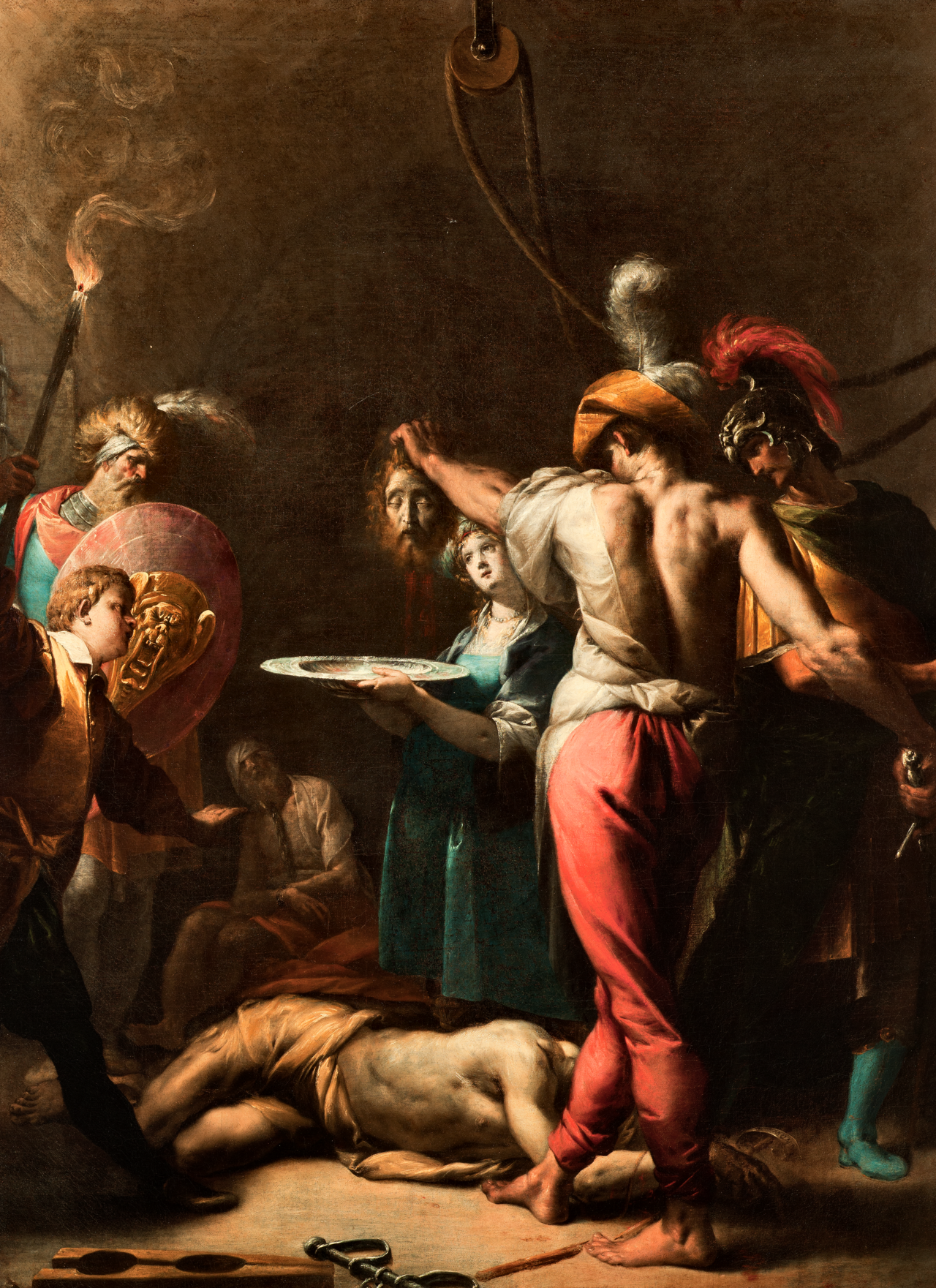
Major works - **Quadroni of St Charles (1603)** – This series of large canvases, commissioned for the Milanese cathedral, depicts the life of Saint Charles Borromeo. Mazzucchelli’s contribution showcases his ability to organise complex narrative episodes within a unified compositional framework, using classical architecture as a backdrop for the saint’s deeds. - **Beheading of John the Baptist (1612)** – Executed for a chapel in Piacenza, the painting illustrates a violent biblical moment with a calm, almost statuesque representation of the figures. The composition is anchored by a strong diagonal, and the use of muted colours underscores the solemnity of the scene. - **Marriage of the Virgin (1612)** – This altarpiece presents the nuptial ceremony of Mary and Joseph in a setting reminiscent of Roman antiquity. The orderly arrangement of the participants, the measured gestures, and the subtle modelling of drapery all reflect Mazzucchelli’s classical training. - **St Mary Magdalene Carried up to Heaven by Angels (1613)** – Here the artist combines a celestial subject with a grounded, human portrayal of the saint. Angelic figures are rendered with light, airy brushwork, while Mary’s expression remains contemplative, bridging the divine and the earthly. - **Martyrdom of St Rufina and St Seconda (1622)** – One of his later works, this painting captures the twin martyrdom with a calm dignity. The figures are placed within a restrained architectural niche, and the overall tone remains solemn rather than sensational, reflecting Mazzucchelli’s continued preference for classicist restraint.
In addition to these canvases, Mazzucchelli’s most celebrated achievements are the fresco cycles at the Sacro Monte di Varese and the Sacro Monte di Varallo. At Varese, he painted a series of narrative panels that guide pilgrims through the life of Saint Charles, employing a harmonious blend of landscape, architecture, and figure that enhances the devotional experience. At Varallo, his contributions to the stations of the cross exhibit a similar balance of storytelling and classical composition, reinforcing the spiritual journey of the viewer.
Influence and legacy Pier Francesco Mazzucchelli occupies a pivotal position in the transition from late Renaissance classicism to early Baroque dynamism within Lombardy. By integrating Roman classicist principles with the emotive demands of Counter‑Reformation art, he helped shape a distinctly Lombard interpretation of Baroque aesthetics. His frescoes at the Sacri Monti served as models for subsequent generations of religious painters, who borrowed his compositional clarity and his measured use of colour to convey theological narratives. Although his name is less widely recognised than some of his contemporaries, art historians credit Mazzucchelli with contributing to the visual language that defined early 17th‑century Northern Italian ecclesiastical art. His works continue to be studied for their synthesis of classical discipline and devotional purpose, offering insight into the cultural currents that shaped post‑Tridentine Italy.
Frequently asked questions
Who was Pier Francesco Mazzucchelli?
He was an Italian painter and draughtsman (1573–1626) active in Lombardy, best known for large fresco cycles at the Sacri Monti of Varese and Varallo and for religious altarpieces.
What artistic style or movement is he associated with?
Mazzucchelli worked in the early Baroque period, blending Counter‑Reformation spirituality with a classicist approach derived from his Roman training.
What are his most famous works?
Key works include the Quadroni of St Charles (1603), the Beheading of John the Baptist (1612), the Marriage of the Virgin (1612), St Mary Magdalene Carried up to Heaven by Angels (1613), and the Martyrdom of St Rufina and St Seconda (1622).
Why is Mazzucchelli important in art history?
He helped define a Lombard variant of early Baroque art, merging classical composition with the piety of the Counter‑Reformation, and his frescoes set a precedent for devotional narrative painting in northern Italy.
How can I recognise a Mazzucchelli painting?
Look for balanced, classically ordered compositions, restrained colour palettes, subtle chiaroscuro, and a calm, dignified portrayal of religious figures, often within architectural settings.