Michel Anguier
1612 – 1686
In short
Michel Anguier (1612–1686) was a French sculptor born in Eu who worked primarily in the Baroque style. He is best known for his mythological and allegorical sculptures for the Palace of Versailles and other royal commissions.
Notable works


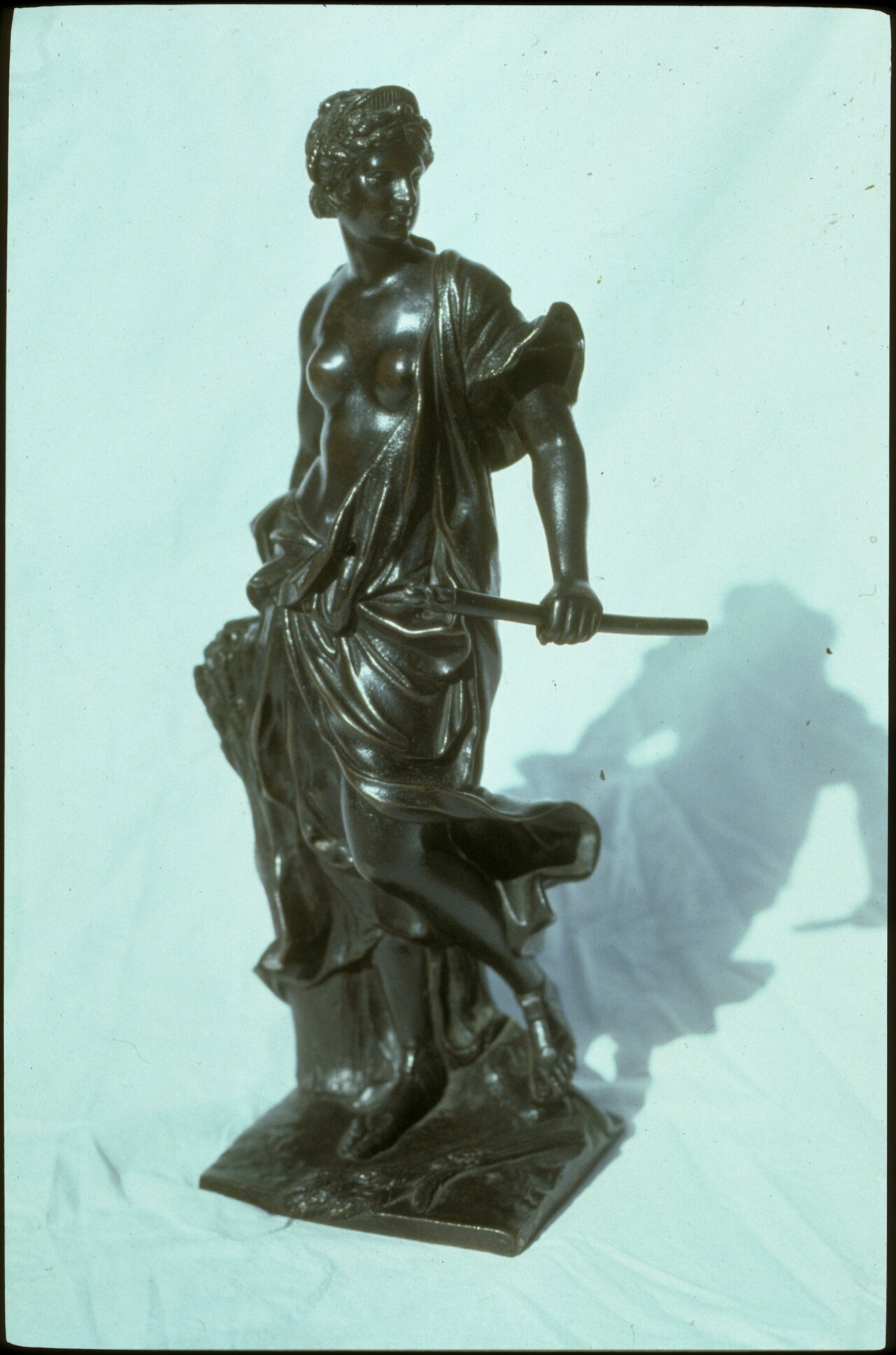
Early life Michel Anguier was born in 1612 in the town of Eu, located in the Normandy region of France. Little is recorded about his family background, but he grew up during a period when the French monarchy was consolidating power and patronising the arts on an unprecedented scale. As a young man, Anguier moved to Paris, the centre of artistic activity, to pursue an apprenticeship in sculpture.
Career and style In Paris, Anguier entered the workshop of the established sculptor Jacques Sarazin, a leading figure in the French Baroque movement. Under Sarazin’s guidance, Anguier absorbed the classicising tendencies that characterised French sculpture of the mid‑17th century, while also learning the expressive dynamism associated with the Baroque. After completing his apprenticeship, Anguier established his own studio and began receiving commissions from the royal court. His career coincided with the reign of Louis XIV, a period marked by extensive building programmes at the Louvre and the newly created Palace of Versailles. Anguier’s work reflects the court’s taste for grand allegory, heroic myth, and the integration of sculpture with architecture and garden design.
Signature techniques Anguier’s sculptural technique combined a rigorous approach to anatomical accuracy with a smooth, polished finish that enhanced the marble’s luminous quality. He favoured a restrained use of movement, preferring poses that suggested potential action rather than overt drama. This approach allowed his figures to harmonise with surrounding architectural elements. Anguier also employed a subtle gradation of surface texture, using deeper carving for drapery folds and a finer finish for skin, creating a tactile contrast that heightened the visual impact of his works.
Major works - **L'Hiver** – This allegorical group, part of a larger series representing the four seasons, exemplifies Anguier’s capacity to convey seasonal themes through human form. The figure is rendered with a calm, dignified presence, embodying the quiet stillness traditionally associated with winter. - **Amphitrite, Parc de Versailles, Bosquet des Dômes (1684)** – Executed near the end of his career, this marble sculpture depicts the sea‑goddess Amphitrite standing beside a hippocamp. The work demonstrates Anguier’s skill in integrating mythological narrative with the garden’s architectural framework, a hallmark of Versailles’ decorative program. - **Ceres Searching for Persephone** – In this composition, Anguier captures the moment of Ceres, the goddess of agriculture, actively seeking her daughter‑in‑law Persephone. The piece showcases his ability to render emotional tension through poised gestures and careful attention to the interaction of the figures. - **Neptune with a Hippocamp** – This work presents the god of the sea, Neptune, accompanied by a mythical sea‑horse. Anguier’s treatment of the muscular anatomy of both deity and creature reflects his mastery of classical sculptural ideals while maintaining the theatrical flair of the Baroque. - **Ceres (from a Cycle of the Four Seasons) (1700)** – Although dated after Anguier’s death, this marble is believed to be a post‑humous execution of a design he originated. It forms part of a broader allegorical programme that linked the cycles of nature with the monarchy’s claim to order and prosperity. The sculpture’s serene posture and refined detailing align with Anguier’s established aesthetic.
Influence and legacy Michel Anguier’s contribution to the decorative scheme of Versailles helped define the visual language of the French Baroque, where sculpture functioned as an integral component of architecture and landscape. His approach to allegorical subjects—balancing classical restraint with expressive potential—left an imprint on subsequent generations of French sculptors, who continued to employ similar compositional strategies in royal commissions. While he never achieved the renown of contemporaries such as François Girardon, Anguier’s works remain valued for their technical excellence and their role in the cohesive visual narrative of the Sun King’s court. Today, his sculptures are studied for their embodiment of the artistic ideals of 17th‑century France and for the way they illustrate the collaborative nature of monumental royal projects.
Frequently asked questions
Who was Michel Anguier?
Michel Anguier (1612–1686) was a French Baroque sculptor born in Eu, best known for his mythological and allegorical marble sculptures created for the Palace of Versailles and other royal commissions.
What style or movement is he associated with?
He worked within the French Baroque tradition, combining classical restraint with the expressive dynamism favoured by the court of Louis XIV.
What are his most famous works?
His most recognised pieces include L'Hiver, Amphitrite in the Bosquet des Dômes at Versailles (1684), Ceres Searching for Persephone, Neptune with a Hippocamp, and the post‑humous Ceres from the Four Seasons cycle.
Why does Michel Anguier matter in art history?
Anguier’s sculptures contributed to the integrated decorative programmes of Versailles, exemplifying how sculpture could enhance architectural and garden design, and influencing later French sculptors in their treatment of allegory and myth.
How can I recognise a Michel Anguier sculpture?
Look for smooth, polished marble surfaces, restrained yet poised poses, careful anatomical detail, and a subtle contrast between finely finished skin and more textured drapery—often within an allegorical or mythological context.
More France artists
References: Wikidata