Master of the Prodigal Son
1600 – present
In short
The Master of the Prodigal Son was a Flemish painter and designer active in Antwerp during the mid‑16th century, known for religious, landscape, genre and allegorical works. Operating a large workshop, he is considered a leading figure of Flemish Mannerism, though his true identity remains unknown.
Notable works
.jpg)


Early life The Master of the Prodigal Son is a notname assigned to an anonymous Flemish artist whose precise dates of birth and death are not recorded. The surviving documentation places his activity in the Habsburg‑ruled Netherlands, specifically in Antwerp, where a thriving artistic community existed in the first half of the sixteenth century. Contemporary guild records mention a workshop operating under a master whose style aligns with the works later attributed to the "Master of the Prodigal Son," suggesting that the artist was likely born in the early 1500s, though exact details are lacking. The anonymity of the figure reflects the common practice of the period, where many talented painters worked under a collective name until modern scholarship could attribute specific stylistic hallmarks.
Career and style The artist’s career flourished between roughly 1530 and 1560, a period when Antwerp was a major centre for both painting and the production of luxury decorative arts such as tapestries and stained‑glass windows. The Master of the Prodigal Son ran a sizeable workshop that supplied a range of visual programmes for churches, private patrons, and civic commissions. His oeuvre displays a synthesis of Northern Renaissance realism with the heightened elegance and elongated figures typical of Mannerism. This hybrid style is characterised by intricate compositions, vivid colour palettes, and a keen interest in narrative detail. While the movement label is often debated, scholars generally place him within the Flemish Mannerist tradition, noting his affinity for the expressive gestures and complex spatial arrangements that distinguish the style.
Signature techniques Several technical hallmarks help to identify works by the Master of the Prodigal Son. First, his figures frequently exhibit exaggerated poses – elongated necks, angular elbows and hands that convey a theatrical quality. Second, the artist employed a layered glazing technique, allowing subtle colour shifts that give his surfaces a luminous depth. Third, he demonstrated a meticulous approach to texture, rendering fabrics, foliage and architectural elements with fine brushwork that contrasts with broader, more gestural passages in the background. In his stained‑glass designs, the master favoured bold lead lines that both define forms and enhance the narrative flow, a technique that translated into his panel paintings through similarly crisp outlines. Finally, the use of symbolic motifs—such as vines for spiritual growth or lilies for purity—recurs across his religious scenes, providing an iconographic thread that unifies his output.
Major works The surviving corpus includes several dated pieces that illuminate the artist’s range. **The Dead Christ supported by the Virgin and Saint John (1550)** presents a solemn, tightly‑composed tableau in which the central crucifixion figure is rendered with delicate flesh tones, while the surrounding saints are positioned in a gentle, almost tender interaction. The work exemplifies the master’s skill in conveying emotion through restrained gestures.
The Return of Tobias (1560) illustrates a biblical narrative with a dynamic composition: Tobias, guided by the Archangel Raphael, moves through a lush landscape filled with symbolic flora. The painting’s atmospheric perspective and subtle tonal gradations reflect the workshop’s proficiency in integrating narrative and landscape.
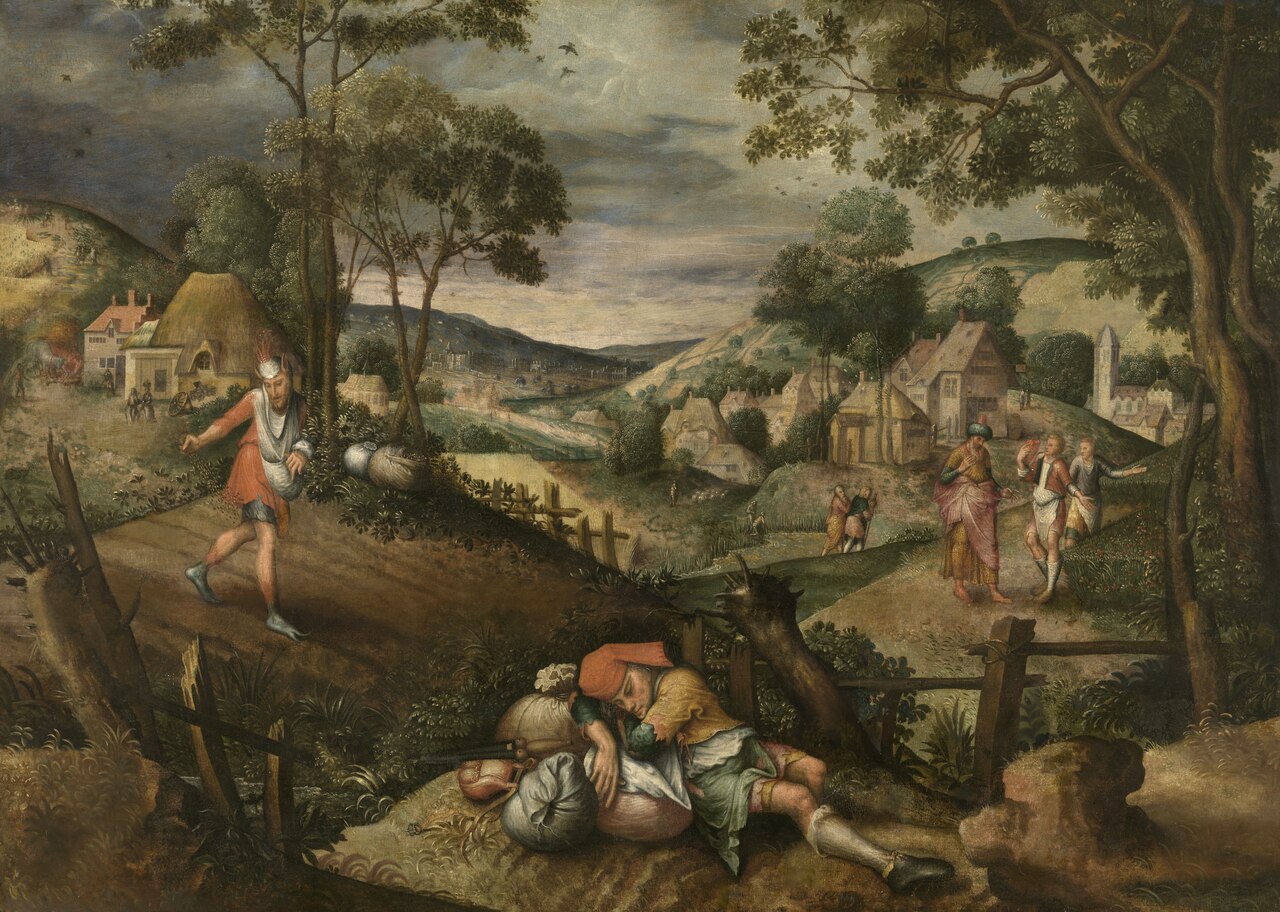
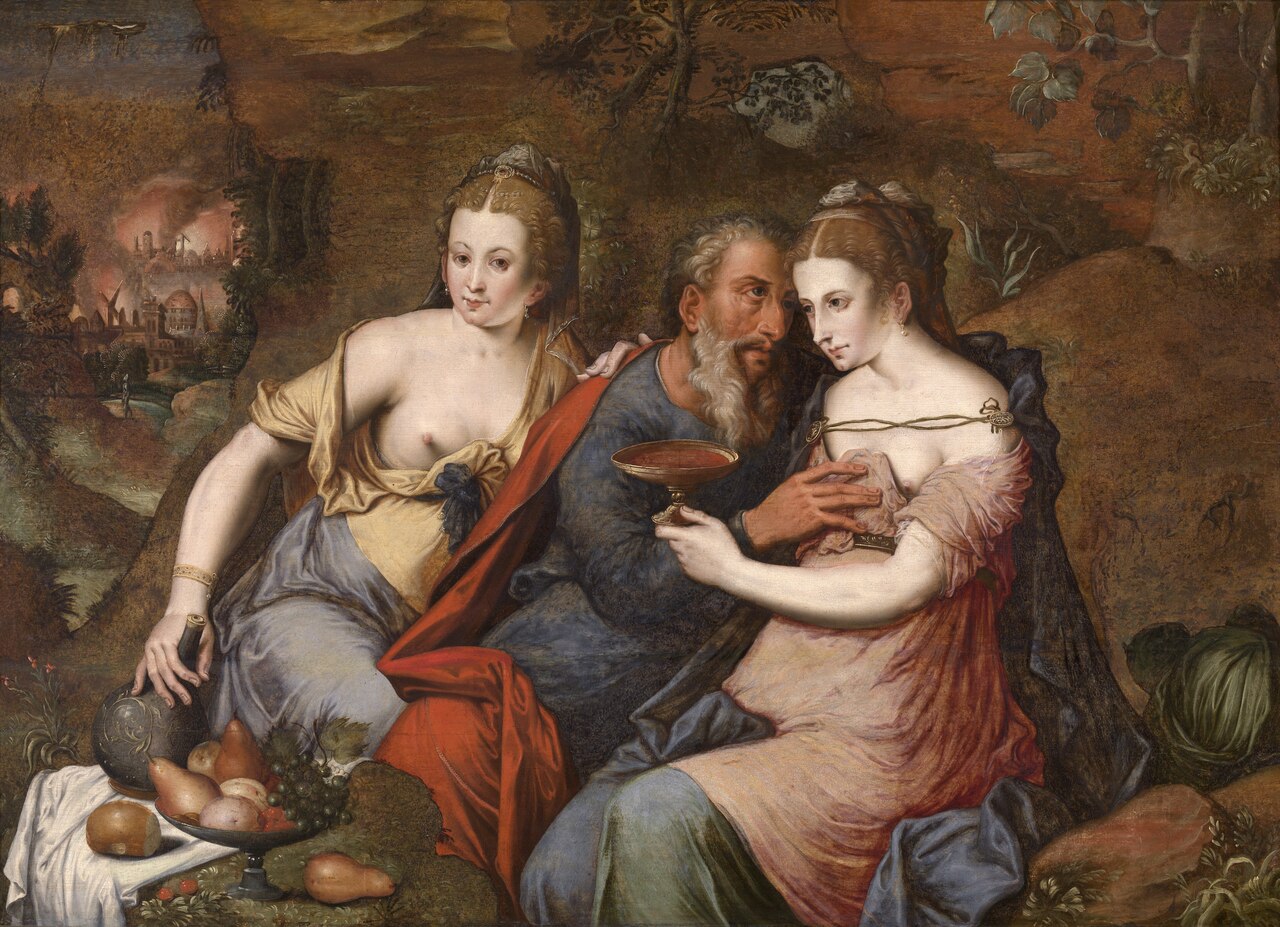
The Sower, Parable of Christ (1563) and Lot and his Daughters (1563) both showcase the artist’s capacity for allegorical storytelling. In the former, the sower is depicted mid‑motion, his figure captured in a moment of spiritual labour, while the background recedes into an idealised pastoral scene. In the latter, the dramatic tension of the biblical episode is heightened by the use of chiaroscuro, with the figures illuminated against a darkened sky.
Story of Tobit (1575), a later work, continues the biblical theme but introduces a more elaborate interior setting, demonstrating the master’s evolving interest in architectural detail. Across these works, the consistent use of rich pigments, intricate drapery, and symbolic elements creates a recognizable visual vocabulary.
Influence and legacy Although the Master of the Prodigal Son’s personal name remains unknown, his workshop’s output left a lasting imprint on Flemish art. The artist’s synthesis of Northern realism with Mannerist elegance influenced younger painters who sought to balance narrative clarity with decorative sophistication. His designs for tapestries and stained‑glass windows contributed to the visual culture of Antwerp’s churches, reinforcing the city’s reputation as a hub of religious art. Modern scholarship continues to attribute anonymous works to his hand based on the stylistic markers outlined above, ensuring that his contributions remain integral to the study of sixteenth‑century Flemish painting. The notname itself serves as a reminder of the collaborative nature of workshop practice in the Renaissance, and the Master of the Prodigal Son stands as a representative figure of an era when artistic identity was often collective rather than individual.
Frequently asked questions
Who was the Master of the Prodigal Son?
The Master of the Prodigal Son was an anonymous Flemish painter and designer active in Antwerp during the mid‑16th century, known for religious, genre and allegorical works.
What style or movement is the artist associated with?
He is generally regarded as a leading practitioner of Flemish Mannerism, blending Northern realism with the exaggerated forms and complex compositions of the style.
What are the most famous works attributed to this master?
Key works include The Dead Christ supported by the Virgin and Saint John (1550), The Return of Tobias (1560), The Sower, Parable of Christ (1563), Lot and his Daughters (1563), and Story of Tobit (1575).
Why does the Master of the Prodigal Son matter in art history?
He exemplifies the high point of Flemish Mannerist painting, ran a large workshop that shaped Antwerp’s visual culture, and his techniques influenced subsequent generations of Northern artists.
How can I recognise a work by the Master of the Prodigal Son?
Look for elongated, theatrical figures, layered glazing that creates luminous colour, intricate textures in fabrics and foliage, crisp outlines, and recurring symbolic motifs such as vines or lilies.