Marie-Suzanne Giroust
1734 – 1772
In short
Marie‑Suzanne Giroust (1734–1772) was a French portrait painter, miniaturist and pastellist, known as Madame Roslin, who exhibited at the Académie royale de peinture et de sculpture. Only a handful of her works survive, including portraits of Jean‑Baptiste Pigalle and members of her own family.
Notable works

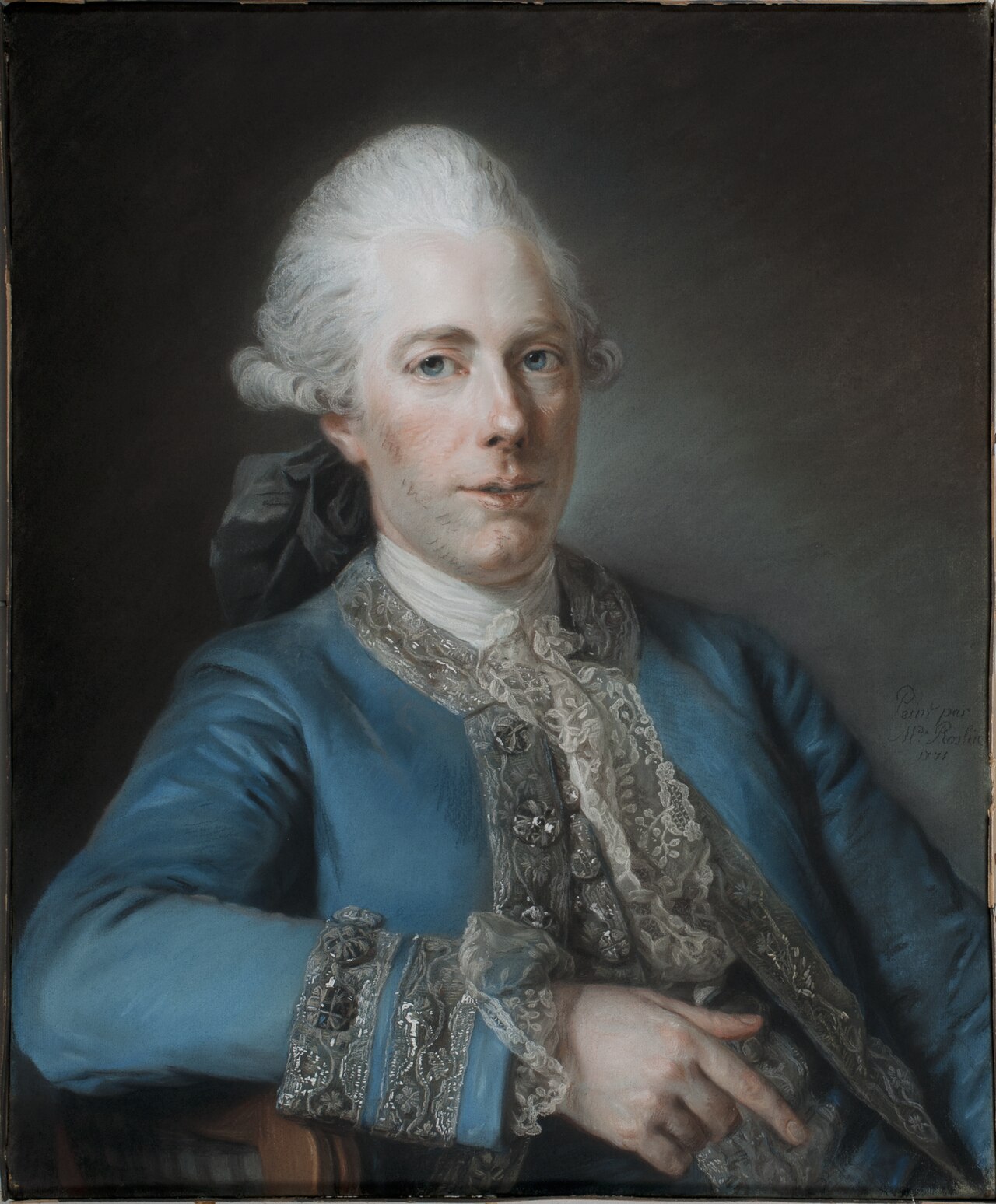

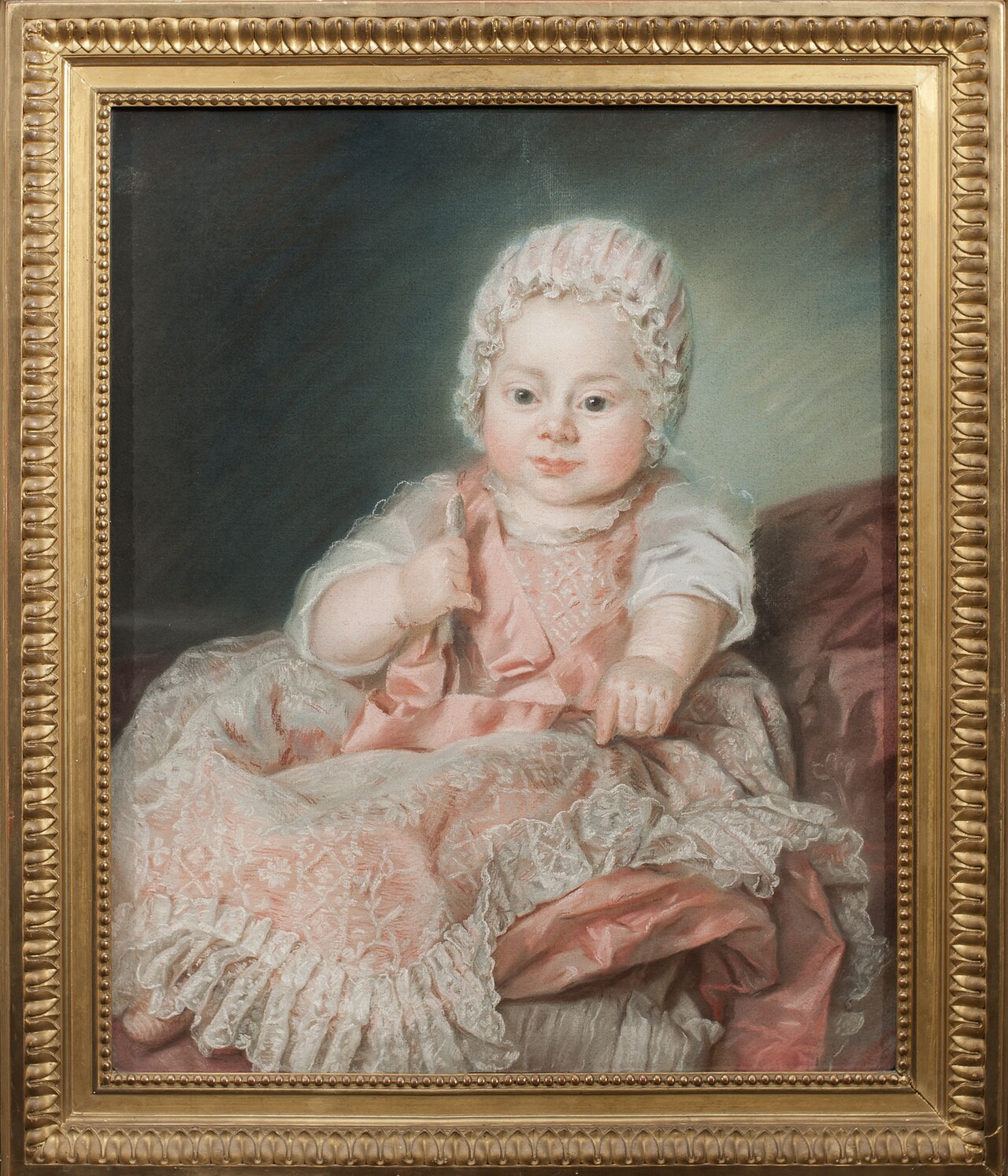
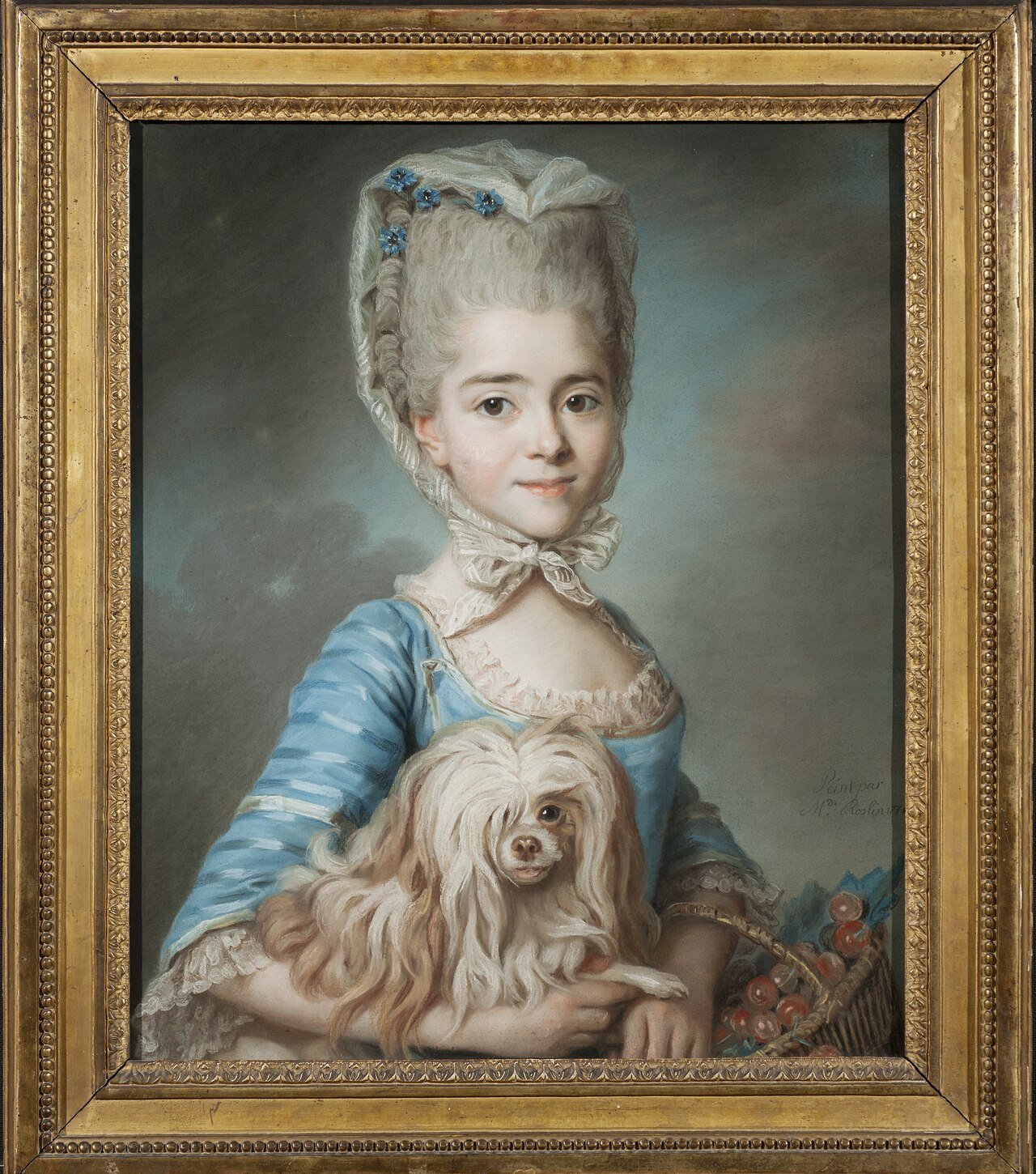
Early life Marie‑Suzanne Giroust was born in Paris in 1734 into a family that valued artistic education. Little is recorded about her parents, but contemporary accounts suggest she received early drawing lessons, likely from a local atelier that taught young women the fundamentals of drawing from plaster casts. By her teenage years she was proficient in both oil and pastel media, a duality that would become a hallmark of her later professional work. Paris in the mid‑eighteenth century offered a vibrant network of academies, salons and private studios, and Giroust took advantage of these opportunities to develop a reputation as a capable portraitist. Her marriage to the painter Alexander Roslin further entrenched her within the artistic circles of the capital.
Career and style Giroust’s public career accelerated after her admission to the Académie royale de peinture et de sculpture, where she was accepted as a full member—a rare honour for a woman at the time. The Académie required a reception piece, and although the exact work submitted is not documented, her accepted oeuvre demonstrates a refined approach to portraiture that blended the French Rococo sensibility with a nascent Neoclassical restraint. Her paintings often feature sitters in elegant attire, rendered with a delicate hand that captures the texture of fabrics and the subtle play of light on skin.
Her style is characterised by a balanced composition: the sitter is usually placed against a restrained background, allowing the viewer’s focus to remain on facial expression and the nuanced rendering of clothing. Giroust favoured a muted palette, employing soft pinks, creams and earth tones, yet she was capable of richer hues when the subject’s status or the occasion justified it. The influence of her husband’s more flamboyant style can be seen in the occasional use of dramatic lighting, but Giroust consistently retained an intimacy and restraint that set her portraits apart from the more theatrical works of her contemporaries.
Throughout the 1760s and early 1770s she received commissions from Parisian aristocracy and emerging bourgeois patrons, many of which were executed in pastel—a medium prized for its immediacy and luminous quality. Her reputation as a miniaturist also grew, and she produced intimate portrait miniatures that were exchanged as personal tokens among the elite. Despite the limited number of surviving works, contemporary exhibition catalogues and correspondence attest to a steady demand for her portraits, confirming her status as a respected professional artist in a male‑dominated field.
Signature techniques Giroust’s technical signature rests on three interrelated practices. First, she employed a layered pastel technique, beginning with a light under‑drawing and building colour in successive, translucent strokes. This method produced a velvety surface that captured subtle skin tones and the sheen of silk or satin. Second, in oil portraits she often used a fine, almost invisible brushwork for facial features, reserving broader, more expressive strokes for the depiction of clothing folds and accessories. This contrast heightened the realism of the sitter while preserving a decorative quality. Third, she paid particular attention to the rendering of eyes, using a combination of sharp highlights and delicate shading to convey both vitality and psychological depth—a hallmark that modern scholars use to attribute unsigned works to her hand.
Major works - **Portrait of the Sculptor Jean‑Baptiste Pigalle, in ceremonial robe of the Saint‑Michel order (1770)** – This oil portrait depicts the renowned sculptor in the ornate robes of the Order of Saint‑Michel. Giroust captures the texture of the velvet robe and the intricate embroidery with meticulous pastel‑like brushwork, while Pigalle’s expressive gaze conveys his artistic confidence. The work exemplifies her ability to blend portraiture with subtle references to the sitter’s professional identity.
- Marie‑Joseph Peyre (1771) – A pastel portrait of the architect Marie‑Joseph Peyre, rendered in a restrained colour scheme of muted blues and greys. The sitter is shown against a plain backdrop, his hands gently folded, suggesting both intellectual poise and modesty. Giroust’s delicate handling of light on the face highlights the emerging Neoclassical taste for simplicity.
- Self‑portrait (circa 1775) – Although dated after her death, this miniature is attributed to Giroust based on stylistic analysis. The portrait presents the artist in a modest dress, holding a palette, with a direct yet unguarded gaze. The work is valued for its insight into her self‑presentation and for the subtle use of pastel to achieve a luminous skin tone.
- Alexandre‑Antoine Roslin, the Artist’s son (1750) – This early work portrays her son at a young age, seated with a book. The composition is intimate, and the pastel medium allows a softness that captures childhood innocence. The careful rendering of the child’s hair and clothing demonstrates Giroust’s skill in handling delicate subjects.
- Augustine Suzanne Roslin, the Artist’s Daughter (1771) – A later pastel portrait of her daughter, shown in a fashionable gown with a lace collar. The work showcases Giroust’s matured technique: the contrast between the crispness of the lace and the softness of the skin is achieved through layered pastel strokes, while the background remains a muted wash that accentuates the figure.
These works collectively illustrate Giroust’s evolution from the Rococo lightness of the 1750s to the more restrained, emotionally resonant style of the early 1770s.
Influence and legacy Marie‑Suzanne Giroust’s legacy rests on her role as one of the few documented women artists who achieved official recognition in the Académie royale during the Ancien Régime. Her portraiture contributed to the development of French pastel painting, a medium that would later be embraced by artists such as Jean‑Claude Richard and Adélaïde Labille‑Guiard. While the scarcity of her surviving oeuvre limits comprehensive assessment, art historians credit her for advancing a subtle, psychologically attuned approach to portraiture that anticipated the more intimate styles of the late eighteenth century.
Her familial connections—marriage to Alexander Roslin and motherhood to two children who appear in her work—provide valuable insight into the domestic dimensions of artistic production in eighteenth‑century Paris. Contemporary scholarship often cites Giroust when discussing the broader network of women artists who navigated the constraints of their era, using miniature and pastel formats to gain patronage.
In recent decades, exhibitions of French women painters have begun to re‑exhibit her works, and digital catalogues now include high‑resolution images of her surviving portraits. This renewed visibility ensures that Giroust’s contribution to French portraiture remains part of the academic discourse, and her technique continues to inform the practice of modern pastel artists seeking historically grounded inspiration.
Frequently asked questions
Who was Marie‑Suzanne Giroust?
Marie‑Suzanne Giroust (1734–1772) was a French portrait painter, miniaturist and pastellist, known as Madame Roslin, who exhibited at the Académie royale de peinture et de sculpture.
What artistic style or movement is she associated with?
Giroust worked in a transitional style that blends Rococo elegance with early Neoclassical restraint, particularly evident in her refined portraiture and pastel technique.
What are her most famous works?
Her most recognised pieces include the portrait of sculptor Jean‑Baptiste Pigalle (1770), the pastel portrait of architect Marie‑Joseph Peyre (1771), and family portraits such as Alexandre‑Antoine Roslin (1750) and Augustine Suzanne Roslin (1771).
Why does she matter in art history?
She is notable as one of the few women admitted to the Académie royale in the 18th century, and her subtle, psychologically nuanced portraits helped shape the development of French pastel painting.
How can I recognise a work by Marie‑Suzanne Giroust?
Look for delicate, layered pastel strokes, a restrained colour palette, finely rendered eyes, and a composition that places the sitter against a simple background, often with finely detailed fabrics.