Marco Benefial
1684 – 1764
In short
Marco Benefial was a 18th-century painter active in Rome, known for his repudiation of Rococo styles and his use of tangible human figures, complex space treatment, and luminous colors. His exact nationality is unknown, but his work had a significant impact on the art world. Benefial's career spanned several decades, from 1684 to 1764.
Notable works

Early life Marco Benefial was born in Rome in 1684, a city that would remain his home and the center of his artistic career. Although his nationality is unknown, it is evident that Rome had a profound impact on his life and work. The city's rich artistic heritage and vibrant cultural scene likely influenced Benefial's early development as an artist.
Career and style Benefial's career was marked by his rejection of the dominant Rococo style, which was characterized by decorative and ornate elements. Instead, he focused on creating works that featured tangible human figures, complex treatment of space, and luminous, warm colors. This approach was a precursor to the Neoclassical movement, which would emerge in the late 18th century. Benefial's style was distinctive and set him apart from his contemporaries, who were largely influenced by Carlo Maratta and his pupils.
Signature techniques Benefial's use of color and light was a hallmark of his style. He employed a range of techniques to create a sense of depth and luminosity in his paintings, including the use of chiaroscuro and sfumato. His figures were often depicted in complex, naturalistic poses, which added to the sense of realism and tension in his works. Benefial's attention to detail and his ability to capture the subtleties of human emotion were also notable features of his technique.
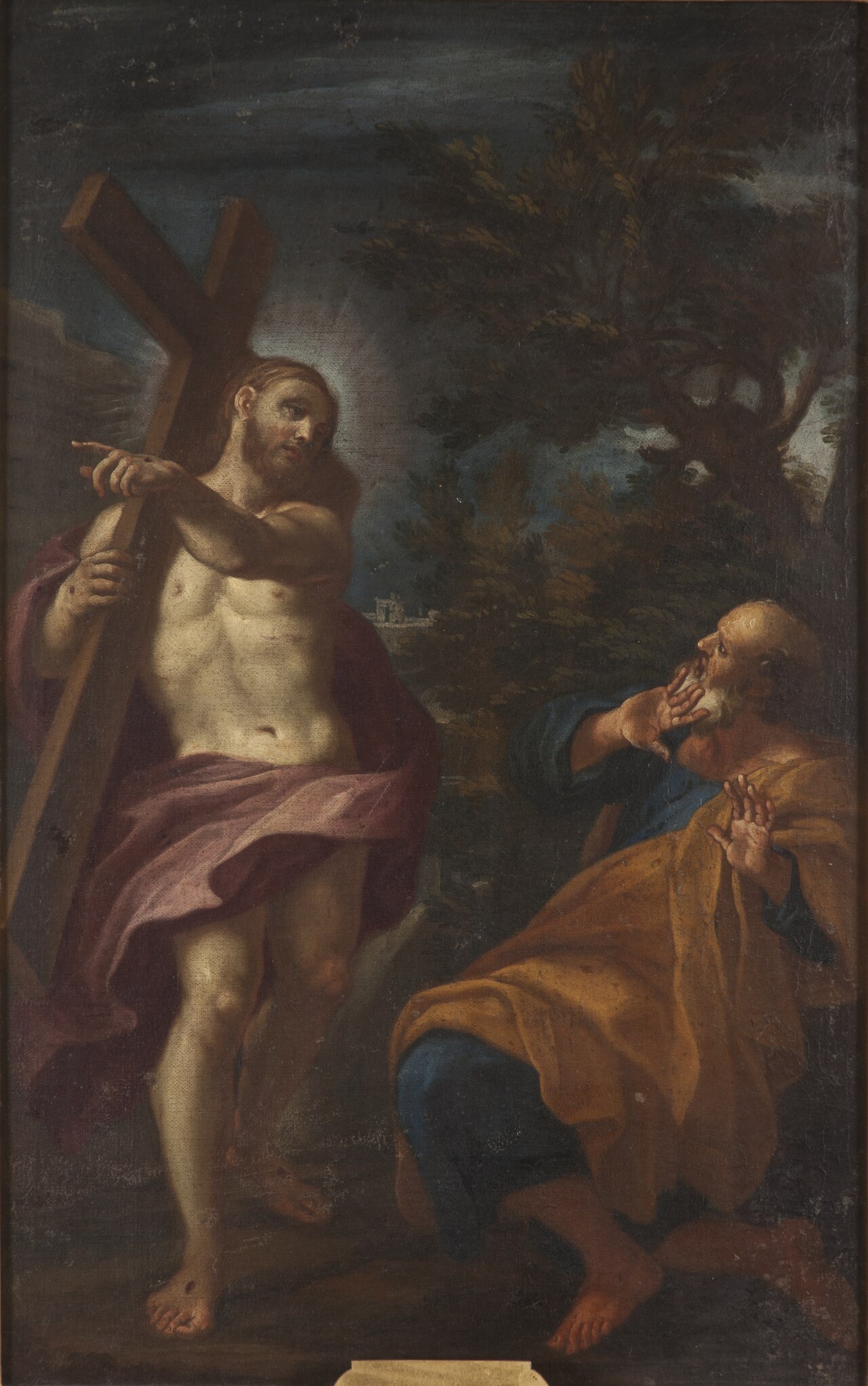
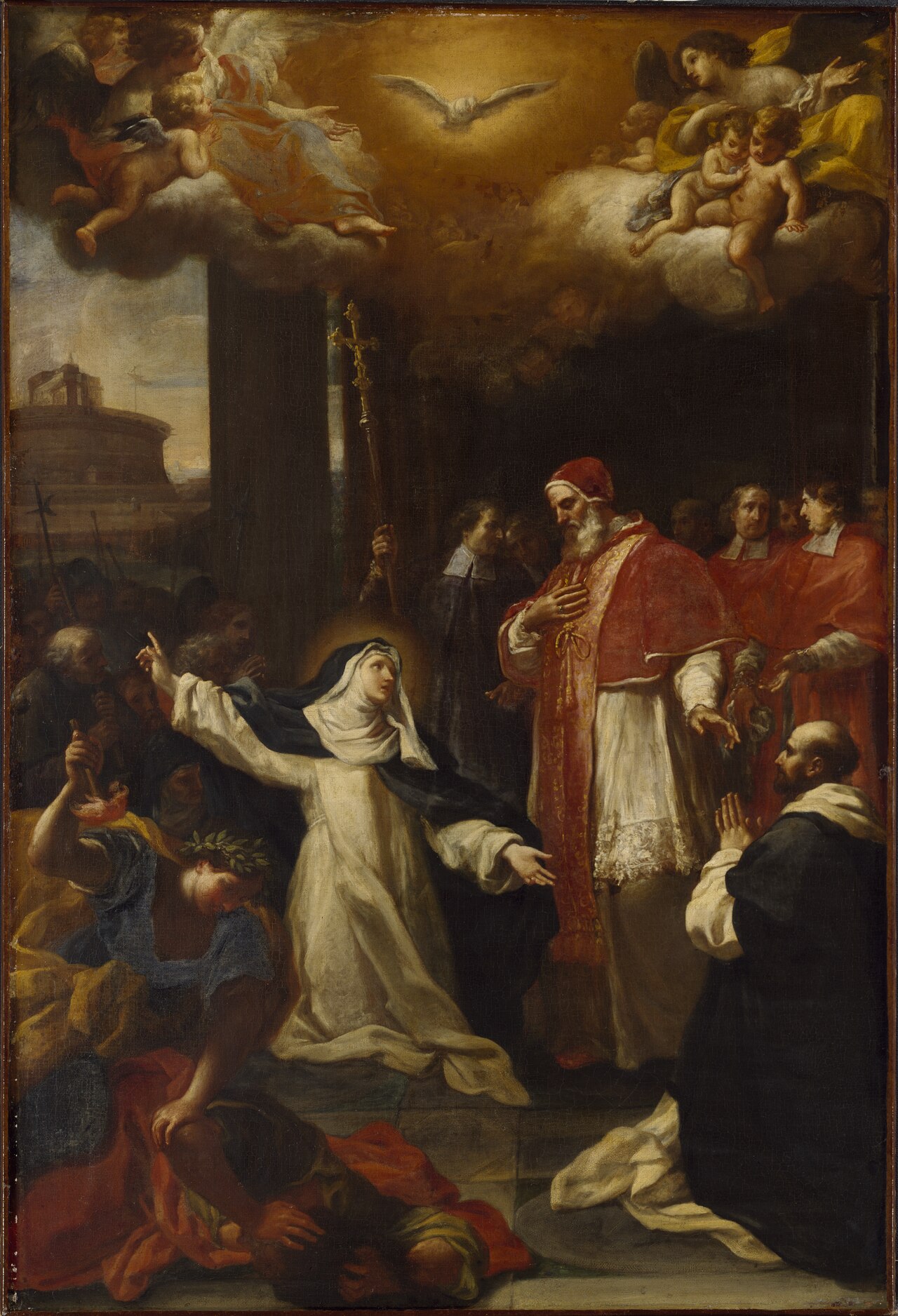
Major works Benefial's oeuvre includes several notable works, such as 'Madonna and Child with St. Vitus and St. Francis' (1740), 'Domine, Quo Vadis?' (1750), and 'St Catherine Trying to persuade the Pope to move from Avignon to Rome'. These paintings showcase Benefial's mastery of composition, color, and technique. 'Madonna and Child with St. Vitus and St. Francis' is a beautiful example of Benefial's ability to balance warmth and intimacy with a sense of grandeur and drama. 'Domine, Quo Vadis?' is a powerful and evocative work that demonstrates Benefial's skill in capturing the subtleties of human emotion. 'St Catherine Trying to persuade the Pope to move from Avignon to Rome' is a testament to Benefial's ability to convey complex narratives through his art.
Influence and legacy Benefial's influence on the art world was significant, despite some of his works being misattributed to other artists. His rejection of Rococo styles and his emphasis on realism and naturalism paved the way for the Neoclassical movement. Benefial's use of color and light also had a lasting impact on the development of Western art. Today, his paintings are recognized as important examples of 18th-century art, and his legacy continues to inspire artists and art lovers alike.
Frequently asked questions
Who was Marco Benefial?
Marco Benefial was a painter active in Rome during the 18th century, known for his rejection of Rococo styles and his emphasis on realism and naturalism.
What style or movement was Marco Benefial associated with?
Marco Benefial's style was a precursor to the Neoclassical movement, although his exact association with a particular movement is unknown.
What are some of Marco Benefial's most famous works?
Some of Marco Benefial's most famous works include 'Madonna and Child with St. Vitus and St. Francis', 'Domine, Quo Vadis?', and 'St Catherine Trying to persuade the Pope to move from Avignon to Rome'.
Why is Marco Benefial important?
Marco Benefial is important because he paved the way for the Neoclassical movement and had a lasting impact on the development of Western art, particularly in his use of color and light.
How can I recognize a Marco Benefial painting?
Marco Benefial's paintings can be recognized by their use of tangible human figures, complex treatment of space, and luminous, warm colors, as well as their emphasis on realism and naturalism.