Jules Schmalzigaug
1882 – 1917
In short
Jules Schmalzigaug was a Belgian painter born in 1882 in Antwerp and died in 1917 in The Hague. He was associated with the futurist movement, capturing the essence of modernity and speed in his works. Schmalzigaug's life was marked by a brief yet impactful career, leaving behind a legacy of vibrant and dynamic paintings.
Notable works
Early life Jules Schmalzigaug was born in 1882 in Antwerp, Belgium, a city known for its rich artistic heritage. Although specific details about his early life and training are scarce, it is likely that Schmalzigaug was exposed to the city's thriving art scene from a young age. This environment would have played a significant role in shaping his artistic vision and style.
Career and style Schmalzigaug's career as a painter was marked by his association with the futurist movement, a style that emphasized the depiction of modern life, technology, and the dynamism of the contemporary world. His works often featured bold lines, vibrant colors, and a sense of energy and movement. Although the exact nature of his involvement with futurism is unclear, his paintings reflect the movement's core principles, showcasing the intersection of art and technology.
Signature techniques Schmalzigaug's signature techniques were characterized by the use of bold brushstrokes, vivid colors, and a focus on capturing the essence of modern life. His paintings often featured abstracted forms and geometric shapes, which added to the sense of dynamism and energy. The artist's ability to balance composition and color was a hallmark of his style, creating visually striking works that continue to captivate audiences.
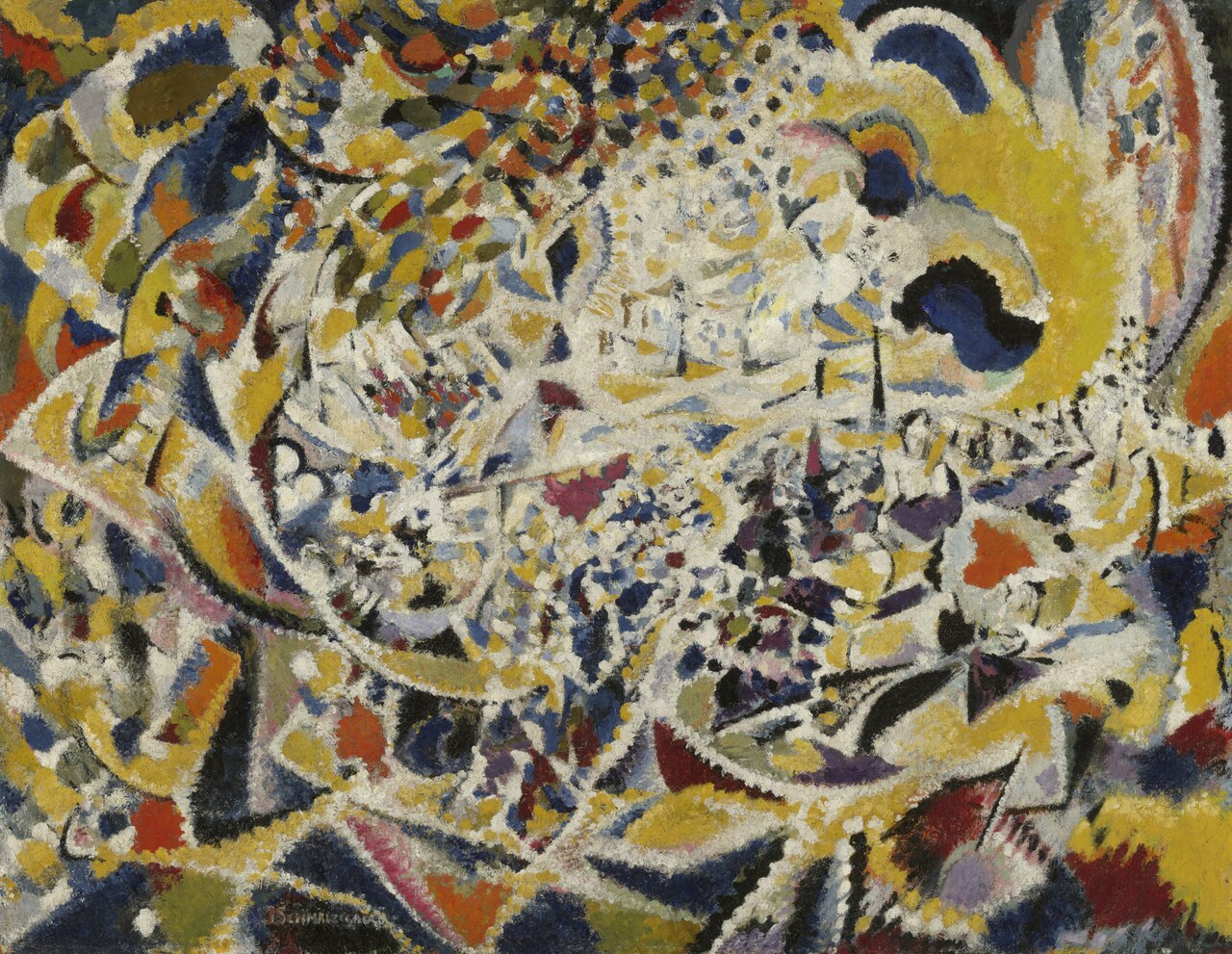
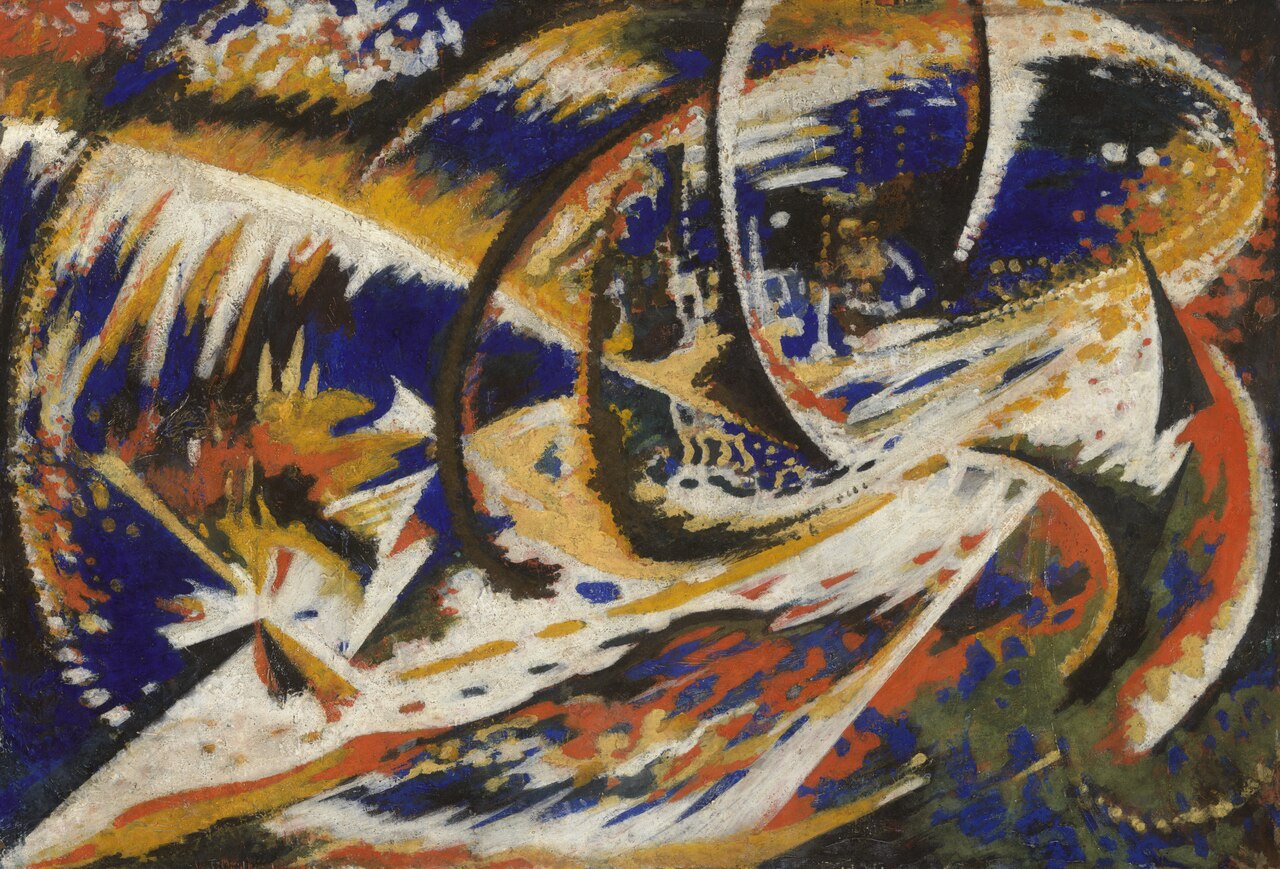
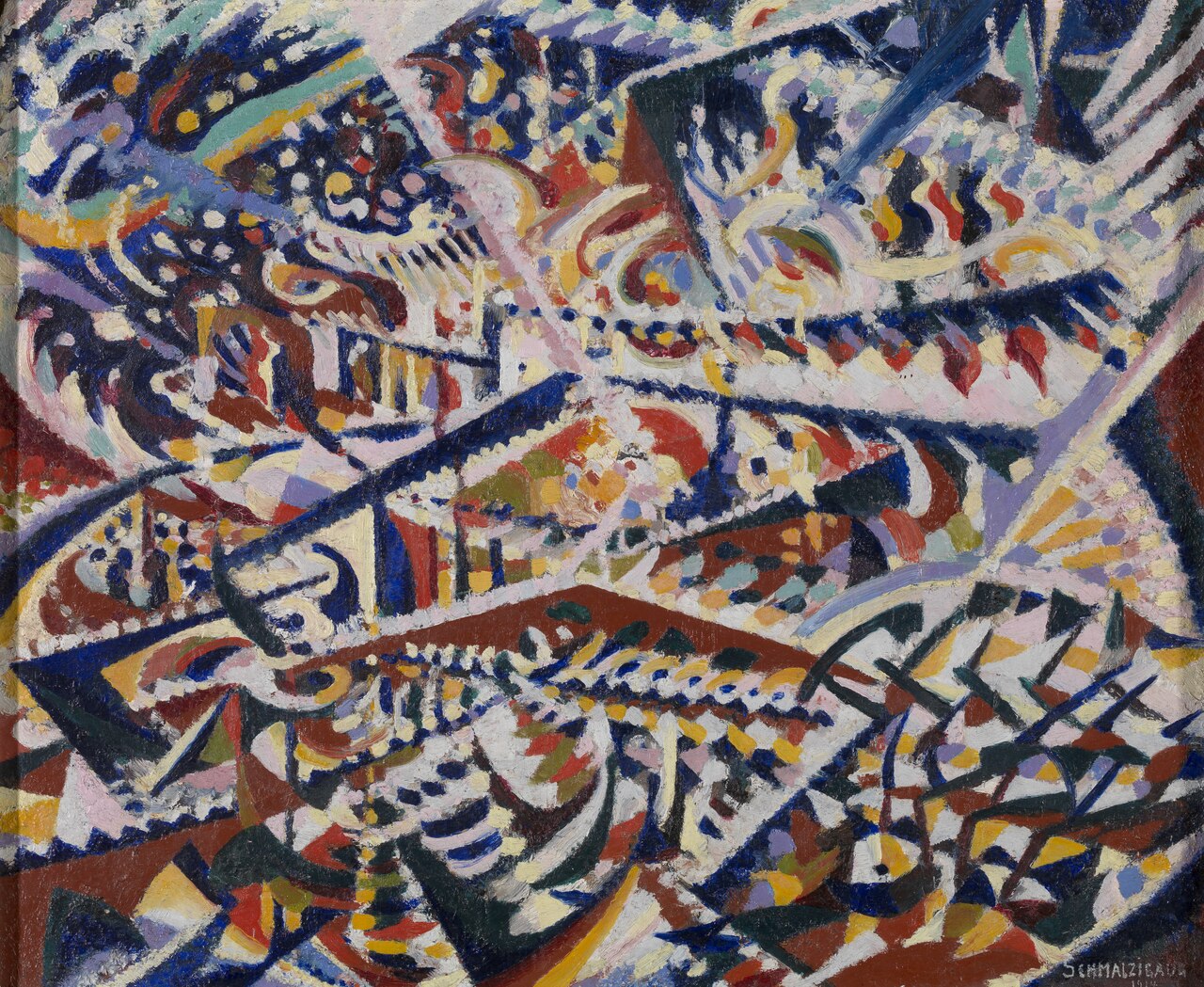
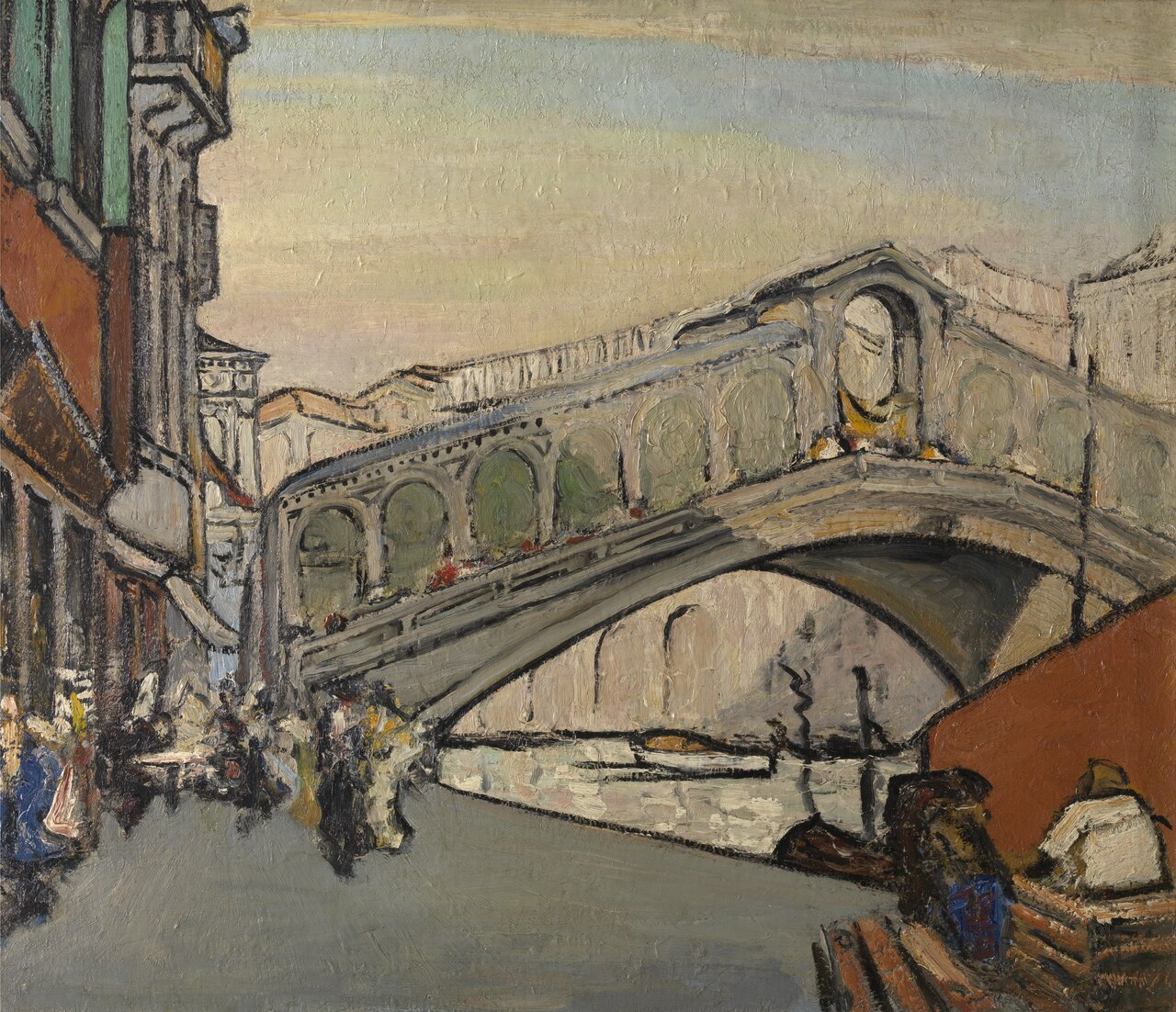
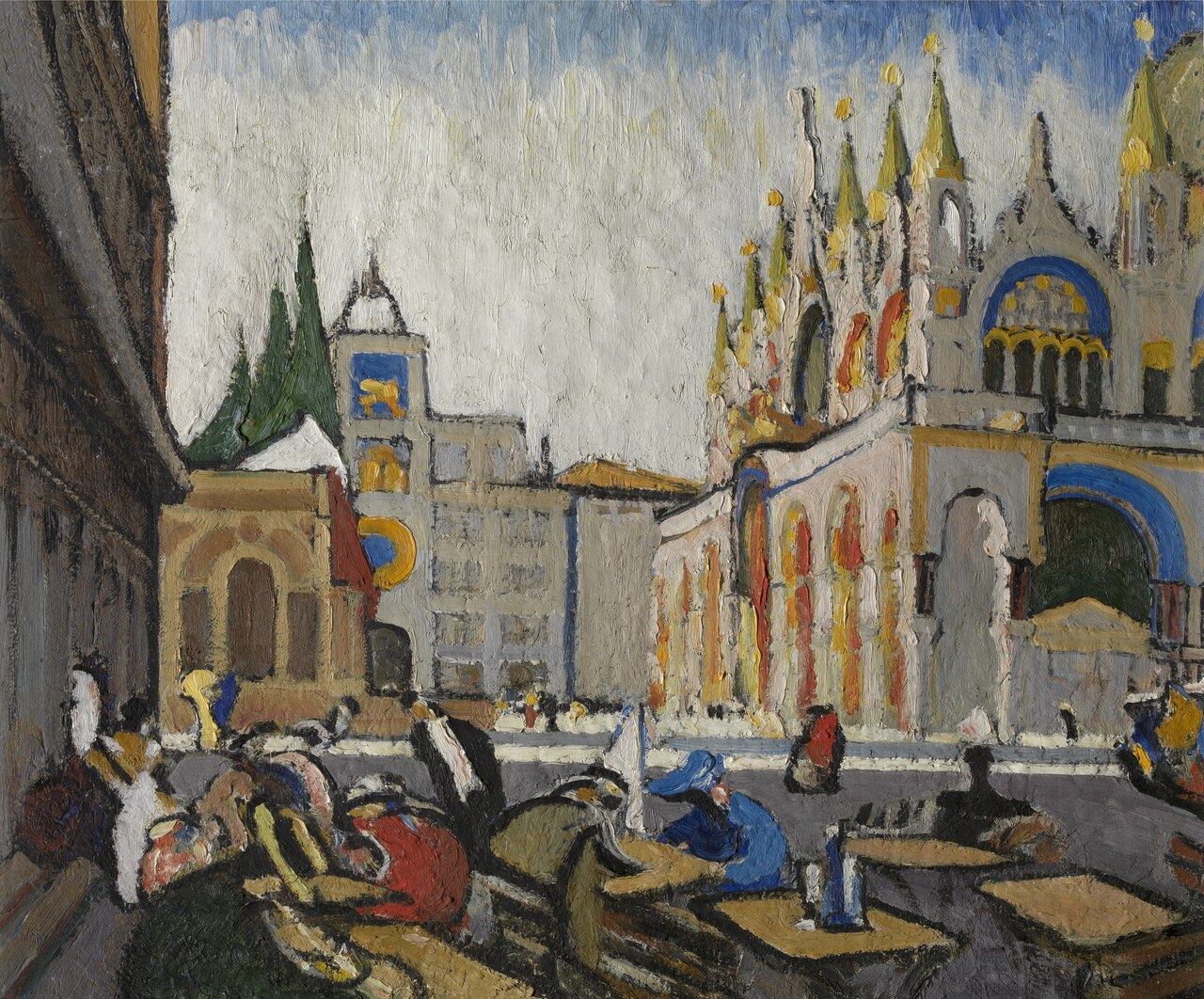
Major works Some of Schmalzigaug's most notable works include 'Light' (1914), 'Speed' (1914), 'Impression in a Dance Hall' (1914), 'The Rialto Bridge in Venice' (1913), and 'San Marco from the Piazetta' (1913). These paintings demonstrate the artist's fascination with modernity and his ability to capture the essence of urban life. 'Light' and 'Speed' are exemplary of his futurist style, while 'Impression in a Dance Hall' showcases his ability to depict the energy of modern entertainment. The two Venetian scenes, 'The Rialto Bridge in Venice' and 'San Marco from the Piazetta', highlight Schmalzigaug's skill in capturing the beauty of historical architecture in a modern context.
Influence and legacy Despite his relatively short career, Schmalzigaug's contribution to the development of futurist art in Belgium is significant. His works continue to inspire artists and art historians alike, offering a unique perspective on the intersection of technology and art in the early 20th century. Schmalzigaug's legacy serves as a reminder of the importance of innovation and experimentation in the pursuit of artistic expression.
Frequently asked questions
Who was Jules Schmalzigaug?
Jules Schmalzigaug was a Belgian painter associated with the futurist movement, known for his dynamic and vibrant works that captured the essence of modern life.
What style or movement was Schmalzigaug associated with?
Schmalzigaug was associated with the futurist movement, which emphasized the depiction of modern life, technology, and dynamism.
What are some of Schmalzigaug's most famous works?
Some of his most notable works include 'Light', 'Speed', 'Impression in a Dance Hall', 'The Rialto Bridge in Venice', and 'San Marco from the Piazetta'.
Why is Schmalzigaug's work important?
Schmalzigaug's work is important because it contributes to the development of futurist art in Belgium and offers a unique perspective on the intersection of technology and art in the early 20th century.
How can I recognize Schmalzigaug's work?
Schmalzigaug's work can be recognized by its bold lines, vibrant colors, and depiction of modern life, often featuring abstracted forms and geometric shapes that convey a sense of energy and dynamism.