Joseph Aved
1702 – 1766
In short
Joseph Aved (1702–1766) was a French Rococo portrait painter, born in Douai and active in Paris. He is noted for his elegant aristocratic portraits, including depictions of Prince William IV of Orange, Count Carl Gustaf Tessin, and composer Jean‑Philippe Rameau.
Notable works

_-_001.jpg)

_-_461_-_Mauritshuis.jpg)
Early life Joseph Aved was born in 1702 in the northern French town of Douai, a region that had long been a crossroads of French and Flemish artistic influences. Little is recorded about his family, but contemporary accounts indicate that his early talent was recognised by local patrons, prompting a move to Paris in his teens. In the capital, Aved entered the competitive world of academic art, likely receiving training in the studios of established portraitists and absorbing the prevailing academic conventions of the French Academy. This formative period equipped him with the technical proficiency and social acumen needed to navigate the elite circles that would later become his clientele.
Career and style By the 1730s Aved had established himself as a portraitist of choice for Parisian aristocracy and foreign dignitaries. His career flourished under the reign of Louis XV, a period marked by the rise of the Rococo style—characterised by lightness, asymmetry, and a decorative elegance. Aved’s portraits embody these qualities, blending a refined, almost lyrical softness with a keen eye for the social stature of his sitters. He cultivated a reputation for capturing the delicate interplay of fashion, posture, and personality, making his works coveted as symbols of status and taste.
Aved’s clientele extended beyond French nobility. He painted members of European courts, such as the Dutch Prince William IV of Orange, and Swedish diplomat Count Carl Gustaf Tessin. In 1742 he was commissioned to portray Yirmisekizzade Mehmed Said Efendi, the Ottoman ambassador to France, demonstrating his ability to navigate cross‑cultural representation while maintaining the Rococo aesthetic.
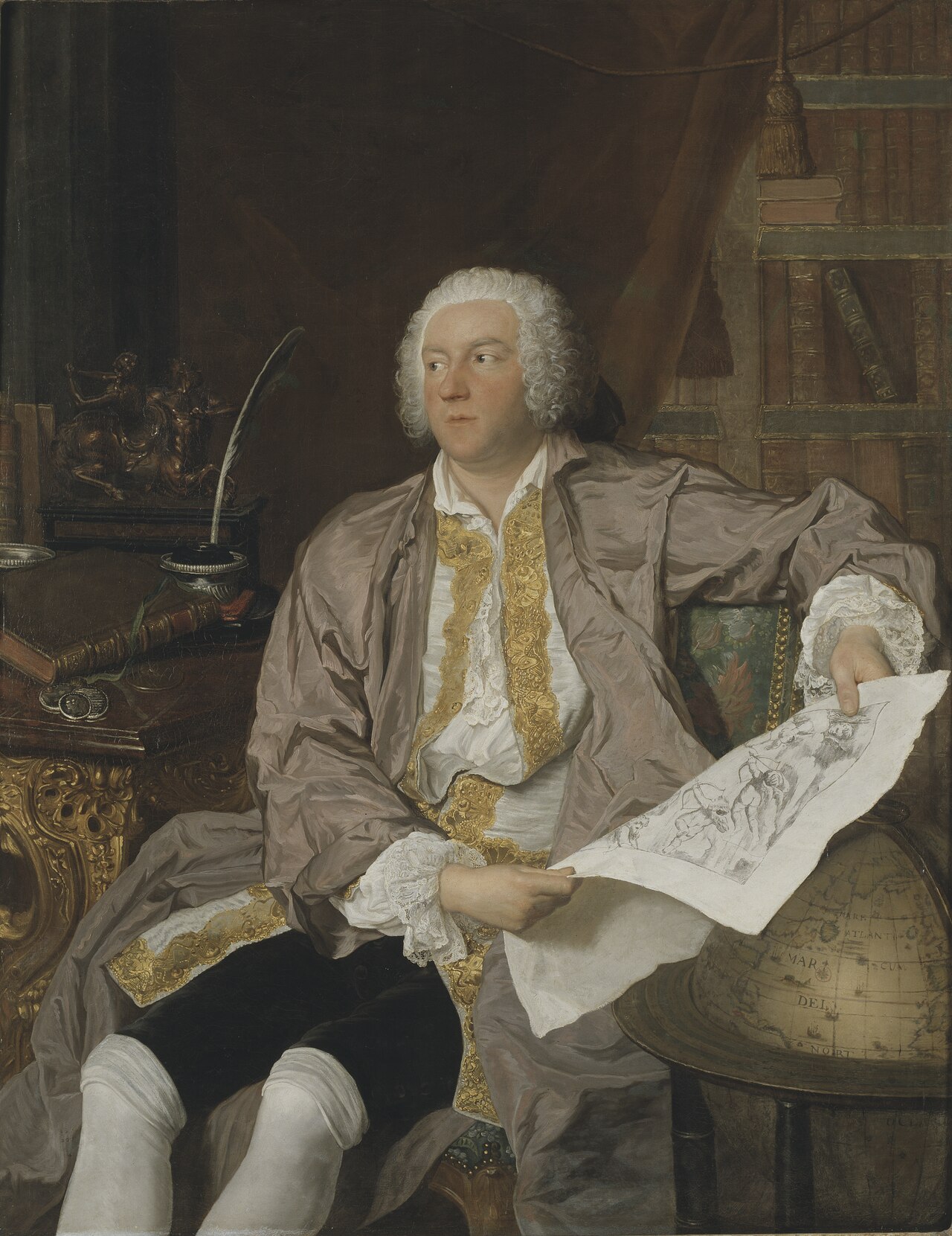
Signature techniques Aved’s technique is distinguished by several recurring elements. He employed a restrained palette of pastel hues—soft pinks, ivory whites, and muted blues—that softened the skin tones of his subjects and highlighted the sumptuous fabrics of contemporary dress. His brushwork is fine and controlled, allowing for delicate rendering of textures such as silk, lace, and gilt embroidery.
A hallmark of his approach is the subtle modelling of the face, achieved through layered glazing that creates a luminous, almost porcelain quality. He often placed sitters against a neutral or lightly decorated background, ensuring that attention remained on the figure’s expression and attire. Light is handled with a gentle, diffused quality, illuminating the sitter’s features without harsh contrasts, thereby reinforcing the Rococo sensibility of grace and refinement.
Major works Aved’s oeuvre includes several celebrated portraits that exemplify his mastery of the Rococo portrait genre.
- Portrait of William IV (1711–1751), Prince of Orange (1751) – This full‑length portrait captures the Dutch prince in regal attire, emphasizing his status through rich fabrics and an elegant pose. The work’s composition balances the sitter’s authority with the delicate tonal harmony typical of Aved’s style.
- Count Carl Gustaf Tessin (1740) – Rendered during the count’s diplomatic mission to France, this portrait presents the Swedish nobleman in sumptuous court dress, his confident gaze reflecting both personal charisma and the diplomatic gravitas of his role.
- Portrait of Jean‑Philippe Rameau (1750) – Aved portrayed the celebrated composer with a thoughtful expression, surrounded by subtle musical motifs that hint at Rameau’s artistic achievements while maintaining the portrait’s overall elegance.
- Madame Crozat (1741) – This portrait of a prominent Parisian socialite showcases Aved’s skill in rendering delicate fabrics and the sitter’s refined poise. The gentle lighting and soft colour palette enhance the sense of aristocratic femininity.
- Posthumous Portrait of William IV (1711‑1751) (1751) – Created after the prince’s death, this work serves as a commemorative piece, preserving the dignified likeness of the Dutch monarch with the same delicate treatment evident in his earlier portrait.
These works, together with his lesser‑known commissions, illustrate Aved’s capacity to blend personal likeness with the decorative ideals of his era.
Influence and legacy Joseph Aved occupies a prominent place among the leading Rococo portraitists of mid‑eighteenth‑century Paris. His ability to fuse the courtly elegance of the French aristocracy with the nuanced demands of foreign patrons set a standard for portraiture that influenced contemporaries such as François Boucher and later artists like Élisabeth Vigée‑Le Brun. Aved’s careful attention to texture, colour, and the psychological presence of his sitters contributed to a more intimate, almost conversational quality in portraiture, a legacy that persisted into the neoclassical period.
Beyond his immediate impact, Aved’s works continue to be valued by scholars and collectors for their insight into the social hierarchies and aesthetic preferences of the Rococo age. His portraits serve as visual documents of 18th‑century fashion, diplomatic relations, and the cultural milieu of Louis XV’s court, ensuring his enduring relevance in art‑historical research and museum collections worldwide.
Frequently asked questions
Who was Joseph Aved?
Joseph Aved (1702–1766) was a French Rococo portrait painter, born in Douai and active in Paris, known for his elegant depictions of aristocrats and diplomats.
What artistic movement did he belong to?
Aved worked within the Rococo movement, characterised by light, decorative elegance and a refined palette.
What are his most famous works?
His most celebrated portraits include the 1751 portrait of Prince William IV of Orange, the 1740 portrait of Count Carl Gustaf Tessin, the 1750 portrait of composer Jean‑Philippe Rameau, the 1741 portrait of Madame Crozat, and the posthumous portrait of William IV.
Why is Joseph Aved important in art history?
Aved is significant for being one of the leading Rococo portraitists in Paris, influencing later portrait painters and providing a visual record of 18th‑century aristocratic culture.
How can I recognise a Joseph Aved painting?
Look for his characteristic soft pastel palette, delicate glazing that gives a porcelain glow to skin, fine brushwork on luxurious fabrics, and a neutral background that emphasises the sitter’s expression and attire.