Josef Lies
1821 – 1865
In short
Josef Lies (1821–1865) was a Belgian Romantic painter, draughtsman and engraver from Antwerp, known for history paintings, landscapes, genre scenes and portraits, and enjoyed a European reputation during his lifetime.
Notable works
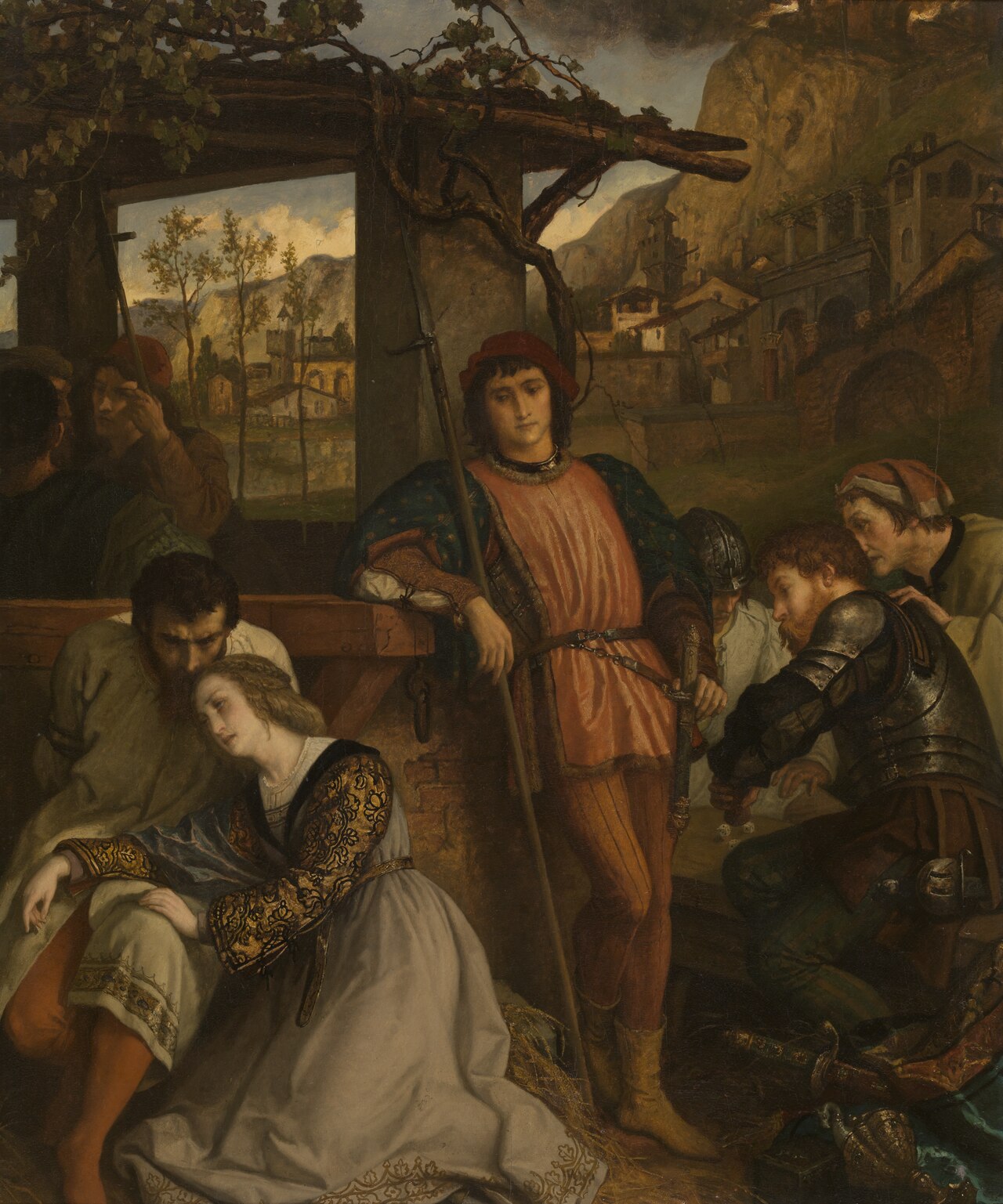
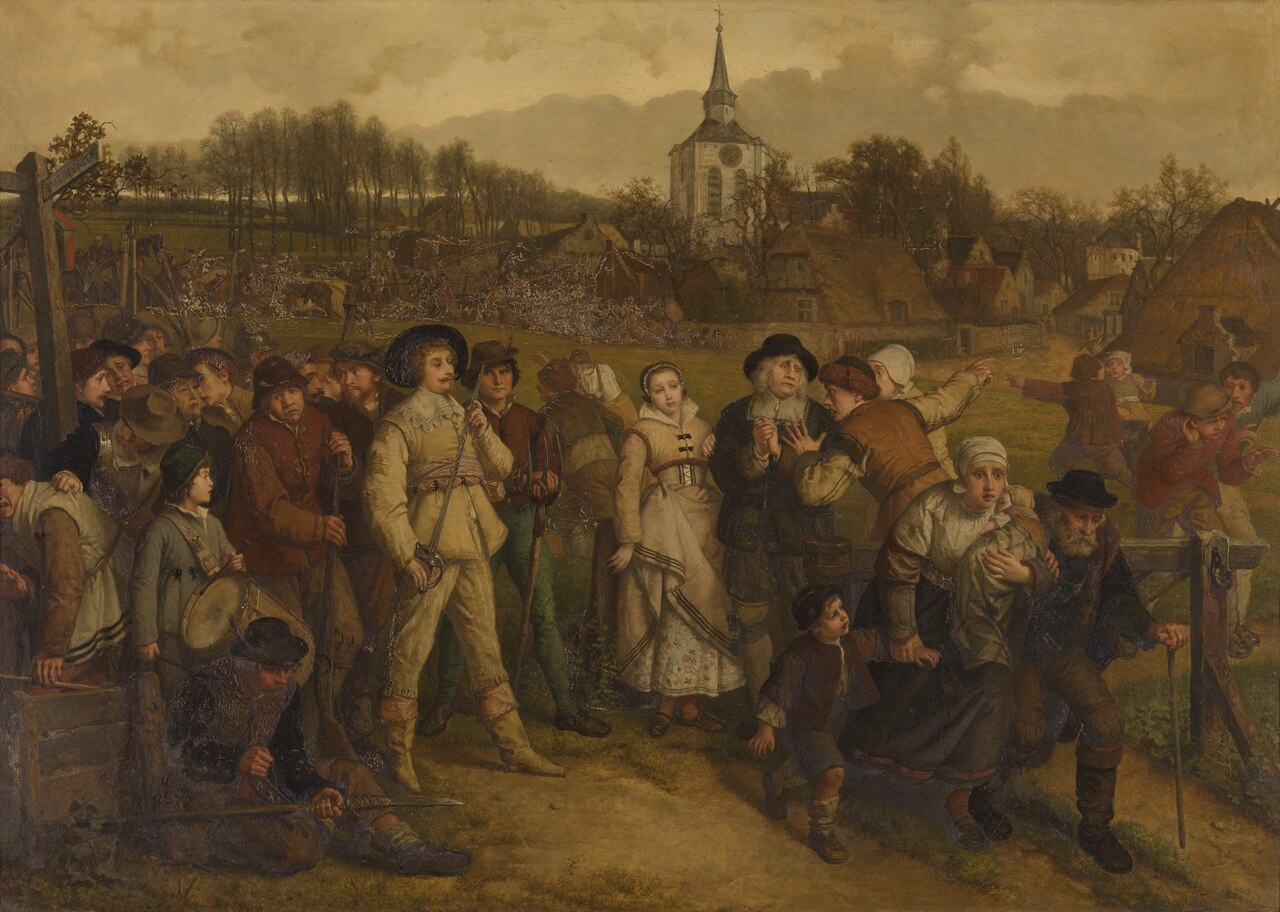


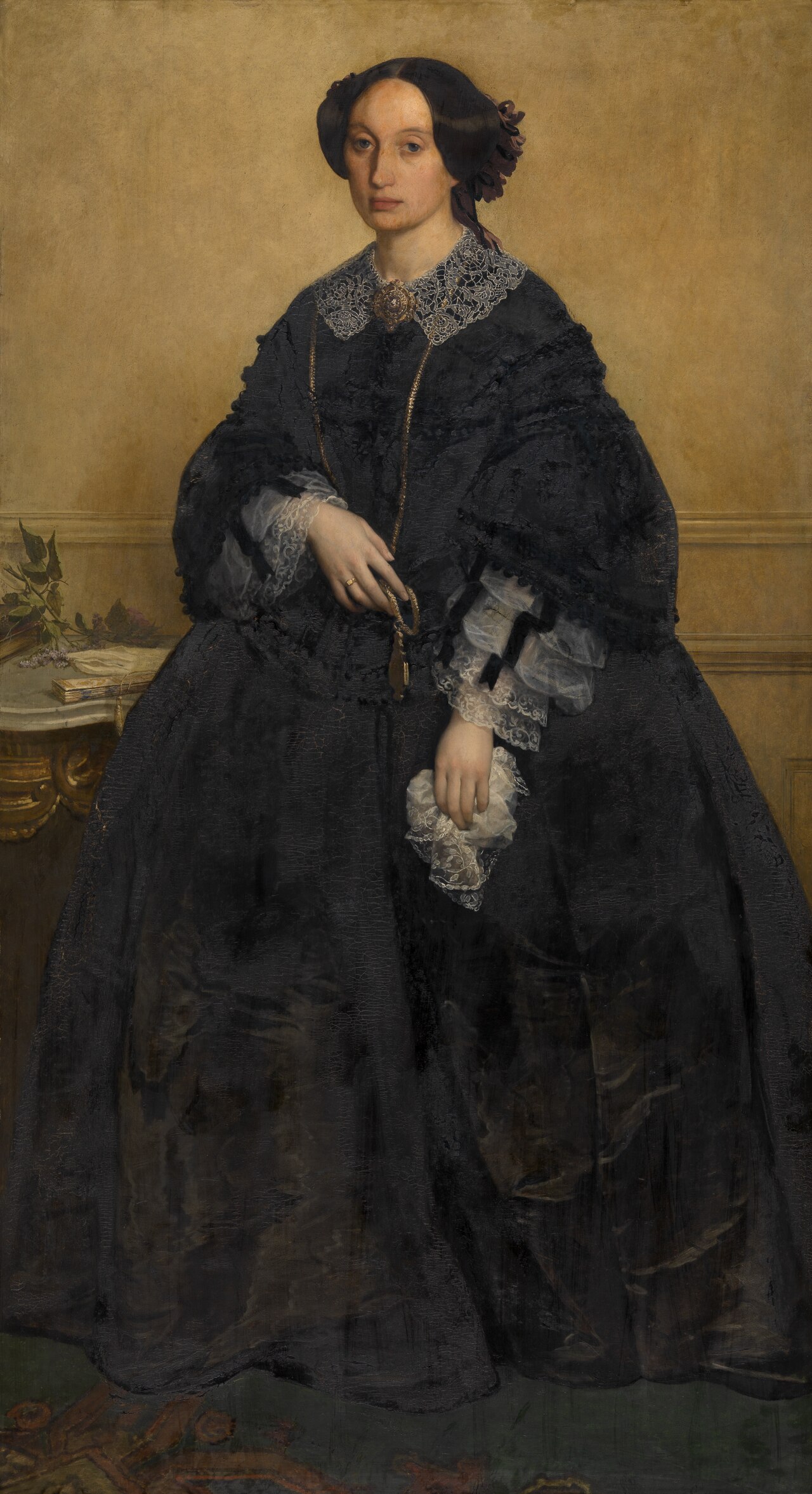
Early life Joseph Henri Hubert Lies was born in 1821 in Antwerp, a city that was at the time a vibrant centre of artistic activity in the Southern Netherlands. His family was comfortably middle‑class, allowing him to pursue a formal artistic education. Lies entered the Royal Academy of Fine Arts in Antwerp, where he received training in drawing, composition and the techniques of oil painting and engraving. The Academy’s curriculum was steeped in the academic tradition but also exposed students to the emerging Romantic sensibility that was spreading across Europe. Lies’ early exposure to the works of Flemish masters such as Rubens and van Dyck, together with the dramatic narrative style of French Romantic painters, helped shape his artistic outlook.
Career and style After completing his studies, Lies established himself as a versatile professional artist. He worked across a wide range of genres, producing history paintings that often depicted dramatic moments from contemporary or classical sources, as well as landscapes that combined careful observation with a lyrical mood. Portraiture formed another important part of his output, with commissions from the Belgian bourgeoisie and occasional aristocratic patrons. Throughout his career Lies remained attached to the Romantic ethos: a preference for emotionally charged subject matter, a focus on the heroic or tragic, and an emphasis on the power of nature to reflect human experience.
Lies’ style can be characterised as a synthesis of academic rigour and Romantic expressiveness. His compositions are typically well‑balanced, employing clear focal points and a disciplined handling of perspective, yet the colour palette often leans toward deep ochres, muted blues and occasional bursts of vermilion to heighten drama. The influence of contemporary European art movements—particularly the German Romantic school and the French historicist tradition—can be discerned in his work, though Lies never aligned himself with a specific avant‑garde group. He remained an independent practitioner, navigating the expectations of academic institutions while pursuing personal artistic interests.
Signature techniques Lies was equally proficient as a painter and an engraver. In oil, he favoured a layered approach: an underpainting in earth tones to establish tonal values, followed by successive glazes that enriched colour depth. This method allowed him to achieve a subtle modelling of flesh and fabric, and to render atmospheric effects such as mist or distant light with a soft, almost luminous quality.
In his draughtsmanship, Lies demonstrated a meticulous line work that combined precision with a sense of movement. His drawings often begin with rapid, confident sketches that capture the overall gesture of a figure or landscape, which he later refines with hatching and cross‑hatching to suggest volume and texture. As an engraver, he employed copperplate techniques, using fine lines to convey delicate details while reserving broader, deeper cuts for dramatic contrast. This dual expertise in drawing and printmaking contributed to the clarity of his compositional structures and the reproducibility of his works for a wider audience.
Major works Lies’ oeuvre includes several works that exemplify his Romantic preoccupations and technical skill. **"The enemy approaches" (1857)** portrays a tense moment on a battlefield, with a gathering of soldiers silhouetted against a darkening sky. The composition uses a diagonal thrust to convey imminent danger, while the muted colour scheme underscores the somber mood.
"The disasters of war" (1859) expands on similar themes, presenting the aftermath of conflict. Here Lies juxtaposes ruined architecture with grieving figures, employing chiaroscuro to highlight the human cost of violence. The painting’s narrative clarity made it a popular subject for contemporary exhibitions and contributed to Lies’ reputation as a painter of moral and historical significance.
In "Albrecht Dürer descends the Rhine" (1855), Lies turns to a historical anecdote, depicting the famed German artist navigating the river after returning from Italy. The work combines meticulous detail—particularly in the rendering of Dürer’s clothing and the river’s surface—with a Romantic sense of adventure, celebrating artistic pilgrimage.
"Mrs. Henri Leys‑Van Haren" (1857) is a portrait that demonstrates Lies’ capacity for nuanced character study. The sitter is rendered with a calm dignity; subtle modelling of the face and a restrained background keep the focus on the subject’s expression and attire, reflecting Lies’ skill in capturing both likeness and inner life.
Finally, "A contrast" (1862) explores visual opposition through the juxtaposition of light and shadow, calm and turbulence. Though less narrative than his historical paintings, the work underscores Lies’ interest in the formal possibilities of colour and composition, and it stands as an example of his later, more experimental phase.
These works, together with a body of smaller genre scenes and landscape sketches, illustrate Lies’ commitment to storytelling, technical mastery and the Romantic ideal of art as a conduit for emotional and moral reflection.
Influence and legacy During his lifetime Josef Lies enjoyed a reputation that extended beyond Belgium; his works were exhibited in Paris, Berlin and London, and he received commendations from contemporary critics who praised his narrative vigor and technical competence. While he did not found a school or join a formal movement, his ability to blend academic discipline with Romantic sensibility provided a model for younger Belgian artists navigating the shifting artistic climate of the mid‑nineteenth century.
After his death in Antwerp in 1865, Lies’ name gradually receded from the mainstream art historical narrative, partly because the rise of Realism and later Impressionism eclipsed Romantic subjects. Nevertheless, his paintings remain valuable for scholars studying the transition from classical academic painting to more emotive, historically engaged art in Belgium. Several of his works are held in public collections, including the Royal Museum of Fine Arts in Antwerp, where they continue to be displayed as exemplars of Belgian Romanticism.
In recent decades, art historians have revisited Lies’ contributions, recognising his role in the broader European Romantic movement and his skill in integrating narrative depth with technical refinement. His prints, in particular, are appreciated for their fine line work and for expanding the reach of his visual language beyond the confines of the canvas. Today, Lies is regarded as a competent, if not revolutionary, figure whose oeuvre offers insight into the artistic currents of his era and the cultural milieu of nineteenth‑century Belgium.
Frequently asked questions
Who was Josef Lies?
Josef Lies (1821–1865) was a Belgian Romantic painter, draughtsman and engraver from Antwerp, known for history paintings, landscapes, genre scenes and portraits.
What artistic style or movement is he associated with?
He is generally classified within the Romantic movement, combining academic technique with emotionally charged, dramatic subject matter.
What are his most famous works?
Key works include "The enemy approaches" (1857), "The disasters of war" (1859), "Albrecht Dürer descends the Rhine" (1855), "Mrs. Henri Leys‑Van Haren" (1857) and "A contrast" (1862).
Why does Josef Lies matter in art history?
Lies exemplifies the Belgian Romantic tradition, enjoyed a European reputation in his lifetime, and his blend of narrative depth with technical skill provides insight into mid‑nineteenth‑century artistic developments.
How can I recognise a Josef Lies painting?
Look for balanced compositions, a muted yet rich colour palette, clear narrative focus, meticulous line work, and a subtle use of chiaroscuro that heightens drama while maintaining academic precision.