Johann Heinrich Wedekind
1674 – 1736
In short
Johann Heinrich Wedekind was a Baltic-German painter born in 1674 in Tallinn and died in 1736 in Saint Petersburg. He worked in Sweden and Russia, contributing to the establishment of secular portrait painting in Russia. Wedekind is known for his portraits of prominent figures, including Swedish and Russian nobility.
Notable works
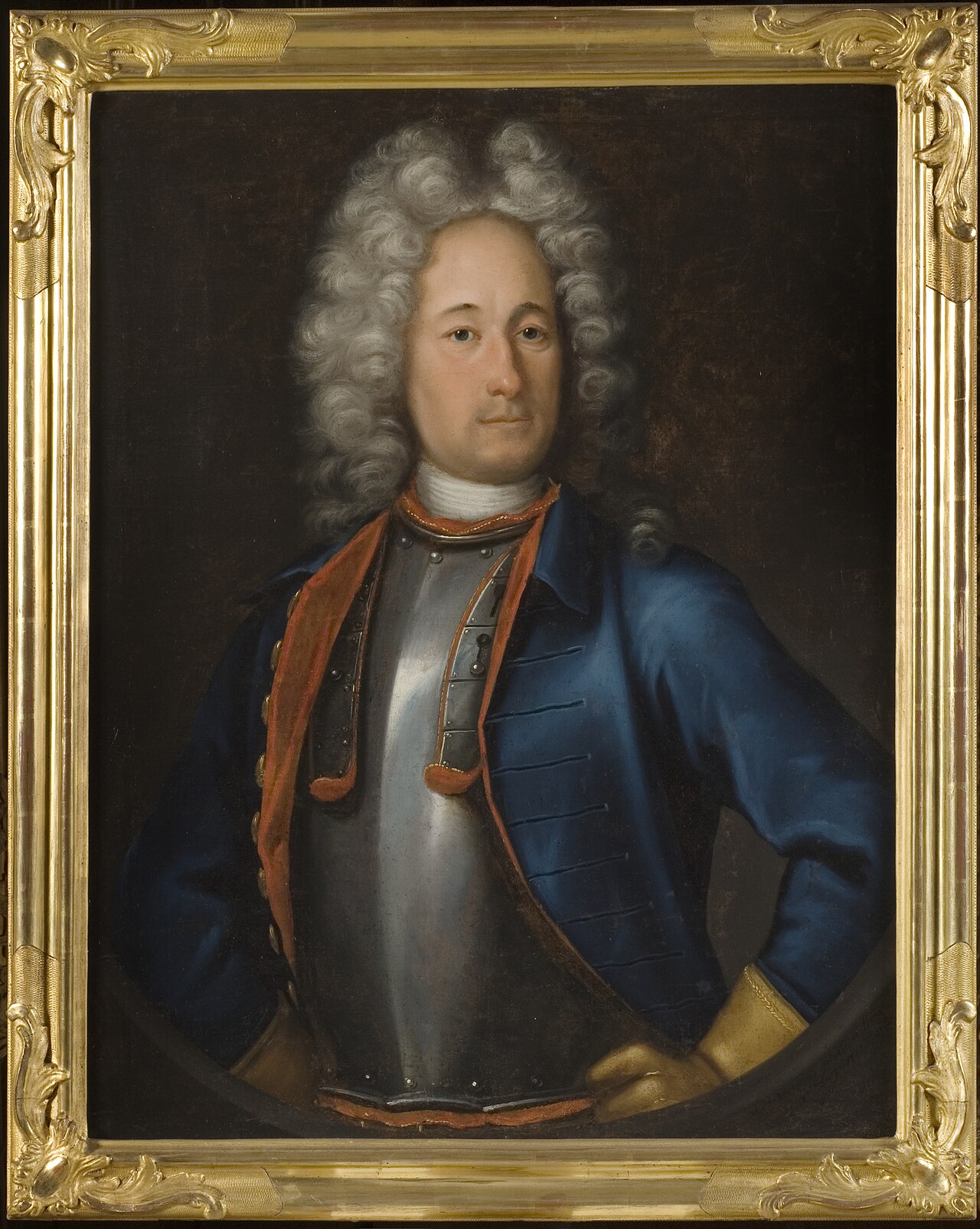
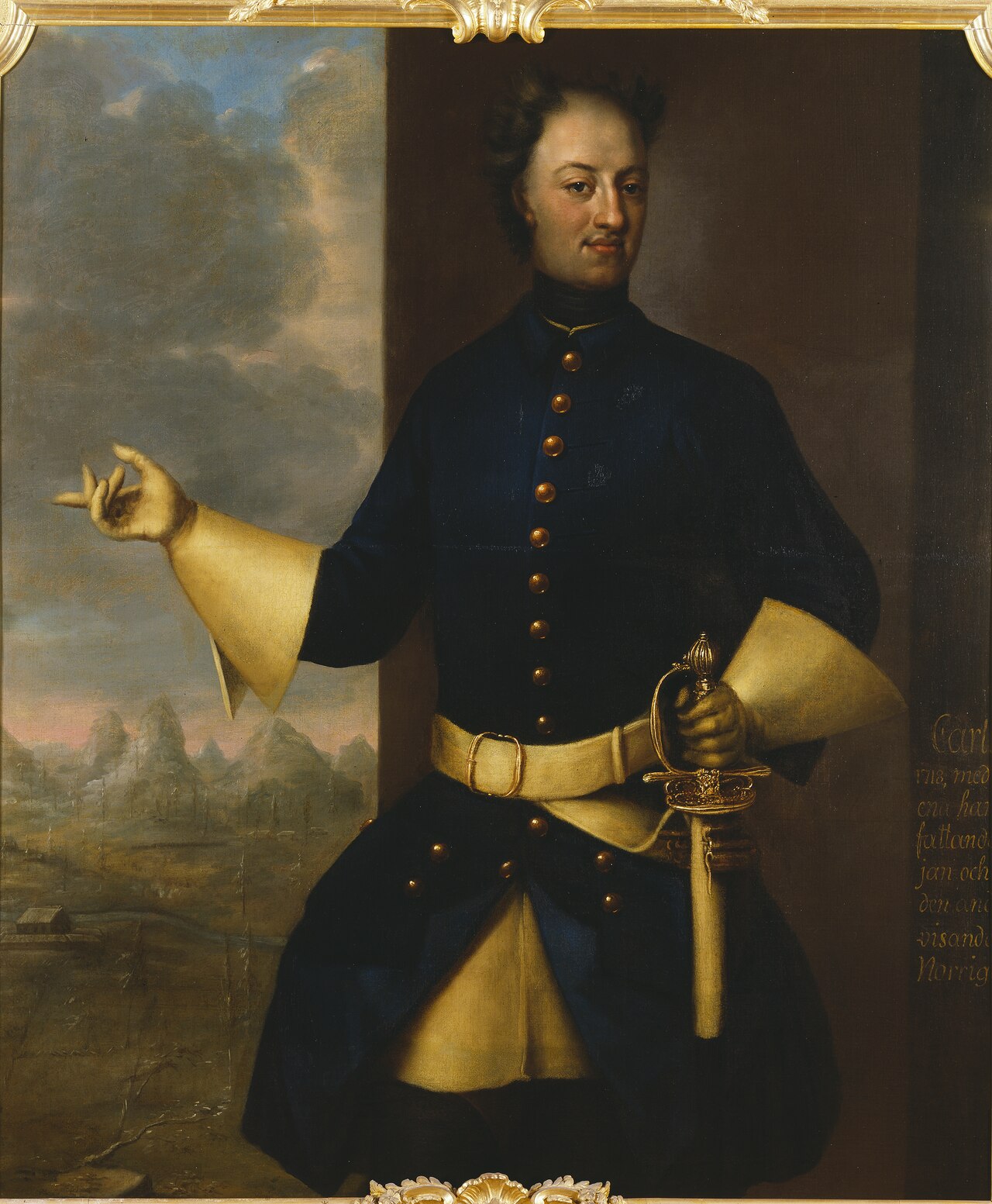
,_friherre,_%C3%B6verstel%C3%B6jtnant,_g.m._friherrinnan_Sofia_Gyllenstierna_af_Ulaborg_-_NMGrh_4449_-_Nationalmuseum.jpg)


Early life Johann Heinrich Wedekind was born in 1674 in Tallinn, which is now the capital of Estonia. At the time of his birth, the region was part of the Swedish Empire. The details of his early life and training are not well-documented, but it is likely that he received his artistic training in the region.
Career and style Wedekind's career as a painter spanned several decades and took him to various locations, including Sweden and Russia. He worked for Peter the Great, who was keen to promote Western-style art in Russia. Wedekind's style is characterized by his ability to capture the likenesses of his subjects, and his portraits are known for their attention to detail and realism.
Signature techniques Wedekind's signature techniques are not well-documented, but his portraits suggest that he was skilled at using color and composition to create a sense of depth and volume. He was also able to capture the personalities and characteristics of his subjects, which is evident in the expressions and poses of the people in his portraits.
Major works Some of Wedekind's most notable works include his portraits of Olof Strömstierna, Karl XII, and Adolf Herman Wrangel af Lindeberg. The portrait of Olof Strömstierna, dated 1715, is a fine example of Wedekind's ability to capture the likeness of his subject. The portrait of Karl XII, also dated 1715, is a powerful representation of the Swedish king. The portrait of Adolf Herman Wrangel af Lindeberg, dated 1718, is notable for its attention to detail and its capture of the subject's personality. Other notable works include his portraits of Karl XII, King of Sweden, dated 1715, and Porträt des Adam Gustav von Ulrich, dated 1731.
Influence and legacy Wedekind's contribution to the establishment of secular portrait painting in Russia is significant. He was one of the first Western-style painters to work in Russia, and his portraits helped to promote a new style of art in the country. His influence can be seen in the work of later Russian painters, who followed in his footsteps and continued to develop the tradition of secular portrait painting.
Frequently asked questions
Who was Johann Heinrich Wedekind?
Johann Heinrich Wedekind was a Baltic-German painter who worked in Sweden and Russia in the 17th and 18th centuries.
What style or movement was Wedekind associated with?
The specific art movement or style associated with Wedekind is not well-documented, but his work is characterized by its realism and attention to detail, which was influenced by Western European art traditions.
What are some of Wedekind's most famous works?
Some of Wedekind's most notable works include his portraits of Olof Strömstierna, Karl XII, and Adolf Herman Wrangel af Lindeberg, as well as his portraits of other Swedish and Russian nobility.
Why is Wedekind important?
Wedekind is important because he helped to establish secular portrait painting in Russia, and his work had a significant influence on the development of Russian art in the 18th century.
How can I recognize Wedekind's work?
Wedekind's work can be recognized by its attention to detail, realism, and use of color and composition to create a sense of depth and volume, as well as its focus on capturing the likenesses and personalities of his subjects.