Jean-Baptiste Huet
1745 – 1811
In short
Jean-Baptiste Huet (1745–1811) was a French painter, engraver and decorative designer known for his Rococo‑styled pastoral and genre scenes, especially those featuring animals at play. He worked primarily in Paris, producing works such as The Pastoral Amusements and Games and Amusements, and his output helped shape French decorative arts in the late 18th century.
Notable works



Early life Jean-Baptiste Huet was born in Paris in 1745 into a family with artistic connections. His early training took place in the bustling artistic environment of the capital, where he was exposed to the decorative traditions of the French court. He entered the atelier of the prominent Rococo master François Boucher, absorbing the lightness, elegance and sensuality that characterised the period. This apprenticeship provided Huet with both technical skill and an appreciation for the pastoral subject matter that would dominate his later work.
Career and style After completing his apprenticeship, Huet established himself as a versatile artist capable of working across several media. He produced oil paintings, gouaches, engravings and designs for tapestries and furniture. The bulk of his output was devoted to genre scenes that celebrated rural leisure and the whimsical behaviour of animals, a theme that resonated with the aristocratic taste for bucolic escapism. His style retained the soft, pastel palette and fluid brushwork of the Rococo, yet it gradually incorporated a more naturalistic observation of animal anatomy, reflecting the Enlightenment’s growing interest in scientific study.
Huet’s career was closely linked to the decorative arts market. He supplied designs to the famed Gobelins and Beauvais manufactories, where his compositions were woven into tapestries for royal interiors. In addition, he provided illustrations for pattern books that were used by upholsterers and cabinetmakers, helping to disseminate his pastoral motifs throughout French domestic décor. By the 1780s he had become a respected figure among the guilds of painters‑decorators, and his works were exhibited at the Paris Salon, where they were praised for their charm and technical proficiency.
Signature techniques Huet’s paintings are distinguished by several recurring technical features. First, he employed a delicate handling of light, often using a diffused illumination that lends his scenes a dream‑like quality. Second, his rendering of animals is notable for its combination of stylised elegance and anatomical accuracy; he captured the playful gestures of dogs, geese and other creatures with an economy of line that suggests both movement and character. Third, Huet frequently used a limited colour range dominated by muted greens, soft blues and creamy whites, which reinforces the tranquil atmosphere of his pastoral settings. Finally, his compositions are carefully balanced, with figures arranged in gentle arcs that guide the viewer’s eye across the canvas while maintaining a harmonious overall rhythm.
Major works Among Huet’s most celebrated pieces is **The Pastoral Amusements**, a composition that brings together shepherds, children and a menagerie of animals in a sun‑dappled meadow. The work exemplifies his ability to blend human and animal activity into a single, cohesive narrative. **Dog throws himself at geese (1769)** captures a moment of comic chaos, as a lively dog lunges toward a flock of unsuspecting geese; the painting is praised for its lively brushwork and the subtle humor inherent in the scene. **Games and Amusements (1775)** expands the genre theme to include a variety of leisure activities, from card games to music-making, all set against a bucolic backdrop. This piece demonstrates Huet’s skill in populating a single canvas with multiple focal points while preserving a unified atmosphere.
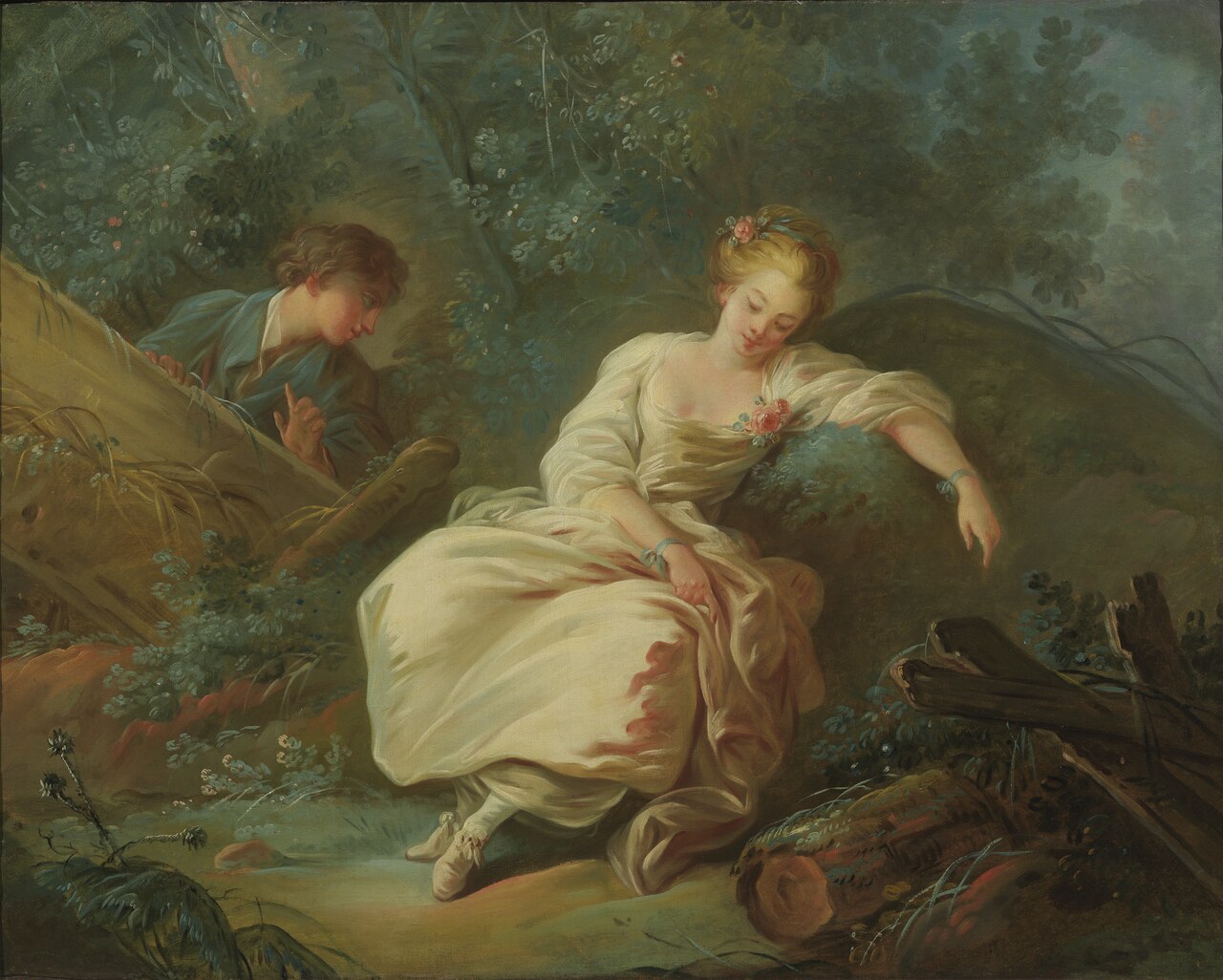
Another notable work, Young Couple in a Landscape, presents a tender encounter between two figures set within an idealised countryside. Though less populated than his animal‑focused canvases, the painting retains Huet’s characteristic lightness and refined colour palette. Finally, Landscape with a Shepherdess and a Boy Fishing (1793) illustrates a quieter, more contemplative aspect of rural life, foregrounding a solitary figure engaged in a simple, timeless activity. The work reflects the later stage of Huet’s career, where the emphasis shifts toward a more naturalistic depiction of the landscape itself.
Influence and legacy Jean‑Baptiste Huet’s contribution to French art lies in his synthesis of Rococo elegance with an emerging naturalism. By infusing genre scenes with realistic animal behaviour, he helped pave the way for later 19th‑century animal painters who would adopt a more scientific approach to depiction. His designs for tapestries and decorative panels circulated widely, influencing the interior aesthetics of aristocratic homes across Europe. Although the radical political changes of the French Revolution altered the patronage system, Huet’s works continued to be collected for their decorative appeal and nostalgic charm.
In contemporary scholarship, Huet is recognised as a link between the high Rococo of the mid‑18th century and the more subdued, nature‑oriented tastes that followed. His paintings are regularly exhibited in museums that focus on decorative arts, and his prints appear in specialised catalogues of French genre painting. The enduring popularity of his pastoral scenes underscores his skill in capturing the timeless allure of countryside leisure, a theme that remains resonant in both academic study and popular appreciation of French art history.
Frequently asked questions
Who was Jean-Baptiste Huet?
Jean‑Baptiste Huet was a French painter, engraver and decorative designer (1745–1811) known for his Rococo‑style pastoral and animal genre scenes.
What artistic style or movement is Huet associated with?
Huet worked within the Rococo tradition, blending its light, elegant aesthetic with a growing naturalistic interest in animal behaviour.
What are Huet’s most famous works?
His best‑known pieces include The Pastoral Amusements, Dog throws himself at geese (1769), Games and Amusements (1775), Young Couple in a Landscape, and Landscape with a Shepherdess and a Boy Fishing (1793).
Why is Huet important in art history?
He helped bridge the decorative Rococo style and the later naturalistic approach to genre painting, influencing both tapestry design and the depiction of animals in French art.
How can I recognise a work by Jean‑Baptiste Huet?
Look for soft pastel colours, gentle illumination, playful animal figures rendered with precise yet stylised anatomy, and compositions that combine human leisure with bucolic settings.