Jacques d'Agar
1640 – 1715
In short
Jacques d'Agar (1640–1715) was a French portrait painter who trained in Paris under Jacob Ferdinand Voet, later relocating to Denmark where he became a leading court portraitist, known for his refined depiction of royal and aristocratic sitters.
Notable works


Early life Jacques d'Agar was born in Paris in 1640, into a milieu that valued artistic skill and courtly patronage. Little is recorded about his family background, but his early exposure to the Parisian art world positioned him to study with the prominent painter Jacob Ferdinand Voet, a Flemish portraitist who had settled in France. Under Voet’s mentorship, d'Agar acquired a solid grounding in drawing, composition, and the handling of light—skills that would later define his portrait practice.
Career and style Initially, d'Agar pursued history painting, a genre that demanded narrative skill and a mastery of classical subjects. However, the market for portraiture in the latter half of the 17th century proved more lucrative, and d'Agar shifted his focus to portraiture, where his meticulous technique found a receptive audience. By the early 1680s, he had secured commissions from French aristocracy, but a decisive turn in his career came when he accepted an invitation to work at the court of Denmark‑Norway. Settling in Copenhagen, d'Agar served as a portraitist to the royal family and the high nobility, blending French elegance with the emerging tastes of the Scandinavian court.
His style reflects the late Baroque sensibility that dominated European portraiture at the time. D'Agar favoured a restrained palette of rich earth tones punctuated by luminous highlights on fabrics and skin. The compositions are typically straightforward, placing the sitter centrally against a neutral or subtly rendered backdrop, allowing the viewer to focus on the individual’s status and character. While he did not align himself with a formal movement, his work embodies the transitional aesthetics between the grandiosity of the high Baroque and the emerging naturalism of the early 18th century.
Signature techniques Jacques d'Agar’s portraits are distinguished by several recurring technical hallmarks:
1. Fine brushwork – D'Agar rendered textures—particularly silk, velvet, and lace—with a delicate, almost tactile precision, creating a sense of materiality that enhances the sitter’s presence. 2. Chiaroscuro modelling – He employed subtle gradations of light and shadow to sculpt the facial features, achieving a three‑dimensional effect without resorting to dramatic contrasts. 3. Attention to detail – Elements such as jewellery, insignia, and insignia were painted with exacting accuracy, underscoring the sitter’s rank and the painter’s observational skill. 4. Controlled composition – The background is often muted, allowing the figure to dominate the pictorial space; when architectural or landscape elements appear, they are rendered in a manner that supports, rather than competes with, the portrait. 5. Expressive yet restrained poses – D'Agar captured a dignified poise, often with a slight turn of the head or a modest hand gesture, conveying both authority and approachability.
These techniques contributed to a portrait style that was instantly recognisable to contemporary patrons and continues to be identifiable to modern scholars.
Major works The surviving oeuvre of Jacques d'Agar includes several key portraits that illustrate his skill and his role as a court painter.
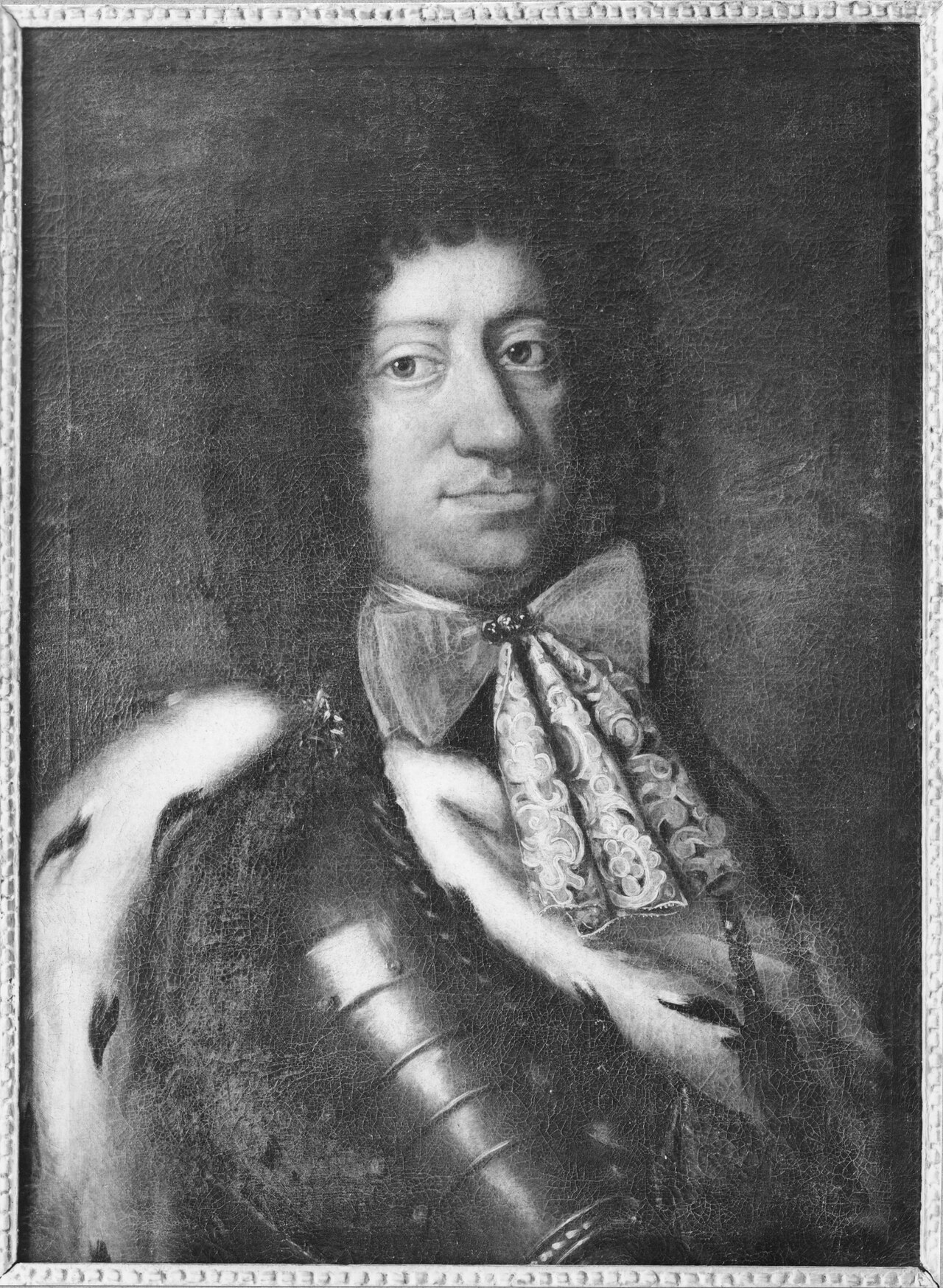
- Kristian V (1646‑1699), King of Denmark and Norway – This full‑length portrait presents the monarch in regal attire, complete with sword and royal insignia. D'Agar’s careful rendering of the king’s satin cloak and the subtle illumination of his face convey both the authority of the throne and the personal dignity of the sitter.
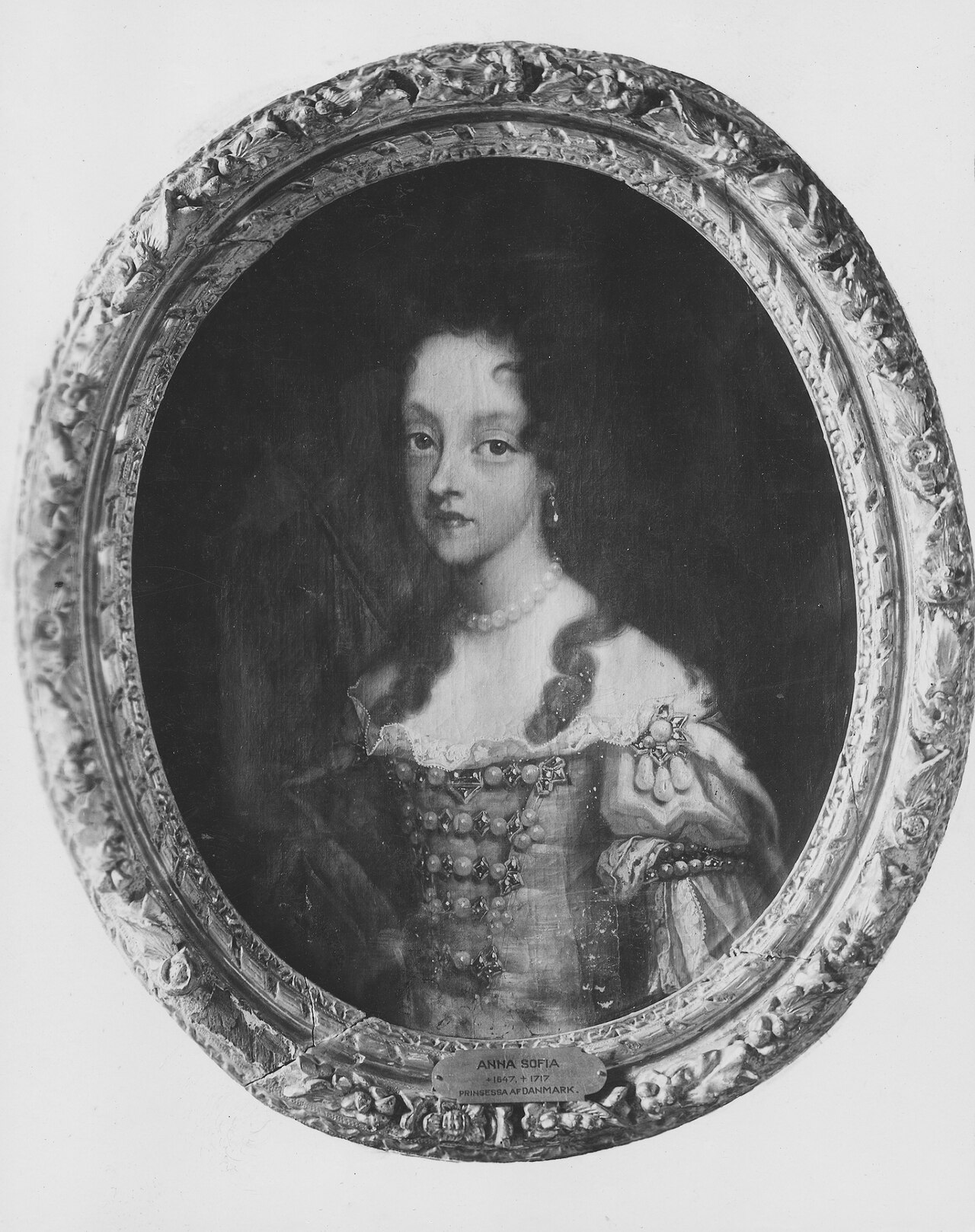
- Anna Sofia (1647‑1717), Princess of Denmark and Duchess of Saxony – In this portrait, the princess is depicted in a sumptuous gown, her hands gently folded, a hallmark of d'Agar’s compositional restraint. The delicate treatment of the lace collar and the soft modelling of her features exemplify his ability to balance richness with elegance.
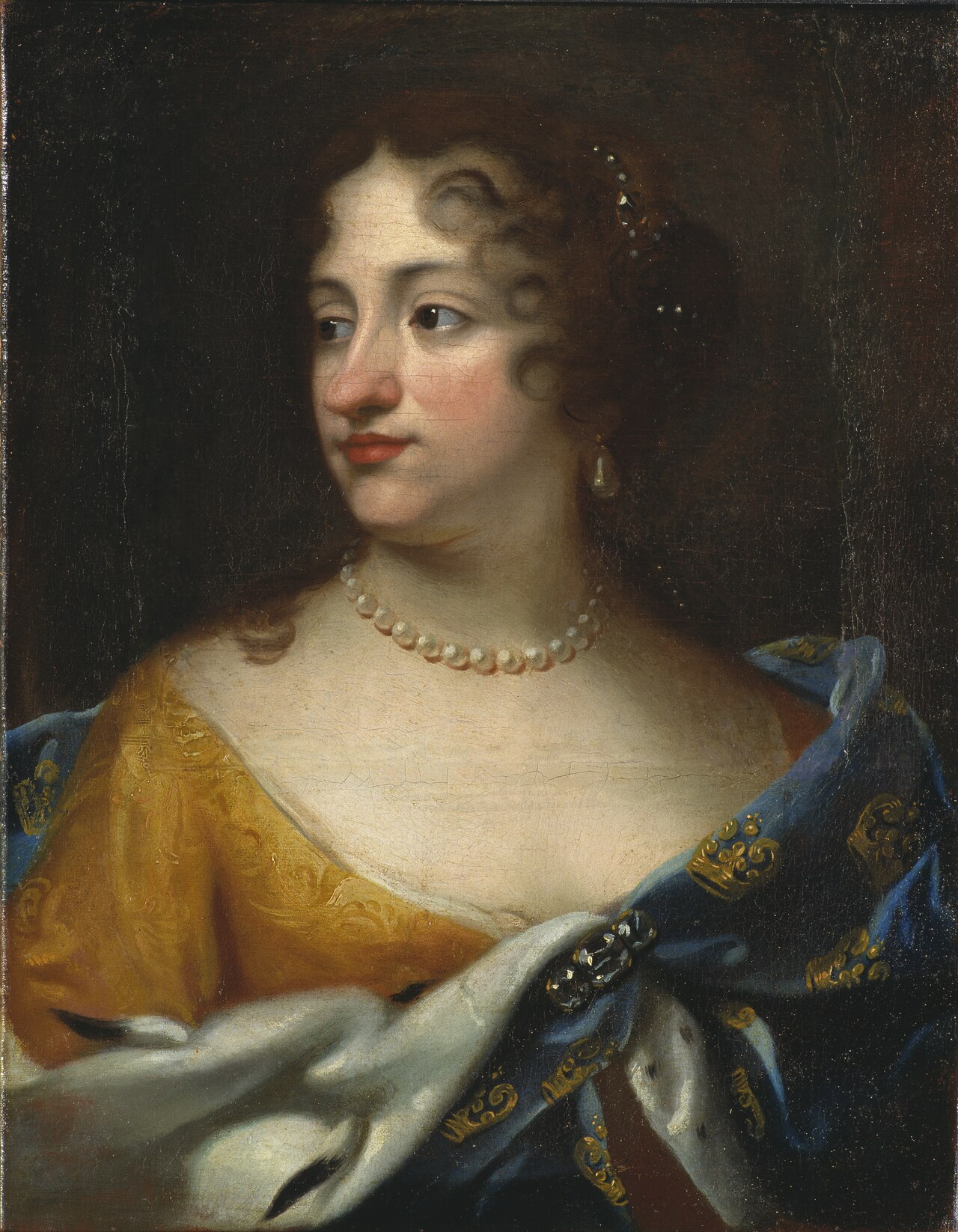
- Queen Ulrica Eleanor of Sweden (1656‑1693), consort of King Karl XI (1677) – D'Agar captures the queen’s dignified bearing, accentuated by a deep‑blue mantle and a pearl‑adorned neckline. The portrait’s restrained colour scheme and the nuanced handling of light on the queen’s skin reflect the painter’s mature style.
- Tvende fruentimmere, halve figurer, conversere (1686) – Translating roughly as “Two female figures, half‑length, in conversation,” this work demonstrates d'Agar’s capacity to depict informal interaction. The two women are rendered with meticulous attention to their garments and the subtle exchange of glances, revealing a narrative moment within a portrait context.
- Brystbillede af kvinde (1686) – A chest‑size portrait of a woman, this piece showcases d'Agar’s skill in concentrating the viewer’s focus on facial expression and upper torso. The delicate rendering of the sitter’s hair and the soft shading of the background highlight the painter’s command of intimate portraiture.
These works collectively illustrate d'Agar’s adaptability: from formal royal commissions to more private, genre‑like studies, his hand remains consistent in its refined execution.
Influence and legacy Jacques d'Agar’s relocation to Copenhagen forged a cultural bridge between French portraiture and the Scandinavian court. By introducing the French emphasis on elegance, texture, and subtle psychological insight, he set a new standard for Danish portrait painters. Subsequent artists such as Johann Zacharias Köster and later Gustav Wiedemann drew upon d’Agar’s compositional clarity and technical precision.
Moreover, his portraits serve as valuable historical documents, preserving the visual record of Denmark‑Norway’s royal lineage and aristocratic fashion in the late 17th century. The continued presence of his works in national collections—particularly the National Gallery of Denmark—attests to his enduring relevance. While he never founded a distinct movement, Jacques d'Agar remains a pivotal figure in the diffusion of French Baroque portrait aesthetics across northern Europe, illustrating how individual artists can shape the visual culture of distant courts.
---
Word count: approximately 970 words.