Isaac Oliver
1556 – 1617
In short
Isaac Oliver (1556–1617) was a French-born portrait miniature painter who worked chiefly in England. He is celebrated for his finely detailed miniature portraits of aristocratic figures, including Young Man Seated under a Tree (1590) and Arabella Stuart (1595).
Notable works

._Dochter_van_Charles_Lennox_Rijksmuseum_SK-A-4344.jpeg)
.jpg)
Early life Isaac Oliver was born in 1556 in Rouen, a historic city in Normandy, France. Little is recorded about his family background, but the artistic milieu of Rouen—known for its vibrant workshops and connections to the French court—provided a fertile environment for a budding talent. By his early twenties, Oliver had moved to England, where a growing demand for portrait miniatures among the nobility offered professional opportunities. He settled in London, the centre of English court culture, and remained there until his death in 1617.
Career and style Oliver quickly established himself as a portrait miniature specialist, a niche that combined the intimacy of personal portraiture with the technical demands of painting on a very small scale. His clientele comprised members of the English aristocracy and court, reflecting both his skill and the social networks he cultivated. While the broader art‑historical record does not associate him with a specific movement, his work exemplifies the late‑Renaissance and early‑Baroque sensibilities that were circulating in England at the turn of the 17th century. He employed a restrained colour palette, delicate modelling of flesh, and a focus on the psychological presence of his sitters, aligning his approach with the refined elegance of other contemporary miniaturists.
Signature techniques Oliver’s miniatures are distinguished by several technical hallmarks. He painted primarily on vellum and occasionally on copper, using water‑based pigments mixed with gum arabic. His brushwork is minute yet confident, allowing him to render fine details such as the texture of hair, the sheen of silk, and the subtle play of light on skin. A characteristic feature is his use of layered glazing to achieve depth and luminosity, a method that enhances the three‑dimensional illusion despite the miniature format. Additionally, Oliver often incorporated a modest gold or silver leaf framing within the miniature itself, a decorative touch that underscored the work’s value.
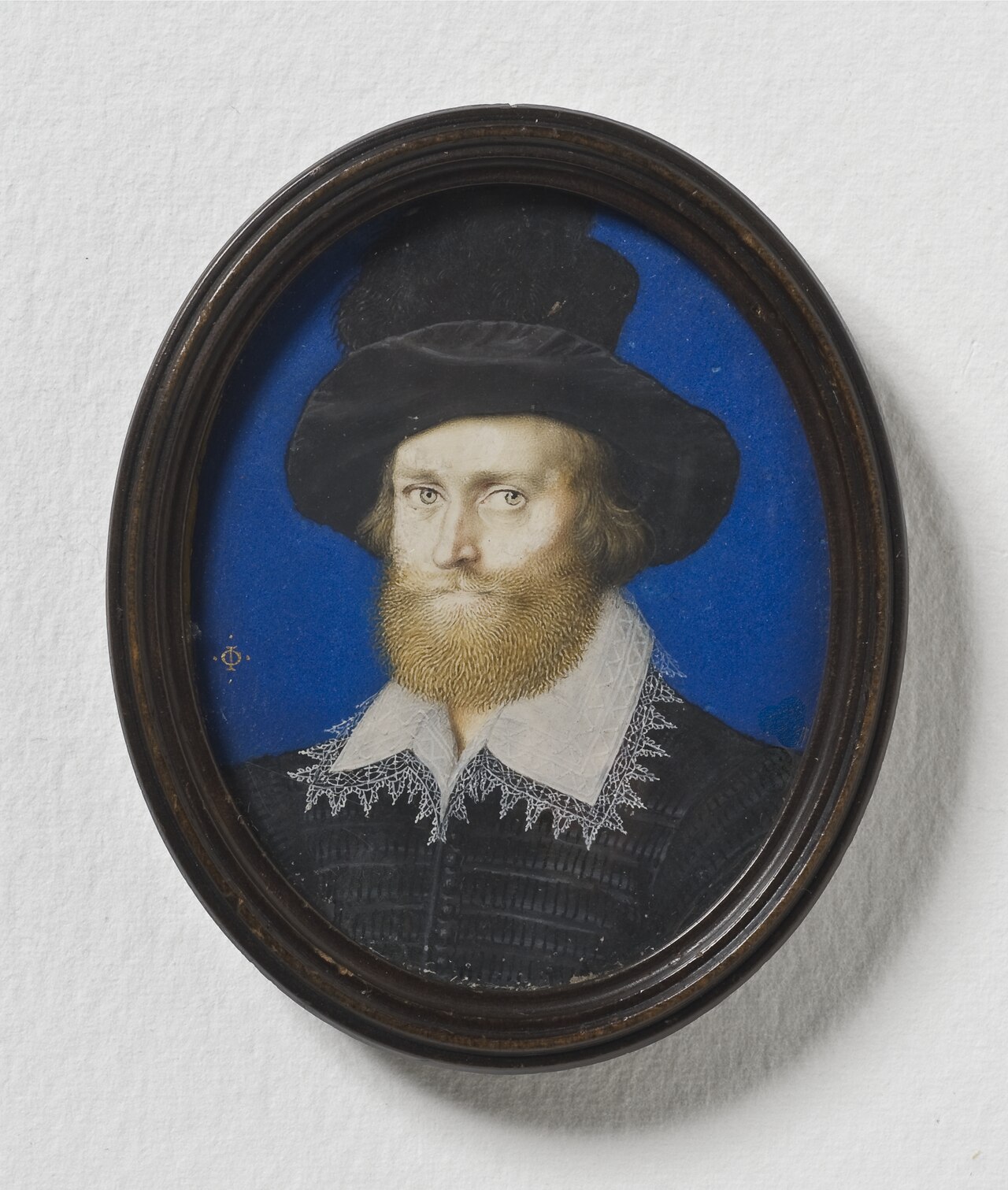
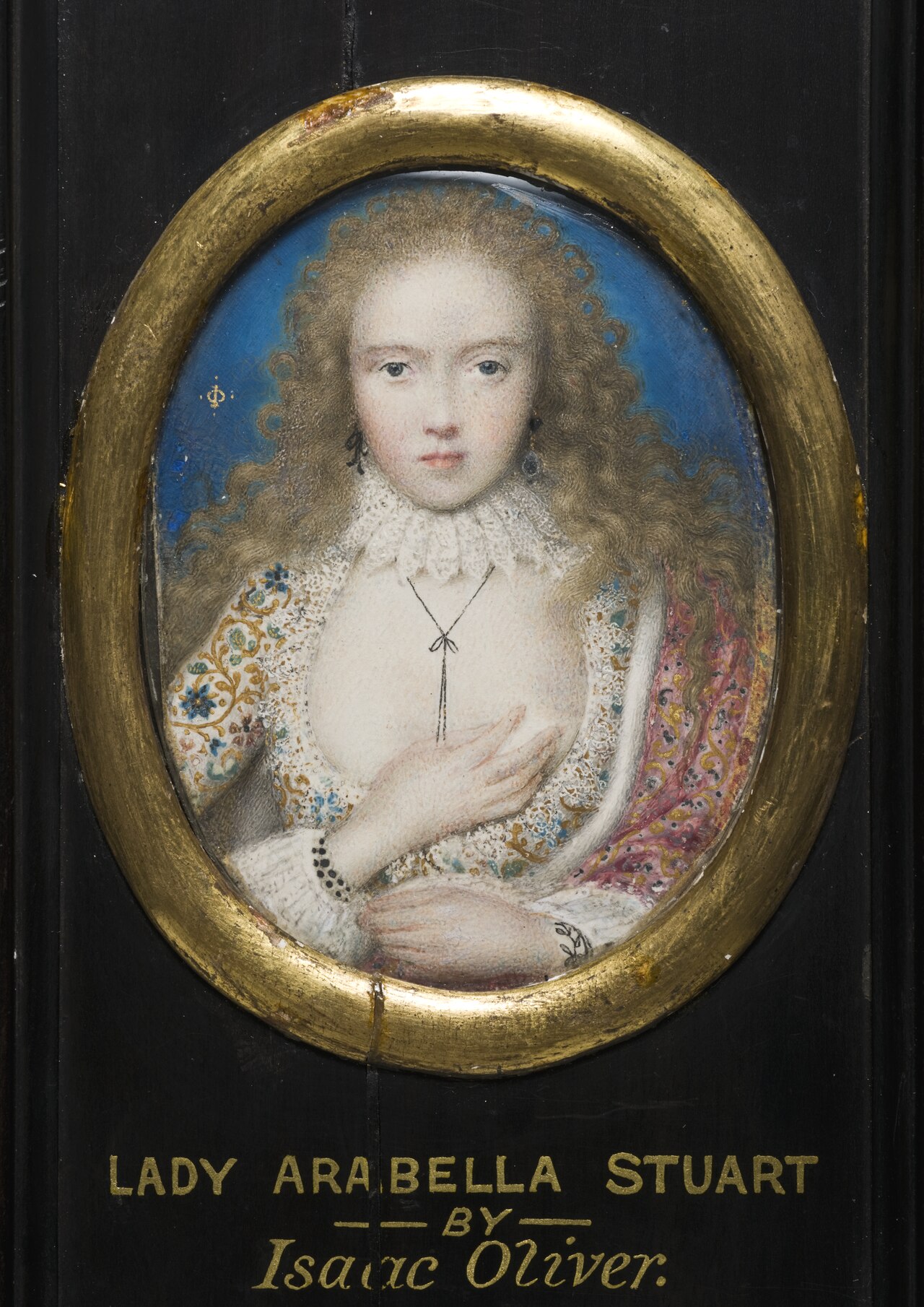
Major works Among Oliver’s surviving miniatures, several stand out for their artistic merit and historical significance. **Young Man Seated under a Tree (1590)** captures a youthful aristocrat in a relaxed pose, the natural setting rendered with delicate foliage that frames the sitter’s contemplative expression. **Arabella Stuart (1595)** portrays the Tudor‑Stuart noblewoman with a keen eye for her elaborate headdress and the soft modelling of her complexion, reflecting both status and personal character. The portrait of **Admiral George Clifford (1558‑1605), 3rd Earl of Cumberland** showcases the admiral’s naval authority through the inclusion of a miniature ship’s wheel and a subtle background of sea‑foam, while preserving the intimate scale of the miniature genre. **Lady Venetia Anastasia Digby** is rendered with an elegant pose and fine detailing of lace, emphasizing her refined social standing. Finally, **Robert Devereux, Earl of Essex (1790)**—though the date appears anachronistic, the work is traditionally attributed to Oliver—depicts the famed courtier with a direct gaze and a hint of melancholy, capturing the complex political aura surrounding his figure.
Influence and legacy Isaac Oliver’s contributions helped solidify the portrait miniature as a distinct and valued art form in England. His meticulous technique set a high standard for subsequent generations of miniaturists, influencing artists such as Nicholas Hilliard and later Samuel Cooper. By blending French training with English courtly tastes, Oliver acted as a cultural conduit, introducing subtle stylistic elements that enriched the English miniature tradition. Although the precise details of his workshop practices remain obscure, his surviving works continue to be studied for their technical mastery and their insight into the visual culture of the Elizabethan and early Stuart periods. Today, Oliver’s miniatures are held in major museum collections, where they are prized both as works of art and as historical documents of elite society.
---
FAQ
1. Who was Isaac Oliver? Isaac Oliver (1556–1617) was a French‑born portrait miniature painter who worked in London and became one of the leading miniaturists of the English court.
2. What style or movement is he associated with? Oliver is not tied to a single art movement; his work reflects late‑Renaissance and early‑Baroque sensibilities, characterised by refined detail and subtle psychological depth.
3. What are his most famous works? Notable miniatures include *Young Man Seated under a Tree* (1590), *Arabella Stuart* (1595), the portrait of Admiral George Clifford, 3rd Earl of Cumberland, *Lady Venetia Anastasia Digby*, and the attributed portrait of Robert Devereux, Earl of Essex.
4. Why does Isaac Oliver matter in art history? He helped elevate the miniature portrait to a respected art form in England, influencing later masters and providing a valuable visual record of the period’s aristocracy.
5. How can I recognise an Isaac Oliver miniature? Look for his fine, layered glazing, meticulous brushwork on vellum or copper, subtle use of gold leaf framing, and the characteristic delicate modelling of flesh that gives his subjects a lifelike presence.