Hendrik van der Borcht the elder
1583 – 1660
In short
Hendrik van der Borcht the Elder was a Flemish-German artist who lived from 1583 to 1660 and worked primarily as an engraver and painter. He was known for his still lifes, portraits, and landscapes, often incorporating antiquities and curiosities into his work. Van der Borcht was a prominent figure in the Baroque movement, active mainly in Germany.
Notable works
_-_Stilleven_van_antieke_beeldjes_en_penningen_-_%D0%93%D0%AD-2445_-_Hermitage_Museum.jpg)
_(Attr.)_-_The_Golden_Age.jpeg)
_-_A_collection_of_ancient_objects.jpeg)

Early life Hendrik van der Borcht the Elder was born in 1583 in Brussels, which was then part of the Habsburg Netherlands. His family's decision to emigrate to Germany was likely influenced by religious reasons, a common occurrence during this period. Although specific details about his early life and training are not well-documented, it is clear that van der Borcht was exposed to a rich cultural and artistic environment from a young age.
Career and style Van der Borcht's career as an artist spanned several decades, during which he established himself as a skilled engraver and painter. His work is characterized by a strong attention to detail and a fascination with antiquities and curiosities. As a member of the Baroque movement, van der Borcht's style is marked by dramatic lighting, intense emotions, and a sense of movement and energy. His paintings often featured still lifes, portraits, and landscapes, showcasing his technical proficiency and artistic range.
Signature techniques One of van der Borcht's signature techniques was his use of chiaroscuro, a strong contrast between light and dark that creates a sense of volume and depth in his compositions. He also frequently incorporated symbolism and allegory into his work, adding layers of meaning and interpretation to his paintings. Van der Borcht's engravings, in particular, demonstrate his mastery of line and texture, with intricate details and subtle variations in tone.
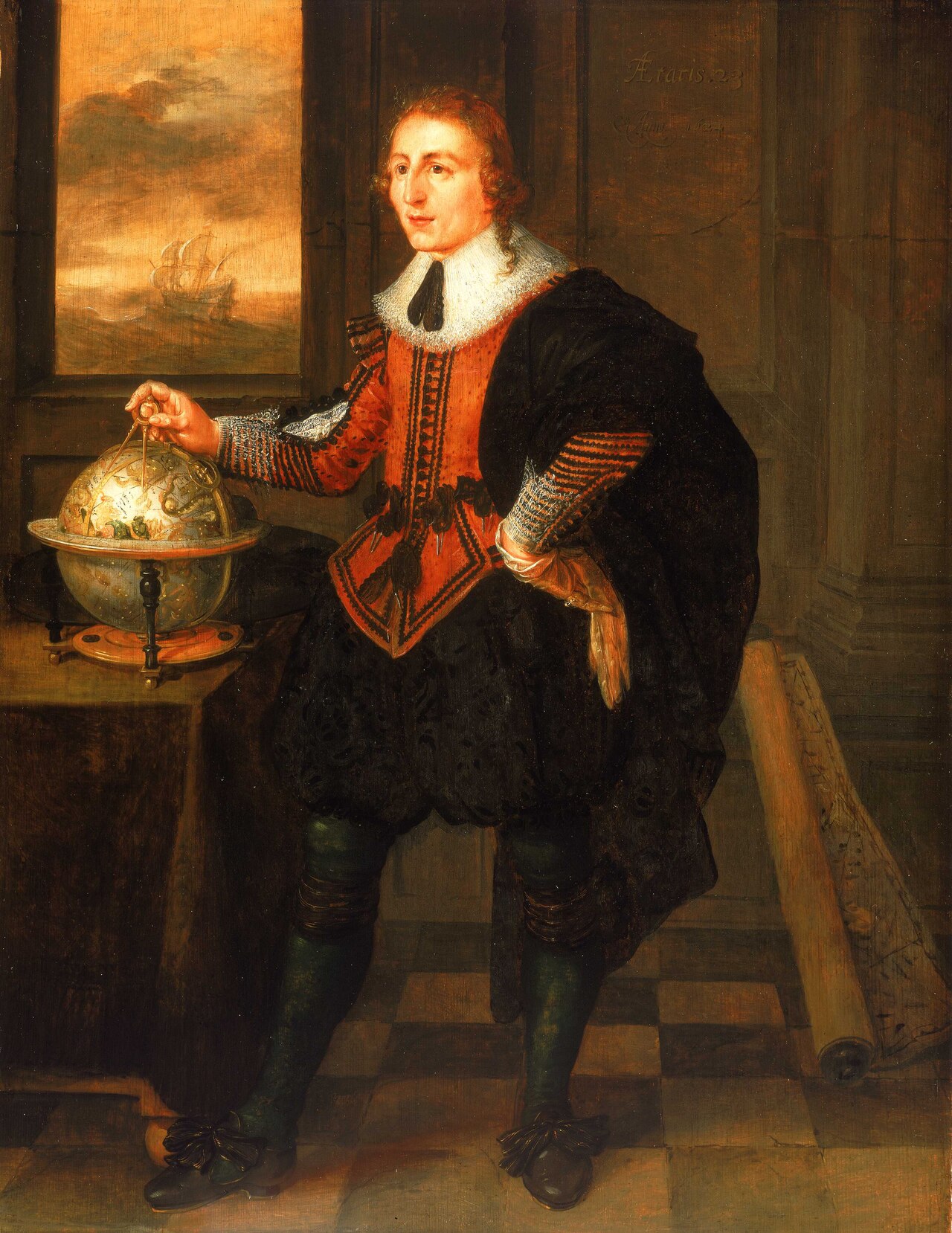
Major works Some of van der Borcht's most notable works include 'Still Life with a Collection of Curiosities' (1650), 'A Navigator with Globe and Dividers' (1624), 'The Golden Age' (1650), 'A collection of ancient objects' (1650), and 'Hagar in the desert' (1624). 'Still Life with a Collection of Curiosities' showcases van der Borcht's ability to balance composition and detail, featuring a wide range of objects and artifacts arranged in a harmonious and visually appealing way. 'A Navigator with Globe and Dividers' demonstrates his skill in capturing the human form, with a sense of quiet contemplation and focus. 'The Golden Age' and 'A collection of ancient objects' highlight van der Borcht's interest in antiquities and his ability to convey a sense of history and tradition. 'Hagar in the desert' showcases his ability to dramatize a scene, using light and shadow to create a sense of tension and emotion.
Influence and legacy Hendrik van der Borcht the Elder's contributions to the Baroque movement and his influence on later artists are significant. His work demonstrates a unique blend of technical skill, artistic vision, and intellectual curiosity, reflecting the cultural and artistic values of his time. As an antiquarian and artist, van der Borcht played a role in shaping the visual and cultural landscape of 17th-century Germany, leaving behind a legacy of beautiful and thought-provoking works that continue to inspire and fascinate audiences today.
Frequently asked questions
Who was Hendrik van der Borcht the Elder?
Hendrik van der Borcht the Elder was a Flemish-German artist who lived from 1583 to 1660 and worked primarily as an engraver and painter, known for his still lifes, portraits, and landscapes.
What style or movement was Hendrik van der Borcht the Elder associated with?
Van der Borcht was a member of the Baroque movement, characterized by dramatic lighting, intense emotions, and a sense of movement and energy.
What are some of Hendrik van der Borcht the Elder's most famous works?
Some of his most notable works include 'Still Life with a Collection of Curiosities', 'A Navigator with Globe and Dividers', 'The Golden Age', 'A collection of ancient objects', and 'Hagar in the desert'.
Why is Hendrik van der Borcht the Elder important in the history of art?
Van der Borcht's contributions to the Baroque movement and his influence on later artists are significant, demonstrating a unique blend of technical skill, artistic vision, and intellectual curiosity.
How can I recognize a work by Hendrik van der Borcht the Elder?
Look for characteristic features such as chiaroscuro, symbolism, and attention to detail, often incorporating antiquities and curiosities into the composition.