Giovanni Antonio Boltraffio
1466 – 1516
In short
Giovanni Antonio Boltraffio was a painter of the High Renaissance from Lombardy, active in Milan. He worked in the studio of Leonardo da Vinci and is considered one of the strongest artistic personalities to emerge from it. Boltraffio's work is characterized by its elegance and refinement, reflecting the influence of his master.
Notable works


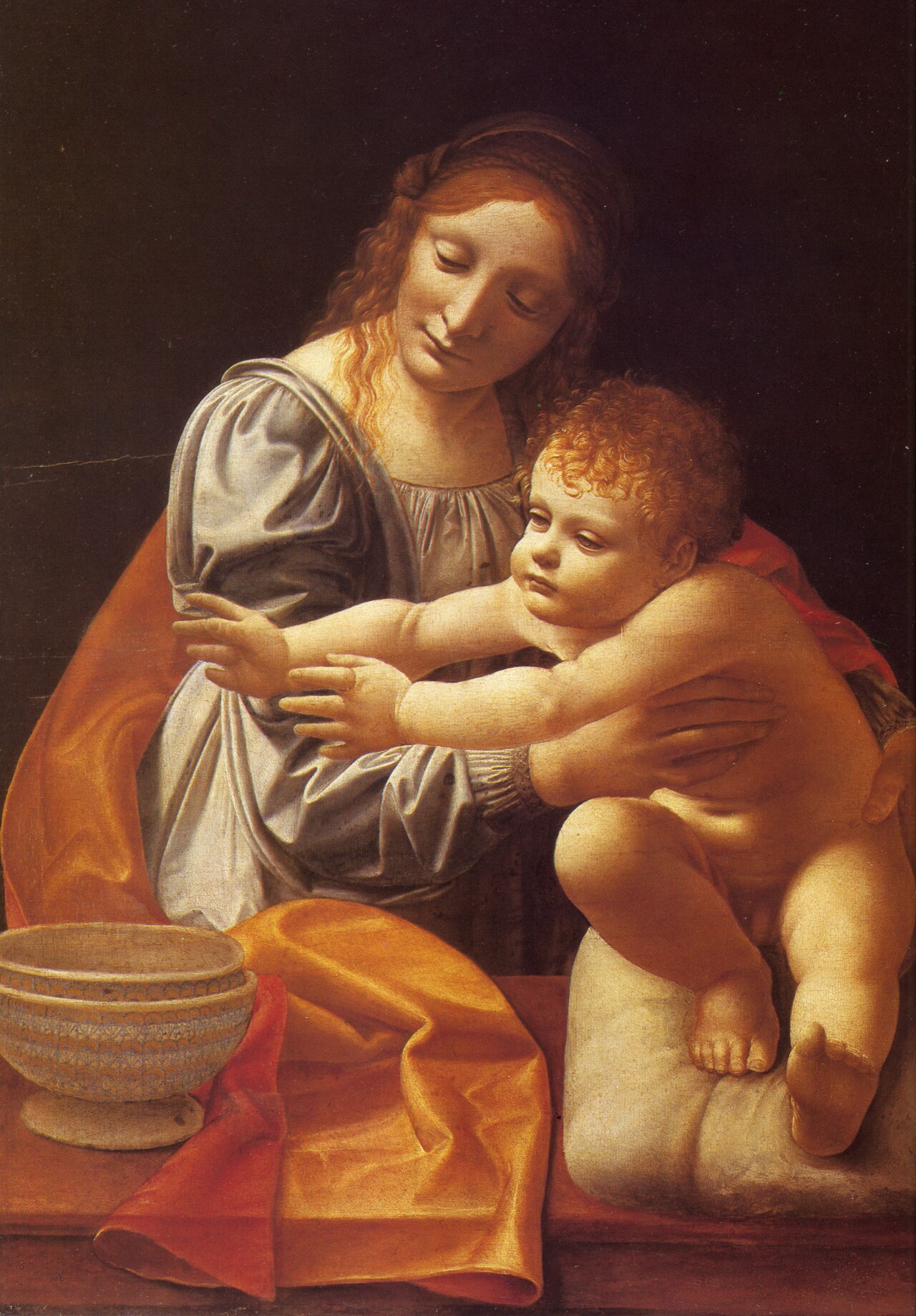
_-_WGA2384.jpg)
# Biography of Giovanni Antonio Boltraffio ## Early life Giovanni Antonio Boltraffio was born in Milan in 1466. Although his nationality is not explicitly stated, it is known that he was from an aristocratic family, as noted by Giorgio Vasari. This background may have influenced his early exposure to the arts, particularly in the culturally rich city of Milan. ## Career and style Boltraffio's career is notably marked by his time in the studio of Leonardo da Vinci, one of the most renowned artists of the High Renaissance. Working under da Vinci's guidance, Boltraffio developed a style that was not only reflective of his master's influence but also distinct in its own right. His paintings often exhibit a sense of elegance and refinement, characteristics that were highly valued in the Renaissance period. ## Signature techniques While specific details about Boltraffio's techniques are not well-documented, it is clear that his work was influenced by the methods and innovations of Leonardo da Vinci. This includes the use of sfumato, a technique that creates a soft, hazy effect by layering thin glazes of paint, and chiaroscuro, which uses strong contrasts of light and dark to achieve a sense of volume. These techniques, among others, contributed to the sophisticated and nuanced quality of Boltraffio's paintings. ## Major works Boltraffio's known works include several paintings that showcase his skill and artistry. *The Virgin and Child* (1493) is an early example of his work, demonstrating his ability to depict tender, intimate scenes with grace and simplicity. *Narcissus at the Fountain* (1500) and *Portrait of a Man in Profile* (1500) exhibit his capacity for capturing the human form with precision and elegance. Additionally, *Madonna and Child* (1495) and *Virgin and Child with Sts John the Baptist and Sebastian* (1500) highlight his proficiency in religious subjects, a common theme in Renaissance art. These works not only demonstrate Boltraffio's technical skill but also his understanding of the aesthetic and thematic preferences of his time. ## Influence and legacy Boltraffio's influence on the art world, though perhaps not as broadly recognized as that of his master, is significant within the context of the High Renaissance in Lombardy. Alongside Bernardino Luini, he is considered one of the most notable artists to emerge from Leonardo da Vinci's studio. His work continues to be appreciated for its beauty and the insight it provides into the artistic practices and values of the Renaissance period.
Frequently asked questions
Who was Giovanni Antonio Boltraffio?
Giovanni Antonio Boltraffio was a painter of the High Renaissance, active in Milan and known for his work in the studio of Leonardo da Vinci.
What style or movement was Boltraffio associated with?
Boltraffio's work is associated with the High Renaissance, reflecting the influence of his master Leonardo da Vinci and the artistic trends of Lombardy during that period.
What are some of Boltraffio's most famous works?
Some of Boltraffio's most notable works include *The Virgin and Child*, *Narcissus at the Fountain*, *Portrait of a Man in Profile*, *Madonna and Child*, and *Virgin and Child with Sts John the Baptist and Sebastian*.
Why is Boltraffio important in the history of art?
Boltraffio is important because he was one of the strongest artistic personalities to emerge from Leonardo da Vinci's studio, and his work provides valuable insight into the artistic practices and influences of the High Renaissance in Lombardy.
How can I recognize Boltraffio's work?
Boltraffio's work can be recognized by its elegance, refinement, and the use of techniques such as sfumato and chiaroscuro, which were characteristic of the High Renaissance style influenced by Leonardo da Vinci.