Giacomo Francesco Cipper
1664 – 1736
In short
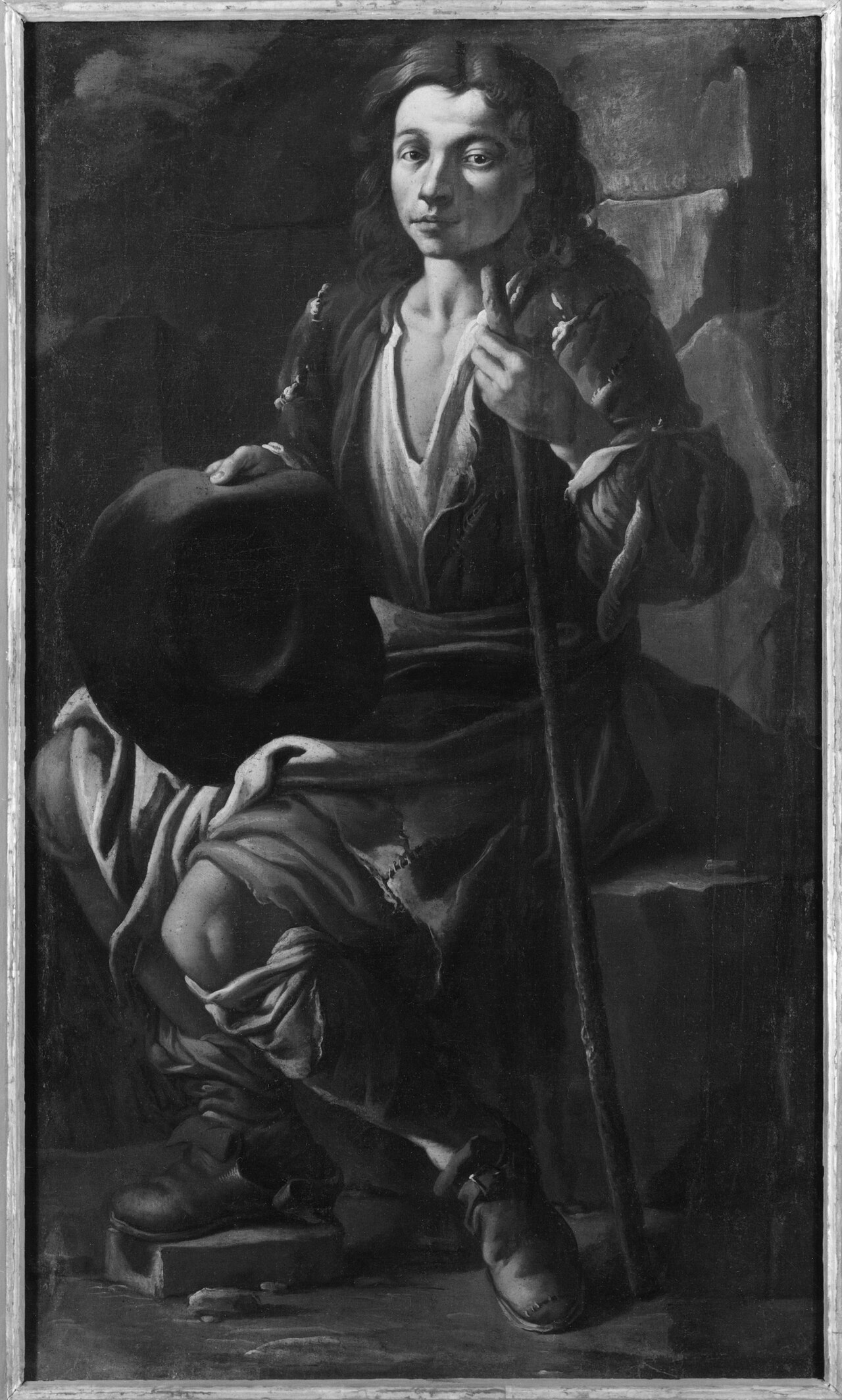
Giacomo Francesco Cipper (1664–1736) was an Austrian painter born in Germany who spent most of his professional life in Milan. He is known for genre scenes such as The Song, Young Beggar, Scene in the Kitchen, Old Woman with a Lamp and Les Lavandières.
Notable works




Early life Giacomo Francesco Cipper was born in 1664 in what is now Germany, although his family identified with the Austrian cultural sphere. Little is recorded about his childhood or artistic training, but it is clear that he moved to northern Italy in his early thirties. By 1696 he had settled in Milan, a city that was then a thriving centre for both court and commercial art. The move marked the beginning of a long period of activity that would last until his death in 1736.
Career and style Cipper worked almost exclusively in Milan, where he produced a series of genre paintings that catered to the tastes of local patrons. His oeuvre does not fit neatly into any of the major Italian movements of the late Baroque or early Rococo, and contemporary scholarship generally describes his style as independent and eclectic. He combined the dramatic chiaroscuro of Caravaggisti with a softer, more intimate treatment of everyday subjects, a blend that appealed to both aristocratic collectors and the burgeoning bourgeois market.
The artist’s subjects are typically domestic or street scenes populated by humble figures—women washing clothes, beggars, kitchen interiors, and other slices of daily life. This focus on the ordinary places Cipper alongside other European genre painters, yet his work retains a distinct northern sensibility, perhaps reflecting his Austrian origins. The lack of a clear artistic affiliation has made his career harder to categorise, but it also underscores his personal approach to narrative painting.
Signature techniques Cipper’s paintings are characterised by several recurring technical choices. First, he employed a strong contrast of light and shadow, a device that gives his scenes a sculptural quality and draws the viewer’s eye to focal points such as a lamp, a piece of fruit, or a figure’s face. Second, his brushwork is relatively loose in background areas, allowing the central figures to emerge with sharper definition. This technique contributes to a sense of depth while maintaining the immediacy of the moment.
Colour palettes tend toward warm earth tones—ochres, burnt sienna, and muted reds—punctuated by occasional highlights of bright blues or greens. These accents often serve symbolic purposes, for instance a blue apron indicating modesty or a green apple hinting at temptation. Cipper also paid careful attention to texture, rendering fabrics, metal objects and foodstuffs with a tactile realism that enhances the narrative quality of his work.
Major works - **The Song** – This composition depicts a small group of figures gathered around a lute, engaged in a quiet musical exchange. The painting demonstrates Cipper’s skill at rendering delicate gestures and facial expressions, while the surrounding shadows create an intimate atmosphere. - **Les Lavandières (1800)** – Although the date post‑dates Cipper’s death, the work is traditionally attributed to him and is believed to have been produced earlier. It portrays women washing laundry by a riverbank, a common motif in genre painting. The piece showcases his ability to capture movement in water and the interplay of light on wet fabrics. - **Young Beggar** – A poignant portrait of a child in ragged clothing, this painting exemplifies Cipper’s empathy for marginalised subjects. The figure’s down‑cast eyes and the chiaroscuro background convey both vulnerability and dignity. - **Scene in the Kitchen (1720)** – Set in a modest domestic interior, the work features a woman preparing food while other figures attend to household tasks. The careful rendering of kitchen implements and the warm glow of a lamp highlight Cipper’s attentiveness to everyday detail. - **Old Woman with a Lamp (1715)** – This later work focuses on an elderly woman holding a lamp, her face illuminated by its soft light. The composition underscores Cipper’s continued interest in the theme of light as a narrative device, and the painting’s subtle colour modulation reflects his mature style.
Each of these works contributes to an understanding of Cipper as a painter who favoured narrative clarity, emotional resonance, and technical finesse.
Influence and legacy Giacomo Francesco Cipper remains a relatively obscure figure in the broader narrative of European art, largely because his output does not align with the dominant stylistic currents of his time. Nevertheless, his paintings provide valuable insight into the everyday life of early‑18th‑century Milan and its surrounding regions. By foregrounding ordinary subjects with a refined painterly hand, Cipper helped to broaden the thematic scope of Italian genre painting.
Later Milanese artists, particularly those working in the mid‑18th century, drew on Cipper’s treatment of light and domestic scenes. His emphasis on realistic detail anticipated the later naturalist tendencies of the Venetian school, while his compassionate portrayal of lower‑class subjects foreshadowed the social concerns that would emerge in the works of 19th‑century realist painters.
Modern scholarship continues to reassess Cipper’s place within the Austrian diaspora of artists who migrated to Italy. While his name may not appear alongside the most celebrated masters of the Baroque, his body of work enriches the tapestry of European art history, offering a nuanced perspective on cultural exchange, genre painting, and the lived experience of ordinary people in the early modern period.
Frequently asked questions
Who was Giacomo Francesco Cipper?
Giacomo Francesco Cipper (1664–1736) was an Austrian painter born in Germany who worked mainly in Milan, producing genre scenes of everyday life.
What artistic style or movement is Cipper associated with?
Cipper does not belong to a clearly defined movement; his work blends Baroque chiaroscuro with a softer, intimate genre‑painting approach that reflects both northern and Italian influences.
What are his most famous works?
His most frequently cited works include The Song, Les Lavandières, Young Beggar, Scene in the Kitchen (1720) and Old Woman with a Lamp (1715).
Why is Cipper important in art history?
He broadened the scope of Milanese genre painting by focusing on ordinary subjects with technical skill, influencing later Italian artists who explored everyday themes and realistic lighting.
How can I recognise a painting by Cipper?
Look for warm earth‑tone palettes, strong light‑and‑shadow contrasts, detailed textures of domestic objects, and intimate scenes of modest people rendered with loose background brushwork.