Georg von Rosen
1843 – 1923
In short
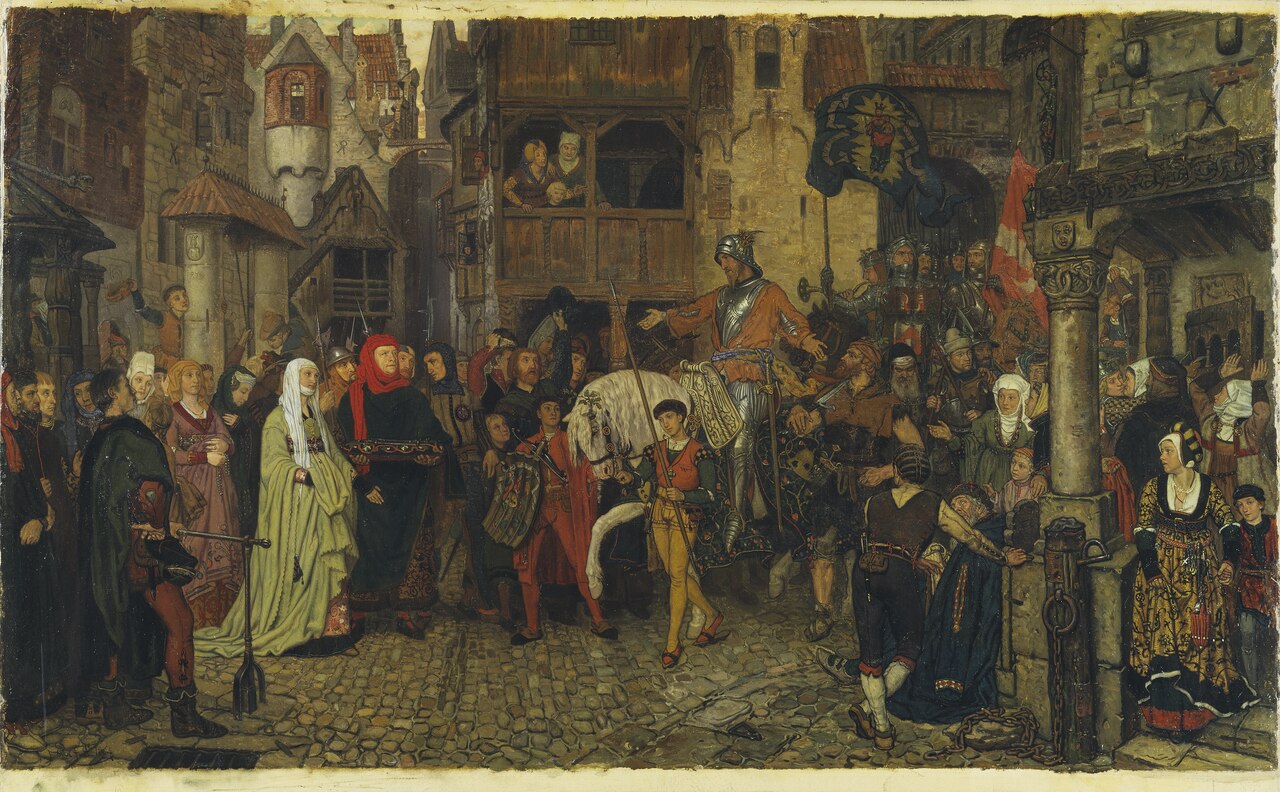
Georg von Rosen (1843–1923) was a French‑born painter of Swedish noble descent, known for his academic history paintings and portraits. His work includes notable pieces such as "Erik XIV, King of Sweden" (1871) and "The Entry of Sten Sture the Elder into Stockholm" (1864).
Notable works
Early life Georg von Rosen was born in 1843 in Paris, France, into a family of Swedish aristocracy. His father, a count (greve), maintained strong ties to Sweden, which meant that von Rosen grew up bilingual and was exposed to both French and Swedish cultural traditions. The young Georg showed an early aptitude for drawing, encouraged by his mother who arranged for him to attend drawing classes at the École des Beaux‑Arts in Paris. The cosmopolitan environment of mid‑nineteenth‑century Paris, combined with the intellectual heritage of his Swedish lineage, laid the foundation for a career that would blend rigorous academic training with a fascination for historical narrative.
Career and style After completing his formal studies, von Rosen embarked on a career that aligned with the dominant Academic style of the period. He was drawn to history painting, a genre that enjoyed the highest prestige in the French Academy. His works are characterised by careful composition, clear drawing, and a polished finish, reflecting the influence of masters such as Ingres and Delacroix. While his nationality was listed as French, von Rosen frequently returned to his Swedish roots for inspiration, producing a series of works that celebrated Scandinavian history and notable figures. This dual identity allowed him to navigate both French artistic circles and the emerging national museums of Sweden.
Signature techniques Von Rosen’s technique was rooted in the academic tradition of drawing from life and from classical casts. He employed a restrained palette of earth tones, occasionally brightening scenes with selective use of red or gold to highlight regal or ceremonial elements. His brushwork was smooth and invisible, aiming for a seamless surface that emphasized form over texture. In portraiture, he used subtle chiaroscuro to model the face, capturing both the likeness and the social status of his subjects. A hallmark of his later works is the inclusion of finely rendered architectural details, which serve both as a compositional anchor and as a narrative device.
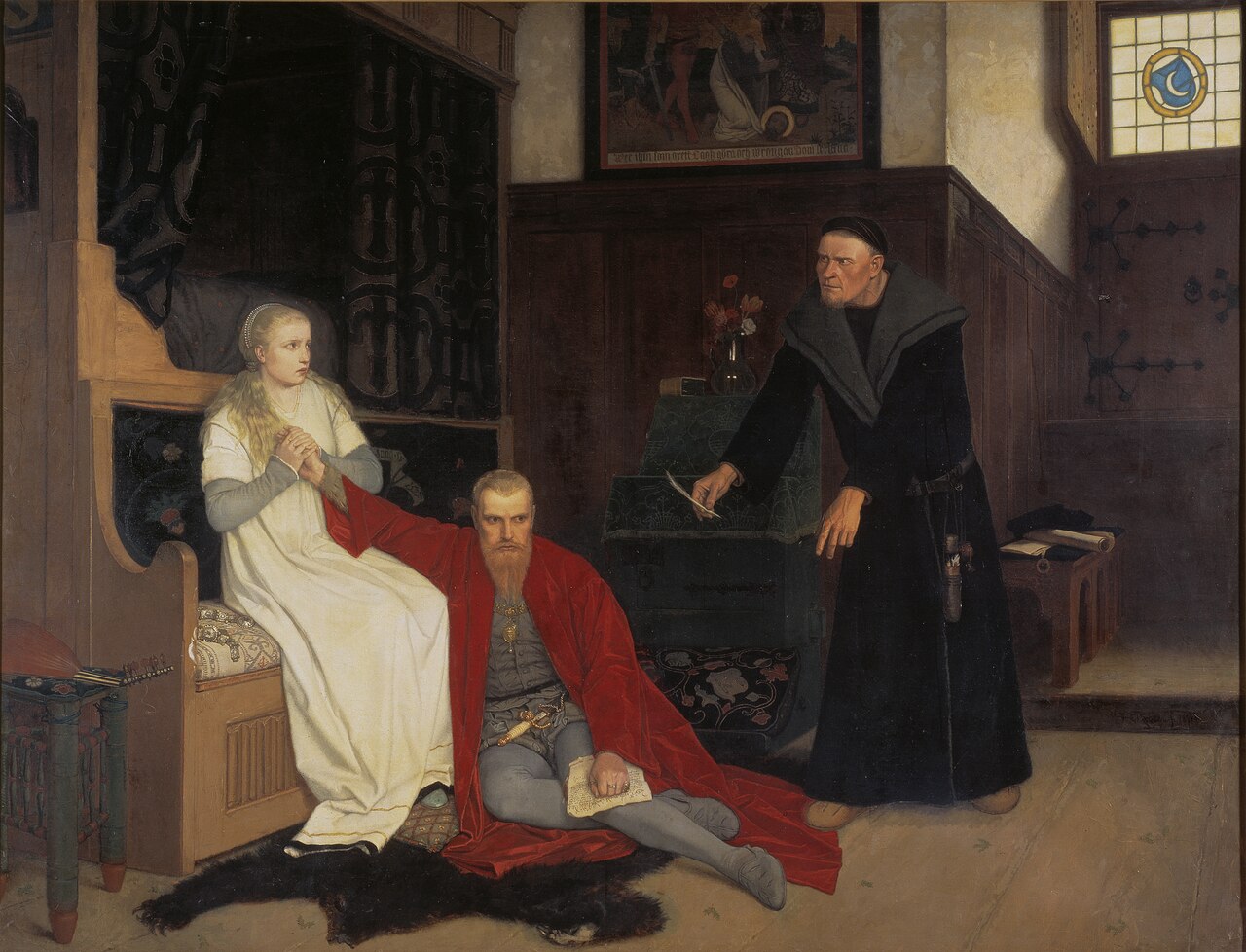
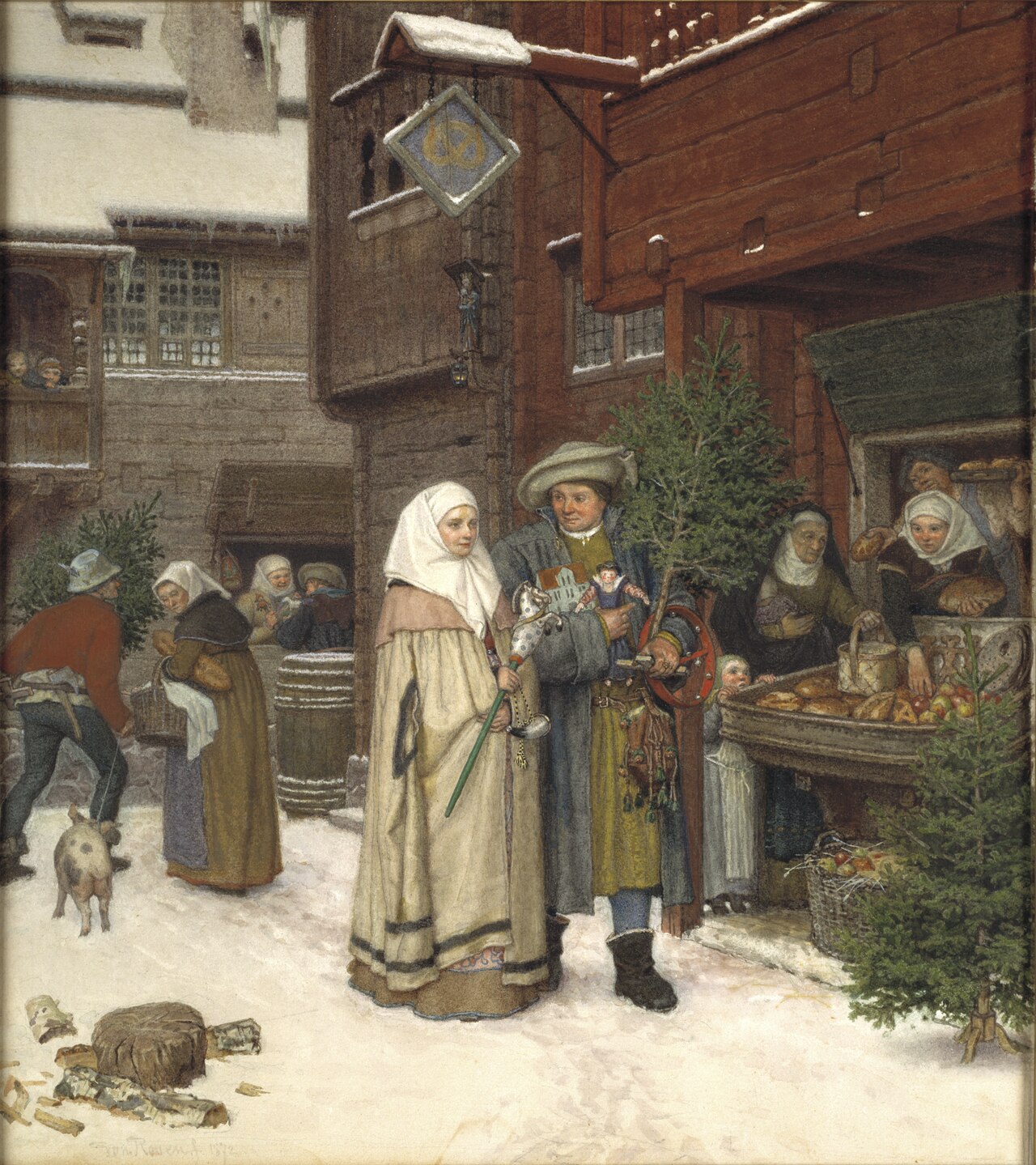
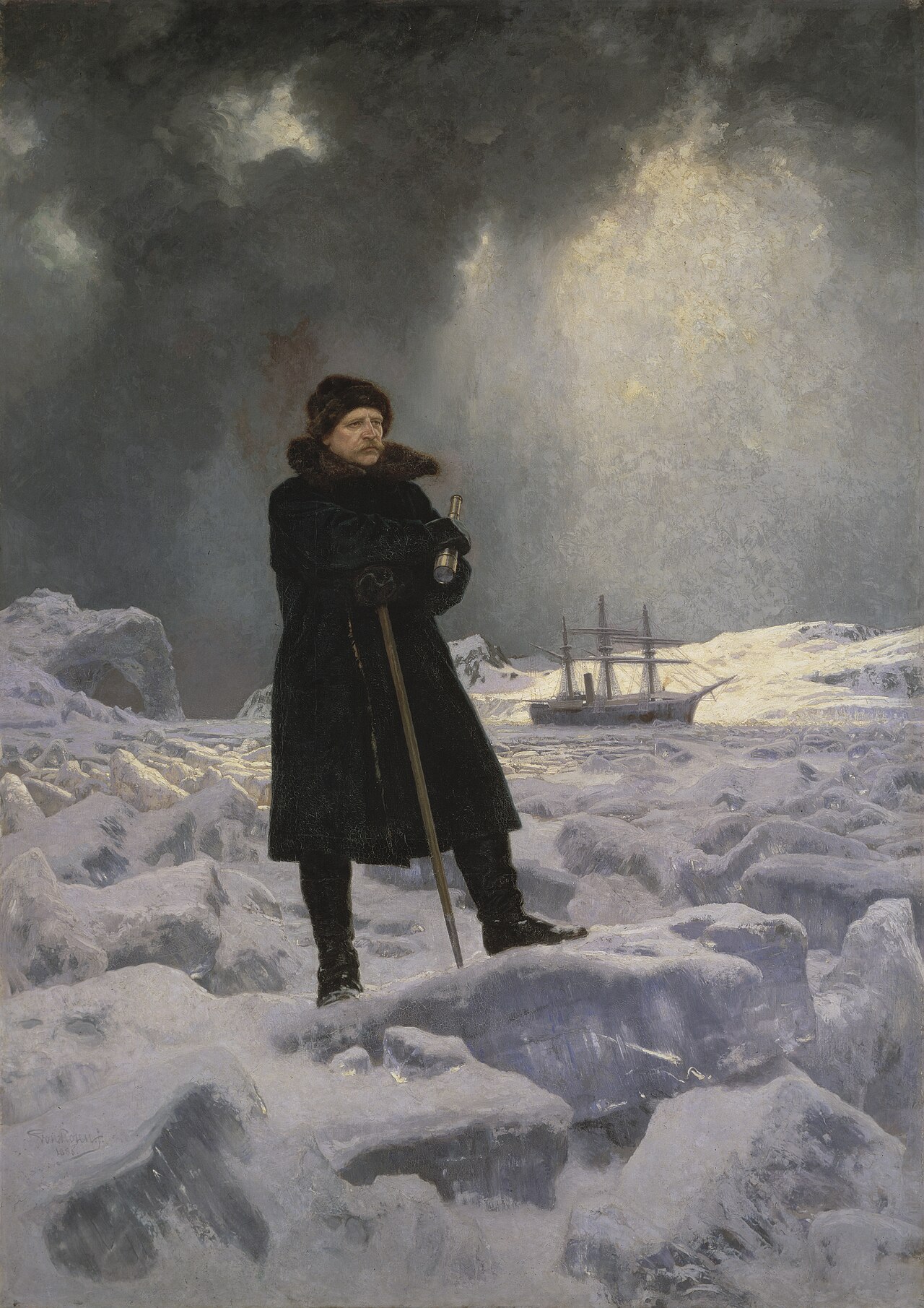
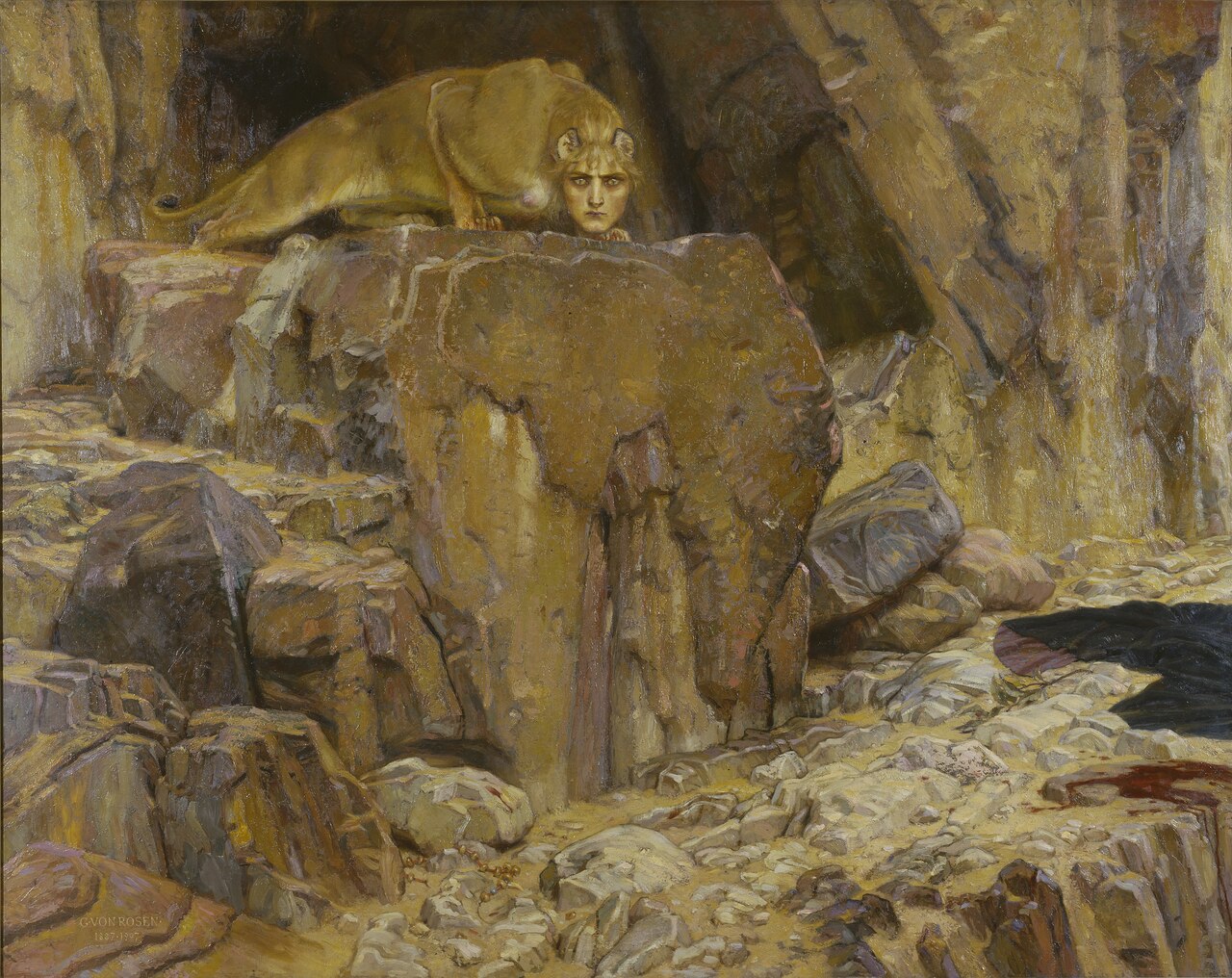
Major works - **"Erik XIV, King of Sweden" (1871)** – This oil painting depicts the Swedish monarch in a moment of contemplation, surrounded by opulent court furnishings. Von Rosen’s meticulous rendering of the king’s attire and the surrounding décor reflects his mastery of historical accuracy and his ability to convey regal authority. - **"The Christmas Fair" (1872)** – A lively genre scene, this work captures a bustling market during the festive season. Though less overtly historical, the painting showcases von Rosen’s skill in rendering crowd dynamics and atmospheric light, underscoring his versatility beyond portraiture. - **"Adolf Erik Nordenskiöld" (1886)** – A portrait of the famed explorer, the painting combines a dignified pose with a subtle background that hints at polar expeditions. Von Rosen’s attention to the subject’s facial expression conveys both resolve and curiosity, aligning with the explorer’s celebrated status. - **"The Sphinx" (1887)** – This enigmatic work departs from pure historical narrative, presenting a solitary sphinx against a stark landscape. The painting reflects von Rosen’s interest in mythological symbolism and his ability to convey mystery through controlled lighting and composition. - **"The Entry of Sten Sture the Elder into Stockholm" (1864)** – One of von Rosen’s earliest large‑scale history paintings, it dramatizes the triumphant return of the Swedish statesman. The composition is dominated by a foreground of marching figures, while the cityscape in the background provides a sense of place. The work exemplifies von Rosen’s commitment to historical fidelity and his skill in orchestrating complex group scenes.
Influence and legacy Georg von Rosen’s career spanned a period of transition in European art, from the dominance of academic classicism to the rise of modernist movements. Although he remained faithful to the academic tradition, his works contributed to a broader appreciation of Scandinavian history within the French artistic milieu. By presenting Swedish subjects through a French academic lens, von Rosen helped bridge cultural narratives and inspired later artists who sought to combine national themes with international techniques. His portraits of notable figures, such as Nordenskiöld, continue to be referenced in museum collections as exemplary representations of nineteenth‑century portraiture. Today, von Rosen is recognised for his disciplined technique, his ability to convey historical gravitas, and his role in fostering cross‑cultural artistic dialogue.
Frequently asked questions
Who was Georg von Rosen?
Georg von Rosen (1843–1923) was a French‑born painter of Swedish noble descent, best known for his academic history paintings and portraits.
What artistic style or movement is he associated with?
He worked within the Academic style, emphasizing precise drawing, smooth brushwork, and historical subjects.
What are his most famous works?
His most cited works include "Erik XIV, King of Sweden" (1871), "The Entry of Sten Sture the Elder into Stockholm" (1864), and the portrait "Adolf Erik Nordenskiöld" (1886).
Why does Georg von Rosen matter in art history?
He helped introduce Swedish historical themes to the French academic tradition, bridging cultural narratives and influencing later artists interested in national subjects.
How can I recognise a Georg von Rosen painting?
Look for polished, invisible brushwork, a restrained colour palette, meticulous architectural details, and a focus on historical or portrait subjects rendered with academic precision.