François Dumont
1751 – 1831
In short
François Dumont (1751–1831) was a French painter specialised in portrait miniatures. Born in Lunéville and active mainly in Paris, he produced finely detailed miniature portraits for aristocratic and bourgeois patrons during the late 18th and early 19th centuries.
Notable works

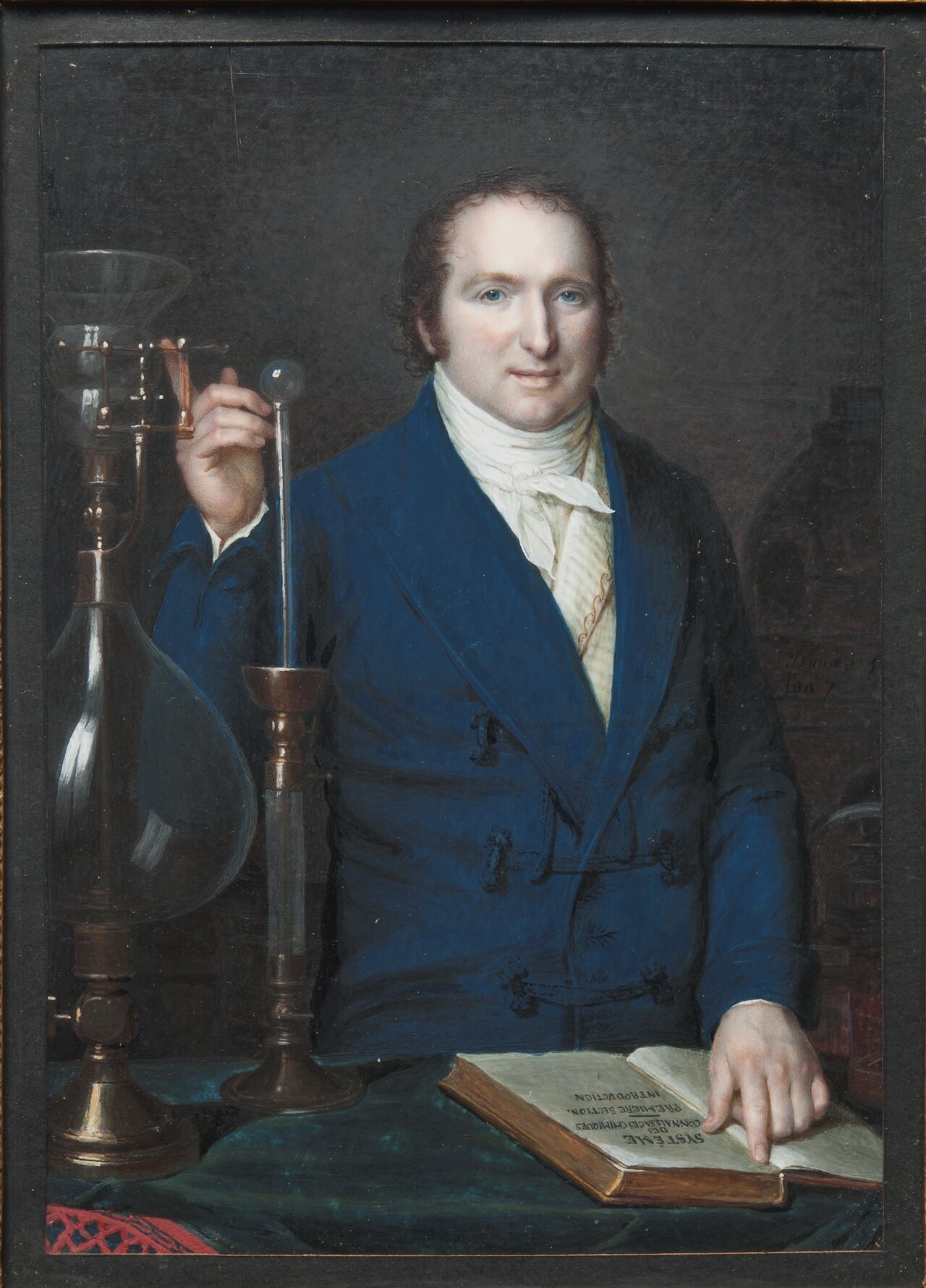
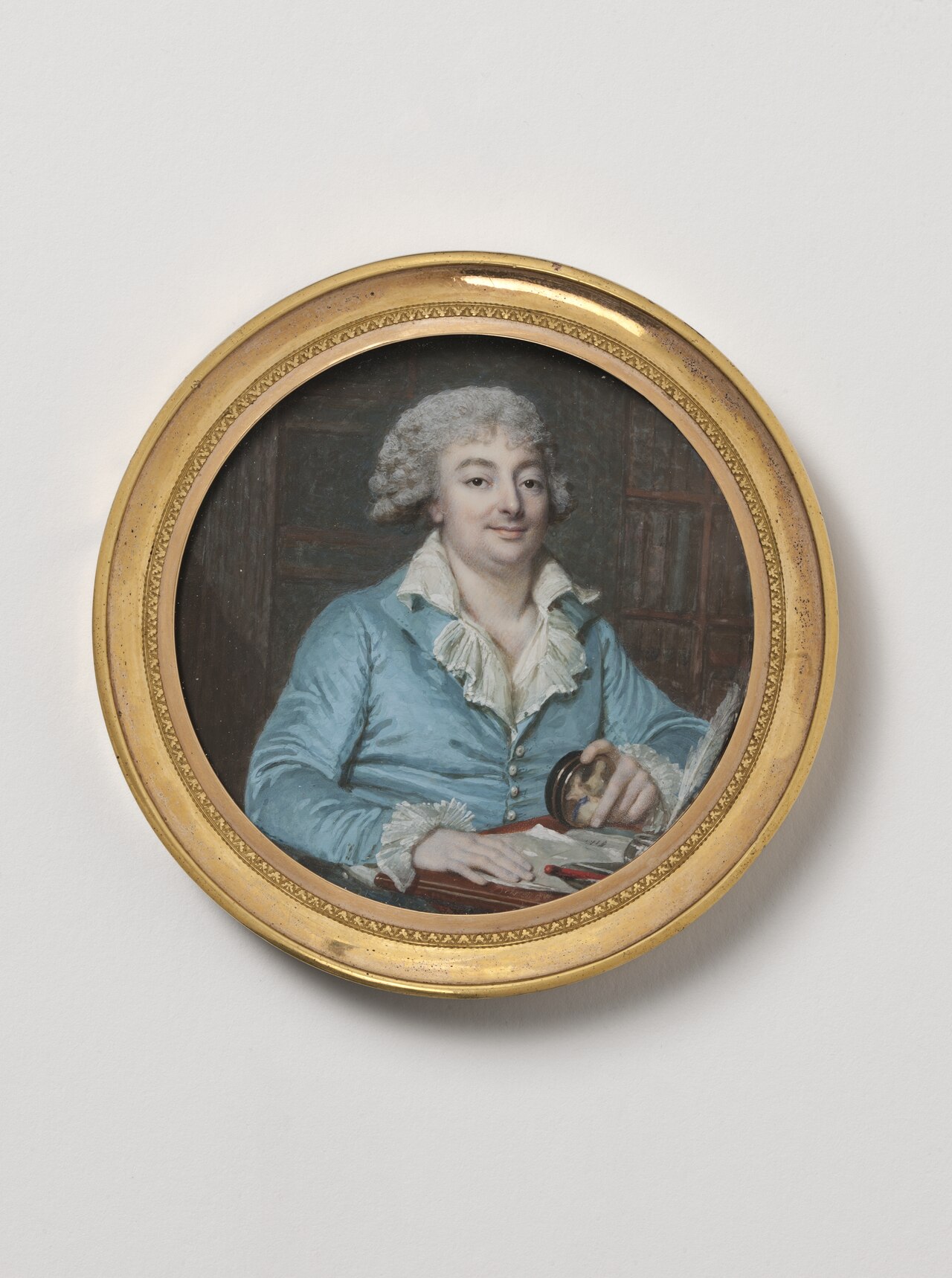

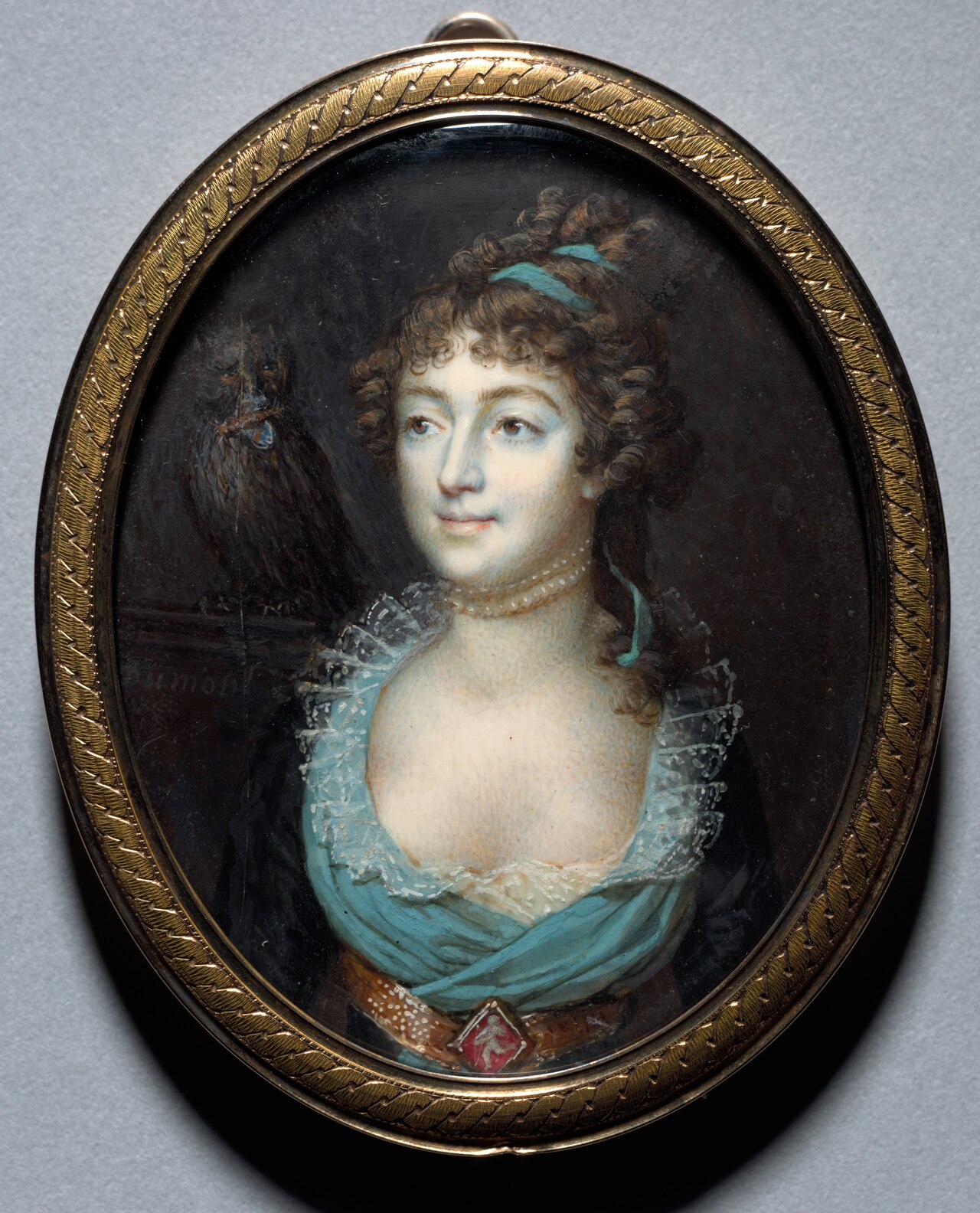
Early life François Dumont was born in 1751 in the town of Lunéville, located in the historic province of Lorraine, France. Little is known about his family background, but the region’s thriving court culture – the nearby ducal court of Stanisław Leszczyński – provided a fertile environment for artistic apprenticeship. Dumont likely received his initial training in local workshops before moving to Paris, the centre of French artistic life, where he could study the prevailing techniques of miniature painting.
Career and style By the 1770s Dumont had established himself in Paris as a portrait miniaturist, a niche that catered to the aristocracy’s demand for intimate, portable likenesses. He worked primarily for private patrons, producing works that were often exchanged as diplomatic gifts or displayed in private cabinets of curiosities. His career spanned the turbulent years of the French Revolution, the Directory, and the Napoleonic Empire, a period that saw both a decline in aristocratic commissions and a rise in bourgeois patronage. Dumont adapted by offering his miniature portraits to a broader clientele, including emerging professional women artists and members of the new elite.
Stylistically, Dumont’s miniatures combine the elegance of Rococo portraiture with the emerging neoclassical restraint of the late 18th century. His figures are rendered with a keen eye for facial expression, while the surrounding attire and accessories are depicted with meticulous detail. The colour palette often balances soft pastels with richer, jewel‑toned accents, reflecting both the sitter’s status and contemporary fashion.
Signature techniques Dumont worked chiefly in watercolour on ivory, the standard support for miniature painting of his time. He employed a fine sable brush to achieve delicate line work, layering translucent washes to build depth in skin tones. A characteristic feature of his technique is the subtle modelling of fabric folds, achieved through a combination of dry brush strokes and wet‑on‑wet glazing. This approach creates a luminous quality that captures the texture of silk, lace, and brocade. Additionally, Dumont’s use of fine stippling for background elements—often a muted landscape or an ornamental motif—helps to focus the viewer’s attention on the sitter’s face.
Major works - **Portrait of a Woman with a Blue Dress and a Bodice Decorated with Flowers (1785)** – This miniature showcases Dumont’s skill in rendering luxurious textiles. The blue dress, rendered in delicate washes, contrasts with a richly embroidered bodice whose floral motifs are painstakingly detailed. The sitter’s serene expression exemplifies the artist’s ability to convey personality within a confined format. - **Portrait of Antoine François, Comte de Fourcroy (1798)** – Created after the Revolutionary period, this work reflects a more restrained aesthetic. The Comte is depicted in a sober dark coat, his face illuminated by a subtle chiaroscuro that highlights his intellectual demeanor. The background is a muted grey, allowing the sitter’s features to dominate. - **Unknown man** – Though the identity of the sitter remains uncertain, the miniature is notable for its precise rendering of facial features and the crispness of the hair’s texture. The work demonstrates Dumont’s consistent attention to anatomical accuracy, even when the narrative context is absent. - **Portrait of Marguerite Gérard (1804)** – This piece captures the celebrated French painter Marguerite Gérard, a contemporary of Dumont. The miniature presents her with a modest bonnet and a contemplative gaze, reflecting both the artist’s respect for his peer and the subtle shift toward Romantic sensibility in the early 19th century. - **Portrait of Mademoiselle Marie‑Anne Adelaide Le Normand (1793)** – Executed during the early Revolutionary era, this miniature combines the sitter’s youthful elegance with a background of faint, almost abstract foliage. The work’s delicate handling of light on the sitter’s skin illustrates Dumont’s mastery of the watercolour medium.
Influence and legacy François Dumont occupies a respected place within the tradition of French miniature portraiture. His meticulous technique and ability to adapt to changing patronage patterns helped sustain the miniature genre at a time when larger oil portraits were gaining prominence. Through his works, Dumont contributed to the visual documentation of French society across a period of profound political change, offering historians valuable insight into the fashions, personalities, and social networks of the era.
Later artists of the 19th‑century French miniature school, such as Jean-Baptiste Isabey and Louise-Adélaïde Desnos, inherited Dumont’s emphasis on refined brushwork and subtle colour modulation. Modern collectors value his miniatures for their technical excellence and rarity; many of his works are held in private collections and museum holdings, including the Musée du Louvre’s decorative arts department. In contemporary scholarship, Dumont is recognised not only for his artistic skill but also for his role in preserving intimate visual records of a transformative epoch in French history.
Frequently asked questions
Who was François Dumont?
François Dumont (1751–1831) was a French painter specialised in portrait miniatures, active mainly in Paris during the late 18th and early 19th centuries.
What artistic style or movement is he associated with?
He worked within the tradition of miniature portraiture, blending Rococo elegance with the emerging neoclassical restraint of his era.
What are his most famous works?
Key works include the 1785 "Portrait of a Woman with a Blue Dress and a Bodice Decorated with Flowers," the 1798 "Portrait of Antoine François, Comte de Fourcroy," and the 1804 "Portrait of Marguerite Gérard."
Why does he matter in art history?
Dumont helped sustain the miniature genre through political upheaval, providing finely detailed visual records of French society and influencing later miniature artists.
How can I recognise a Dumont miniature?
Look for watercolour on ivory, extremely fine brushwork, delicate modelling of fabrics, and a luminous skin tone that together create an intimate, highly detailed portrait.