Fernando Quaglia
1780 – 1853
In short
Fernando Quaglia (1780–1853) was a portrait miniaturist born in Piacenza who worked mainly in Paris. He is noted for his finely rendered miniature portraits of European elites, including Napoleon I and the Swedish queen Desideria.
Notable works

Early life Fernando Quaglia was born in 1780 in the northern Italian city of Piacenza, a region known for its artistic traditions dating back to the Renaissance. Little is documented about his family background or early training, and his exact nationality remains unclear in the historical record. Contemporary sources suggest that he received his initial artistic education locally, likely under the guidance of regional painters who specialised in portraiture and miniature work. By the turn of the century, Quaglia had moved to Paris, the cultural capital of Europe, where a thriving market for portrait miniatures offered opportunities for skilled artists.
Career and style In Paris, Quaglia established himself as a specialist in miniature painting, a genre that demanded precision, delicate brushwork, and an intimate knowledge of colour modulation on a very small scale. His career flourished during the first decades of the 19th century, a period marked by political upheaval and a high demand for personal likenesses among the aristocracy and emerging bourgeoisie. Quaglia’s clientele included military leaders, members of the imperial court, and foreign royalty. Though the specific artistic movement with which he is associated remains unidentified, his work reflects the neoclassical emphasis on clear modelling and restrained colour that dominated French portraiture after the Revolution.
Quaglia’s style can be characterised by its meticulous attention to facial detail, subtle chiaroscuro, and a restrained palette that favours soft earth tones and muted blues. The miniatures often convey a quiet dignity, aligning with the conventions of elite portraiture while retaining the intimate scale that made miniature painting a personal keepsake. His compositions typically centre the sitter within a modestly decorated frame, allowing the viewer to focus on the nuanced expression and fine rendering of hair, skin, and attire.
Signature techniques Quaglia employed the traditional materials of miniature painting, working on vellum or ivory prepared with a gesso ground. He used water‑soluble pigments mixed with a binding medium, applying them in thin, layered washes to achieve depth without sacrificing the luminosity of the substrate. A distinctive feature of his technique is the delicate handling of hair, where he rendered individual strands with fine, almost calligraphic strokes, creating a sense of movement and texture.
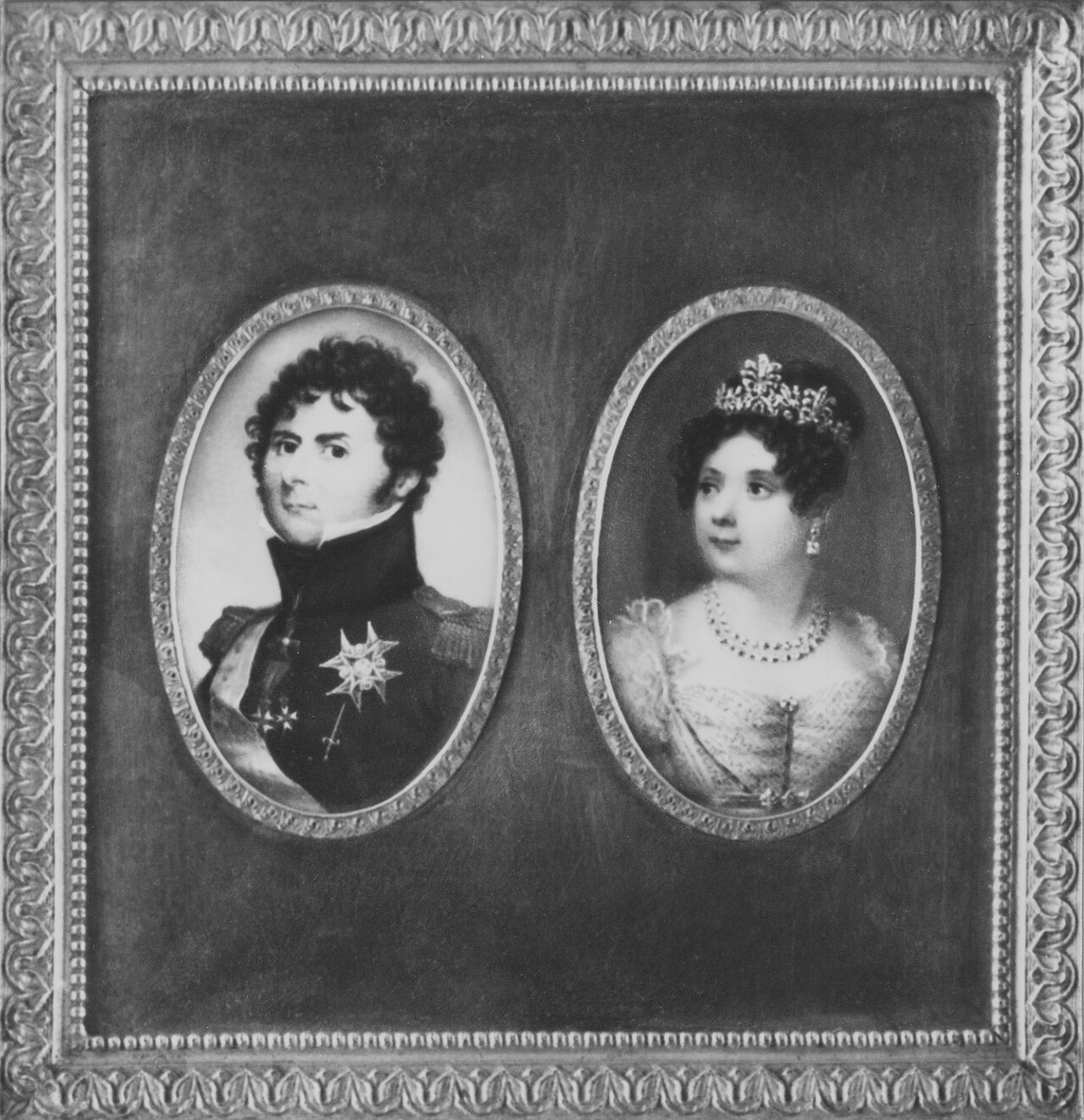
His colour modulation relied on a limited but carefully calibrated palette, often building skin tones through successive glazes of pink, ochre, and a hint of ultramarine. The miniature’s surface was finished with a protective varnish that enhanced the subtle sheen of the paint, a practice common among miniaturists seeking durability for objects that were frequently handled. Quaglia’s frames, sometimes supplied by external craftsmen, were chosen to complement the miniature’s tone, and in several cases he integrated the frame into the overall visual narrative, as seen in the Swedish royal portrait.
Major works Among Quaglia’s documented works are several portraits that illustrate both his technical skill and the breadth of his patronage.
- Desideria, drottning av Sverige – This miniature depicts Queen Desideria of Sweden, presented in a frame that is noted to be mounted alongside the work identified as NMB 609. The portrait captures the queen’s regal bearing while maintaining the intimate scale characteristic of Quaglia’s oeuvre.
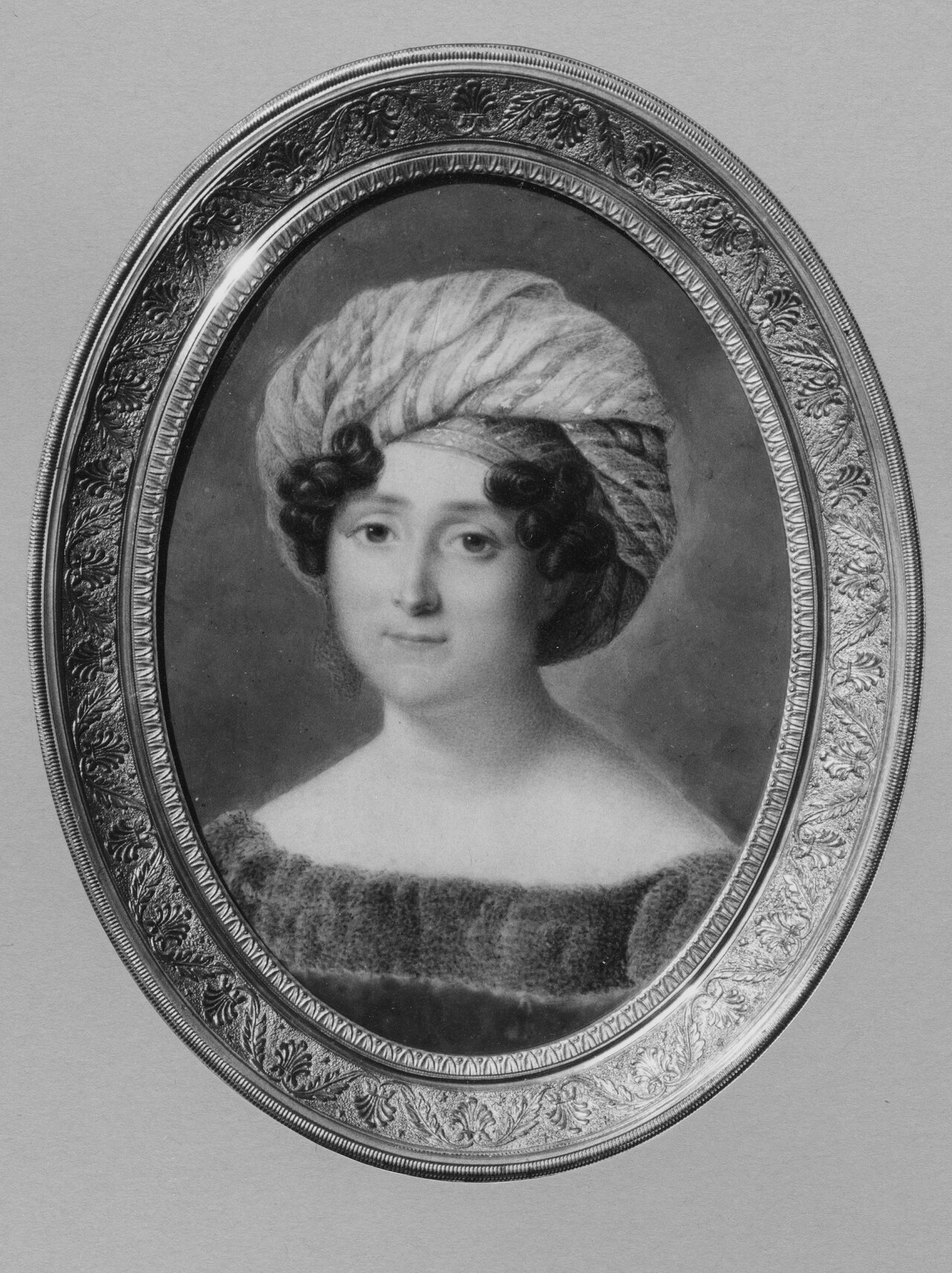
- Okänd dam – Translating to “Unknown Lady,” this work demonstrates Quaglia’s ability to convey personality without the aid of a known identity. The sitter’s graceful pose and subtle expression highlight the artist’s skill in rendering nuanced emotional states.
- Portrait of Ignazio Degotti (1812) – Created during a period when Quaglia was active in Paris, this miniature records the likeness of Ignazio Degotti, a figure whose precise social standing is less recorded. The work showcases the artist’s precise draftsmanship and his capacity to capture the sitter’s attire with meticulous detail.
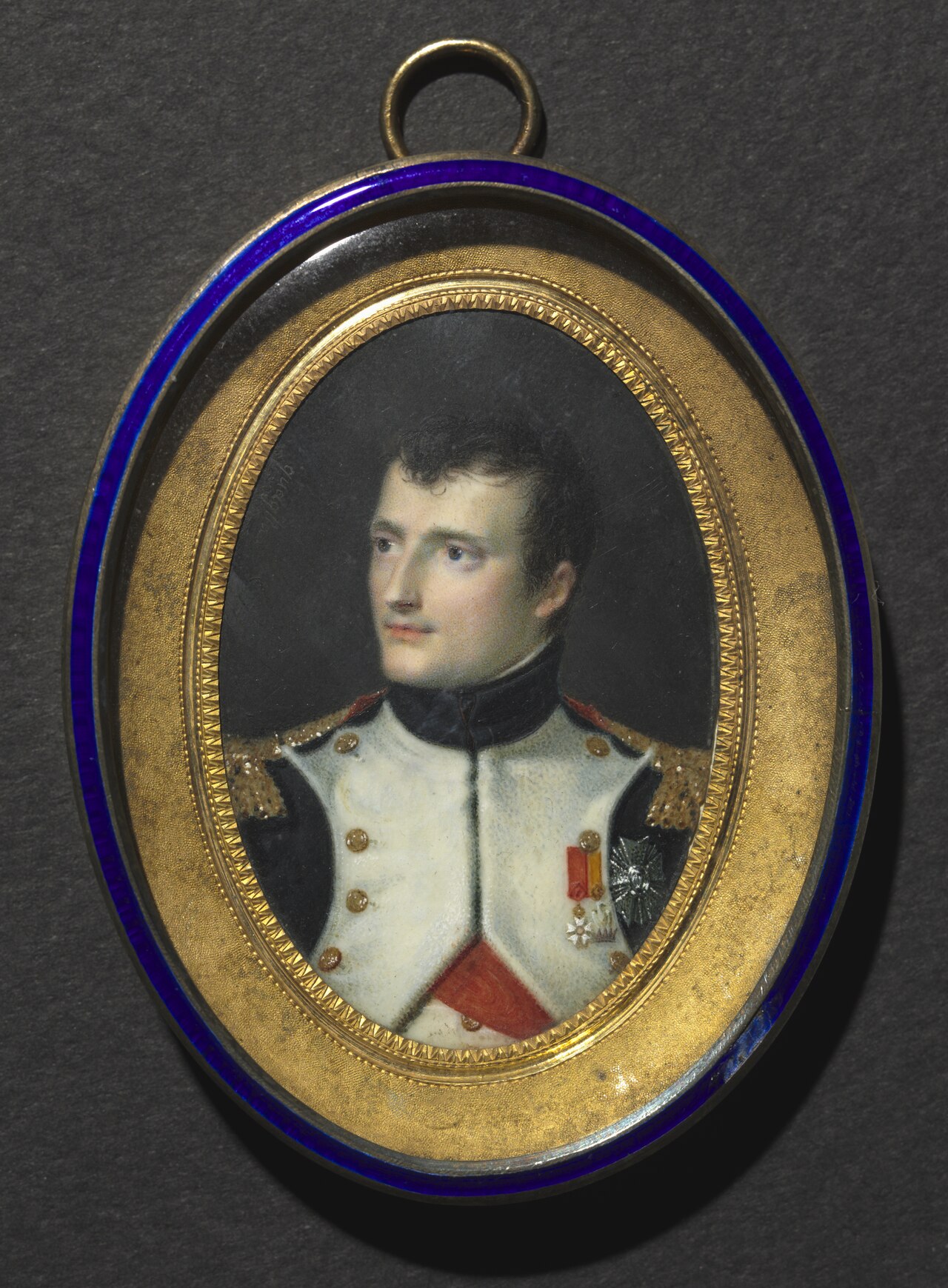
- Portrait of Napoleon I, Emperor of the French (1805) – One of Quaglia’s most historically significant pieces, this miniature presents Napoleon in imperial regalia. The portrait reflects the neoclassical influence of the era, with a restrained colour scheme and a focus on the emperor’s authoritative gaze.
Additional historical references note that Quaglia painted portraits of Marshal Junot and Empress Josephine, further attesting to his engagement with the political elite of his time. While these works are not extant in public collections, they are mentioned in contemporary accounts of his career.
Influence and legacy Fernando Quaglia’s contribution to the art of miniature painting lies in his synthesis of Italian training with the French neoclassical aesthetic. Although his nationality is uncertain, his work embodies the cross‑cultural exchanges that characterised the artistic environment of early‑19th‑century Paris. By producing miniatures for high‑profile clients, he helped sustain the genre at a time when larger oil portraits were increasingly dominant.
The survival of several of his miniatures in museum collections and private holdings provides valuable insight into the material culture of portraiture during the Napoleonic era. Scholars of miniature painting reference Quaglia when discussing the technical evolution of the medium, particularly his refined handling of hair and skin tones. While he did not found a distinct school, his meticulous approach influenced contemporaries and later practitioners who sought to balance realism with the intimate scale of the miniature.
Quaglia died in Paris in 1853, leaving behind a body of work that, though not widely known outside specialist circles, remains an important testament to the craftsmanship and social function of portrait miniatures in the early 19th century.
Frequently asked questions
Who was Fernando Quaglia?
Fernando Quaglia (1780–1853) was a portrait miniaturist born in Piacenza who worked mainly in Paris, creating finely detailed miniature portraits of European elites.
What style or movement is he associated with?
His work aligns with the neoclassical portrait tradition of early‑19th‑century France, emphasizing clear modelling, restrained colour, and meticulous detail.
What are his most famous works?
Key works include the miniature of Queen Desideria of Sweden, the Portrait of Napoleon I (1805), the Portrait of Ignazio Degotti (1812), and the unnamed lady titled ‘Okänd dam.’
Why does Quaglia matter in art history?
Quaglia exemplifies the high level of technical skill in miniature painting during a period when larger oil portraits dominated, and his portraits of notable figures provide valuable visual documentation of the era.
How can I recognise a Fernando Quaglia miniature?
Look for delicately rendered hair, subtle skin tones built through layered glazes, a restrained palette, and a modest frame that enhances the intimate scale of the portrait.