Eugène Joors
1850 – 1910
In short
Eugène Joors (1850–1910) was a Belgian painter known for his realistic depictions of everyday subjects, including portraits, genre scenes and still‑lifes. He worked primarily in the late‑19th century, producing works such as Waterfowl (1892) and Children Feeding Pigeons in the Park (1887).
Notable works
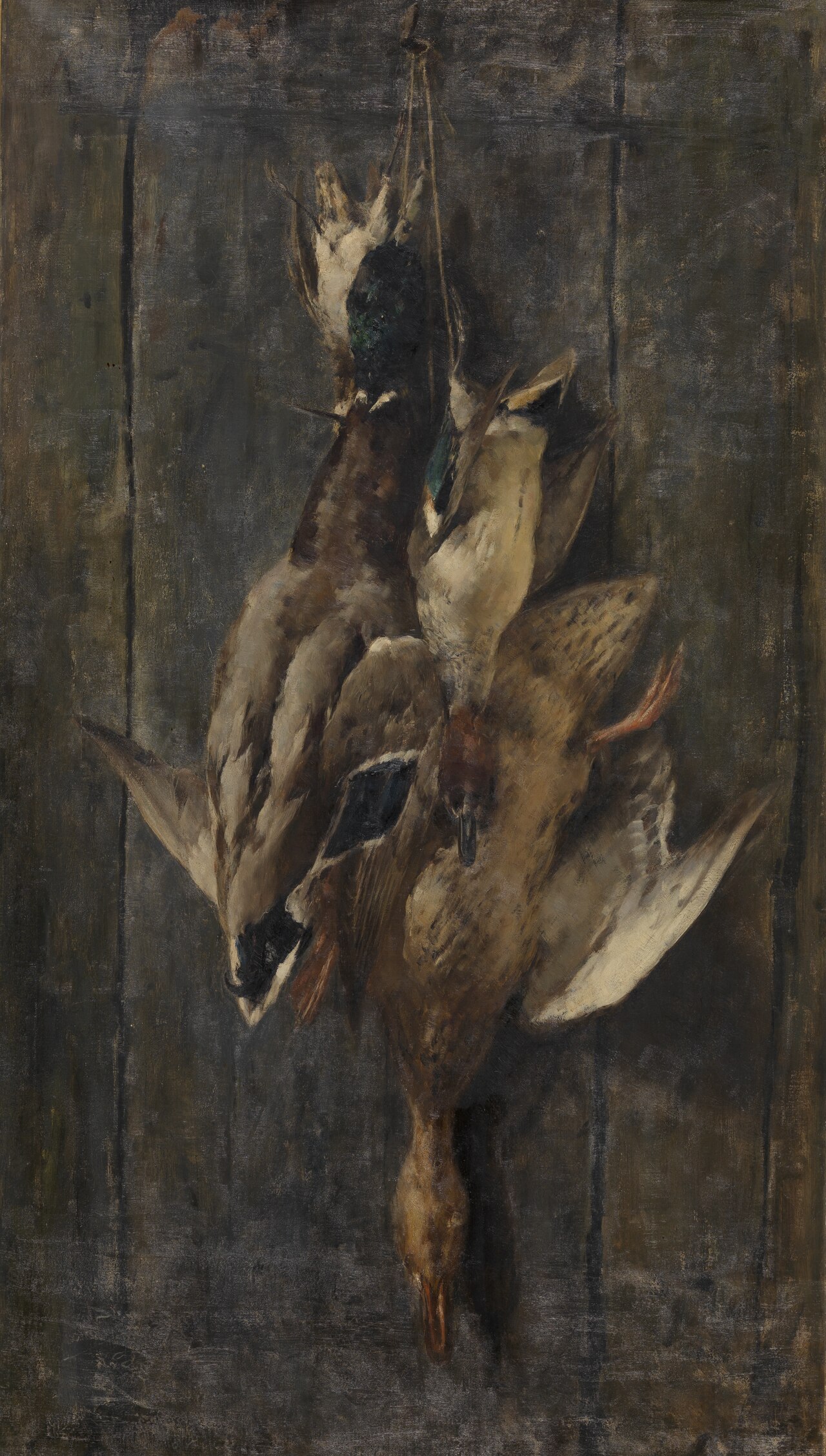

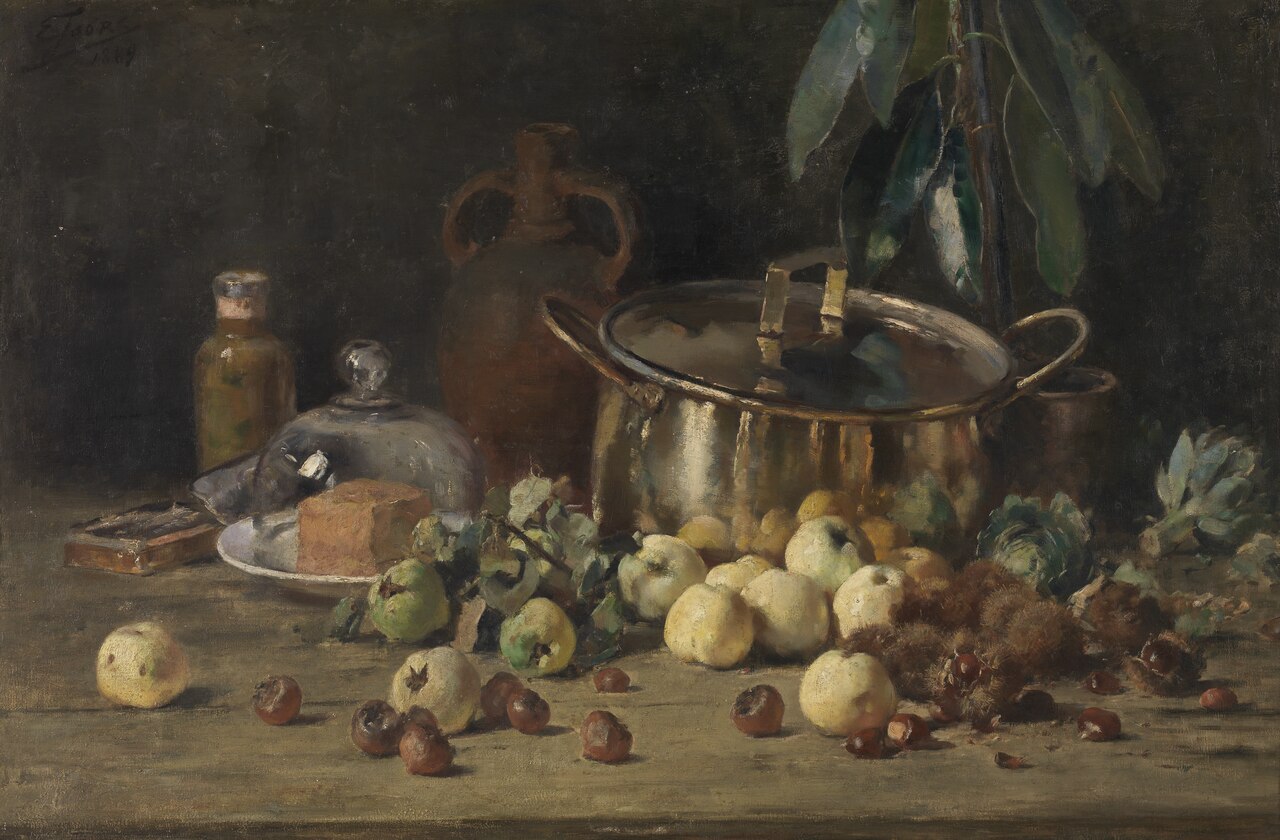
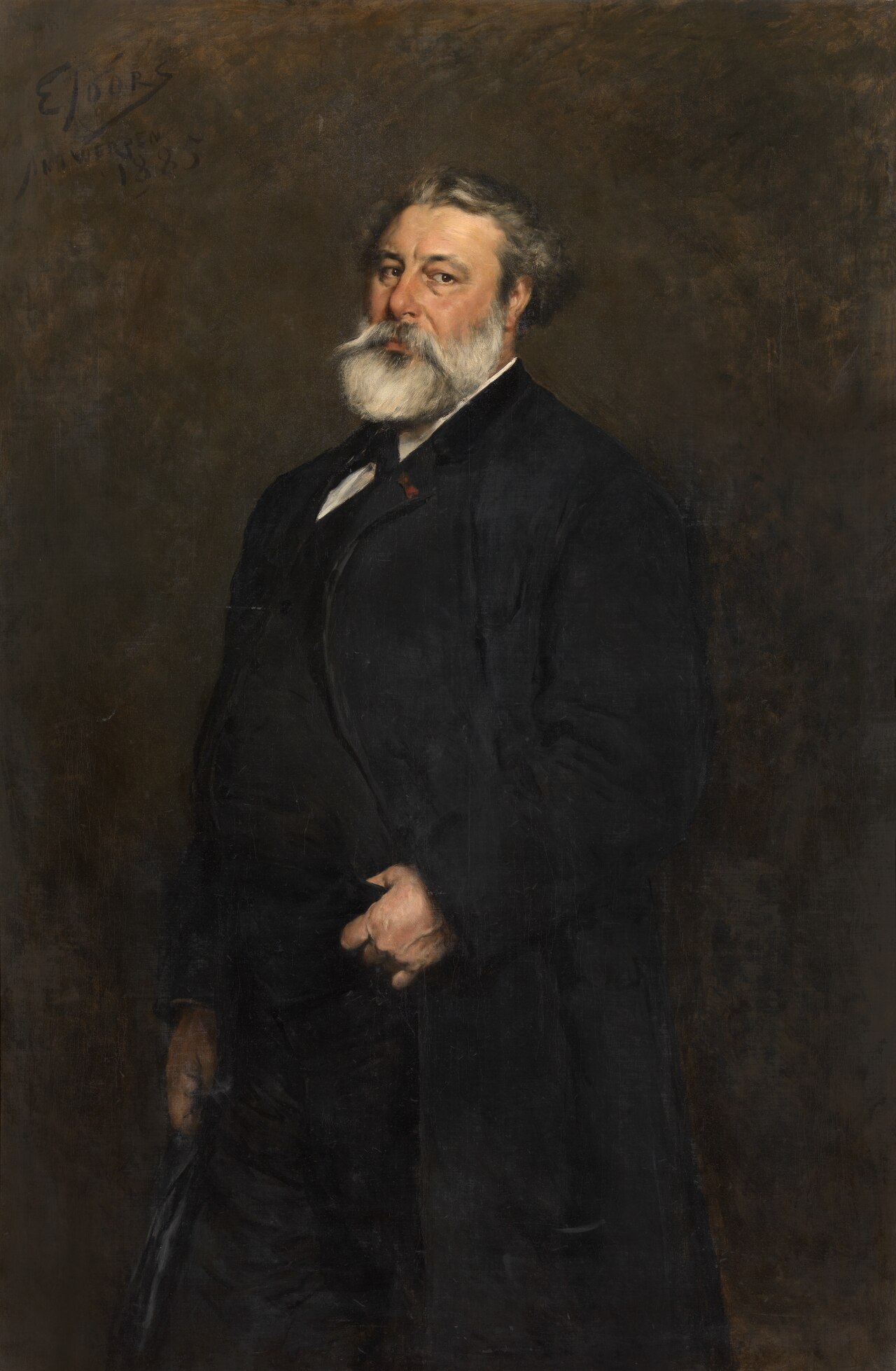

Early life Eugène Joors was born in 1850 in the district of Borgerhout, now part of the city of Antwerp, Belgium. Details of his family background are scarce, but contemporary records indicate that he showed an early aptitude for drawing. As was common for aspiring artists of his generation, Joors likely received his first instruction in a local drawing school before pursuing more formal training in a regional academy. The cultural milieu of Belgium in the mid‑19th century, with its flourishing artistic societies and exhibitions, provided a fertile environment for a young realist to develop his craft.
Career and style By the 1870s Joors had begun to exhibit his work publicly, aligning himself with the realist tradition that dominated Belgian painting at the time. Realism in Belgium emphasized accurate observation of everyday life, a departure from the idealised subjects of earlier academic art. Joors applied this approach to a range of subjects, from portraiture to genre scenes, producing works that combined meticulous detail with a subtle, often lyrical, handling of light. Although he is not linked to a specific avant‑garde movement, his oeuvre reflects the broader shift toward naturalistic representation that characterised the latter half of the 19th century.
Signature techniques Joors’ paintings are distinguished by several recurring technical choices. First, he employed a restrained palette, favouring earth tones and muted colours that enhanced the sense of realism. Second, his handling of light was nuanced; he often used soft, diffused illumination to model forms without dramatic contrast, lending his subjects a calm, contemplative atmosphere. Third, his brushwork varied according to the surface depicted: smooth, almost invisible strokes rendered the flesh and textiles of his portrait subjects, while more textured applications conveyed the tactile qualities of objects such as fruit, metal or feathers. Finally, his compositions were typically balanced and straightforward, allowing the viewer’s eye to move naturally across the scene.
Major works - **The Painter Jacob Jacobs (1884)** – A portrait of fellow artist Jacob Jacobs, this work showcases Joors’ skill in capturing both likeness and personality. The sitter is rendered with careful attention to facial expression, while the background remains understated, drawing focus to the subject’s hands and palette. - **The Painter Henri François Schaefels (1885)** – Another portrait of a contemporary painter, this piece reflects Joors’ interest in documenting the artistic community of his time. The composition places Schaefels in a studio setting, with subtle lighting that highlights the texture of his clothing and the reflective surfaces of his tools. - **Still Life (1889)** – In this composition Joors arranges a modest selection of fruit, glassware and a tablecloth, demonstrating his command of texture and light. The painting exemplifies his restrained palette and his ability to render the tactile qualities of everyday objects with convincing realism. - **Children Feeding Pigeons in the Park (1887)** – A genre scene that captures a moment of innocent activity, the work depicts a group of children scattering seed to a flock of pigeons. Joors’ treatment of the figures and birds is delicate, and the soft daylight creates a gentle ambience that underscores the narrative. - **Waterfowl (1892)** – This later work focuses on a pair of waterfowl on a pond, rendered with precise anatomical detail. The reflective water surface and the subtle ripples demonstrate Joors’ continued fascination with the interplay of light and surface.
Influence and legacy Eugène Joors never achieved the fame of some of his Belgian contemporaries, yet his paintings contribute valuable insight into the realist practice of the period. By documenting fellow artists, everyday leisure activities and still‑life subjects, he preserved visual records of late‑19th‑century Belgian life. His works are held in several regional museums and private collections, where they are appreciated for their technical proficiency and quiet narrative power. Contemporary scholars of Belgian art cite Joors as an example of the many competent painters who sustained the realist tradition beyond its early peak, providing a bridge to the more diversified artistic currents of the early 20th century.
Frequently asked questions
Who was Eugène Joors?
Eugène Joors was a Belgian painter (1850–1910) who worked in a realistic style, producing portraits, genre scenes and still‑lifes during the late 19th century.
What artistic movement or style is he associated with?
He is associated with Belgian realism, a movement that focused on accurate, everyday representation rather than idealised or symbolic subjects.
What are his most famous works?
His most recognised works include Waterfowl (1892), Children Feeding Pigeons in the Park (1887), Still Life (1889), and portraits such as The Painter Jacob Jacobs (1884) and The Painter Henri François Schaefels (1885).
Why does Eugène Joors matter in art history?
Joors provides a clear example of the realist tradition in Belgium, documenting both artistic peers and everyday life, and his paintings help scholars understand the breadth of 19th‑century Belgian art beyond its most famous names.
How can I recognise an Eugène Joors painting?
Look for a muted colour palette, careful modelling of light, smooth brushwork on figures, and a calm, balanced composition that emphasises realistic detail over dramatic effect.