Donat Nonnotte
1708 – 1785
In short
Donat Nonnotte was a French painter born in 1708 in Besançon and died in 1785 in Lyon. He is known for his specialization in portraiture, creating notable works during his lifetime. Nonnotte's artistic career spanned several decades, leaving behind a legacy of captivating portraits.
Notable works
_Portrait_de_femme_-_Donat_Nonnotte_-_Mus%C3%A9e_des_Beaux-Arts_de_Narbonne.jpg)
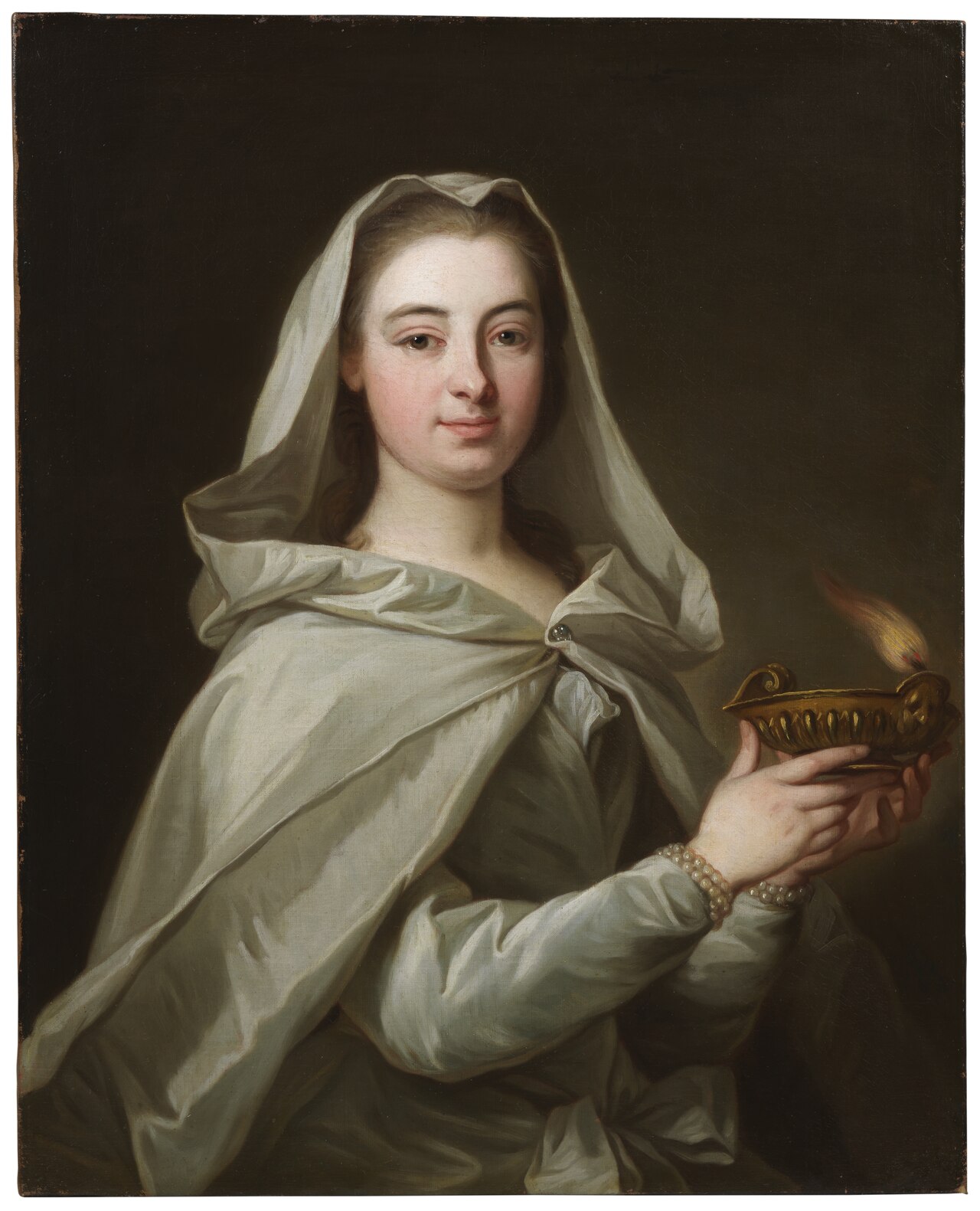


.jpg)
Early life Donat Nonnotte was born in 1708 in Besançon, France. Although specific details about his early life and training are scarce, it is known that he developed an interest in painting from a young age. Nonnotte's journey into the world of art was likely influenced by the cultural and artistic environment of his time.
Career and style Nonnotte's career as a painter was marked by his specialization in portraiture. This genre allowed him to capture the essence and characteristics of his subjects, often resulting in highly realistic and detailed works. The art movement or current he was associated with is not well-documented, but his style reflects the broader trends of 18th-century French painting, which emphasized elegance, refinement, and attention to detail.
Signature techniques Nonnotte's signature techniques are observable in his meticulous attention to detail and his ability to convey the personalities of his subjects through their expressions and poses. His use of color and lighting adds depth and dimension to his portraits, making them engaging and lifelike. While specific signature techniques might not be widely documented, his overall approach to portraiture suggests a masterful command of traditional painting methods.
Major works Among Nonnotte's notable works are 'Portrait of a woman' (1752), 'Charlotta Fredrika Sparre as Vestal', 'Portrait of Charlotta Sparre as a Vestal' (1741), 'Plafondkomposition med tre änglar', and 'Portrait of Mademoiselle Dumesnil' (1754). These portraits demonstrate his skill in capturing the likenesses and characters of his subjects. 'Portrait of Charlotta Sparre as a Vestal' and 'Charlotta Fredrika Sparre as Vestal' showcase his ability to portray elegance and refinement, while 'Portrait of Mademoiselle Dumesnil' highlights his capacity for conveying the subject's personality.
Influence and legacy Nonnotte's influence on the art world, particularly in the realm of portraiture, is evident in the enduring quality of his works. His portraits continue to be appreciated for their beauty and historical significance, offering insights into the lives and cultures of his subjects. Although the specific art movement he was part of is not well-documented, his contributions to French painting of the 18th century are undeniable. Nonnotte's legacy serves as a testament to the power of portraiture in capturing the essence of an era and its people.
Frequently asked questions
Who was Donat Nonnotte?
Donat Nonnotte was a French painter born in 1708 in Besançon, known for his specialization in portraiture.
What style or movement was Donat Nonnotte associated with?
The specific art movement or current Nonnotte was associated with is not well-documented, but his work reflects broader trends in 18th-century French painting, emphasizing elegance and refinement.
What are Donat Nonnotte's most famous works?
Nonnotte's notable works include 'Portrait of a woman' (1752), 'Charlotta Fredrika Sparre as Vestal', 'Portrait of Charlotta Sparre as a Vestal' (1741), 'Plafondkomposition med tre änglar', and 'Portrait of Mademoiselle Dumesnil' (1754).
Why does Donat Nonnotte matter in art history?
Nonnotte matters because his portraits provide valuable insights into the lives and cultures of his subjects, contributing to the richness of 18th-century French art and the tradition of portraiture.
How can I recognize Donat Nonnotte's work?
You can recognize Nonnotte's work by looking for highly detailed and realistic portraits that emphasize elegance and refinement, often with meticulous attention to the subject's expression, pose, and surroundings.