David Beck
1621 – 1656
In short
David Beck (1621–1656) was a Dutch Golden Age portrait painter from Delft who worked mainly in The Hague, producing high‑status portraits for the Swedish court and other European dignitaries.
Notable works
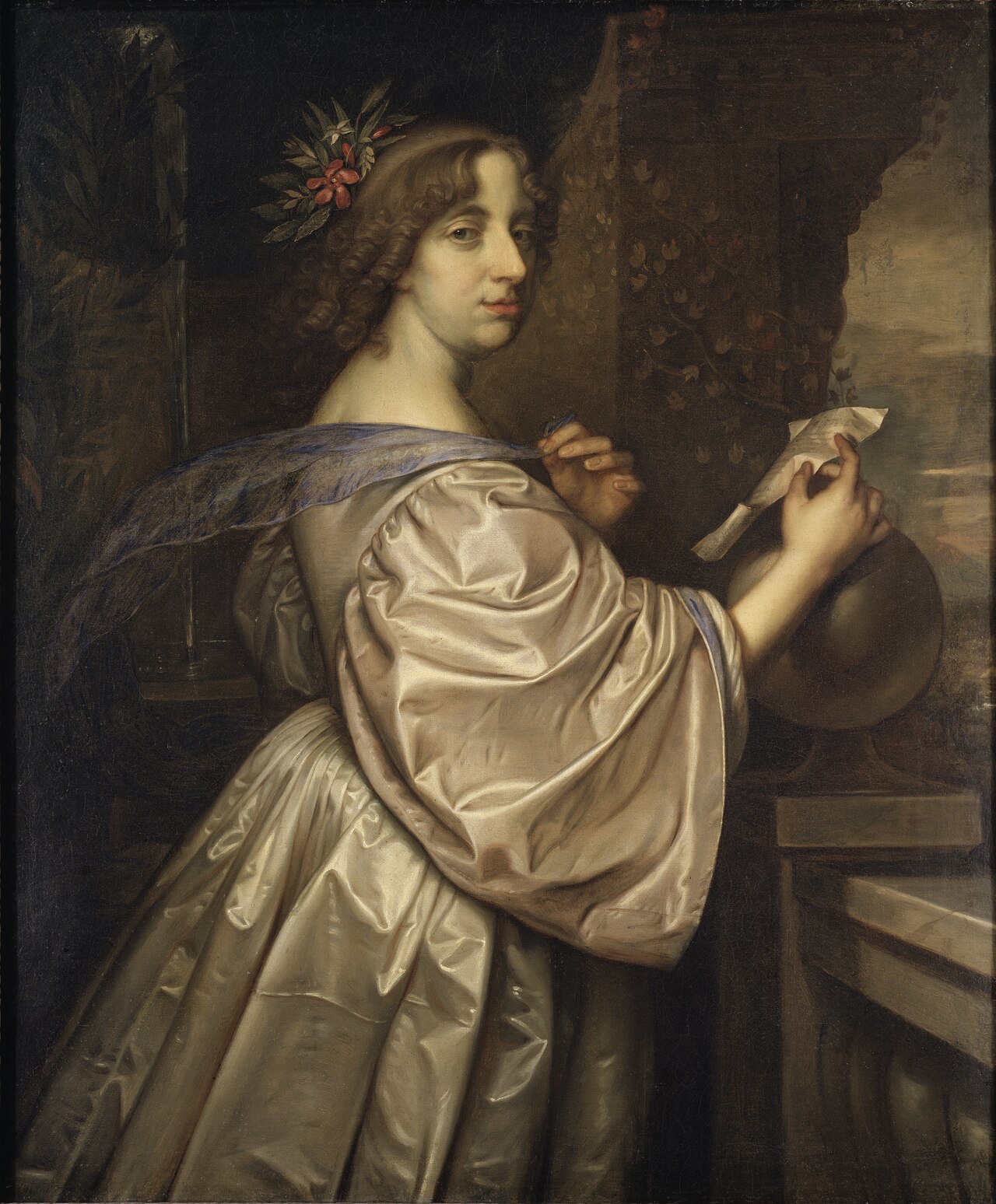

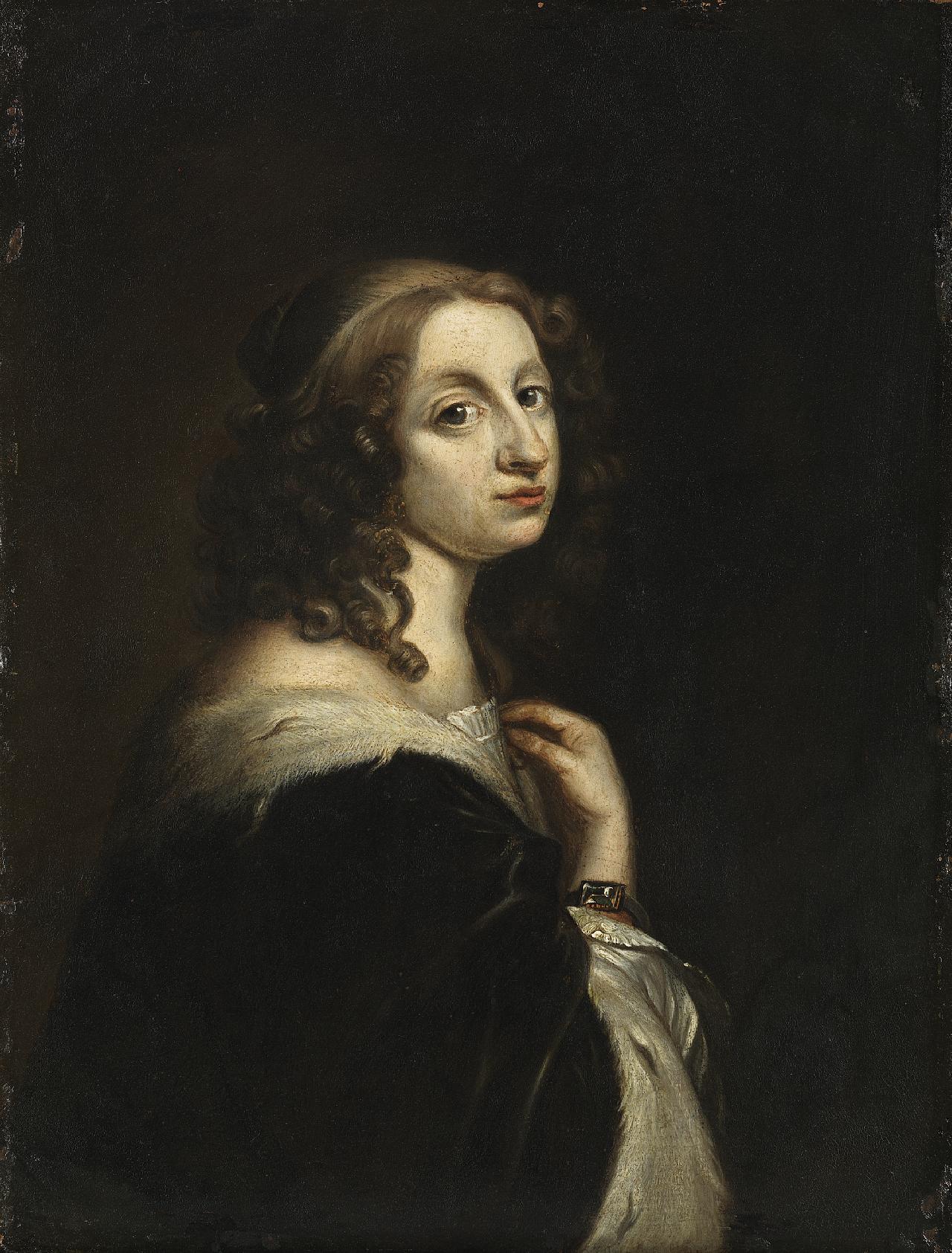

_-_Nationalmuseum_-_15921.jpg)
Early life David Beck was born in 1621 in the historic city of Delft, a centre of artistic activity in the Dutch Republic. Little is recorded about his family background, but Delft’s vibrant workshop environment would have offered ample opportunity for a young talent to encounter the techniques of the Dutch masters. It is probable that Beck began his artistic training in a local workshop, following the customary apprenticeship system of the period, where he would have learned drawing, composition, and the handling of oil paint.
Career and style By the early 1640s Beck had established himself in The Hague, the political capital of the Dutch Republic, where a courtly clientele demanded portraiture that combined realism with a sense of dignity. Beck’s career flourished through commissions from the Swedish monarchy, which was seeking to assert its prestige on the European stage. His style aligns with the broader Dutch Golden Age portrait tradition: a careful observation of facial features, a restrained yet rich colour palette, and an emphasis on the sitter’s status through the depiction of luxurious fabrics and insignia. Beck’s portraits convey a sober naturalism, avoiding excessive flamboyance while still achieving a compelling presence.
Signature techniques Beck distinguished himself through several recurring technical choices. He employed a fine, almost invisible brushstroke when rendering silk, velvet and lace, allowing the texture of the garments to emerge without overt surface gloss. His modelling of flesh relied on subtle gradations of light and shadow, creating a three‑dimensional effect that suggested both the physicality and the inner character of the sitter. A limited tonal range—often dominated by earth tones punctuated with deep reds or blues—helped focus attention on the face. Beck also favoured a modest background, usually a darkened interior or a muted landscape, which served to isolate the figure and enhance its visual impact.
Major works Beck’s surviving oeuvre is sparse, yet the works that are documented illustrate his skill and the esteem in which he was held.
- Queen Christina of Sweden (1650) – This portrait captures the youthful monarch, then in her mid‑teens, seated with a serene yet contemplative expression. Beck rendered the delicate lace collar and the royal insignia with meticulous care, while the subdued background highlights Christina’s poise.
- Chancellor of the Realm, Count Axel Oxenstierna (1649) – In this work the Swedish statesman is portrayed in full regalia, his stern visage rendered with a confidence that reflects his political authority. Beck’s handling of the dark fabrics and the subtle play of light across the figure’s face demonstrates his mastery of chiaroscuro.
- Louis De Geer the Elder (1650) – The portrait of the influential industrialist and patron of Swedish art presents De Geer in a dignified pose, his hands resting on a table that hints at his mercantile background. Beck’s attention to the texture of the sitter’s coat and the nuanced rendering of his expression convey both wealth and gravitas.
- Johan Kasimir, Count Palatine of Zweibrücken (1649) – This portrait of the German nobleman shows Beck’s ability to adapt his style to different courts. The Count’s elaborate attire, including a jeweled collar, is balanced by a restrained background, allowing the sitter’s face to dominate the composition.
These works collectively demonstrate Beck’s capacity to convey status, personality, and the political ambitions of his patrons while maintaining a consistent visual language.
Influence and legacy Although David Beck’s name does not enjoy the same recognition as some of his contemporaries, his portraits contributed to a transnational visual culture that linked the Dutch Republic with the courts of northern Europe. By supplying the Swedish monarchy with portraiture that combined Dutch realism with regal symbolism, Beck helped shape the visual identity of a rising power. His careful treatment of fabric and subtle psychological insight foreshadowed later developments in Dutch portraiture, influencing artists who sought to balance realism with the representation of elite status. Beck’s surviving works remain valuable reference points for scholars studying the exchange of artistic ideas between the Dutch Republic and its neighbours during the mid‑seventeenth century.
Frequently asked questions
Who was David Beck?
David Beck (1621–1656) was a Dutch Golden Age portrait painter from Delft who worked mainly in The Hague, creating portraits for the Swedish court and other European elites.
What style or movement is he associated with?
He is associated with the Dutch Golden Age portrait tradition, characterised by realistic rendering, restrained colour, and a focus on the sitter’s status.
What are his most famous works?
His most noted works include portraits of Queen Christina of Sweden (1650), Chancellor Count Axel Oxenstierna (1649), industrialist Louis De Geer the Elder (1650), and Count Palatine Johan Kasimir of Zweibrücken (1649).
Why does David Beck matter in art history?
Beck’s portraits exemplify the cross‑court exchange of artistic ideas in the 17th century, helping to shape the visual representation of emerging northern European powers and influencing later Dutch portraitists.
How can one recognise a David Beck painting?
Look for finely detailed fabrics, subtle modelling of the face, a limited colour palette with muted backgrounds, and a calm, dignified expression that conveys the sitter’s status.