Carlo Ceresa
1609 – 1679
In short
Carlo Ceresa was a 17th-century painter primarily active in Bergamo, known for his portrait paintings and Christian-themed works. He executed his pieces in an austere, realist style, capturing the essence of his subjects. Active during the Baroque period, Ceresa's work reflects the artistic trends of his time.
Notable works


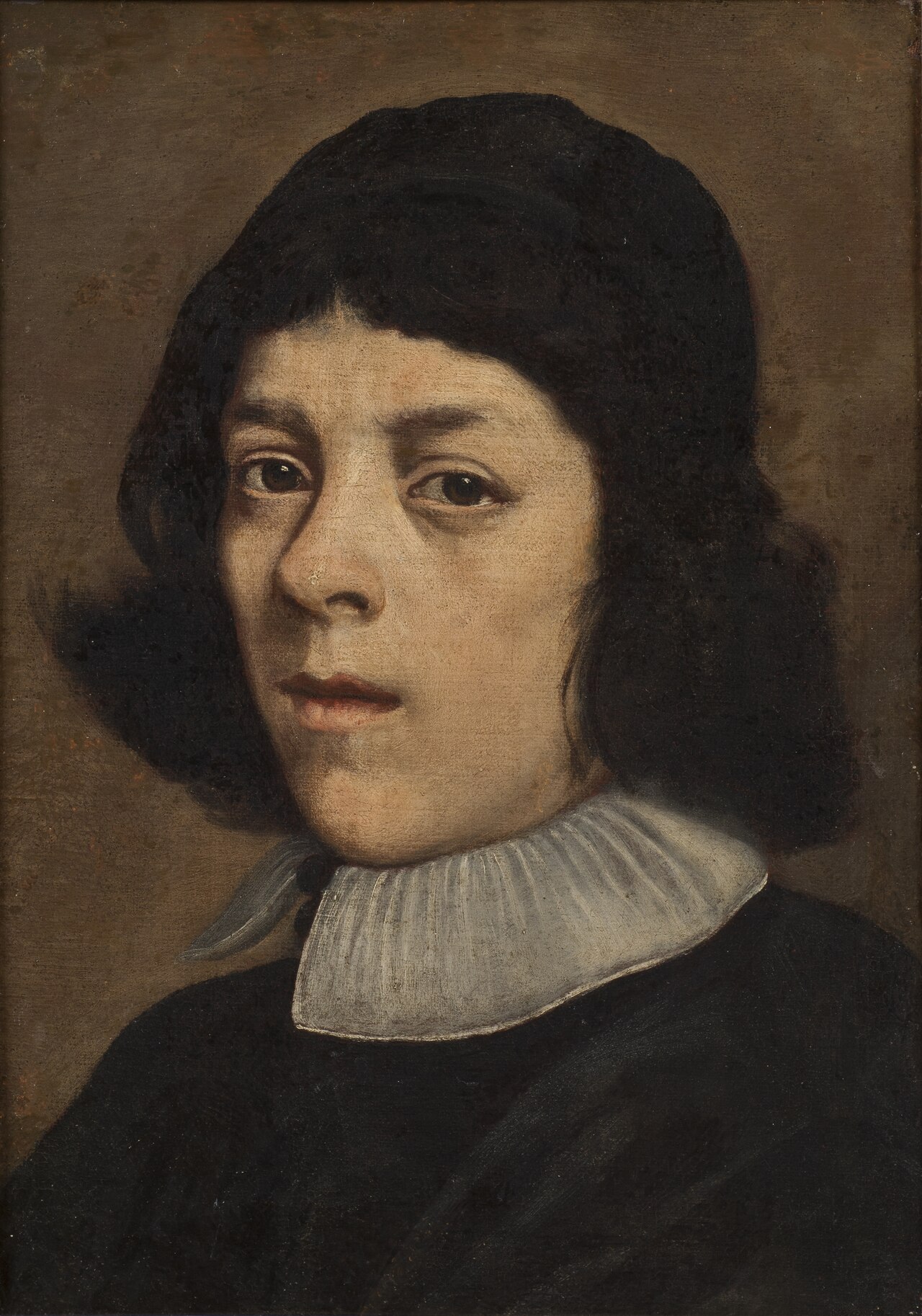


Early life Carlo Ceresa was born in 1609 in San Giovanni Bianco. Although his nationality is not explicitly stated, it is inferred from his birthplace and the region where he was active that he had strong ties to Italy. The specifics of his early training and life are not well-documented, but it is reasonable to assume that, like many artists of his time, he underwent an apprenticeship under an established painter to hone his skills.
Career and style Ceresa's career was marked by his activity in Bergamo, where he painted a variety of subjects, including portraits of local nobility and clergy, as well as Christian-themed paintings. His style is characterized by an austere realism, a trait that was somewhat distinctive within the broader context of the Baroque period, which often featured dramatic lighting and intense emotions. This approach to painting allowed him to capture the likenesses and characters of his subjects with a sense of authenticity and simplicity.
Signature techniques One of the defining aspects of Ceresa's technique was his ability to convey the essence of his subjects through subtle, nuanced expressions and the careful rendering of textures and fabrics. His use of color was often muted, contributing to the overall sense of austerity and realism in his works. While specific details about his artistic process are scarce, his paintings demonstrate a mastery of traditional techniques, suggesting a thorough grounding in the principles of Renaissance and Baroque art.
Major works Among Ceresa's notable works are his portraits, which include 'Bernardo Gritti, Proprefect of Bergamo' (1646), 'Portrait of a Young Man with a Beret', 'Portrait of a Girl' (1630), and 'Lorenzo Ghirardello' (1634). These paintings showcase his skill in capturing the likenesses of his subjects and conveying their characters through posture, facial expression, and attire. Additionally, his work 'San Vincenzo in gloria' exemplifies his capability in executing Christian-themed paintings, which were likely commissioned for churches in the Bergamo region.
Influence and legacy Ceresa's contributions to the artistic landscape of Bergamo and the broader Italian context are significant, particularly in terms of his portraiture and religious paintings. His austere, realist style offers a unique perspective within the Baroque period, known more for its dramatic and ornate qualities. While the extent of his direct influence on later artists may not be widely documented, his work remains an important part of the region's cultural heritage, providing insights into the lives and values of the local nobility and clergy during the 17th century.
Frequently asked questions
Who was Carlo Ceresa?
Carlo Ceresa was a 17th-century painter active mainly in Bergamo, known for his portraits and Christian-themed works in an austere, realist style.
What style or movement was Carlo Ceresa associated with?
Although the specific art movement or current Ceresa is associated with is not well-documented, his work is generally linked to the Baroque period, characterized by its realism and austerity.
What are some of Carlo Ceresa's most famous works?
Some of his notable works include 'Bernardo Gritti, Proprefect of Bergamo', 'San Vincenzo in gloria', 'Portrait of a Young Man with a Beret', 'Portrait of a Girl', and 'Lorenzo Ghirardello'.
Why is Carlo Ceresa important?
Ceresa is important for his contributions to the artistic heritage of Bergamo and the broader Italian context, offering a unique perspective with his austere and realist style within the Baroque period.
How can I recognize Carlo Ceresa's work?
Ceresa's work can be recognized by its austere and realist style, often featuring subtle expressions, meticulous rendering of textures, and a generally muted color palette, particularly in his portraits and Christian-themed paintings.