Birger Carlstedt
1907 – 1975
In short
Birger Carlstedt (1907–1975) was a Finnish painter from Helsinki who helped introduce modern art to Finland. He worked across Impressionist, Expressionist, Futurist and abstract styles, producing notable works such as the 1963 Serenata series and the 1929 sketch Le Chat Doré.
Notable works
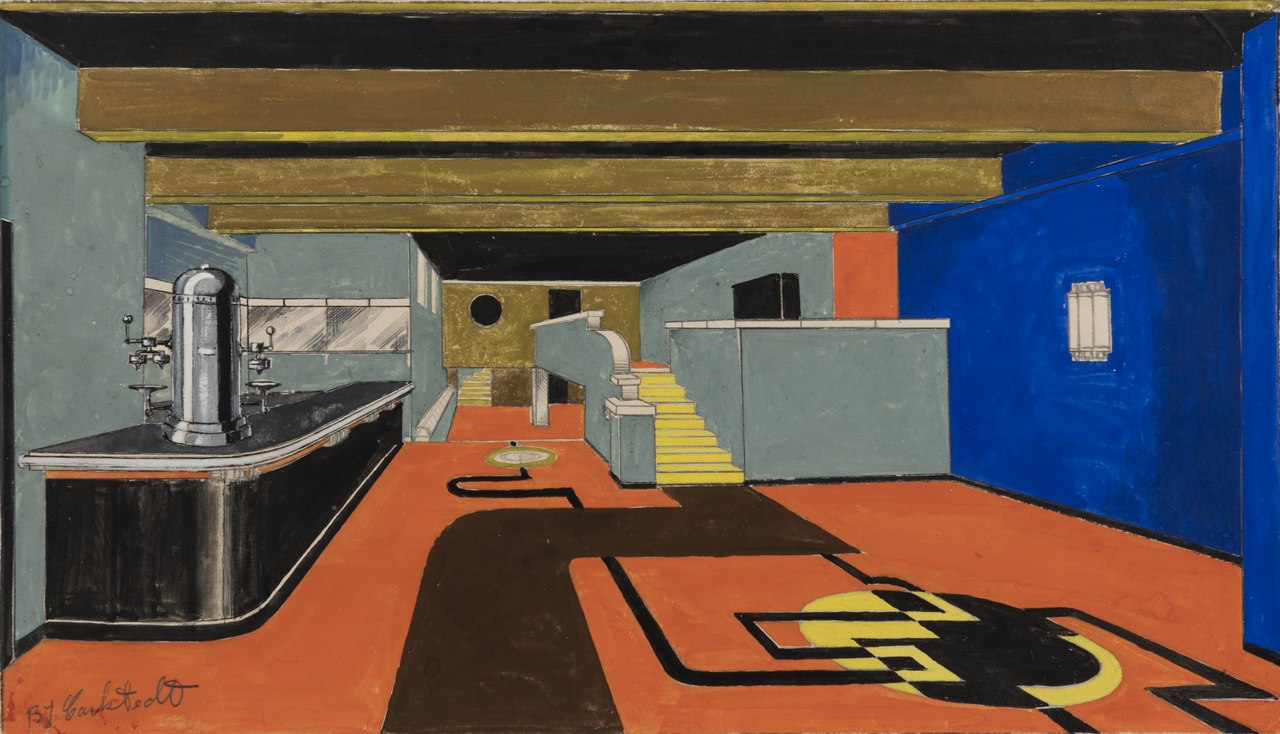
Early life Born in Helsinki in 1907, Birger Carlstedt grew up in a culturally active family that encouraged artistic exploration. His formative years coincided with Finland’s transition from a Grand Duchy to an independent nation, a period that fostered a sense of experimentation among young creators. Carlstedt received his first drawing lessons at local schools and later attended the Academy of Fine Arts in Helsinki, where he was exposed to the emerging European avant‑garde. The city’s vibrant cafés and galleries offered him early contact with contemporary trends, laying the groundwork for a career that would bridge traditional Finnish painting and the radical modernism spreading across Europe.
Career and style Carlstedt’s professional trajectory began in the late 1920s, a decade marked by rapid artistic change. Initially influenced by Impressionism, his early canvases displayed a delicate handling of light and colour, reflecting the Finnish landscape’s muted tones. By the early 1930s, he absorbed Expressionist ideas, intensifying his palette and introducing more emotive brushwork. A brief encounter with Futurist manifestos during a trip to Paris prompted him to experiment with dynamic compositions and fragmented forms, hinting at motion and urban energy. The post‑war period saw Carlstedt turn toward abstraction, where he stripped away representational detail in favour of pure colour fields and geometric structures. Throughout these shifts he maintained a consistent curiosity about how visual language could convey both personal feeling and collective experience.
Signature techniques Carlstedt’s work is distinguished by several recurring techniques. He often employed a layered approach, allowing underlying hues to surface through translucent glazes, which produced a luminous depth. In his abstract pieces, he favoured bold, flat colour blocks juxtaposed with subtle tonal gradients, creating tension between surface and space. His brushwork varied from delicate, almost pointillist dabs in earlier Impressionist‑inspired works to vigorous, gestural strokes in later Expressionist phases. A notable feature of his later oeuvre is the use of non‑traditional materials—such as sand or powdered pigments—to add texture, a practice that aligned him with contemporary experimental artists. These methods collectively contributed to a visual language that was simultaneously Finnish in sensibility and internationally resonant.
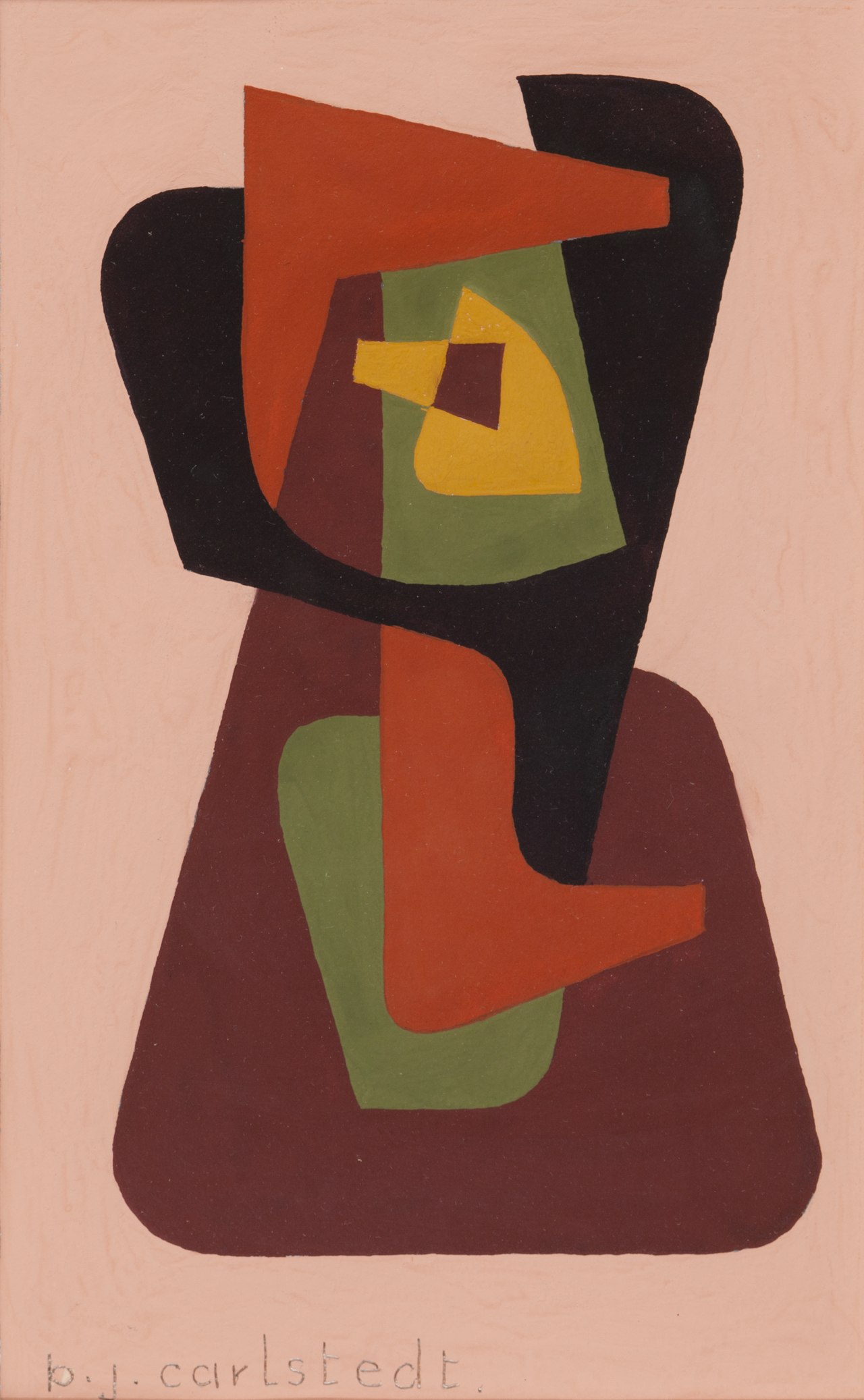
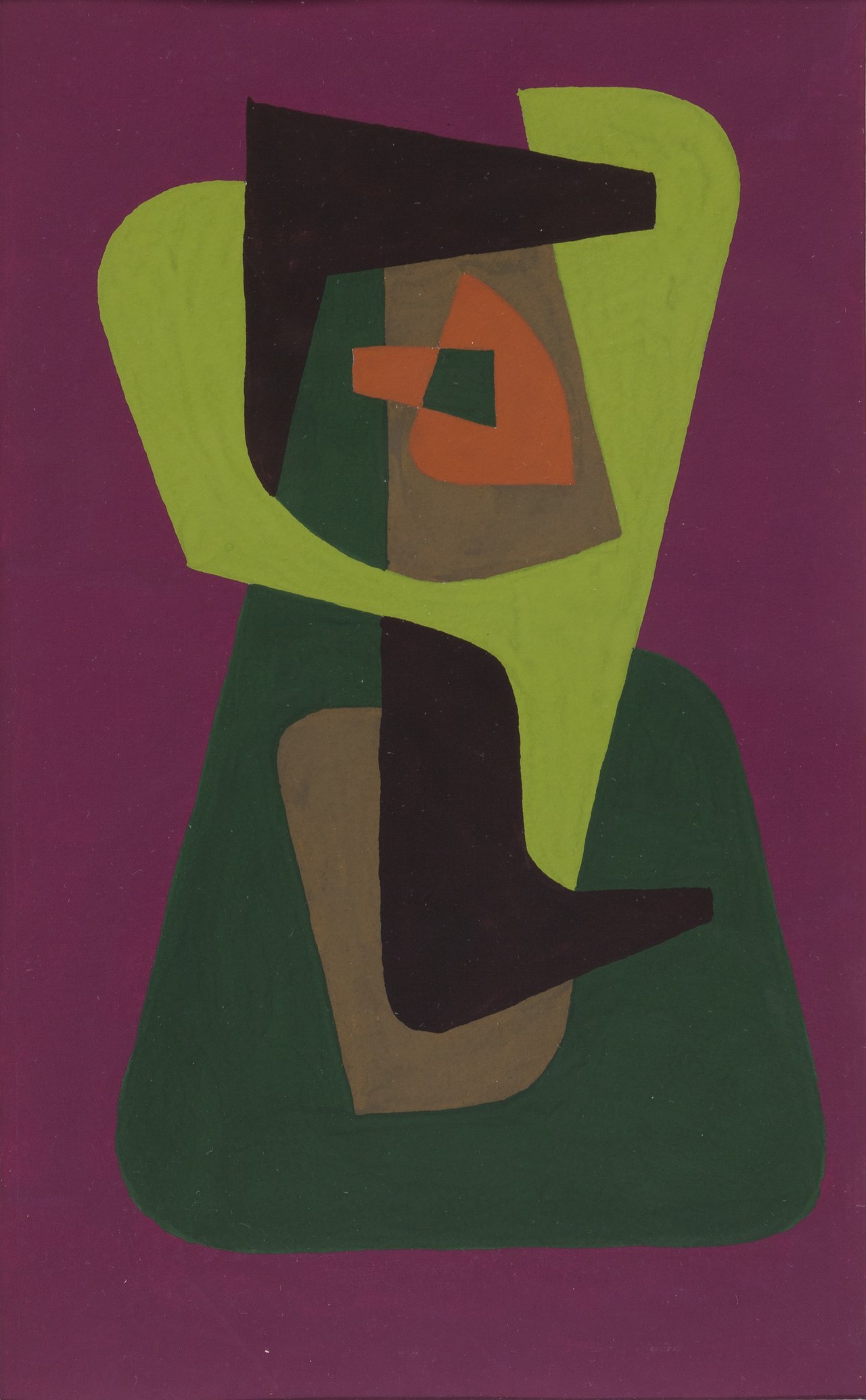
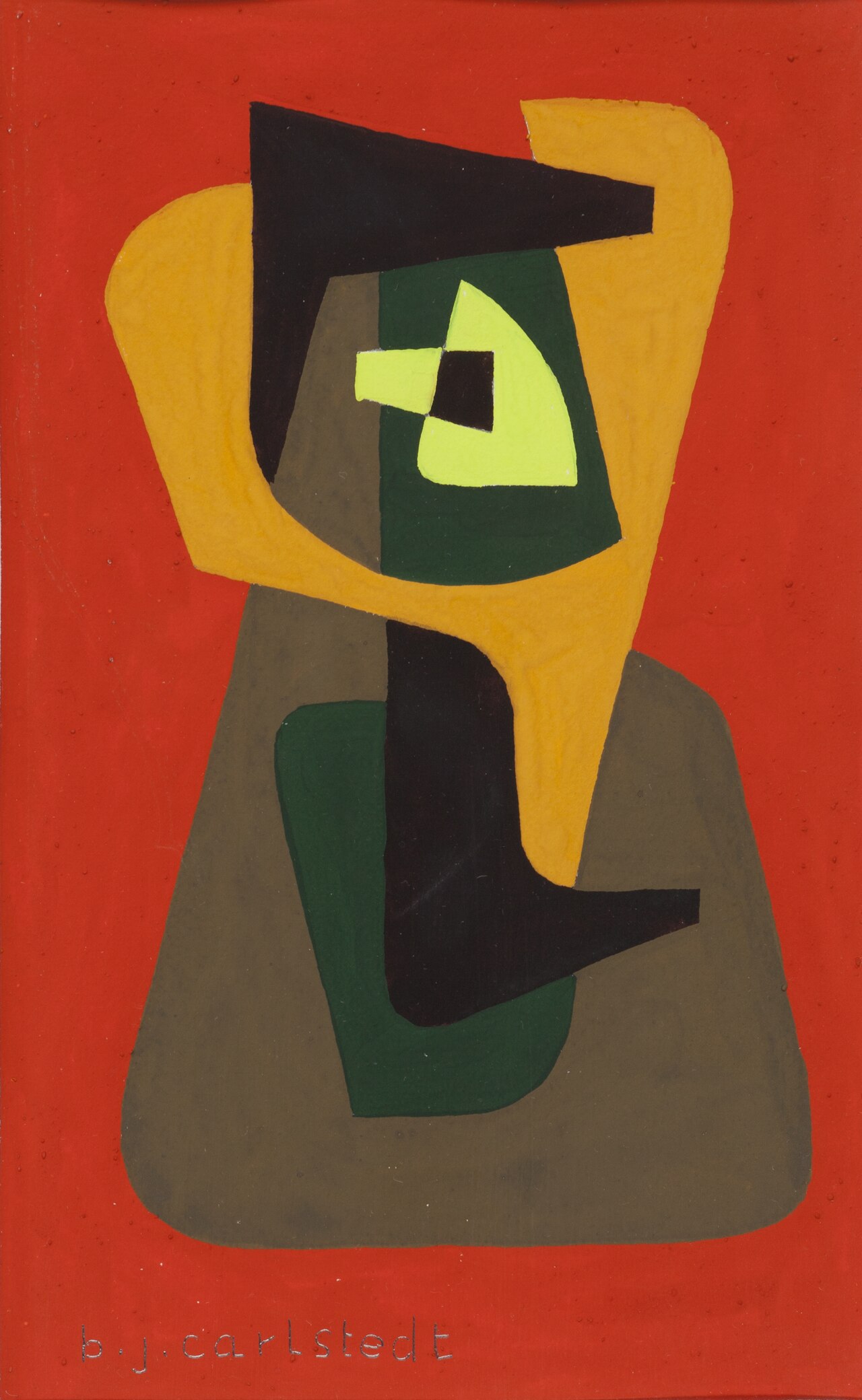
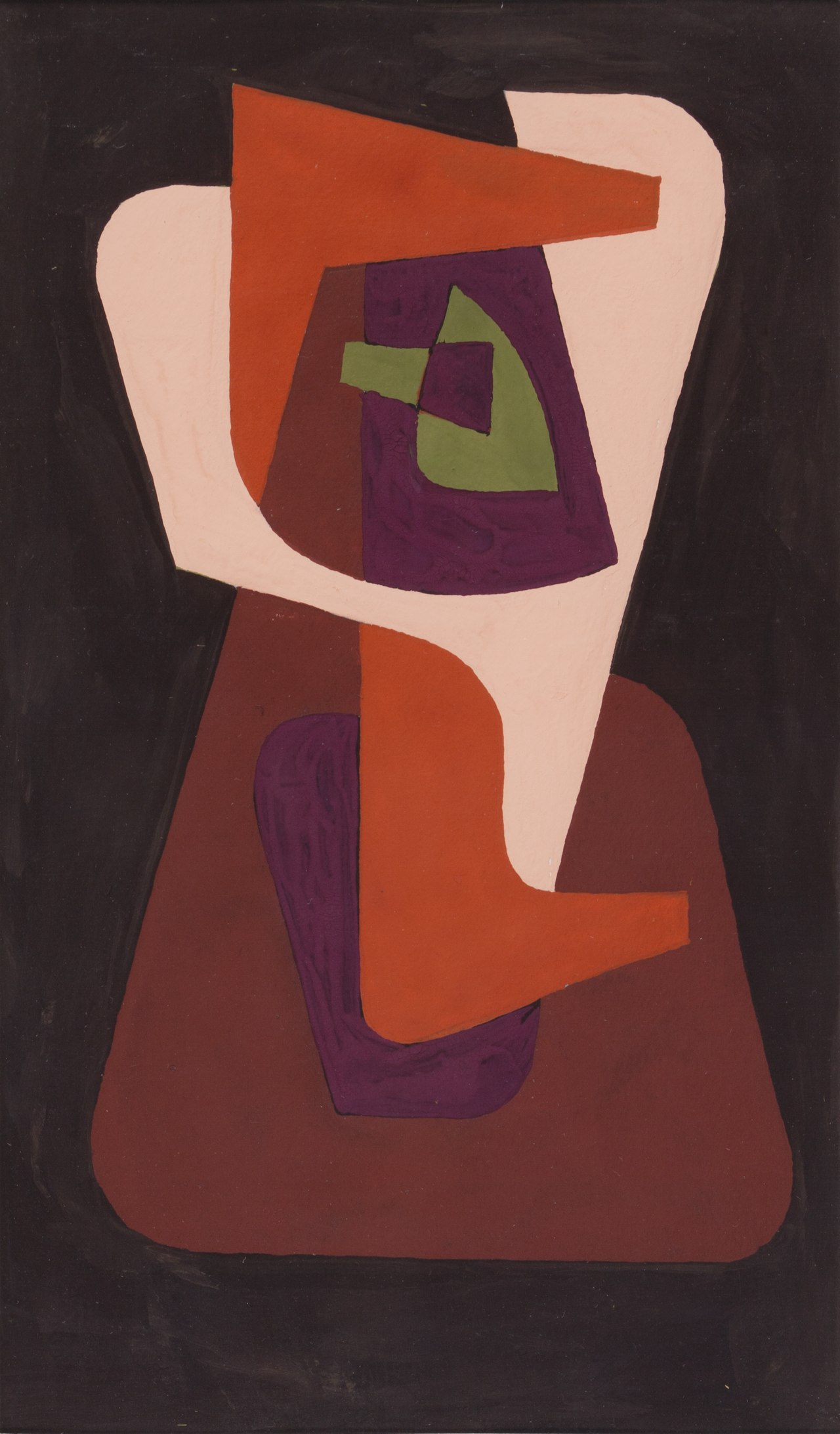
Major works The **Serenata** series, all dated 1963, marks a pivotal moment in Carlstedt’s abstract period. *Serenata 1* presents a rhythmic arrangement of overlapping rectangles in muted blues and warm ochres, evoking a musical composition through visual repetition. *Serenata 3* intensifies this concept with sharper angles and a heightened contrast between deep reds and cool greens, suggesting an improvisational dialogue between colour and form. *Serenata 6* introduces a more fluid, almost lyrical quality, where curved lines intersect with angular planes, hinting at a synthesis of his earlier Futurist dynamism and mature abstraction. *Serenata 7* completes the series with a restrained palette dominated by soft greys and subtle pinks, inviting contemplation rather than overt drama.
*Le Chat Doré. Sketch 3* (1929) offers a glimpse into Carlstedt’s early fascination with the animal motif. Rendered in a quick charcoal line, the sketch captures a cat’s sleek silhouette with expressive contour work, foreshadowing his later interest in distilling forms to their essential outlines. Though less celebrated than the Serenata pieces, the sketch demonstrates his skill in balancing spontaneity with compositional precision, a balance that would inform his later, more abstract endeavors.
Influence and legacy Birger Carlstedt is recognised as a pioneer of Finnish modern art, a figure who helped bridge the gap between national artistic traditions and the broader European avant‑garde. His willingness to adopt and adapt movements such as Impressionism, Expressionism, Futurism and abstraction inspired subsequent generations of Finnish painters to explore new visual territories. Museums in Helsinki and other Finnish cities hold his works, and the *Serenata* series in particular has been featured in retrospectives that examine mid‑twentieth‑century Nordic modernism. Scholars credit Carlstedt with expanding the conceptual possibilities of Finnish painting, encouraging artists to view colour and form as autonomous carriers of meaning. His legacy persists in contemporary Finnish art curricula, where his experimental techniques and cross‑cultural engagements are taught as exemplars of artistic innovation.
Frequently asked questions
Who was Birger Carlstedt?
Birger Carlstedt (1907–1975) was a Finnish painter from Helsinki who played a key role in introducing modern art to Finland.
What style or movement is he associated with?
Carlstedt worked across several styles, drawing on Impressionism, Expressionism, Futurism and later abstract art, rather than belonging to a single defined movement.
What are his most famous works?
His most cited works are the 1963 *Serenata* series (Serenata 1, 3, 6, 7) and the earlier 1929 sketch *Le Chat Doré. Sketch 3*.
Why is he important in art history?
He is important because he helped bridge Finnish artistic tradition with European avant‑garde trends, influencing later Finnish artists and expanding the country's modern‑art vocabulary.
How can I recognise a Birger Carlstedt painting?
Look for layered colour fields, bold geometric shapes, and a balance between flat colour blocks and subtle tonal gradients, often with a lyrical rhythm that hints at musical titles like ‘Serenata.’