Auguste Levêque
1866 – 1921
In short
Auguste Levêque was a Belgian painter, sculptor, poet, and art theoretician born in 1866 and died in 1921. He was influenced by realism and symbolism, creating a unique style that reflected his diverse artistic talents. Levêque's work spanned various mediums, leaving a lasting impact on the art world.
Notable works



Early life Auguste Levêque was born in 1866 in Nivelles, Belgium. Although specific details about his early life are limited, it is known that he was part of a generation of artists who sought to explore and express the human experience through various forms of art. This period laid the foundation for his future endeavors in painting, sculpture, poetry, and art theory.
Career and style Levêque's career was marked by his experimentation with different styles and mediums. Influenced by both realism and symbolism, his work often blended elements of these movements to create a distinctive approach to art. Realism's focus on accurately depicting everyday life and symbolism's emphasis on conveying meaning through symbols and metaphors likely shaped his artistic vision. As a painter, sculptor, poet, and art theoretician, Levêque's diverse talents allowed him to explore a wide range of creative expressions.
Signature techniques While specific signature techniques attributed to Auguste Levêque are not well-documented, his work across multiple mediums suggests a strong technical skillset. His ability to navigate between painting, sculpture, and poetry indicates a versatile artist who could adapt his style and method to suit the medium and the message he aimed to convey. The fusion of realism and symbolism in his work likely resulted in pieces that were not only aesthetically pleasing but also carried deeper meanings and interpretations.
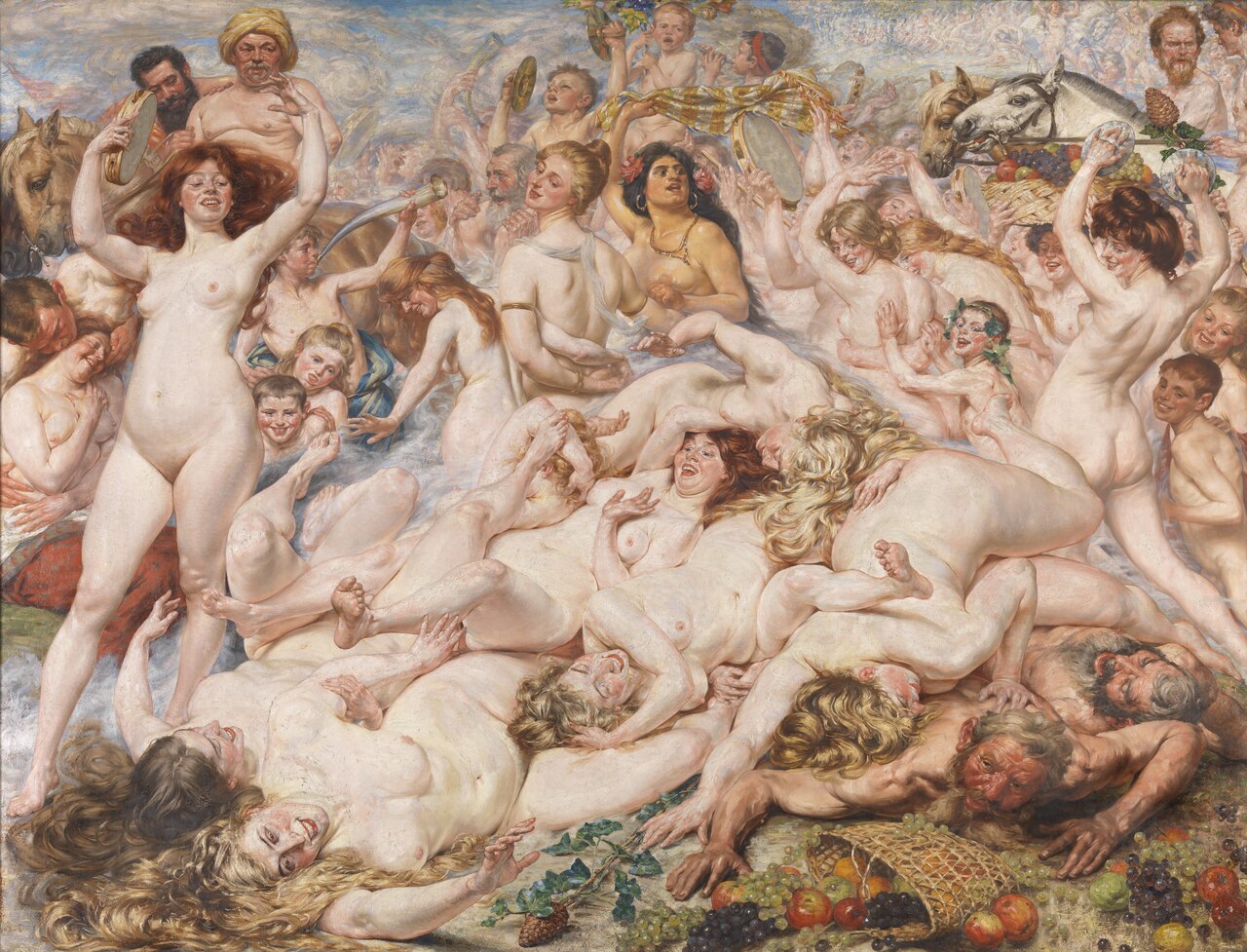
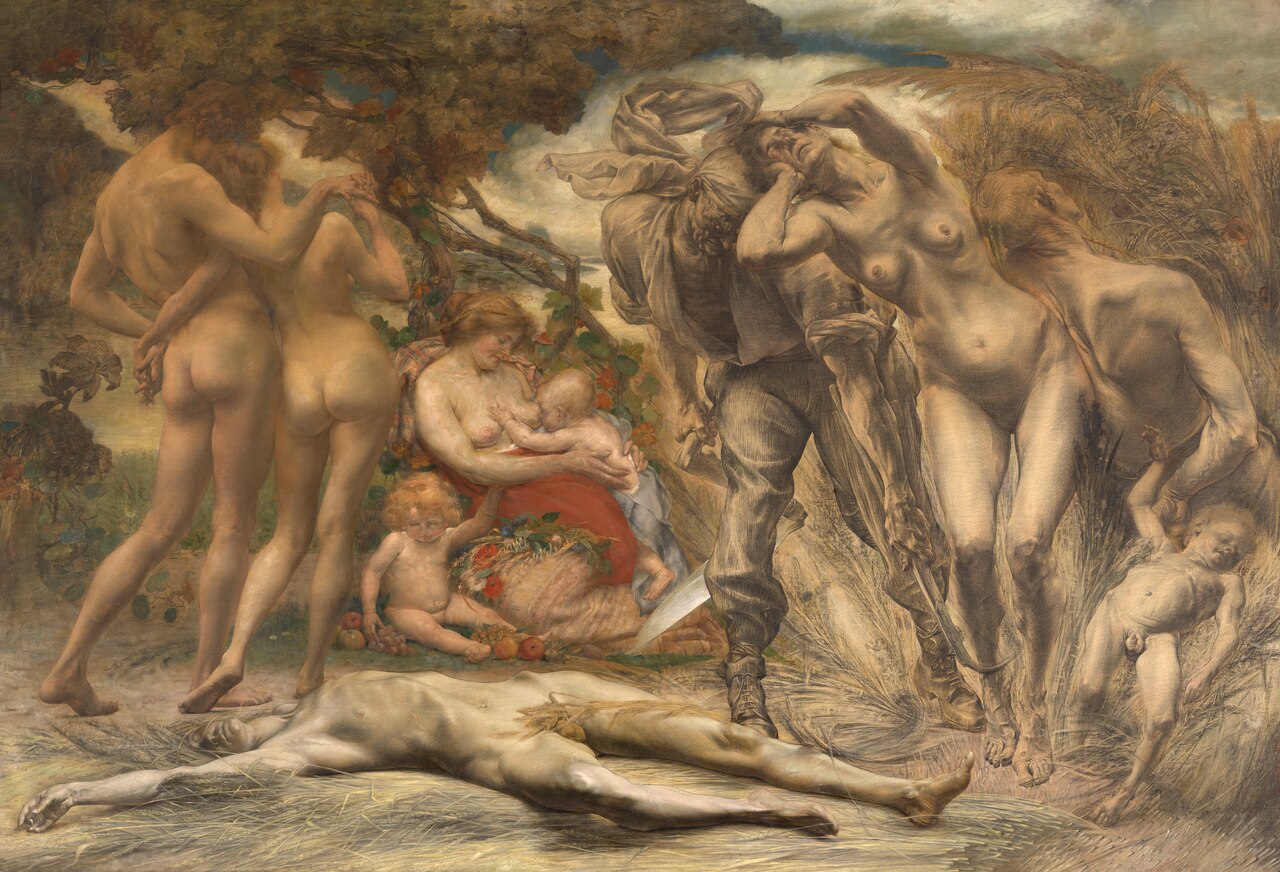
Major works Among Levêque's notable works are 'Suzanne', 'Return from the Vintage' (1903), 'The Harvest', 'Portrait of Edmond Picard' (1900), and 'Miss Stevens'. 'Return from the Vintage' (1903) stands out for its specific date, indicating a piece from a significant period in his career. 'Portrait of Edmond Picard' (1900) showcases his ability to capture the essence of his subjects, while 'The Harvest' and 'Suzanne' reflect themes that might have been close to his heart, possibly exploring the human condition or the beauty of everyday life. 'Miss Stevens' adds to the diversity of his subjects, highlighting his range as a portrait artist.
Influence and legacy Auguste Levêque's influence on the art world, though perhaps not as widely recognized as some of his contemporaries, lies in his multifaceted approach to art. His blending of realism and symbolism, along with his work in various mediums, contributes to a rich and complex legacy. As an artist, poet, and theoretician, Levêque's impact can be seen in the broader context of Belgian art and the evolution of early 20th-century artistic movements. His life's work serves as a testament to the power of interdisciplinary creativity and the importance of exploring and expressing the human experience through art.
Frequently asked questions
Who was Auguste Levêque?
Auguste Levêque was a Belgian painter, sculptor, poet, and art theoretician born in 1866 and died in 1921, known for his work influenced by realism and symbolism.
What style or movement was Auguste Levêque associated with?
Levêque's work was influenced by both realism and symbolism, though he is not strictly categorized under a specific movement, reflecting his eclectic and adaptive approach to art.
What are some of Auguste Levêque's most famous works?
Some of his notable works include 'Suzanne', 'Return from the Vintage' (1903), 'The Harvest', 'Portrait of Edmond Picard' (1900), and 'Miss Stevens'.
Why does Auguste Levêque matter in the history of art?
Levêque matters for his unique blend of realism and symbolism, his work across multiple artistic mediums, and his contribution to the richness and diversity of Belgian art and early 20th-century artistic movements.
How can I recognize Auguste Levêque's work?
You can recognize Levêque's work by looking for pieces that blend realistic depictions of life with symbolic elements, often conveying deeper meanings or themes, and showcasing a high level of technical skill across various mediums like painting, sculpture, and poetry.