Anna Rosina de Gasc
1713 – 1783
In short
Anna Rosina de Gasc was a German portrait painter born in 1713 in Berlin and died in 1783 in Dresden. She created notable works during her lifetime, including portraits of influential figures. De Gasc's contributions to the world of portrait painting are still recognized today.
Notable works


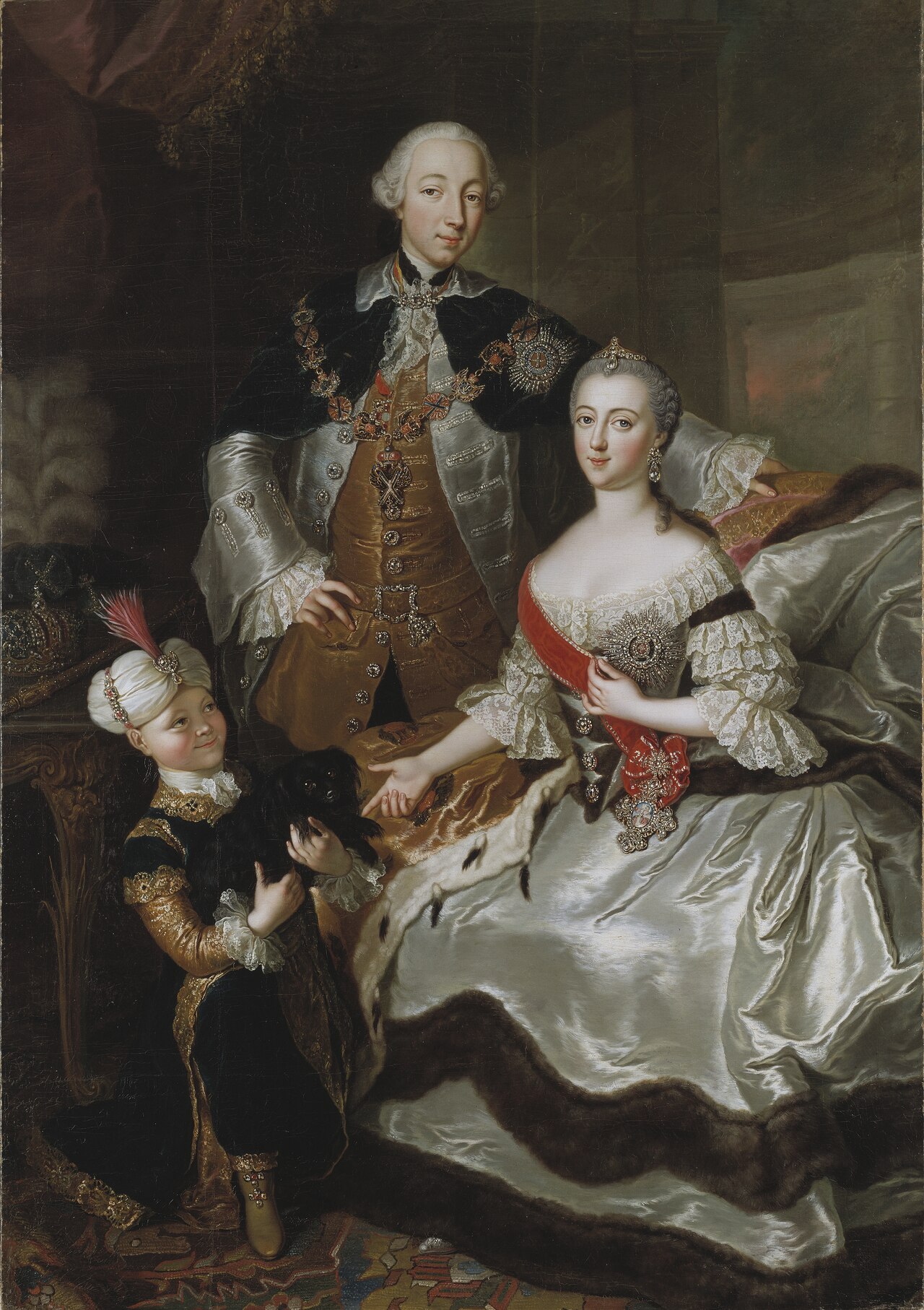
.jpg)
.jpg)
Early life Anna Rosina de Gasc was born in 1713 in Berlin, Germany. Although specific details about her early life and training are limited, it is known that she developed an interest in portrait painting, a genre that would become the hallmark of her career. The artistic environment of Berlin during the 18th century likely influenced her early work, exposing her to various styles and techniques.
Career and style De Gasc's career as a portrait painter spanned several decades, during which she developed a distinctive style that captured the essence of her subjects. Her nationality and the time period in which she worked suggest that she might have been influenced by European art movements, although her specific art movement or current is not well-documented. Her ability to portray subjects with realism and depth earned her recognition among her contemporaries.
Signature techniques While specific signature techniques used by Anna Rosina de Gasc are not well-documented, her portraits are characterized by their attention to detail and the ability to capture the personality of the subjects. This suggests a strong understanding of color, composition, and the use of light and shadow to create depth and dimension. Her technique likely evolved over time, influenced by her experiences and the artistic trends of her era.
Major works Among her notable works are the 'Portrait of Michał Kazimierz Ogiński' (1755), 'Portrait of Rosina Schindler' (1740), 'Peter III and Catherine II of Russia' (1756), 'Portrait of Samuel von Cocceji' (1737), and a 'Self-portrait' (1767). These portraits demonstrate her skill in capturing the likenesses of influential figures of her time, as well as her ability to convey their characters through her art. The 'Portrait of Michał Kazimierz Ogiński', for example, showcases her skill in portraying the intricacies of her subject's attire and the subtleties of their expression. Similarly, 'Peter III and Catherine II of Russia' highlights her ability to capture the essence of powerful figures, while her 'Self-portrait' provides insight into her own persona and artistic self-perception.
Influence and legacy Anna Rosina de Gasc's influence on the world of portrait painting, although possibly overshadowed by more prominent figures of her time, is still acknowledged. Her contributions to the genre, particularly her detailed and expressive portraits, have left a lasting impact. Her legacy serves as an inspiration to artists, particularly women, who have pursued careers in a historically male-dominated field. Today, her works are valued not only for their artistic merit but also for the historical insight they provide into the lives of 18th-century European nobility and society.
Frequently asked questions
Who was Anna Rosina de Gasc?
Anna Rosina de Gasc was a German portrait painter born in 1713 in Berlin and died in 1783 in Dresden, known for her detailed and expressive portraits of influential figures.
What style or movement was Anna Rosina de Gasc associated with?
The specific art movement or current associated with Anna Rosina de Gasc is not well-documented, but her work reflects the broader trends in European portrait painting of the 18th century.
What are some of Anna Rosina de Gasc's most famous works?
Some of her most notable works include 'Portrait of Michał Kazimierz Ogiński', 'Portrait of Rosina Schindler', 'Peter III and Catherine II of Russia', 'Portrait of Samuel von Cocceji', and her 'Self-portrait'.
Why does Anna Rosina de Gasc matter in the history of art?
De Gasc matters because she contributed to the genre of portrait painting with her skillful and detailed works, and her legacy inspires future generations of artists, particularly women, in a field that has historically been male-dominated.
How can I recognize Anna Rosina de Gasc's work?
You can recognize her work by looking for detailed, realistic portraits that capture the essence and personality of the subjects, often with meticulous attention to the attire and background, reflecting the style of 18th-century European portrait painting.