William Wetmore Story
1819 – 1895
In short
William Wetmore Story (1819–1895) was an American sculptor, poet and art critic who spent most of his professional life in Italy, creating a range of marble and bronze statues that combined classical form with realistic detail. His best‑known works include Angel of Grief (1894) and Cleopatra (1863).
Notable works
.jpg)
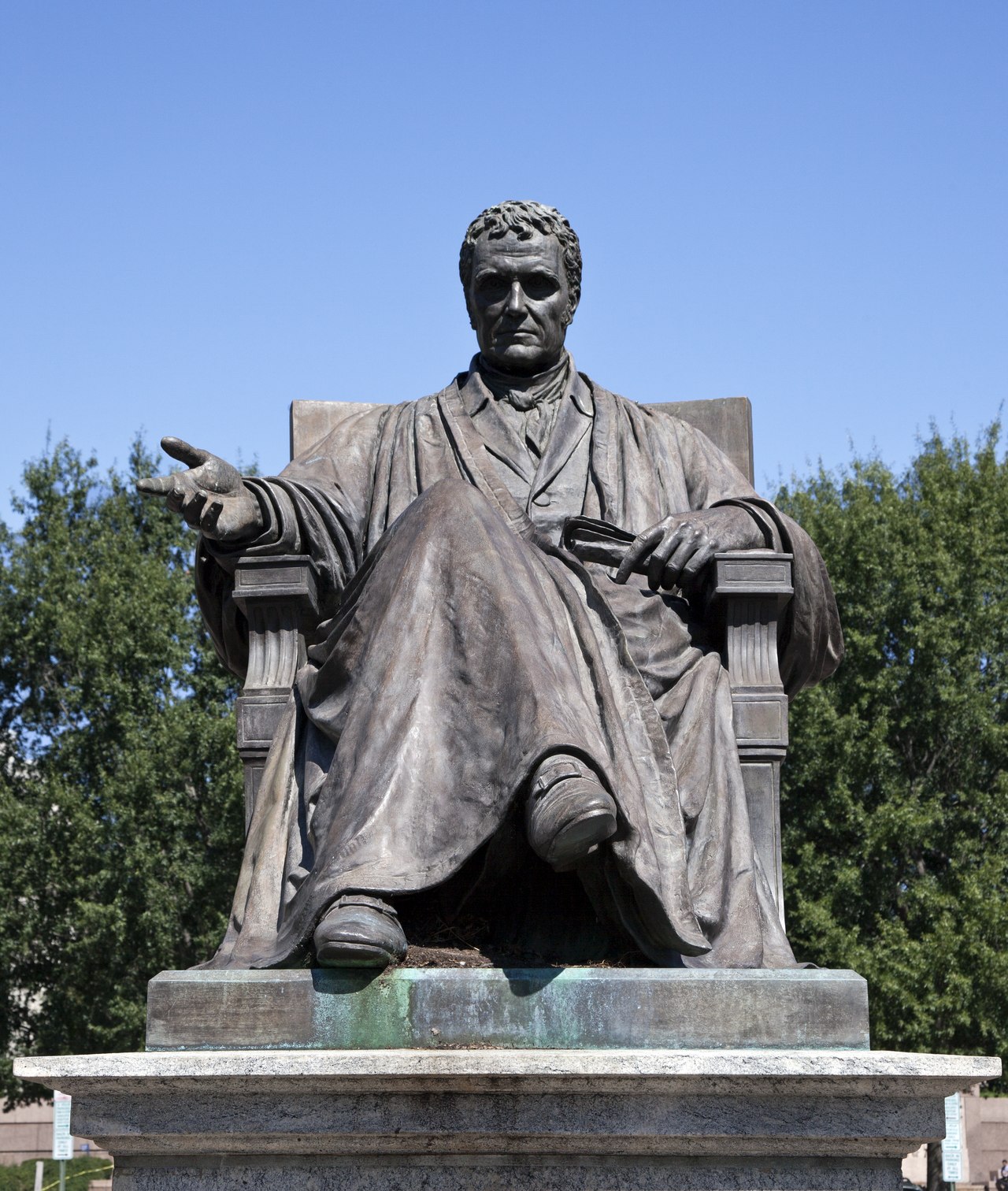


Early life William Wetmore Story was born in 1819 in Salem, Massachusetts, into a family with strong intellectual and artistic leanings. His father, Nathaniel Story, was a prominent lawyer, and his brother, John, later became a noted poet. William received a broad liberal education, initially studying law at Harvard before turning to the visual arts. Early exposure to classical literature and the burgeoning American cultural scene fostered his interest in sculpture, and he spent his formative years sketching and modelling in the studios of Boston. By his mid‑twenties, Story had decided to pursue sculpture full‑time, a choice that would lead him to Europe for further training.
Career and style In the early 1850s Story travelled to Rome, the centre of neoclassical sculpture, where he enrolled in the atelier of the renowned sculptor Thomas Ball. The Roman environment, with its ancient ruins and the works of Michelangelo, profoundly shaped his aesthetic sensibility. Story’s style is often described as a synthesis of neoclassical idealism and a more naturalistic approach to human expression. While he never aligned himself with a formal movement, his sculptures display a disciplined respect for anatomical accuracy, balanced composition, and an understated emotional tone that reflects the Victorian taste for moral seriousness. Throughout his career he divided his time between commissions in the United States and a permanent studio in Florence, where he continued to refine his technique and engage with contemporary artistic debates.
Signature techniques Story worked chiefly in marble and bronze, choosing each material for its capacity to convey different aspects of his subjects. In marble, he favoured a finely polished finish that accentuated the softness of skin and the intricate drapery of garments. His bronze casting employed the lost‑wax method, allowing him to capture subtle textures and dynamic poses. A hallmark of his practice was the careful preparation of maquettes—small clay or plaster models—through which he explored compositional possibilities before committing to the final material. Story also paid meticulous attention to lighting, often positioning his sculptures to interact with natural light in a way that heightened the emotional resonance of the piece.
Major works - **Angel of Grief (1894)** – Commissioned as a memorial in the cemetery of St. Lorenzo in Florence, this bronze figure depicts an anguished angel leaning over a tomb. The work is noted for its poignant expression and the delicate rendering of the angel’s wings, embodying both personal loss and universal mourning. - **Chief Justice John Marshall (1883)** – Executed in marble for the United States Capitol, the statue portrays the eminent jurist seated in a contemplative pose. Story captured Marshall’s dignified bearing through precise facial modelling and the thoughtful inclusion of judicial symbols such as the law book. - **Cleopatra (1863)** – A marble portrait of the Egyptian queen, this piece reflects Story’s fascination with historical women. The sculpture presents Cleopatra with a regal yet introspective air, her features rendered with smooth lines that suggest both power and vulnerability. - **George Peabody (1869)** – Created for the Peabody Institute in Baltimore, the marble statue commemorates the philanthropist’s contributions to education. Story’s treatment of Peabody’s likeness emphasises a calm, benevolent demeanor, reinforced by the subtle drapery of his robes. - **Professor Joseph Henry (1882)** – A bronze representation of the pioneering physicist, placed at the Smithsonian Institution. The work highlights Henry’s intellectual vigor through a slightly forward‑leaning posture and the inclusion of scientific instruments, rendered with fine detail.
Influence and legacy William Wetmore Story’s oeuvre bridges the transatlantic artistic currents of the nineteenth century, bringing American commissions into dialogue with European sculptural traditions. Although he never headed a distinct movement, his commitment to technical excellence and his ability to infuse classical forms with personal emotion earned him respect among contemporaries and later scholars. His sculptures remain in public collections across the United States and Europe, serving as enduring examples of the period’s cross‑cultural artistic exchange. Critics have praised his capacity to convey narrative depth without resorting to overt dramatisation, a quality that continues to inform the study of nineteenth‑century figurative sculpture. Today, Story is remembered not only for his individual monuments but also for his contributions to art criticism and poetry, which together illustrate the breadth of his creative engagement.
Frequently asked questions
Who was William Wetmore Story?
William Wetmore Story (1819–1895) was an American sculptor, poet and art critic who worked mainly in Italy and produced notable marble and bronze statues.
What artistic style or movement is he associated with?
Story did not belong to a formal movement; his work blends neoclassical idealism with a naturalistic attention to detail and emotional restraint.
What are his most famous works?
His best‑known sculptures include Angel of Grief (1894), Chief Justice John Marshall (1883), Cleopatra (1863), George Peabody (1869) and Professor Joseph Henry (1882).
Why is he significant in art history?
Story is significant for bridging American and European sculptural traditions, for his technical mastery in marble and bronze, and for influencing the development of late‑nineteenth‑century figurative sculpture.
How can one recognise a sculpture by Story?
Story’s sculptures are recognisable by their polished marble finish, precise anatomical modelling, subtle emotional expression and careful treatment of drapery, often created after detailed maquettes.