Uragami Gyokudō
1745 – 1820
In short
Uragami Gyokudō (1745–1820) was a Japanese musician, painter, poet and calligrapher born in Okayama and who died in Kyoto. He is celebrated for his mastery of the Chinese seven‑string zither (guqin) and for paintings distinguished by rhythmic brushwork, with works such as Snow Sifted Through Frozen Clouds later recognised as a National Treasure.
Notable works


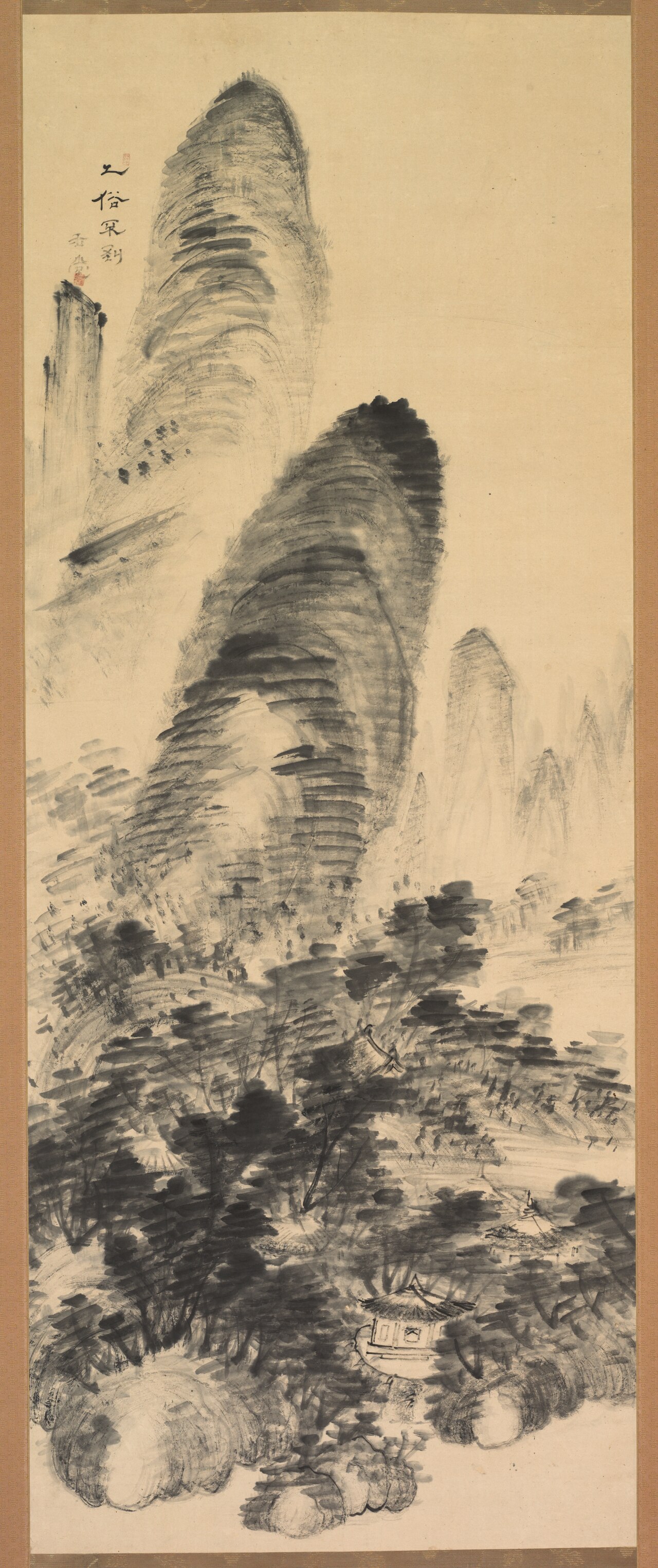
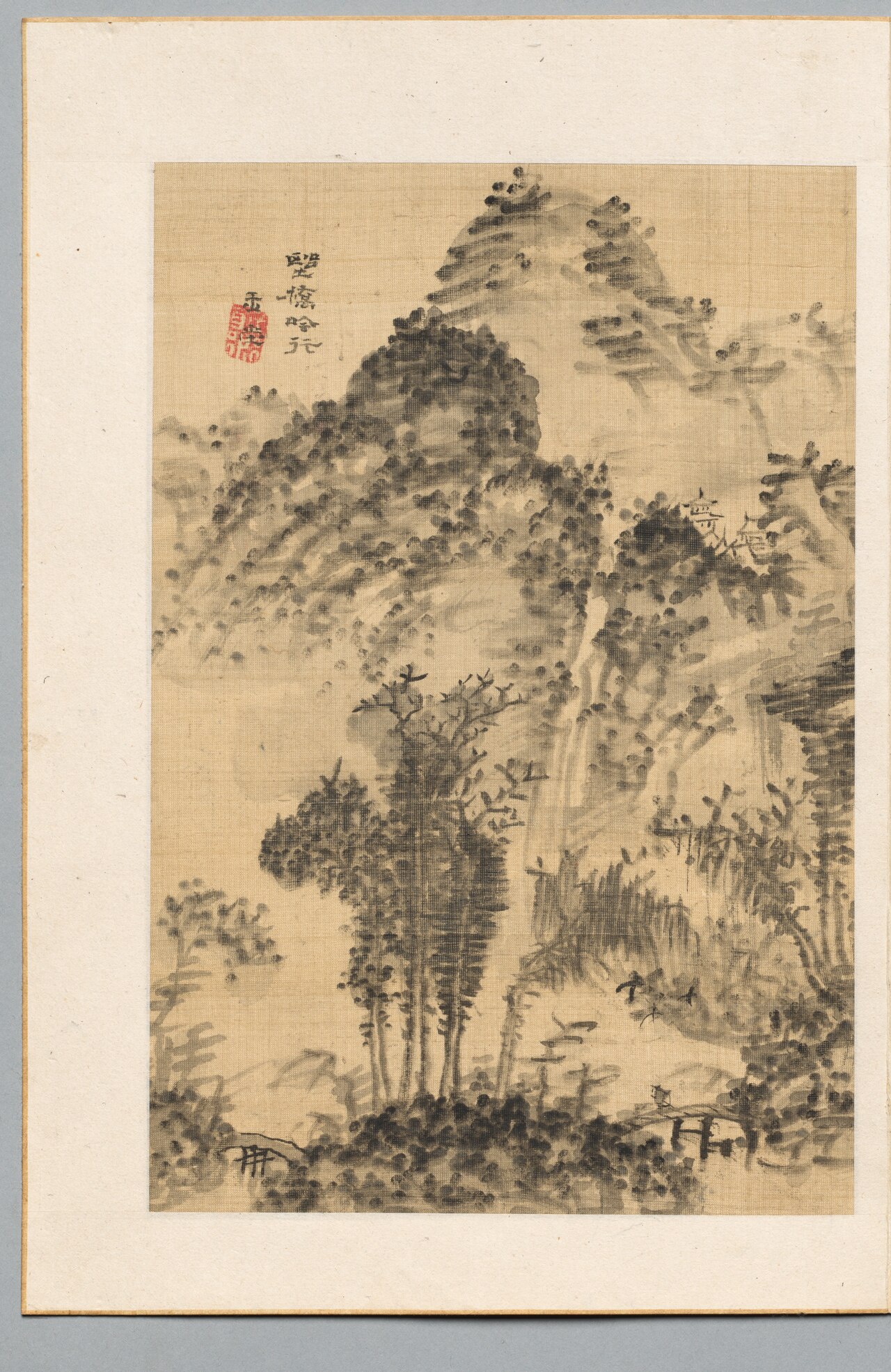
_-_2015.300.177_-_Metropolitan_Museum_of_Art.jpg)
Early life Uragami Gyokudō was born in 1745 in the town of Kamogata, in the province of Bizen (modern‑day Okayama Prefecture). Little is recorded about his family background, but contemporary sources suggest a cultured upbringing that exposed him to both the literary and musical traditions of the Edo period. From an early age he displayed an aptitude for the arts, studying Chinese classical poetry, calligraphy and, most notably, the guqin – a seven‑string zither imported from China that was prized by the literati for its meditative qualities. The cultural milieu of Okayama, a region noted for its lacquerware and tea‑culture, provided a fertile ground for his artistic development.
Career and style Gyokudō’s professional life was primarily that of a travelling musician and a scholar‑artist. He performed for aristocratic patrons in Osaka, Kyoto and Edo, earning a reputation as a virtuoso of the guqin. His musical practice informed his visual art; he approached painting as a form of visual rhythm, arranging brushstrokes in patterns that echo the phrasing of a musical composition. The paintings are largely monochrome or limited in colour, employing ink washes that convey atmosphere and depth with economy. While no formal movement can be attached to his oeuvre, his work aligns with the broader *nanga* (literati) tradition, which valued personal expression, calligraphic brushwork and a scholarly subject matter drawn from Chinese antiquity.
Signature techniques Gyokudō’s brushwork is characterised by a strong, deliberate rhythm. He favoured a limited set of stroke types—long, sweeping lines for mountains and clouds, short, stippled marks for foliage, and controlled washes for water. These strokes are often layered to create a sense of movement, much as a guqin player builds a melody from a handful of recurring motifs. In many of his landscapes, the composition is divided into vertical bands, each populated by a distinct brush pattern that together produce a harmonious whole. Calligraphic elements frequently appear within the pictorial space, either as inscriptions of poetry or as integrated decorative motifs, reinforcing the inseparability of word and image in his practice.
Major works - **Snow Sifted Through Frozen Clouds** – This painting, now designated a National Treasure, exemplifies Gyōkudō’s ability to render atmospheric conditions with minimal means. The work depicts a wintry mountainscape where delicate ink strokes suggest both the texture of snow and the translucence of clouds, creating a serene yet dynamic scene. The composition’s balanced verticality and the subtle gradation of tone convey a quiet, contemplative mood.
- Landscape (1787) – Dated toward the end of his active career, this piece shows a broad vista of rolling hills, a distant river and a cluster of pine trees. The painting employs the same rhythmic brushwork seen in earlier works, but the tonal contrast is heightened, indicating Gyōkudō’s continued experimentation with ink density.
- Forbidden to the Vulgar (1792) – The title reflects a classical Chinese literary theme, suggesting that the depicted scene is reserved for the cultivated elite. The work portrays a secluded garden with a stone bridge and a solitary scholar, rendered in restrained ink that emphasizes solitude and refined taste.
- Wild Bridge, Poet’s Walk (1793) – This composition captures a rustic bridge arching over a stream, flanked by wild vegetation. Gyōkudō’s brushwork conveys the texture of bark and the ripple of water, while a small figure, presumably a poet, is positioned to suggest a moment of contemplation.
- On a Rustic Bridge, Carrying a Zither (Yakyō hōkin zu) (1740) – Traditionally dated 1740, this work’s chronology is debated, yet it remains a key example of Gyōkudō’s integration of his musical identity into visual art. The painting shows a traveling musician crossing a wooden bridge while holding a zither, a motif that underscores the symbiosis between his performance practice and his painting.
Influence and legacy During his lifetime Gyōkudō was chiefly recognised as a guqin virtuoso; his paintings were collected only modestly. After his death, however, the aesthetic qualities of his brushwork attracted the attention of later *nanga* painters, who admired his ability to translate musical principles into visual form. His works were exhibited in Kyoto’s private galleries in the early 19th century, and the designation of Snow Sifted Through Frozen Clouds as a National Treasure in the modern era cemented his reputation within Japan’s cultural heritage. Contemporary scholars view Gyōkudō as a bridge between the performing and visual arts, illustrating how the Edo period’s literati cultivated a holistic artistic identity. His paintings continue to be studied for their disciplined brush technique and for the way they embody the principle that art, poetry and music can be unified within a single creative vision.
Frequently asked questions
Who was Uragami Gyokudō?
Uragami Gyokudō (1745–1820) was a Japanese musician, painter, poet and calligrapher, renowned for his guqin performances and for paintings distinguished by rhythmic brushwork.
What artistic style or movement is he associated with?
He is generally linked to the literati or *nanga* tradition, which emphasizes personal expression, calligraphic brushwork and a scholarly, often Chinese‑inspired, subject matter.
What are his most famous works?
His best‑known paintings include Snow Sifted Through Frozen Clouds (a National Treasure), Landscape (1787), Forbidden to the Vulgar (1792), Wild Bridge, Poet’s Walk (1793) and On a Rustic Bridge, Carrying a Zither (Yakyō hōkin zu).
Why does Gyokudō matter in art history?
He exemplifies the integration of music and visual art, influencing later *nanga* painters and demonstrating how disciplined brushwork can reflect musical composition, thereby enriching the understanding of Edo‑period literati culture.
How can I recognise a painting by Uragami Gyokudō?
Look for strong, rhythmic brushstrokes, a limited palette of ink washes, calligraphic inscriptions, and compositions that balance vertical bands with subtle tonal gradations, often depicting serene natural scenes.