Theodoor van Loon
1581 – 1649
In short
Theodoor van Loon (1581–1649) was a Flemish Baroque painter from the Habsburg Netherlands, born in Erkelenz and dying in Maastricht. He is noted for religious compositions such as the Adoration of the Shepherds and the Assumption of Mary, which display the dramatic chiaroscuro and emotive figures typical of early 17th‑century Catholic art.
Notable works



Early life Theodoor van Loon was born in 1581 in the town of Erkelenz, situated near the border of the Habsburg Netherlands. Little is recorded about his family background, but contemporary guild records indicate that he entered a local painters’ workshop as an apprentice in his early teens. This early training would have immersed him in the techniques of the Northern Renaissance, while exposing him to the emerging Baroque sensibilities that were spreading from Italy to the Low Countries. By the turn of the century, van Loon had completed his journeyman years, travelling to nearby artistic centres such as Antwerp and Brussels to broaden his experience and to make contacts with patrons.
Career and style Returning to the southern provinces in the early 1600s, van Loon established himself as a specialist in large‑scale religious commissions for churches and monasteries. His work aligns with the Flemish Baroque tradition, characterised by a vigorous handling of light, a rich colour palette, and an emphasis on narrative drama. While the exact influences on his style are not exhaustively documented, the compositional dynamism of Peter Paul Rubens and the devotional intensity of the Carracci school are evident in his paintings. Van Loon typically employed a balanced arrangement of figures, using diagonal lines to guide the viewer’s eye toward focal points such as the Christ Child or the Virgin Mary.
Signature techniques Van Loon’s paintings reveal a consistent set of technical choices that help identify his hand. He favoured a layered glazing method, applying thin translucent pigments over an underpainting to achieve depth and luminosity. This approach allowed him to render the soft glow of candlelight and the velvety textures of drapery with subtlety. In addition, his figures often display a restrained yet expressive facial modelling, achieved through careful use of chiaroscuro. Van Loon also incorporated fine, almost calligraphic brushwork in the details of hair and fabric, a hallmark of many Flemish artists of his generation.
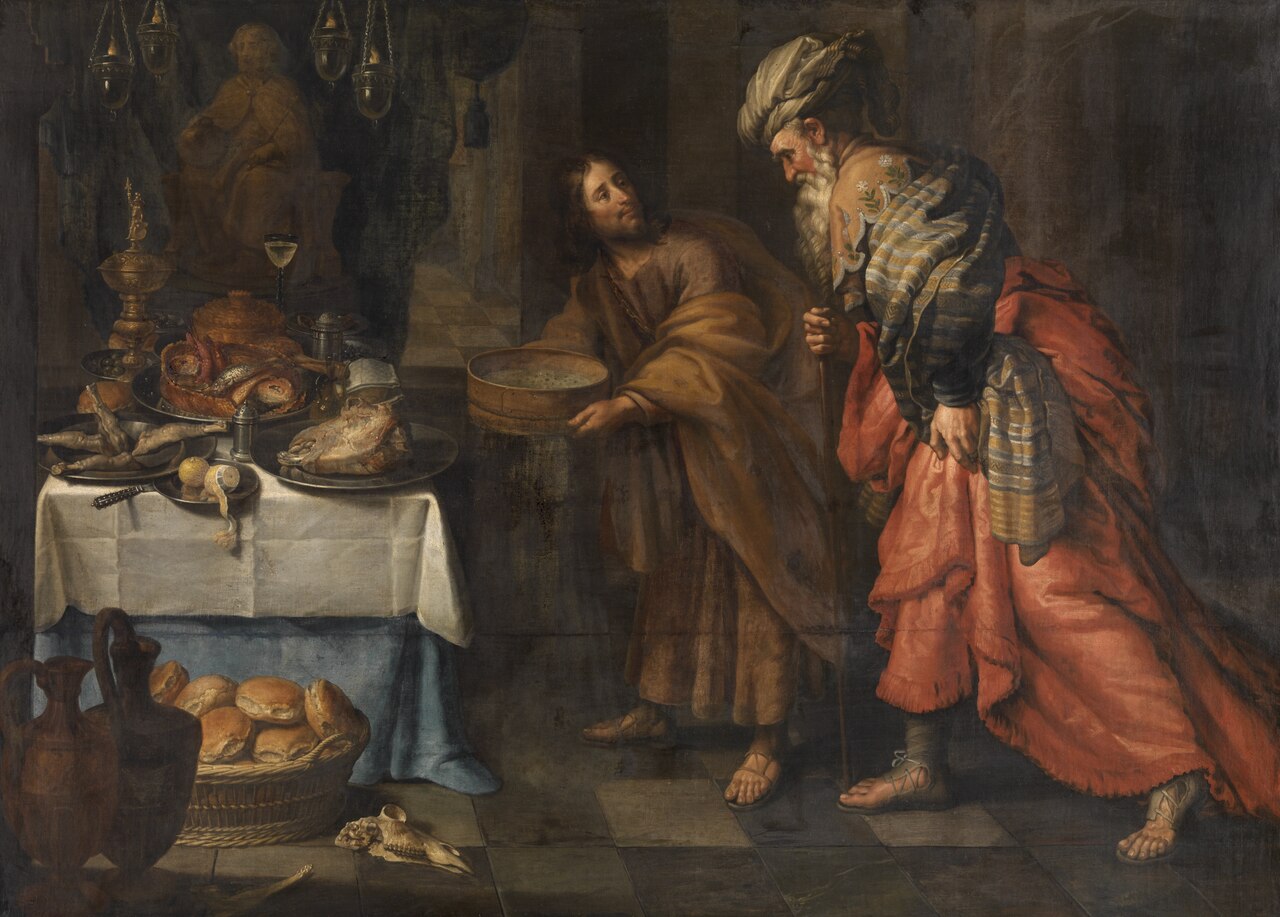
Major works Among van Loon’s most celebrated pieces is the **Adoration of the Shepherds** (1620). Executed for a parish church, the work captures the nocturnal scene with a luminous sky that bathes the humble shepherds in a divine light, while the infant Christ rests on a simple manger. The composition balances the earthly and the heavenly, a theme recurrent in his oeuvre. Another notable work, **Assumption of Mary**, presents the Virgin ascending amid a swirl of clouds and angels; the vertical thrust of the composition underscores the spiritual elevation of the subject. The **Lamentation** (1623) offers a poignant portrayal of the dead Christ surrounded by grieving figures, where van Loon’s use of muted tones conveys a somber mood. A more obscure but intriguing piece, **Daniël décrouvant l'imposture des prêtres de Baël**, illustrates the biblical story of Daniel exposing false priests, showcasing the artist’s capacity for narrative clarity and dramatic tension.
Influence and legacy Although van Loon never achieved the fame of Rubens or Van Dyck, his contribution to the visual culture of the Habsburg Netherlands remains significant. His works were widely reproduced in prints, allowing the devotional imagery to reach a broader audience beyond the walls of the churches that housed the originals. Later Flemish painters drew upon his balanced compositions and his nuanced handling of light, perpetuating the Baroque aesthetic in the region. Modern scholarship recognises van Loon as a representative figure of the transitional period between the late Renaissance and the full‑blown Baroque, illustrating how local artists adapted international trends to serve the Counter‑Reformation’s visual agenda. Today, his paintings are preserved in several European collections and continue to be studied for their technical mastery and theological resonance.
Frequently asked questions
Who was Theodoor van Loon?
Theodoor van Loon was a Flemish Baroque painter (1581–1649) from the Habsburg Netherlands, known for religious works such as the Adoration of the Shepherds.
What style or movement is he associated with?
He worked within the Flemish Baroque tradition, employing dramatic lighting, rich colour, and dynamic composition.
What are his most famous works?
His best‑known paintings include the Adoration of the Shepherds (1620), the Assumption of Mary, the Lamentation (1623) and the narrative piece Daniël décrouvant l'imposture des prêtres de Baël.
Why does van Loon matter in art history?
He exemplifies the adaptation of Baroque visual language to the Counter‑Reformation in the Low Countries and influenced subsequent Flemish artists through his balanced compositions and refined technique.
How can I recognise a painting by Theodoor van Loon?
Look for layered glazing that creates luminous skin tones, a restrained yet expressive modelling of faces, and a careful use of chiaroscuro that highlights soft, candle‑lit scenes.