Sergio Valle Duarte
1954 – present
In short
Sergio Valle Duarte (born 1954) is a Brazilian contemporary multimedia artist and fine‑art photographer whose work combines conceptual installations, experimental photography and symbolic references to light, silence and myth.
Notable works
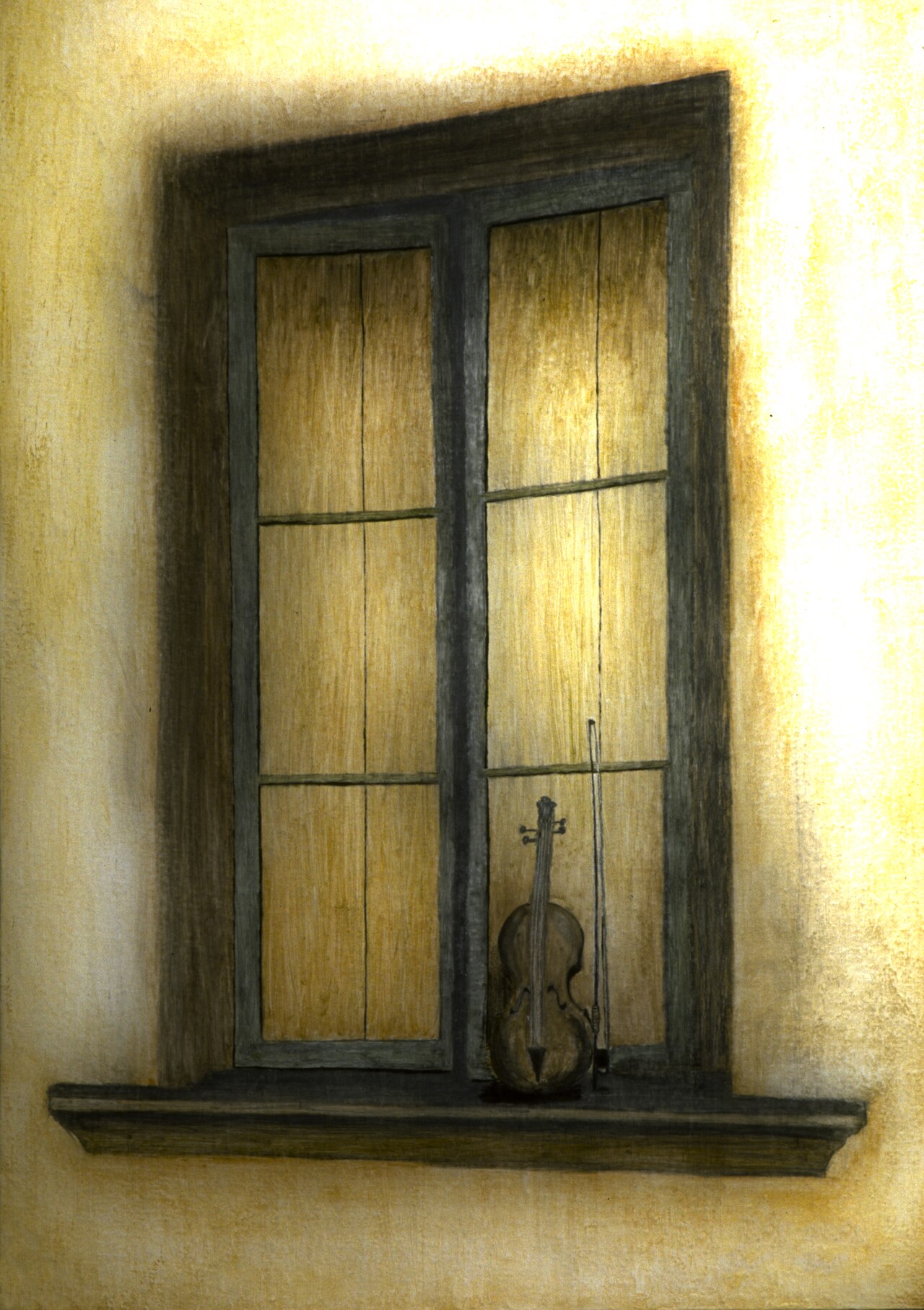

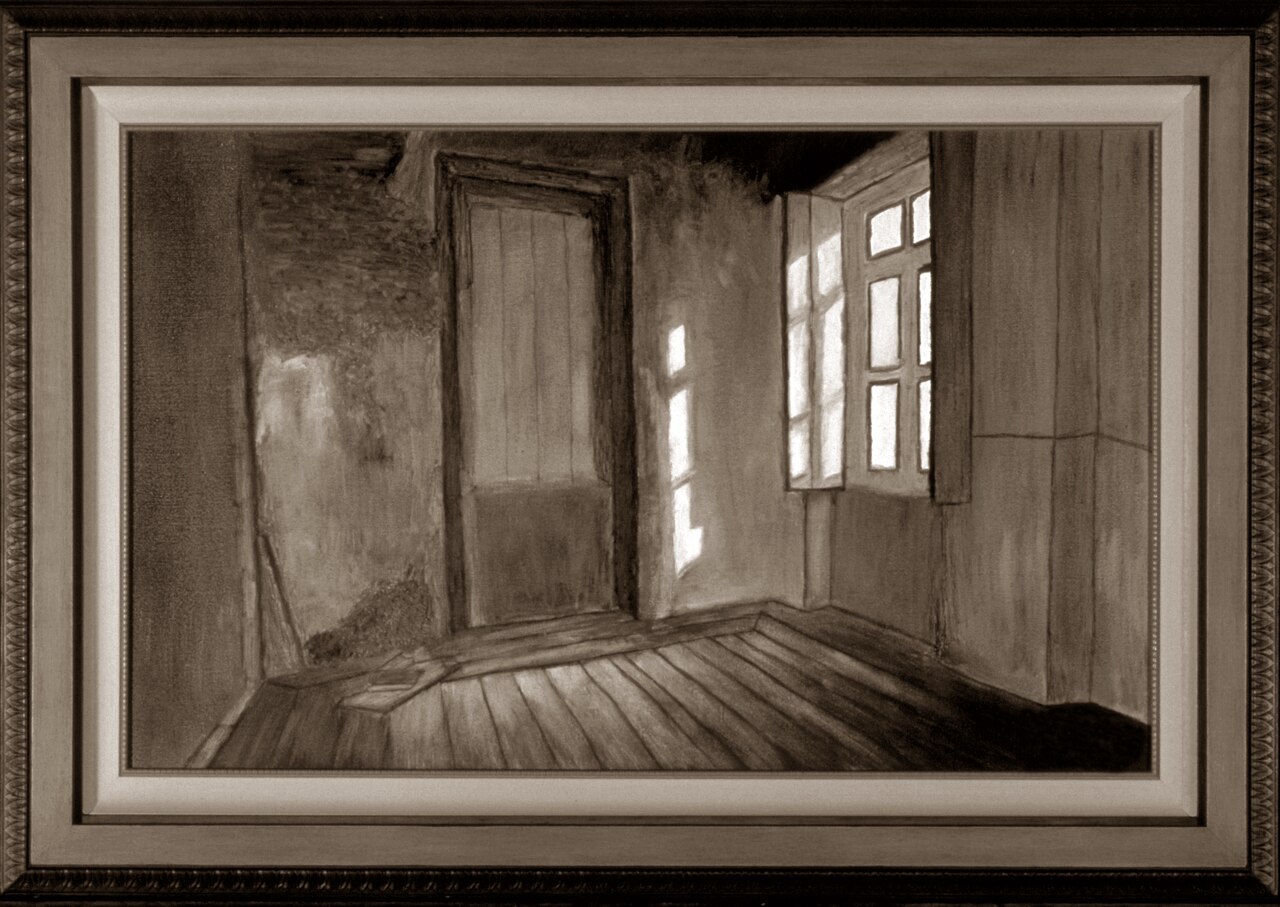
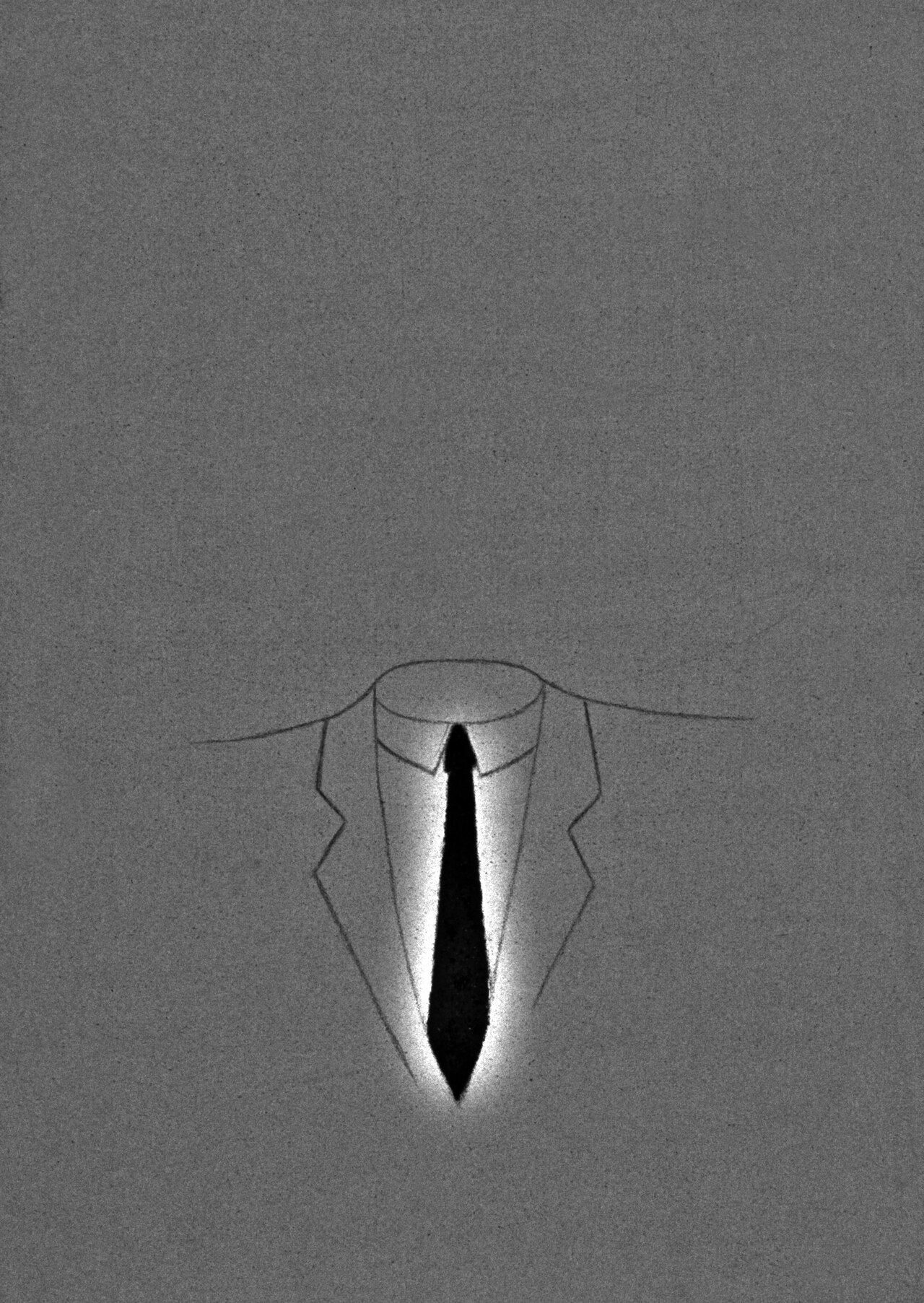

Early life Sergio Valle Duarte was born on 26 September 1954 in São Paulo, Brazil. Growing up in a city that was rapidly modernising, he was exposed early to the vibrant street culture, the burgeoning Brazilian music scene and a nascent contemporary art community. His family encouraged an appreciation of both visual and performing arts, and Duarte attended local schools where he first experimented with drawing and basic photography. By his teenage years he was already attending exhibitions at the São Paulo Museum of Art and the Museum of Modern Art, absorbing the work of Brazilian modernists such as Tarsila do Amaral and the international avant‑garde that filtered through the city’s galleries.
Career and style After completing his secondary education, Duarte pursued formal studies in visual arts, focusing on photography and mixed media. In the late 1970s he began to exhibit his work in small independent spaces, quickly gaining a reputation for a contemplative approach that foregrounded atmosphere over narrative drama. His style is characterised by a restrained palette, meticulous control of light, and an interest in the invisible forces that shape perception. Rather than aligning himself with any single Brazilian movement, Duarte positioned his practice within the broader discourse of contemporary art, drawing on conceptual, minimalist and surrealist tendencies while retaining a distinct personal voice.
Throughout the 1980s Duarte’s practice expanded to include installation, video and performance documentation. He frequently employed photographic prints as both autonomous objects and as components of larger spatial arrangements, allowing the viewer to move through environments that were simultaneously intimate and ambiguous. The artist’s work often references classical mythology, literature and music, reinterpreting these sources through a contemporary lens that emphasises silence, transience and the fleeting quality of light.
Signature techniques Duarte’s signature techniques revolve around three interrelated concerns: light manipulation, photographic layering and symbolic minimalism. In the studio he would use narrow apertures and long exposures to capture a soft, diffused glow that suggests an inner illumination rather than a direct source. He frequently printed his photographs on translucent or textured papers, then mounted them on walls or suspended them from simple frames, creating a sense of depth that blurs the boundary between two‑dimensional image and three‑dimensional space.
Another hallmark of his practice is the use of subtle, often hidden, light sources within installations. By placing concealed lamps or reflective surfaces behind doors, windows or thin panels, he generated a faint inner light that becomes visible only when the viewer changes position or when ambient light shifts. This strategy underscores his preoccupation with the unseen, inviting contemplation of what lies beyond the immediate visual field.
Finally, Duarte employed a minimalist visual language, stripping down forms to essential silhouettes or outlines. This restraint allowed symbolic content—such as a single figure, a door, or a musical instrument—to carry narrative weight without overt storytelling, encouraging viewers to project their own associations onto the work.
Major works - **A Homage, NICCOLÒ PAGANINI (1782‑1840) (1982)** – This piece pays tribute to the virtuoso violinist by translating musical virtuosity into visual terms. Duarte presented a series of monochrome photographs of a violin placed against a dark backdrop, each image illuminated by a faint, almost imperceptible glow that mimics the resonance of a sustained note. The work explores the relationship between sound and sight, suggesting that the visual echo of Paganini’s music can be perceived through subtle light.
- Invisible Dancer, Moon Light (1978) – In this installation, a narrow doorway is fitted with a hidden lamp that emits a soft, moon‑like radiance. The light passes through the top of the door, creating a luminous band that suggests the presence of an unseen dancer moving in the shadows. The piece emphasises the idea of performance that exists only in suggestion, where the viewer’s imagination completes the choreography.
- The Shyness (1979) – A small, isolated figure is captured in a low‑key photograph, its outline barely discernible against a muted background. The work’s title and visual restraint convey a sense of reticence, inviting contemplation of the emotional states that lie just beneath the surface of perception.
- The Sadness (1985) – This work combines a series of layered prints that gradually reveal a figure in a state of melancholy. By employing overlapping translucent sheets, Duarte creates a visual metaphor for the way sadness can envelope a person, becoming more opaque the more one tries to look directly at it.
- A Suicide of Lucretia (1985) – Drawing on the classical story of Lucretia, Duarte reinterprets the tragic narrative through a stark photographic tableau. A single, starkly lit figure is positioned against a plain wall, the composition stripped of elaborate props. The work foregrounds the psychological intensity of the moment, using light to highlight the decisive act while leaving the surrounding space empty, thereby focusing attention on the inner turmoil.
These works collectively illustrate Duarte’s preoccupation with intangible forces—light, silence, myth—and his ability to render them visible through disciplined photographic and installation strategies.
Influence and legacy Sergio Valle Duarte’s contribution to Brazilian contemporary art lies in his disciplined exploration of the unseen. By integrating photography with installation and employing light as a conceptual material, he opened new possibilities for artists working at the intersection of image and space. His practice influenced a generation of Brazilian artists who began to experiment with subtle illumination, minimal narrative content and the use of photography as a structural element within larger installations.
Although the precise details of his later career remain undocumented, Duarte’s early works continue to be cited in scholarly discussions of Latin American conceptual art. Exhibitions that revisit 1970s and 1980s Brazilian avant‑garde frequently include his pieces as exemplars of a quiet, introspective strand that ran parallel to more overtly political art of the period. His legacy endures in the way contemporary Brazilian photographers and installation artists approach the relationship between light, materiality and narrative, often invoking the same restrained aesthetic that Duarte championed.
In academic circles, Duarte is recognised for his ability to translate musical and literary references into visual forms without resorting to literal illustration. This cross‑disciplinary sensitivity has inspired curators to program exhibitions that juxtapose visual art with music and poetry, echoing his own interdisciplinary impulses. As such, Sergio Valle Duarte remains an essential figure for understanding the nuanced development of contemporary Brazilian art during the late twentieth century.
Frequently asked questions
Who was Sergio Valle Duarte?
Sergio Valle Duarte (born 1954) is a Brazilian contemporary multimedia artist and fine‑art photographer known for his conceptual installations and photographic works.
What style or movement is he associated with?
He works within the contemporary art sphere, combining conceptual, minimalist and surrealist influences while focusing on light, silence and mythic references.
What are his most famous works?
Key works include A Homage, NICCOLÒ PAGANINI (1982); Invisible Dancer, Moon Light (1978); The Shyness (1979); The Sadness (1985); and A Suicide of Lucretia (1985).
Why does he matter in art history?
Duarte pioneered the integration of photography with installation, using subtle lighting to reveal invisible forces, thereby shaping a distinctive strand of Brazilian contemporary art.
How can I recognise a Sergio Valle Duarte piece?
His works typically feature soft, diffused lighting, muted colour palettes, minimal forms, and often combine photographic prints with simple sculptural elements that suggest myth or silence.