Sebastiano Ceccarini
1703 – 1783
In short
Sebastiano Ceccarini was an Italian painter from the Papal States, born in 1703 and died in 1783. He was a student of Francesco Mancini and later became a teacher to his nephew Carlo Magini. Ceccarini's work reflects his training in the Italian Baroque style, although the specific art movement he is associated with is not well-documented.
Notable works


_-_Fryderyk_Krystian.jpg)
Early life Sebastiano Ceccarini was born in 1703 in Fano, a city in the Papal States. The details of his early life are not extensively documented, but it is known that he went on to become a pupil of Francesco Mancini, a notable figure in Italian art. This apprenticeship would lay the foundation for Ceccarini's artistic development and future career.
Career and style Ceccarini's career as a painter was marked by his association with the Italian Baroque style, which was prevalent during his time. Although the specific art movement he is most closely associated with is not clearly defined, his work reflects the influences of his era and training. As a painter, Ceccarini would have been exposed to a wide range of artistic techniques and styles, which he incorporated into his own unique approach.
Signature techniques While specific signature techniques that define Ceccarini's work are not well-documented, it is clear that he was adept at capturing the essence of his subjects. His portraits, such as the 'Portrait of a Noblewoman', demonstrate a keen eye for detail and an ability to convey the character of those he painted. The use of light and shadow, common in Baroque art, would have been an important aspect of his technique, although the full range of his artistic capabilities remains to be fully explored.
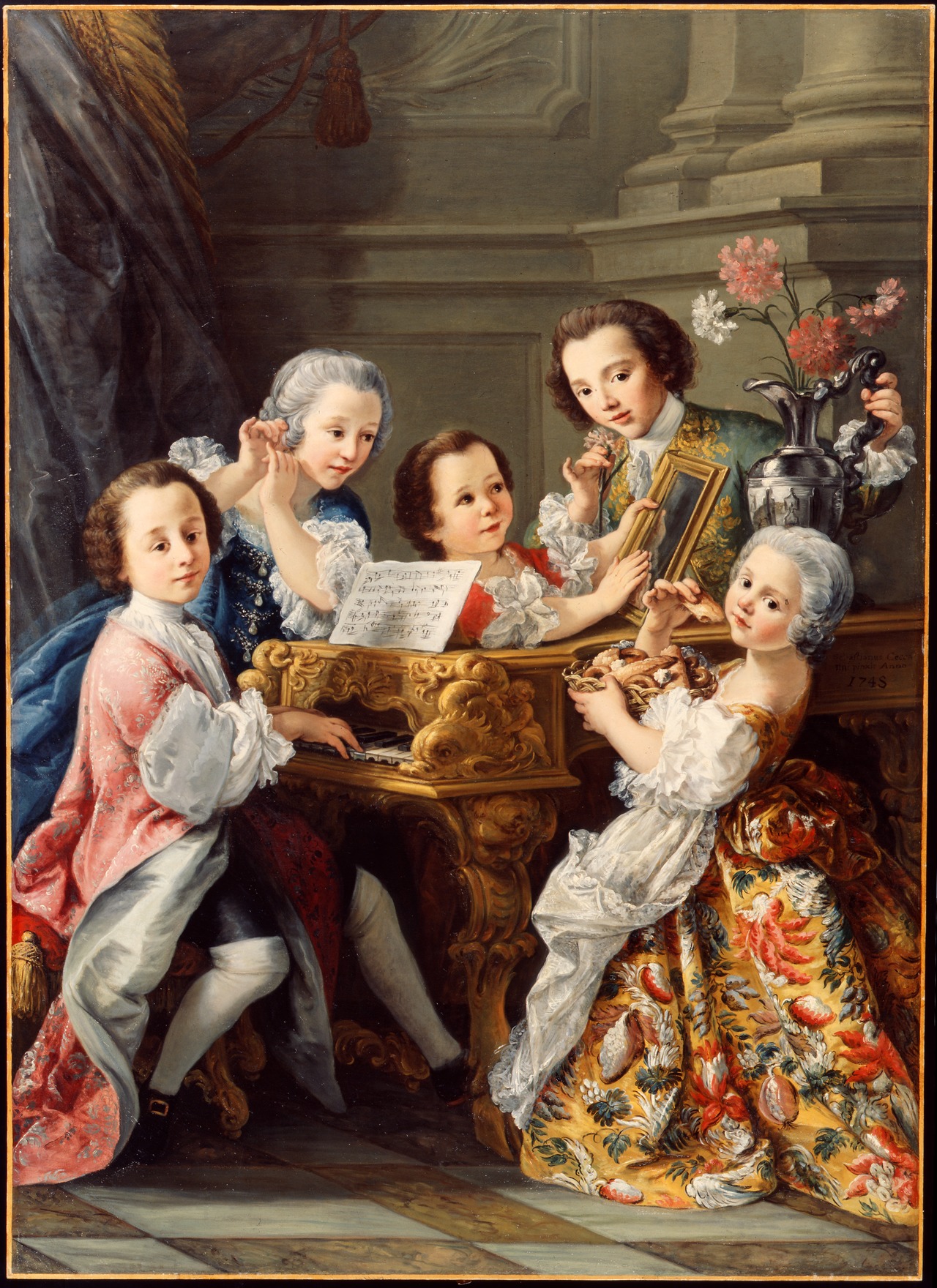
Major works Among Ceccarini's known works are 'Allegory of the Senses' (1748), 'Portrait of a Noblewoman' (1750), a 'Self-portrait', and 'Frederick Christian of Saxony' (1739). 'Allegory of the Senses' is a significant piece that showcases Ceccarini's ability to compose complex, meaningful scenes. The 'Portrait of a Noblewoman' highlights his skill in portraiture, capturing not just the physical likeness but also the dignity and grace of his subject. His 'Self-portrait' provides insight into the artist's self-perception and artistic skill, while 'Frederick Christian of Saxony' demonstrates his capacity to portray figures of importance with accuracy and flair.
Influence and legacy Ceccarini's influence on the art world, particularly within the context of the Italian Baroque and subsequent movements, is an area that warrants further study. As a teacher to his nephew Carlo Magini, he played a role in passing on his knowledge and skills to the next generation. The legacy of Sebastiano Ceccarini is found in his works, which continue to offer a glimpse into the artistic practices and tastes of his time. Despite the lack of detailed information about his life and career, Ceccarini's paintings stand as a testament to his craftsmanship and artistic vision.
Frequently asked questions
Who was Sebastiano Ceccarini?
Sebastiano Ceccarini was an Italian painter from the Papal States, active during the 18th century. He is known for his portraits and allegorical works, reflecting the Italian Baroque style of his time.
What style or movement is Ceccarini associated with?
Ceccarini's work is associated with the Italian Baroque style, although the specific art movement he belongs to is not well-documented. His training under Francesco Mancini and his own body of work reflect the influences of the Baroque period.
What are some of Ceccarini's most famous works?
Some of Ceccarini's notable works include 'Allegory of the Senses', 'Portrait of a Noblewoman', 'Self-portrait', and 'Frederick Christian of Saxony'. These pieces demonstrate his range in portraiture and allegorical composition.
Why does Ceccarini matter in the history of art?
Ceccarini matters because he represents a continuation of the Italian Baroque tradition and contributes to the rich tapestry of 18th-century Italian art. His role as a teacher also highlights his importance in the transmission of artistic knowledge and techniques.
How can I recognise a work by Ceccarini?
Recognising a work by Ceccarini involves looking for characteristics of the Italian Baroque style, such as the use of chiaroscuro and detailed portraiture. His allegorical works, like 'Allegory of the Senses', often feature complex compositions and symbolic elements, which can also be indicative of his style.