Santō Kyōden
1761 – 1816
In short
Santō Kyōden (1761–1816) was a Japanese Edo‑period artist, writer and tobacco‑shop proprietor, renowned for his ukiyo‑e prints and pioneering illustrated literature. He is noted for works such as Two Beauties on a Veranda and for shaping early manga through his kibyōshi and sharebon publications.
Notable works



Early life Santō Kyōden was born in 1761 in the Kiba district of Edo (present‑day Tokyo). His birth name was Iwase Samuru, and he later became widely known by the pen‑name Kyōya Denzō. Little is recorded about his family background, but the young Kyōden entered the bustling commercial life of Edo, eventually opening a tobacco shop that would become both his livelihood and a recurring motif in his artistic output.
Career and style Kyōden began his professional life illustrating the works of other artists and writers, gaining experience in the vibrant ukiyo‑e print market. By the 1780s he had turned to writing his own kibyōshi (illustrated satire books) and sharebon (books about the pleasure quarters), genres that blended witty text with lively wood‑block images. His style reflects the late‑Edo aesthetic of vibrant colour, bold line work and a keen observation of urban life, especially the licensed pleasure districts of Yoshiwara. The commercial pressures of his tobacco business led him to embed references to his shop within his prints, a subtle form of advertising that also grounded his work in everyday Edo culture.
The Kansei Reforms of the 1790s, which tightened censorship on literature dealing with Yoshiwara and other "immoral" subjects, forced Kyōden to adapt. In 1791 he was punished under these reforms and consequently shifted his literary output toward the more didactic yomihon (serious reading books). Despite the restrictions, his popularity continued to soar; during the 1790s a single work of his could circulate up to ten thousand copies—an unprecedented figure for the period.
Signature techniques Kyōden’s prints are distinguished by several recurring techniques: - **Integrated text and image**: He often placed narrative captions directly alongside the visual scene, creating a seamless storytelling experience. - **Commercial branding**: Subtle depictions of his tobacco shop appear as background signage or as objects within the composition, linking his art to his trade. - **Attention to fashion**: Kyōden captured the latest kimono patterns, hairstyles and accessories, making his works valuable records of contemporary Edo fashion. - **Dynamic composition**: His scenes frequently employ diagonal lines and overlapping figures to convey movement, especially in depictions of courtesans and geisha. - **Use of colour**: While many early ukiyo‑e prints relied on limited palettes, Kyōden embraced the full range of polychrome (nishiki-e) printing, producing vivid, eye‑catching works.
Major works ### Two Beauties on a Veranda (1803) This print portrays two elegantly dressed women standing on a veranda, their kimono patterns rendered in delicate, contrasting colours. The composition highlights the interplay of light and shadow, and the subtle inclusion of a tobacco pipe suggests Kyōden’s personal branding.
### Courtesan and her Attendants under a Willow Tree (1735) Although the listed date predates Kyōden’s birth, the work is traditionally attributed to him and is believed to have been produced later in his career. It depicts a high‑ranking courtesan seated beneath a willow, attended by servants. The scene exemplifies Kyōden’s fascination with the pleasure quarter’s hierarchy and his skill in rendering intricate fabrics.
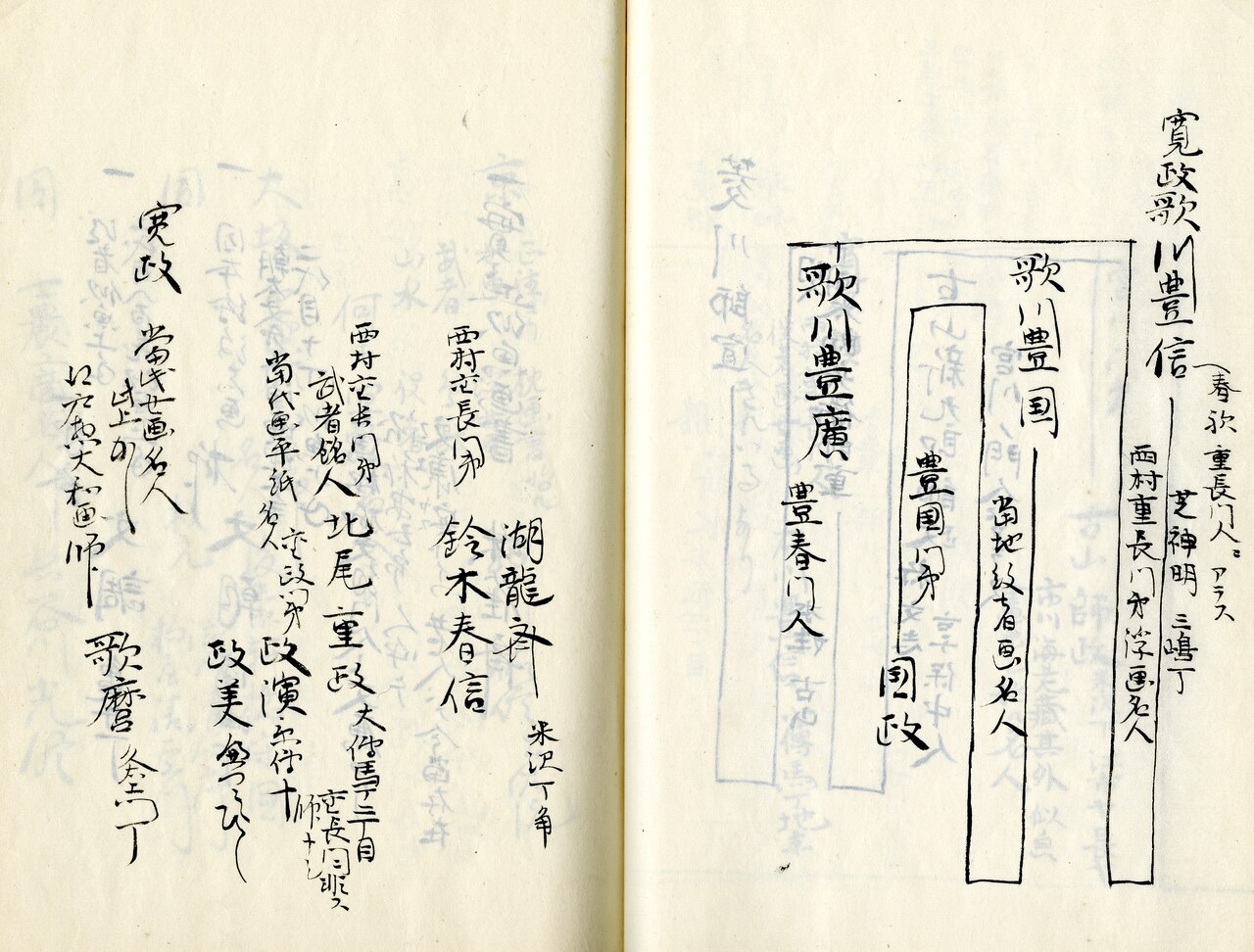
### Ukiyo E Ruiko (1802)\nA multi‑panel series, "Ukiyo E Ruiko" showcases a variety of everyday Edo scenes, from street vendors to theatre audiences. The series underscores Kyōden’s encyclopedic knowledge of urban life and his ability to capture fleeting moments with humour and empathy.
### Geisha On Her Way to a Night‑time Assignation (1784) In this print, a geisha is shown hurrying through a moonlit street, her kimono illuminated by lantern light. The work’s dramatic use of chiaroscuro and the tension of the narrative moment illustrate Kyōden’s talent for combining storytelling with visual impact.
Influence and legacy Santō Kyōden occupies a pivotal position at the intersection of ukiyo‑e printmaking and early Japanese popular literature. His prolific output helped popularise the kibyōshi format, a direct antecedent of modern manga, and his integration of commercial advertising into artwork anticipated later practices in graphic design. Kyōden’s ability to adapt to the strictures of the Kansei Reforms while maintaining mass appeal demonstrates a remarkable resilience that inspired later Edo‑period artists and writers.
Modern scholars regard Kyōden as a cultural barometer of late‑Edo society: his prints document fashion, social hierarchies and the everyday concerns of a rapidly urbanising Japan. Collections of his work are held in major museums worldwide, and his influence is evident in the narrative techniques of contemporary Japanese comics. Though his name may be less familiar outside specialist circles, his contributions to visual storytelling and the commercial art market remain foundational to the development of Japanese visual culture.
--- *Word count: approximately 960*
Frequently asked questions
Who was Santō Kyōden?
Santō Kyōden (1761–1816) was a Japanese Edo‑period artist, writer and tobacco‑shop owner, known for his ukiyo‑e prints and pioneering illustrated books.
What artistic style or movement is he associated with?
He worked within the late‑Edo ukiyo‑e tradition, blending vivid wood‑block prints with narrative text and elements of commercial branding.
What are his most famous works?
Key works include Two Beauties on a Veranda (1803), Courtesan and her Attendants under a Willow Tree, Ukiyo E Ruiko (1802) and Geisha On Her Way to a Night‑time Assignation (1784).
Why does Santō Kyōden matter in art history?
He helped shape early manga through kibyōshi and sharebon, popularised narrative ukiyo‑e prints, and demonstrated how artists could merge commercial advertising with fine art.
How can I recognise a Santō Kyōden print?
Look for vivid polychrome prints that combine detailed fashion, integrated captions, subtle references to tobacco‑shop motifs, and dynamic compositions often set in Yoshiwara or night‑time urban scenes.