Richard Edward Miller
1875 – 1943
In short
Richard Edward Miller was an American Impressionist painter born in 1875 in St. Louis and died in 1943 in St. Augustine. He was a member of the Giverny Colony of American Impressionists and primarily a figurative painter. Miller is known for his paintings of women posing languidly in interiors or outdoor settings.
Notable works


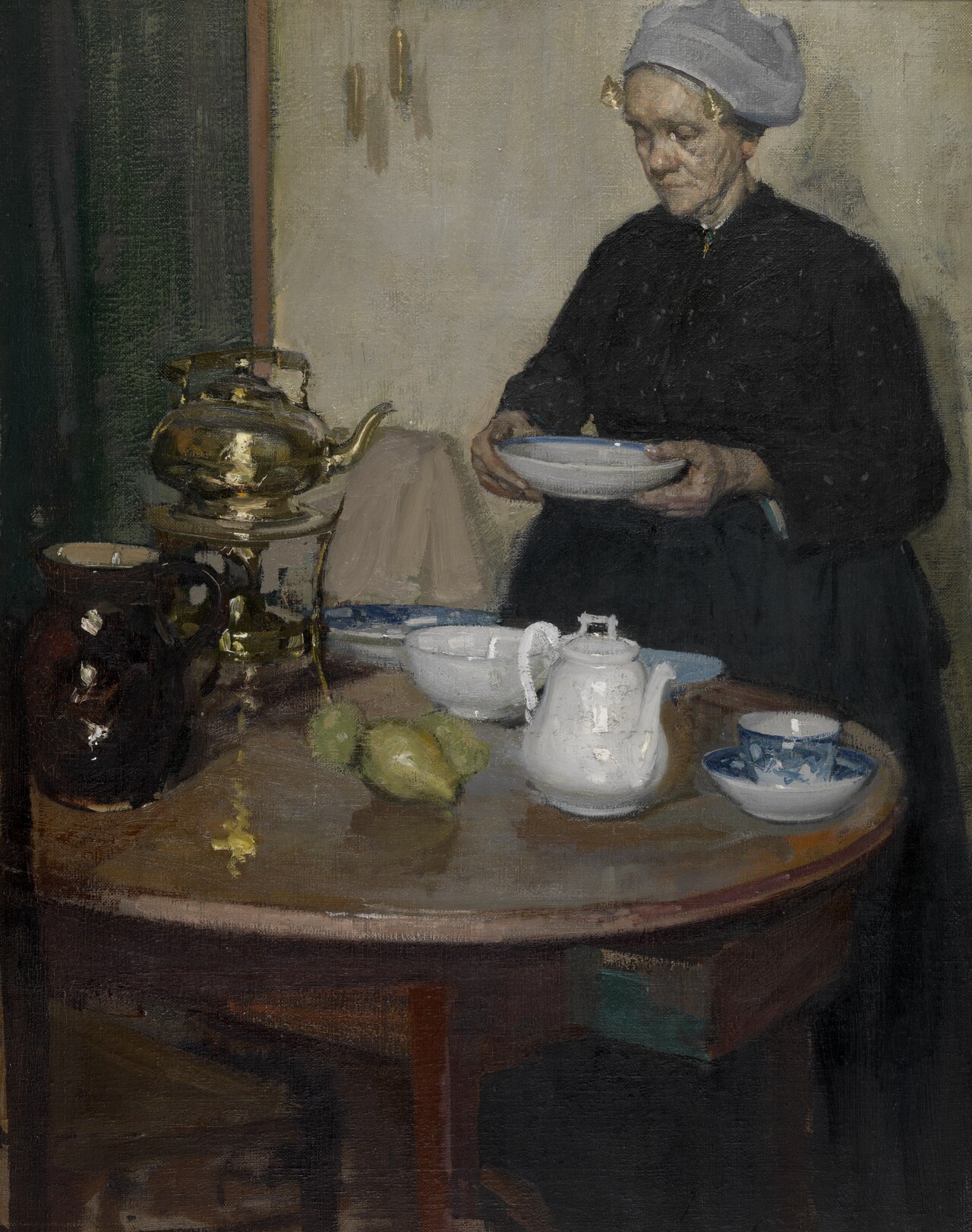


Early life Richard Edward Miller was born in 1875 in St. Louis, United States. His early life and upbringing in St. Louis had a significant impact on his future artistic career. Although specific details about his childhood are scarce, it is known that he developed an interest in art from an early age. Miller's decision to pursue a career in the arts led him to study in Paris, a hub for artistic innovation and expression during the late 19th and early 20th centuries.
Career and style Miller's career as an American Impressionist painter was marked by his association with the Giverny Colony of American Impressionists. The colony, which was influenced by the works of Claude Monet, provided a supportive environment for Miller to develop his unique style. His paintings often featured women posing languidly in interiors or outdoor settings, showcasing his ability to capture the subtleties of light and color. Miller's work was not only recognized in the United States but also in France and Italy, where he received numerous awards and honors, including the Legion of Honor.
Signature techniques Miller's signature techniques were characterized by his use of soft, feathery brushstrokes and a muted color palette. He was particularly skilled at capturing the play of light on his subjects, often using it to create a sense of depth and atmosphere in his paintings. Miller's ability to balance composition and color earned him recognition as a leading figure in American Impressionism. His paintings continue to be admired for their serenity and elegance, offering a glimpse into the lives of women during the early 20th century.
Major works Some of Miller's most notable works include 'Afternoon Tea' (1910), 'The Parasol' (1910), 'Woman at the table' (1903), 'Reverie' (1916), and 'The Chinese Statuette' (1910). These paintings showcase Miller's ability to capture the quiet intimacy of domestic scenes, as well as his interest in exploring the relationships between women and their surroundings. 'Afternoon Tea' and 'The Parasol' demonstrate Miller's skill in depicting the subtleties of light and color, while 'Woman at the table' and 'Reverie' highlight his ability to convey a sense of contemplation and introspection. 'The Chinese Statuette' showcases Miller's interest in exploring the relationships between women and objects, adding a sense of depth and complexity to his work.
Influence and legacy Miller's influence on American Impressionism is undeniable, and his work continues to be celebrated for its beauty and elegance. As a member of the National Academy of Design in New York, Miller played a significant role in shaping the artistic landscape of the United States during the early 20th century. His paintings have been the subject of numerous exhibitions and have been reproduced extensively in exhibition catalogs and books on American Impressionism. Today, Miller's work can be found in museums and private collections around the world, serving as a testament to his enduring legacy as a leading figure in American Impressionism.
Frequently asked questions
Who was Richard Edward Miller?
Richard Edward Miller was an American Impressionist painter born in 1875 in St. Louis and died in 1943 in St. Augustine. He was a member of the Giverny Colony of American Impressionists and primarily a figurative painter.
What style or movement was Richard Edward Miller associated with?
Richard Edward Miller was associated with American Impressionism, a style characterized by its emphasis on capturing the fleeting effects of light and color.
What are some of Richard Edward Miller's most famous works?
Some of Miller's most notable works include 'Afternoon Tea' (1910), 'The Parasol' (1910), 'Woman at the table' (1903), 'Reverie' (1916), and 'The Chinese Statuette' (1910).
Why does Richard Edward Miller matter in the history of art?
Miller's work had a significant impact on the development of American Impressionism, and his paintings continue to be celebrated for their beauty and elegance. He was a leading figure in the Giverny Colony of American Impressionists and received numerous awards and honors for his work.
How can I recognize a Richard Edward Miller painting?
Richard Edward Miller's paintings are characterized by their soft, feathery brushstrokes, muted color palette, and emphasis on capturing the play of light on his subjects. His figurative paintings often feature women posing languidly in interiors or outdoor settings, showcasing his ability to balance composition and color.