Pieter Balten
1525 – 1584
In short
Pieter Balten (1525–1584) was a Flemish Renaissance painter, draughtsman, engraver and publisher from Antwerp, noted for his genre scenes, religious works and landscape imagery. He also acted as an art dealer and poet, contributing to the visual culture of the Habsburg Netherlands.
Notable works



Early life Pieter Balten was born in Antwerp in 1525, a city that was then a thriving centre of trade and artistic production within the Habsburg Netherlands. Little is known about his family background, but records indicate that he received a traditional apprenticeship in the local workshop system, a common path for aspiring artists of the period. Antwerp’s vibrant guild structure, particularly the Guild of Saint Luke, provided the framework for his training, exposing him to both the technical rigours of painting and the commercial realities of the art market. By the time he completed his apprenticeship, Balten had acquired a solid foundation in drawing, oil painting, and the emerging practice of printmaking.
Career and style Balten began his professional career in the 1540s, establishing himself as a versatile practitioner who worked across media. His output reflects the eclectic tastes of his patrons, ranging from private devotional commissions to public genre scenes that celebrated local customs. While his work does not fit neatly into a single movement, it bears the hallmarks of the Northern Renaissance: meticulous observation of everyday life, a keen interest in narrative detail, and a balanced integration of religious symbolism with secular subject matter.
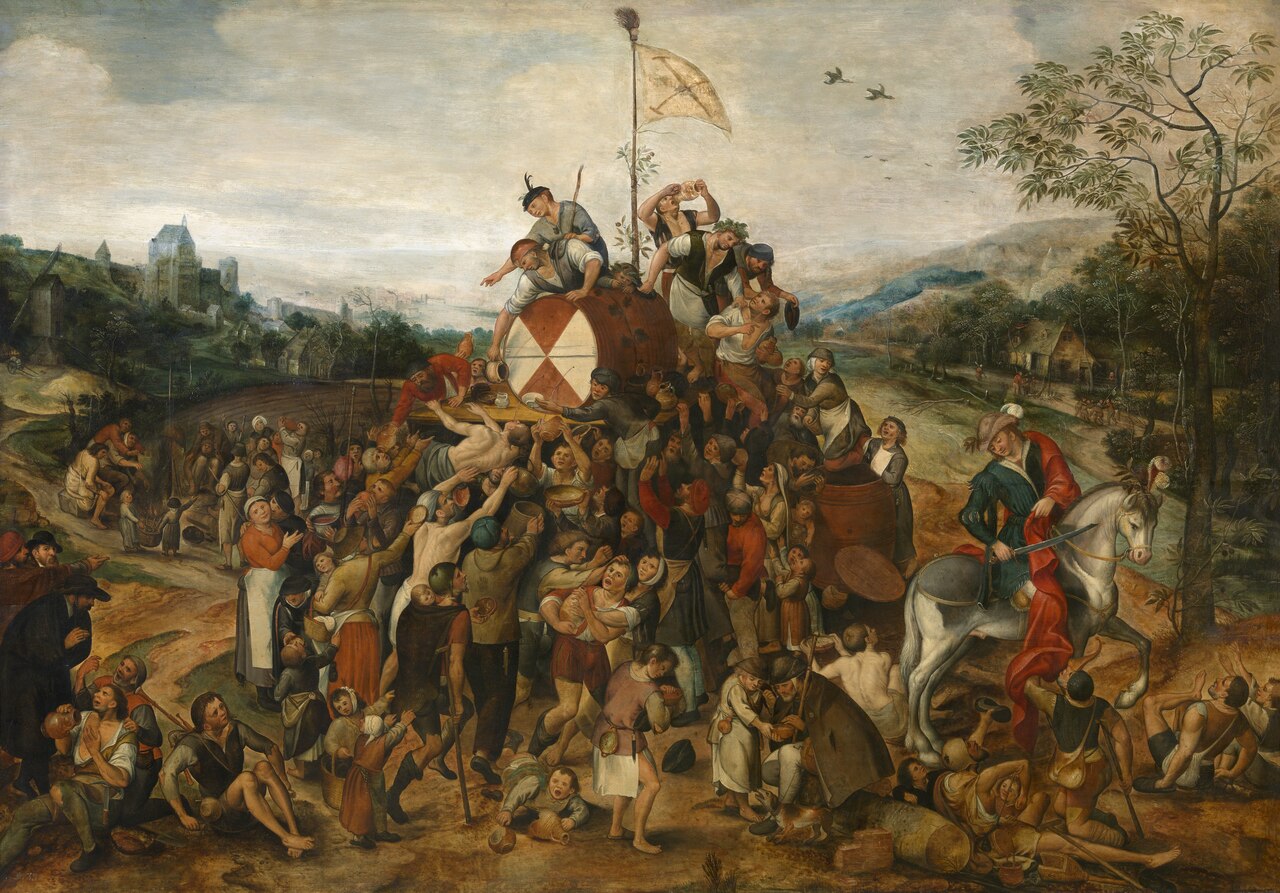
Balten’s genre paintings are particularly notable for their lively depiction of Flemish festivals and market scenes. He captured the bustling energy of kermises (fair days) with a compositional clarity that guides the viewer’s eye across multiple actions within a single frame. In his religious compositions, he employed a sober palette and careful modelling of figures, aligning his approach with contemporary devotional trends that favoured intimacy and emotional resonance. His landscapes, though often serving as backgrounds for narrative scenes, display a measured appreciation of atmospheric perspective and naturalistic foliage, echoing the work of his contemporaries while retaining a distinct personal voice.
Throughout his career Balten also engaged in printmaking, producing engravings that circulated widely and helped disseminate his visual ideas beyond the confines of Antwerp. These prints often served as illustrations for literary works, reflecting his dual identity as both an artist and a poet. His involvement in the art market extended to dealing and publishing, activities that placed him at the centre of the city’s cultural exchange network.
Signature techniques Balten’s technique combined careful draftsmanship with a fluid handling of oil paint. He began most compositions with a detailed underdrawing, using fine hatching to establish form and light before applying colour. This preparatory stage allowed him to achieve a high level of precision, especially in the rendering of textiles, facial expressions, and architectural details.
In painting, he favoured a layered glazing method, building transparent colour washes over a modestly toned ground. This approach gave his surfaces a luminous quality, particularly evident in the flesh tones of his religious figures and the atmospheric skies of his landscapes. For genre scenes, he employed a more direct impasto, accentuating the texture of market stalls, wooden carts, and festive banners.
His prints reveal a deft command of line and cross‑hatching, enabling him to suggest volume and shading without the benefit of colour. The consistency of his engraving style—characterised by crisp outlines and subtle tonal gradations—contributed to the recognisability of his work across different media.
Major works Balten’s oeuvre includes several works that exemplify his range and thematic interests. **The St Martin's Day Kermis (1550)** presents a bustling fair day in which townspeople gather to celebrate the feast of Saint Martin. The composition is anchored by a central group of revelers, while peripheral figures engage in trade and merriment, offering a panoramic view of communal life.
Saint Martin's Day (1550), a separate but thematically linked piece, focuses more directly on the saint’s charitable act of dividing his cloak. Here Balten employs a tighter compositional frame, emphasising the emotional exchange between Saint Martin and the beggar, while still embedding the scene within a lively market setting.
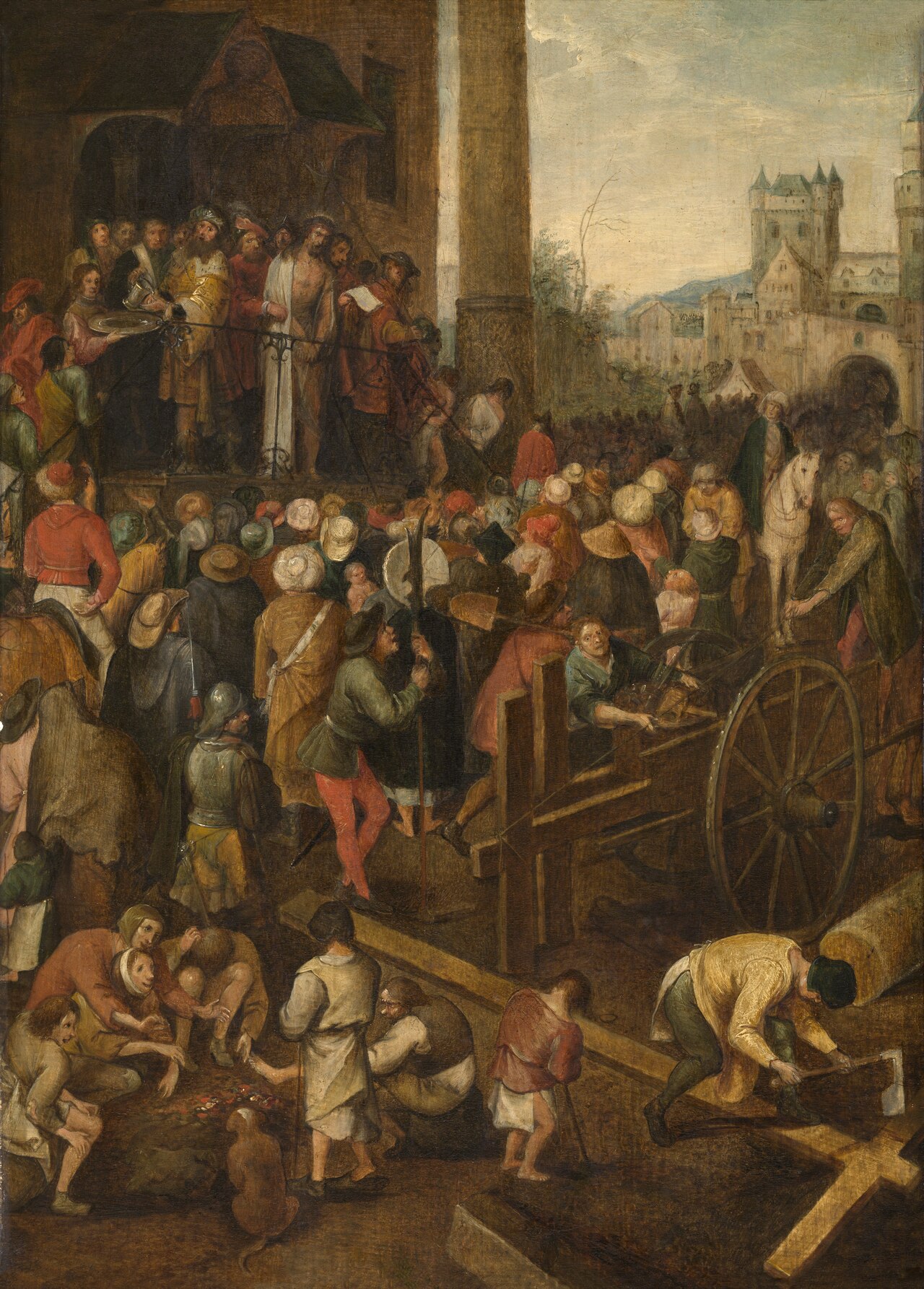
Ecce Homo (1550) reflects Balten’s capacity for devotional art. The painting depicts Christ presented to the crowd, rendered with a restrained palette that heightens the pathos of the moment. The figure’s expression and the careful modelling of light demonstrate Balten’s skill in conveying spiritual intensity.
In the later part of his career, Balten turned his attention to theatrical subjects. A Performance of the Farce 'Een Cluyte van Plaeyerwater' (A Clod from Plaeyerwater) at a Flemish Kermis (1570) captures a staged farce within the context of a fair. The work records both the actors on stage and the audience’s reactions, offering a rare visual record of early modern performance culture.
Popular fete (1574) is another genre scene that depicts a communal celebration, distinguished by its vibrant crowd and the inclusion of musical instruments and dancing figures. The painting’s lively brushwork and bright colour scheme illustrate Balten’s adaptability to the evolving tastes of his patrons.
These works collectively demonstrate Balten’s ability to navigate between sacred and secular subjects, while maintaining a consistent visual language rooted in observation and narrative clarity.
Influence and legacy Pieter Balten’s contributions to Flemish art lie in his synthesis of genre painting and religious imagery, a combination that helped shape the visual culture of the Habsburg Netherlands in the mid‑16th century. His depictions of local festivals provided a visual record of communal practices that would later inform the work of artists such as Pieter Bruegel the Elder. Although Balten is not as widely recognised as some of his contemporaries, his prints and paintings circulated among collectors and guild members, influencing the standards of compositional balance and narrative detail in regional workshops.
Balten’s dual role as artist and publisher also facilitated the spread of Flemish visual motifs beyond Antwerp, contributing to the broader diffusion of Northern Renaissance aesthetics. Modern scholarship increasingly acknowledges his role in the development of genre painting, positioning him as a bridge between the early Netherlandish tradition and the more fully developed genre scenes of the late 16th century.
Overall, Balten’s body of work offers valuable insight into the everyday life, religious devotion, and artistic practices of his era, securing his place as a noteworthy figure in the tapestry of Renaissance art history.
Frequently asked questions
Who was Pieter Balten?
Pieter Balten (1525–1584) was a Flemish Renaissance painter, draughtsman, engraver, publisher, art dealer and poet from Antwerp, known for genre scenes, religious works and landscapes.
What style or movement is he associated with?
Balten worked within the Northern Renaissance tradition, blending detailed genre painting with devotional imagery, but he is not tied to a specific later movement.
What are his most famous works?
Key works include *The St Martin's Day Kermis* (1550), *Saint Martin's Day* (1550), *Ecce Homo* (1550), *A Performance of the Farce 'Een Cluyte van Plaeyerwater'* (1570) and *Popular fete* (1574).
Why does Pieter Balten matter in art history?
He provides a vital visual record of 16th‑century Flemish festivals and devotional practice, influencing later genre painters and helping disseminate Northern Renaissance aesthetics through his prints and publishing activities.
How can I recognise a Pieter Balten painting?
Look for meticulous underdrawings, layered glazing for luminous flesh tones, lively crowd scenes with detailed costumes, and a clear narrative focus that balances secular festivity with subtle religious symbolism.