Périclès Pantazis
1849 – 1884
In short
Périclès Pantazis (1849–1884) was a Greek impressionist painter who spent most of his professional life in Belgium. He is noted for works such as Man with Beret and The Cliff, which blend Greek sensibility with the emerging European Impressionist style.
Notable works
Early life Périclès Pantazis was born in 1849 in Athens, the capital of a newly independent Greece. Growing up in a culturally vibrant environment, he was exposed early to the classical heritage of his homeland as well as to the burgeoning European artistic currents that filtered through the city’s academies. Pantazis received his initial training at the Athens School of Fine Arts, where he studied drawing and painting under teachers who favoured academic realism. His early work reflects the influence of the Greek academic tradition, yet he showed a marked curiosity for the newer approaches developing in Western Europe, particularly those concerning light and colour.
In the early 1870s Pantazis decided to broaden his horizons by moving to Belgium, a country whose art scene was increasingly open to avant‑garde ideas. Brussels, with its thriving salons and a growing community of foreign artists, offered him both exposure and the opportunity to engage with contemporary artistic debates.
Career and style Settling in Brussels, Pantazis quickly became part of a network of painters who were experimenting with the effects of natural light, atmospheric colour, and rapid brushwork—techniques that would later be identified with Impressionism. Although the term "Impressionist" was not yet firmly established in Belgium, Pantazis’ paintings from this period display many of its hallmarks: a focus on everyday subjects, a preference for outdoor scenes, and a palette that captures fleeting moments of light.
Pantazis exhibited regularly at the Brussels Salon and other regional exhibitions, where his work attracted favourable reviews for its fresh handling of colour and its departure from the more rigid academic conventions dominant in Greece. His reputation grew among Belgian collectors and critics, who appreciated his ability to merge the lyrical qualities of his Greek background with the modernist tendencies of his adopted country.
Throughout his short career, Pantazis remained committed to portraying contemporary life, whether through intimate portraiture or broader landscape studies. His compositions often feature ordinary people engaged in quiet activities, rendered with a sensitivity to the ambient atmosphere that places the viewer within the scene rather than merely observing it.
Signature techniques Pantazis’ technique is characterised by several recurring elements:
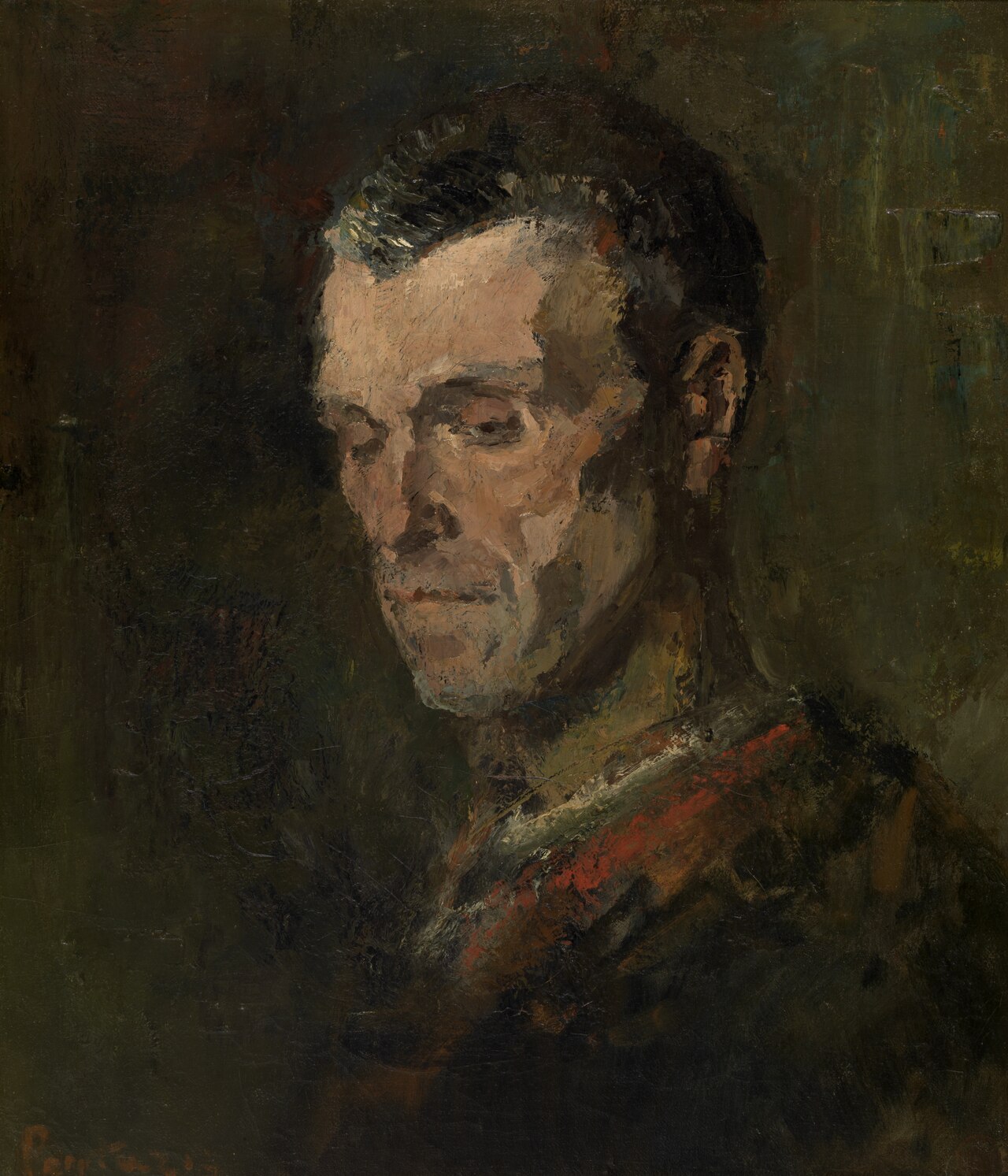
* Loose, visible brushstrokes – He employed short, energetic strokes that convey the texture of surfaces and the movement of light across them. This approach gives his canvases a sense of immediacy and vitality. * Atmospheric colour modulation – Rather than relying on stark contrasts, Pantazis layered translucent colours to achieve subtle shifts in hue, a method that softens edges and enhances the overall harmony of the composition. * Plein‑air observation – Many of his works were created outdoors, allowing him to capture the changing qualities of daylight. This practice aligns him with the broader Impressionist emphasis on direct observation. * Balanced composition – Even while his brushwork appears spontaneous, Pantazis maintained a disciplined sense of balance, positioning figures and landscape elements so that the eye moves fluidly across the canvas.
These techniques combine to produce paintings that feel both observationally accurate and emotionally resonant, reflecting the dual influences of his Greek heritage and his Belgian artistic environment.
Major works Pantazis’ oeuvre, though limited by his premature death at the age of thirty‑five, includes several works that have become emblematic of his style.
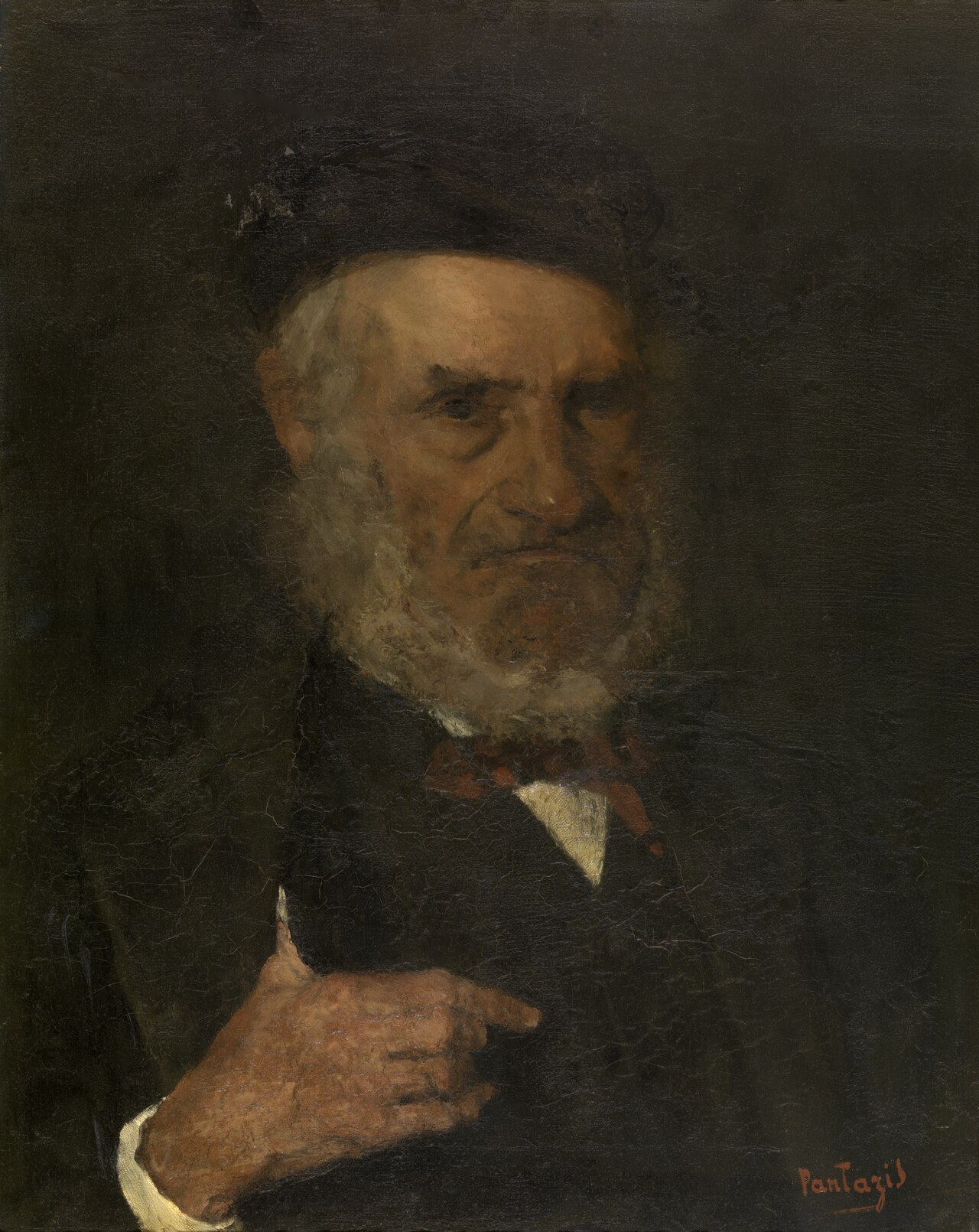
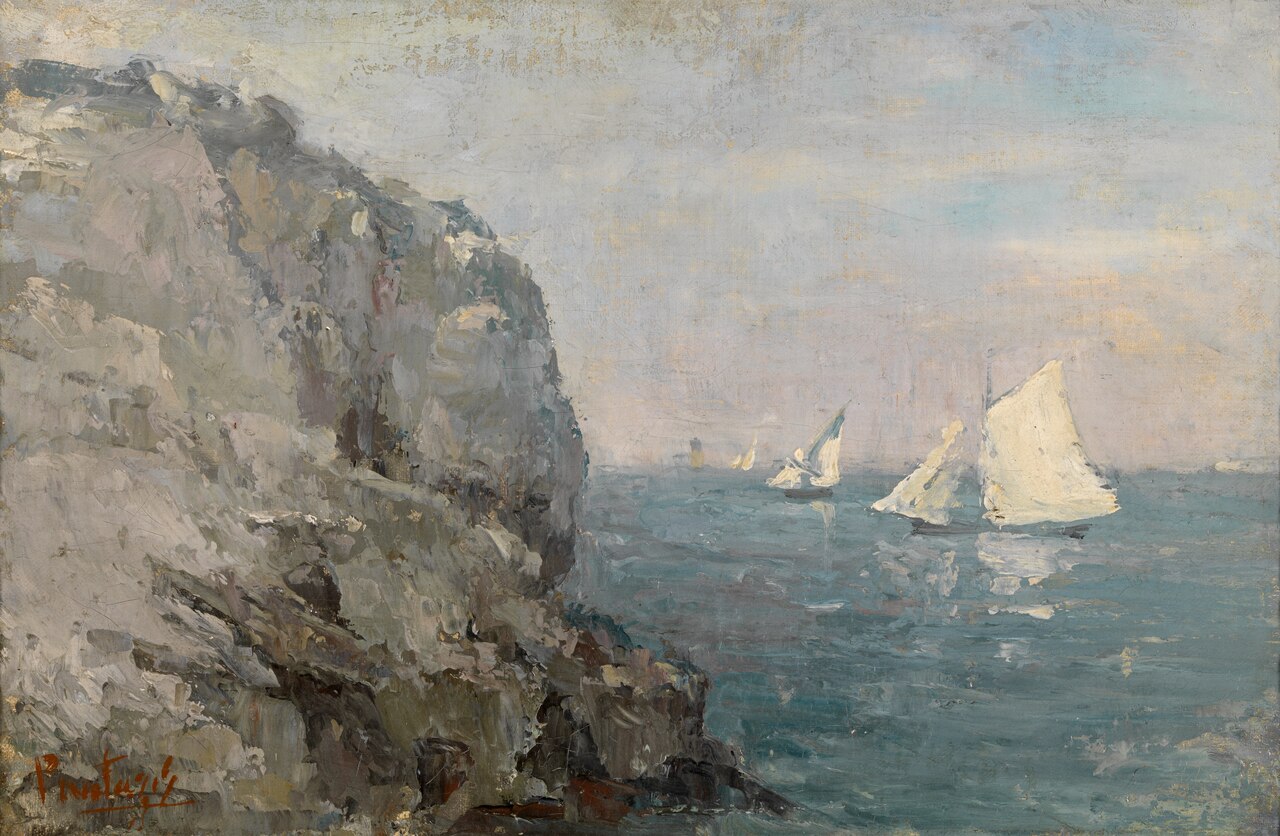
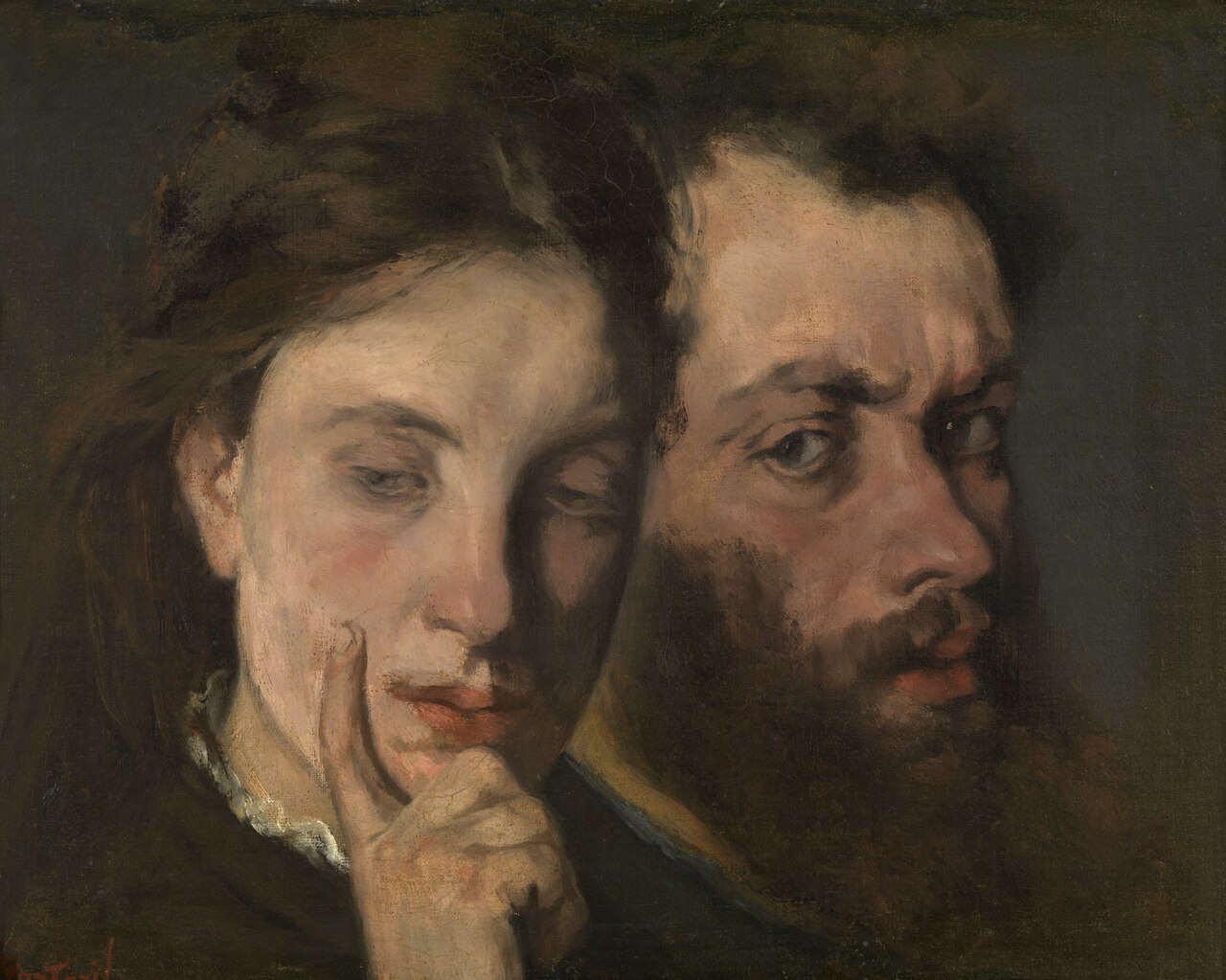
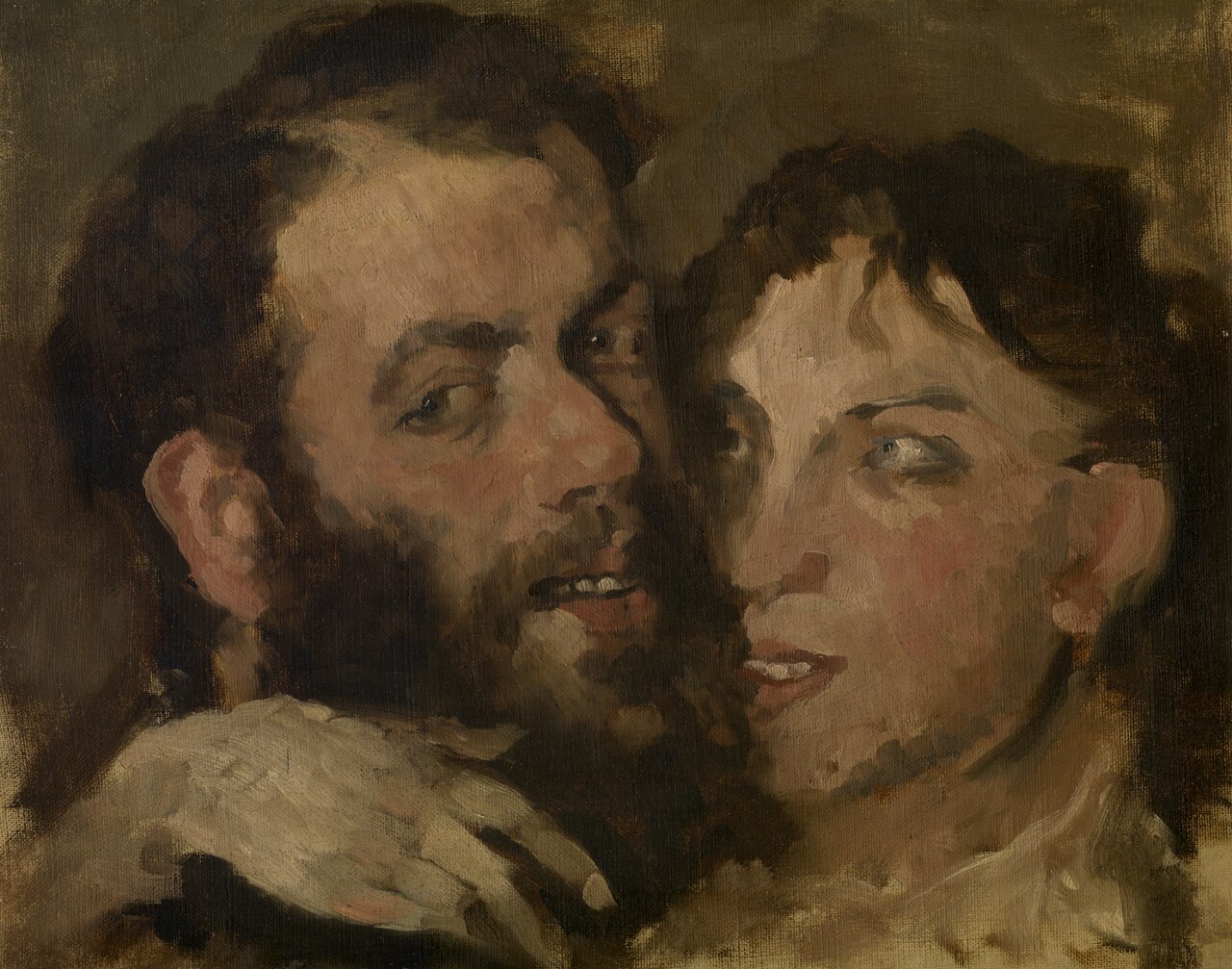
* Man with Beret (1875) – This portrait depicts a solitary figure wearing a simple beret, rendered against a muted background. The work showcases Pantazis’ skill in capturing the texture of fabric and the subtle play of light on the subject’s face, while the loose brushwork hints at the sitter’s inner contemplation. * Sulking (1875) – A genre scene that portrays a young woman in a moment of quiet melancholy. The muted colour palette and soft focus on the figure’s expression illustrate Pantazis’ ability to convey mood through colour and composition. * Reconciliation (1875) – In this piece, two figures are shown reconciling after a dispute, their gestures and glances suggesting a narrative of forgiveness. The scene is set in an outdoor environment, allowing Pantazis to experiment with dappled sunlight and the interplay of shadow and light on clothing. * Head of a Man – Though undated, this study demonstrates Pantazis’ focus on the human face as a vehicle for emotional depth. The portrait’s thick, confident strokes convey both the physical likeness and the psychological presence of the sitter. * The Cliff (1882) – One of Pantazis’ later landscapes, this painting captures a rugged shoreline bathed in the golden glow of late afternoon. The composition balances the stark rock formations with the fluidity of the sea, while the colour handling reflects his mature command of atmospheric effects.
Each of these works exemplifies Pantazis’ synthesis of Greek sensibility—often seen in the lyrical treatment of his subjects—with the modern, light‑focused approach that was gaining traction in Belgium and across Europe.
Influence and legacy Although Pantazis died young, his impact on both Greek and Belgian art histories is noteworthy. In Greece, he is recognised as one of the earliest artists to introduce Impressionist techniques to a country still dominated by academic painting. His paintings served as a visual bridge, encouraging younger Greek artists to explore colour, light, and everyday subjects in new ways.
In Belgium, Pantazis is remembered as part of the cohort of foreign painters who contributed to the country’s artistic diversification during the late nineteenth century. His works are held in several public collections, and occasional retrospectives have highlighted his role in the cross‑cultural exchange between Southern Europe and the Low Countries.
Modern scholars view Pantazis as a transitional figure—someone who straddled the classical traditions of his homeland and the progressive impulses of Western European modernism. His legacy persists in the continued study of his paintings, which provide valuable insight into the diffusion of Impressionist ideas beyond France and into the broader European artistic landscape.
Overall, Périclès Pantazis remains a compelling example of how a dedicated artist can synthesize diverse cultural influences, creating a body of work that resonates across national boundaries and continues to inspire appreciation for the nuanced possibilities of colour and light.
Frequently asked questions
Who was Périclès Pantazis?
Périclès Pantazis (1849–1884) was a Greek painter who worked mainly in Belgium and is recognised as an early practitioner of Impressionist techniques in Greek art.
What artistic style or movement is Pantazis associated with?
Pantazis is most closely linked to Impressionism, characterised by his focus on light, colour modulation, and loose brushwork.
What are his most famous works?
His best‑known paintings include Man with Beret (1875), Sulking (1875), Reconciliation (1875), Head of a Man, and the landscape The Cliff (1882).
Why is Pantazis important in art history?
He introduced Impressionist ideas to Greece, helped diversify the Belgian art scene of the 1870s‑1880s, and his work bridges classical Greek sensibility with modern European techniques.
How can I recognise a Pantazis painting?
Look for loose, visible brushstrokes, a subtle colour palette that captures fleeting light, everyday subjects, and a balanced composition that often combines portraiture with atmospheric outdoor settings.