Orlando Flacco
1527 – 1591
In short
Orlando Flacco was a 16th-century artist from the Republic of Venice, born and died in Verona. He is known for his portrait paintings, with some of his notable works including portraits of prominent figures and religious scenes. Flacco's life and career spanned from 1527 to 1591, contributing to the rich artistic heritage of his time.
Notable works

.jpg)


Early life Orlando Flacco was born in 1527 in Verona, a city within the Republic of Venice. Although specific details about his early life and training are not well-documented, it is plausible that he was exposed to various artistic influences given Verona's strategic location and cultural significance during the Renaissance. The artistic environment of Verona and the broader Venetian region would have played a crucial role in shaping Flacco's early interests and skills in art.
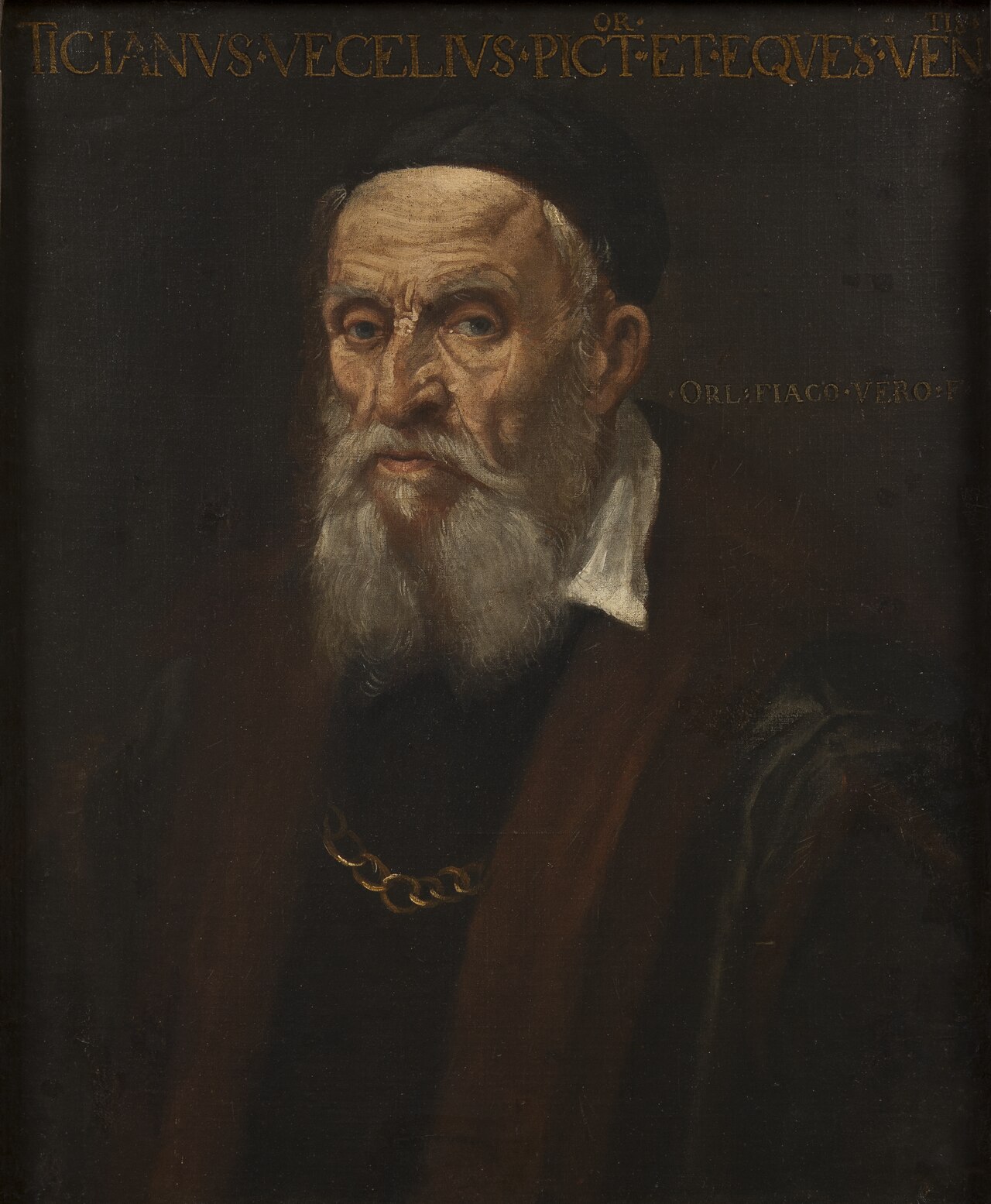
Career and style Flacco's career as an artist is marked by his contributions to portrait painting, a genre that was highly valued during the Renaissance. His style, while not strictly adhering to a specific known movement, reflects the broader artistic trends of his time, including attention to detail, use of color, and composition. The fact that he painted portraits of notable individuals, such as Titian and Pase Guarienti, suggests that he was recognized for his skill and had access to esteemed patrons.
Signature techniques While specific signature techniques that define Flacco's work are not well-documented, his portraits demonstrate a level of craftsmanship and attention to the subject's character, which was a hallmark of Renaissance portraiture. The use of color, the capture of facial expressions, and the detail in clothing and accessories are all elements that would have required significant skill and attention to detail. Given the era in which he worked, Flacco would have been familiar with and likely influenced by the prevailing artistic methods and materials of his time.
Major works Among Flacco's known works are several portraits and a religious scene, each showcasing his ability to capture the essence of his subjects. The 'Portrait of a Gentleman' (dated 1600, which poses a slight anomaly given Flacco's death in 1591), 'Portrait of Pase Guarienti' (1556), and 'Portrait of Titian' (1568) are notable examples of his portraiture. The 'Madonna col Bambino in trono tra i santi Zeno e Pietro martire nell'atto di ricevere l'omaggio della città di Verona' stands out as a religious work, indicating Flacco's versatility beyond portrait painting. Each of these works contributes to our understanding of Flacco's artistic range and his place within the broader context of Renaissance art.
Influence and legacy The influence and legacy of Orlando Flacco are intertwined with the artistic and cultural landscape of Verona and the Venetian Republic during the Renaissance. While he may not be as widely recognized as some of his contemporaries, his contributions to the body of Renaissance art, particularly in portraiture, are significant. Flacco's work serves as a reminder of the rich cultural and artistic heritage of the region, and his paintings continue to offer insights into the lives and values of the people and societies he depicted.
Frequently asked questions
Who was Orlando Flacco?
Orlando Flacco was a 16th-century artist from the Republic of Venice, known for his portrait paintings and religious scenes.
What style or movement was Orlando Flacco associated with?
The specific art movement or style associated with Orlando Flacco is not well-documented, but his work reflects the broader trends of Renaissance art, including attention to detail and use of color.
What are some of Orlando Flacco's most famous works?
Some of his notable works include 'Portrait of a Gentleman', 'Portrait of Pase Guarienti', 'Madonna col Bambino in trono tra i santi Zeno e Pietro martire nell'atto di ricevere l'omaggio della città di Verona', 'Portrait of Titian', and 'Portrait of an Old Lady'.
Why does Orlando Flacco matter in the history of art?
Orlando Flacco matters because his works contribute to our understanding of Renaissance portraiture and the artistic culture of Verona and the Venetian Republic during the 16th century.
How can I recognize Orlando Flacco's work?
Flacco's work can be recognized by its attention to detail, especially in portraits where the subject's character and clothing are meticulously captured, reflecting the artistic values of the Renaissance.