Mattheus van Helmont
1623 – 1679
In short
Mattheus van Helmont (1623–1679) was a Flemish painter from the Habsburg Netherlands known for genre scenes of peasant life, weddings and feasts. Working mainly in Antwerp before moving to Brussels, he blended influences from David Teniers the Younger and Adriaen Brouwer into a personal style that flourished in the mid‑17th century.
Notable works

Early life Mattheus van Helmont was born in 1623 in Antwerp, a major artistic centre of the Habsburg Netherlands. Little is recorded about his family background, but the city's vibrant guild system suggests that he would have entered an apprenticeship in his early teens. Antwerp in the 1630s and 1640s was dominated by the flourishing of genre painting, a field in which van Helmont would later specialise. He likely trained under a local master familiar with the works of David Teniers the Younger and Adriaen Brouwer, whose approaches to peasant subjects left a lasting imprint on his early development.
Career and style Van Helmont spent the bulk of his active career in Antwerp, where he built a reputation for producing lively interior and village scenes. His work reflects the prevailing taste for genre subjects that appealed to both local patrons and the burgeoning market for prints and small oil paintings. Influences from Teniers the Younger are evident in his compositional arrangements—often wide‑angle views that capture the bustle of a celebration—while Brouwer’s influence appears in the earthy palette and the psychological depth given to figures engaged in drinking, gambling or merrymaking.
By the 1650s van Helmont had begun to assert a more individual visual language. He retained the narrative clarity of his predecessors but introduced a looser brushstroke and a richer, more saturated colour scheme. This evolution coincided with a shift in subject matter toward more intimate depictions of alchemists and domestic interiors, suggesting an interest in the moralising undertones that genre painters of the period often encoded.
In the later stage of his life he relocated to Brussels, a move that reflected both personal circumstances and the shifting artistic patronage within the Southern Netherlands. Brussels offered access to a different courtly audience, yet van Helmont continued to produce the same type of scenes that had defined his earlier output, now imbued with a subtle refinement that distinguished his mature period.
Signature techniques Van Helmont’s technique is characterised by several recurring elements:
* Colour modulation – He employed a warm, earthy base palette punctuated by vivid reds and yellows to draw attention to focal points such as a serving platter or a bride’s dress. * Brushwork – In his later works the brushstroke becomes increasingly fluid, allowing textures of fabrics and wooden surfaces to suggest rather than delineate detail. * Light handling – A soft, diffused light often enters the scene from an off‑canvas source, illuminating groups of figures while casting peripheral areas into gentle shadow, thereby creating depth without stark chiaroscuro. * Narrative composition – Van Helmont favoured crowded compositions where multiple actions unfold simultaneously; the viewer’s eye is guided by gestures and glances among the figures. * Symbolic motifs – Objects such as mugs, musical instruments, or alchemical equipment appear repeatedly, providing visual cues that hint at the moral or festive themes of the painting.
These techniques combine to produce works that are both visually engaging and rich in anecdotal content.
Major works The following paintings illustrate the breadth of van Helmont’s oeuvre:
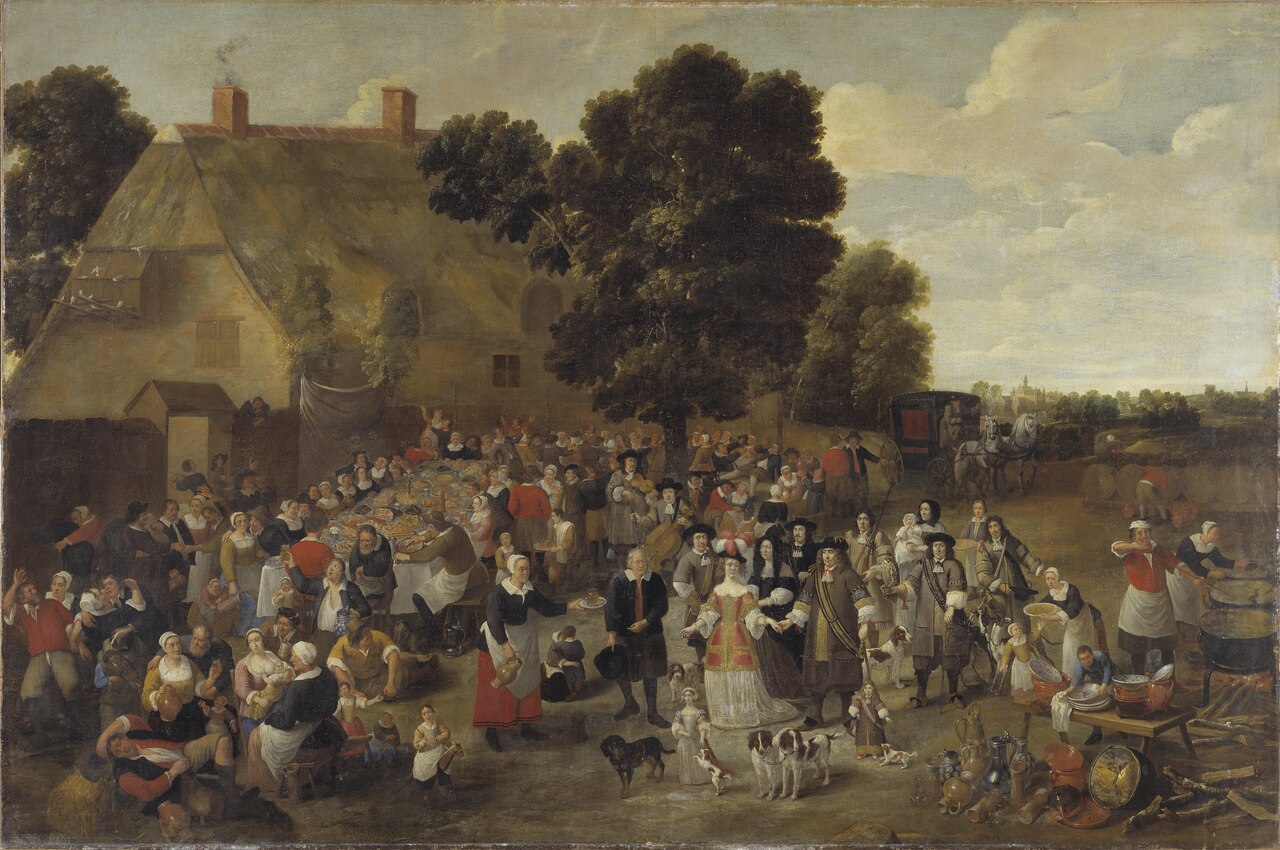
1. Village Wedding and Open Air Feast – This canvas juxtaposes a ceremonial nuptial procession with a subsequent banquet set in a village square. The composition is split between the solemn exchange of vows and the exuberant revelry of the feast, showcasing van Helmont’s skill in merging narrative episodes within a single frame.
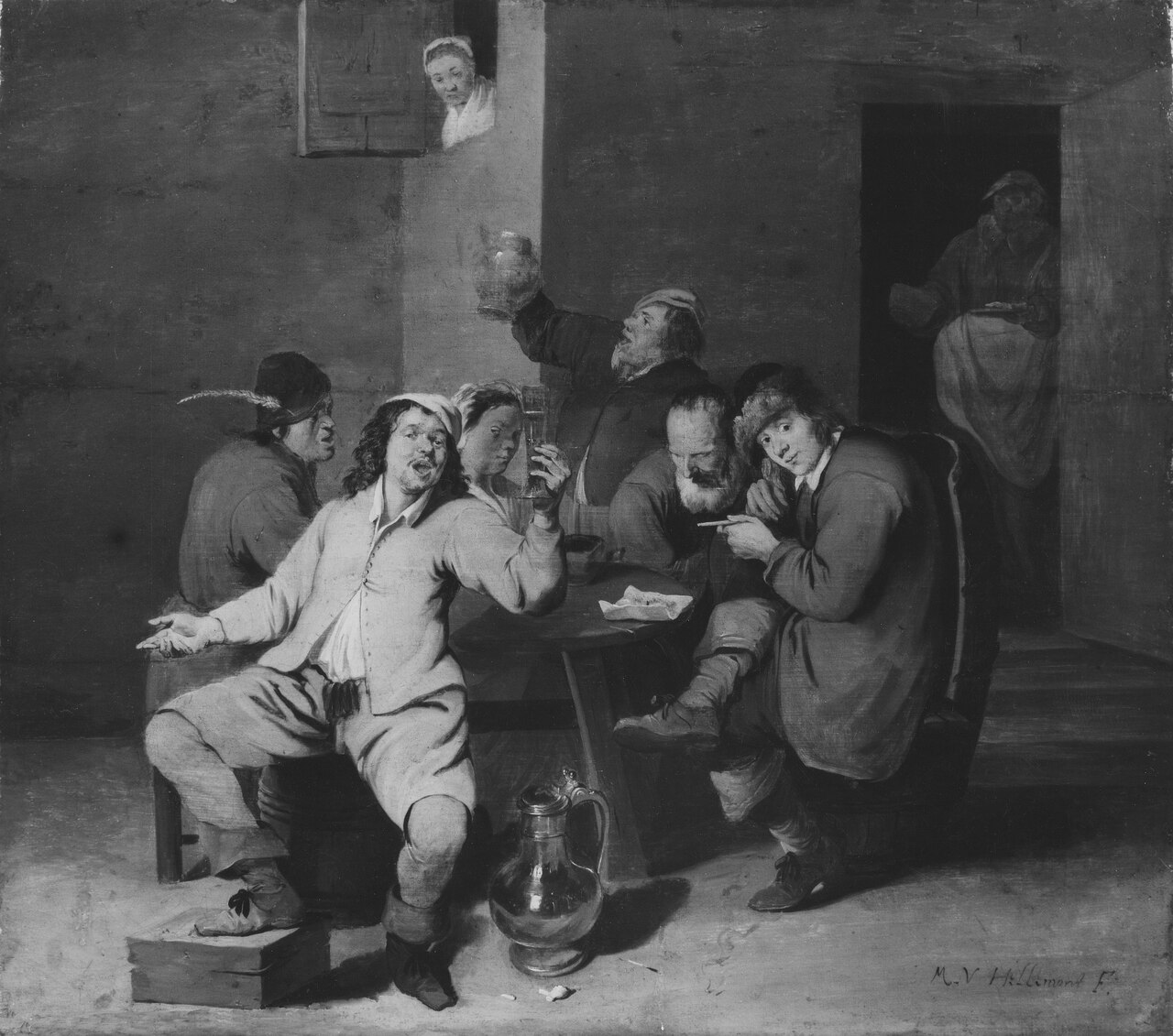
2. Peasants in a Beer‑house – Here the artist captures a typical tavern interior, populated by robust figures sharing drink and conversation. The warm lighting and detailed rendering of wooden beams convey a sense of convivial intimacy, while the subtle inclusion of a stray dog adds a humorous touch.
3. Village Feast – A larger-scale work that depicts a communal banquet under a thatched canopy. The scene is populated by a diverse cast of villagers—farmers, children, and musicians—each engaged in a distinct activity, reinforcing the painter’s talent for portraying social interaction.
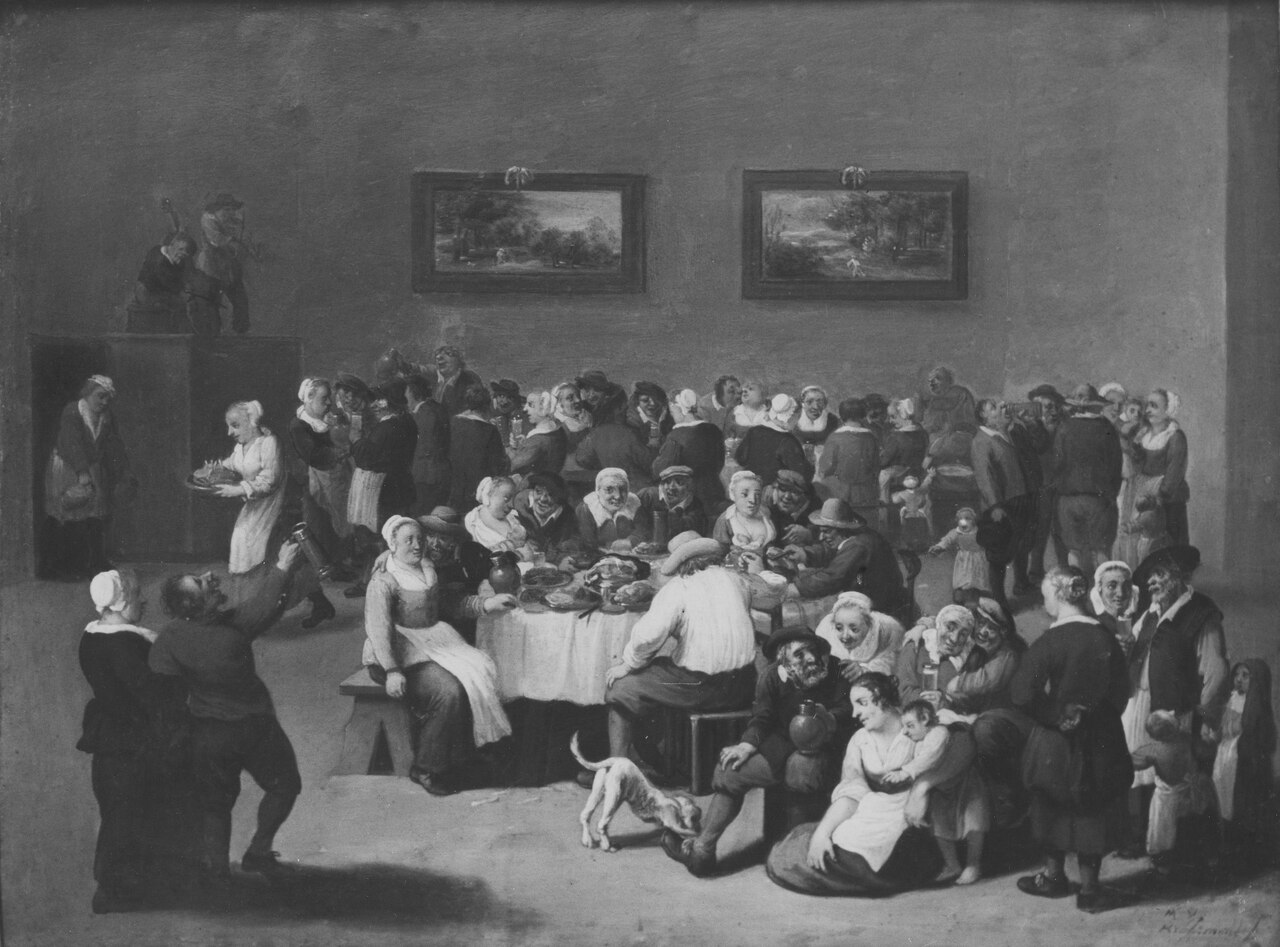
4. Village Wedding – Distinct from the earlier “Village Wedding and Open Air Feast,” this piece focuses solely on the matrimonial ceremony, highlighting the bride’s ornate dress and the groom’s modest attire. The composition centres on the altar, while background figures observe the event with a mixture of reverence and curiosity.
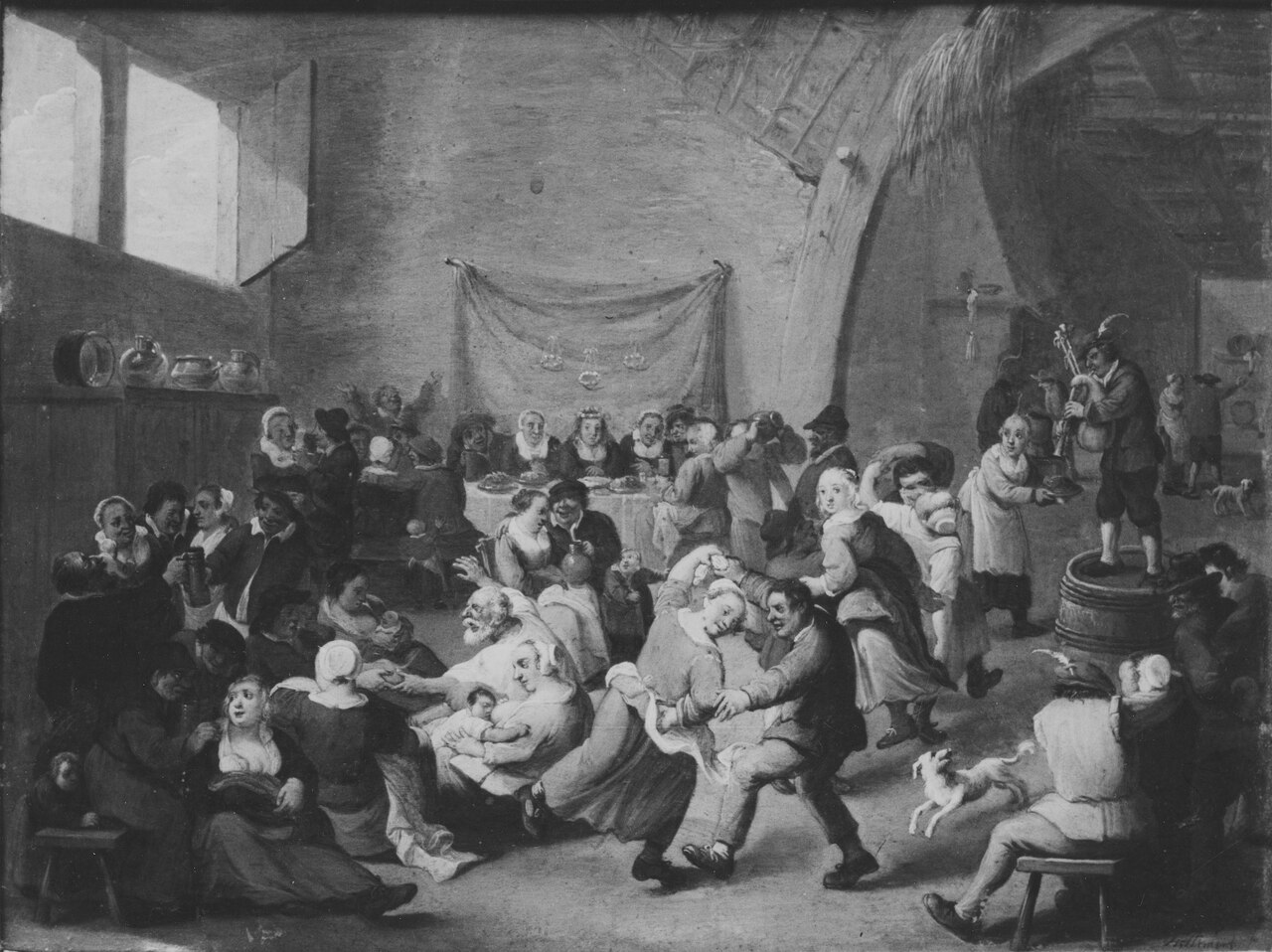
5. Peasants Merry‑Making (1658) – Dated 1658, this work is a vibrant celebration of rural leisure. Van Helmont employs a bright palette and dynamic gestures to convey music, dance, and drinking. The painting’s date places it within the period when his personal style was coalescing, evident in the confident handling of light and colour.
Collectively these works demonstrate van Helmont’s consistent interest in communal activities, his ability to render texture, and his evolution toward a more personalised visual idiom.
Influence and legacy Mattheus van Helmont occupies a modest yet significant niche within 17th‑century Flemish genre painting. While he never achieved the fame of Teniers or Brouwer, his paintings were widely collected by merchants and provincial aristocrats who valued scenes of everyday life. Contemporary inventories from Antwerp and Brussels record several of his works, indicating a steady demand during his lifetime.
Later art historians have recognised van Helmont as a bridge between the early Baroque genre painters and the more nuanced depictions of rural life that emerged in the early 18th century. His nuanced handling of light and colour prefigures the softer tonalities found in the works of later Flemish artists such as Jan Anton van der Baren.
In modern scholarship, van Helmont’s paintings are valuable primary sources for understanding the social customs of the Southern Netherlands, particularly the rituals surrounding weddings, feasts and communal drinking. They also serve as illustrative examples of how Flemish painters adapted the popular genre idiom to reflect regional identities.
Today, his works are housed in several European museum collections, and they continue to be the subject of exhibition loans and academic study, ensuring that his contribution to the visual culture of the Habsburg Netherlands remains appreciated.
Summary Mattheus van Helmont’s legacy rests on his vivid portrayals of peasant life, his synthesis of influential Flemish techniques, and his subtle personal style that matured in the latter part of his career. His paintings remain a testament to the richness of 17th‑century genre art and its enduring appeal.
Frequently asked questions
Who was Mattheus van Helmont?
Mattheus van Helmont (1623–1679) was a Flemish painter from the Habsburg Netherlands who specialised in genre scenes of village life, weddings and peasant celebrations.
What style or movement is he associated with?
He worked within the Flemish Baroque genre tradition, drawing influence from David Teniers the Younger and Adriaen Brouwer while developing a personal style in his later years.
What are his most famous works?
Key works include *Village Wedding and Open Air Feast*, *Peasants in a Beer‑house*, *Village Feast*, *Village Wedding*, and *Peasants Merry‑Making* (1658).
Why does Mattheus van Helmont matter in art history?
He provides a valuable visual record of 17th‑century rural customs and bridges early Flemish genre painting with later, more nuanced depictions of everyday life.
How can I recognise a painting by Mattheus van Helmont?
Look for warm, earthy colour palettes, lively crowded compositions of feasts or weddings, soft diffused lighting, and recurring motifs such as mugs, musical instruments and alchemical objects rendered with a fluid brushstroke.