Louis Artan
1837 – 1890
In short
Louis Artan was a 19th-century painter from the Kingdom of the Netherlands, known for his captivating seascapes and landscapes. He was born in The Hague in 1837 and died in Nieuwpoort in 1890. Artan's works often featured serene and dramatic depictions of the natural world, particularly the sea.
Notable works

Early life Louis Artan was born in The Hague, in the Kingdom of the Netherlands, in 1837. Although details about his early life are limited, it is known that he developed an interest in art from a young age. The Hague, being a significant cultural hub, likely exposed Artan to various artistic influences that shaped his future career.
Career and style Artan's career as a painter was marked by his specialization in seascapes and landscapes. His style, although not explicitly linked to a specific art movement, reflects a deep appreciation for the natural world and its ever-changing moods. The serenity and drama of the sea, in particular, seemed to captivate Artan, as evidenced by his numerous seascapes.
Signature techniques Artan's technique was characterized by his ability to capture the play of light on water and the nuances of atmospheric conditions. His use of color and brushwork contributed to the sense of depth and movement in his paintings, drawing the viewer into the scene. While specific details about his artistic process are scarce, his finished works demonstrate a mastery of his craft.
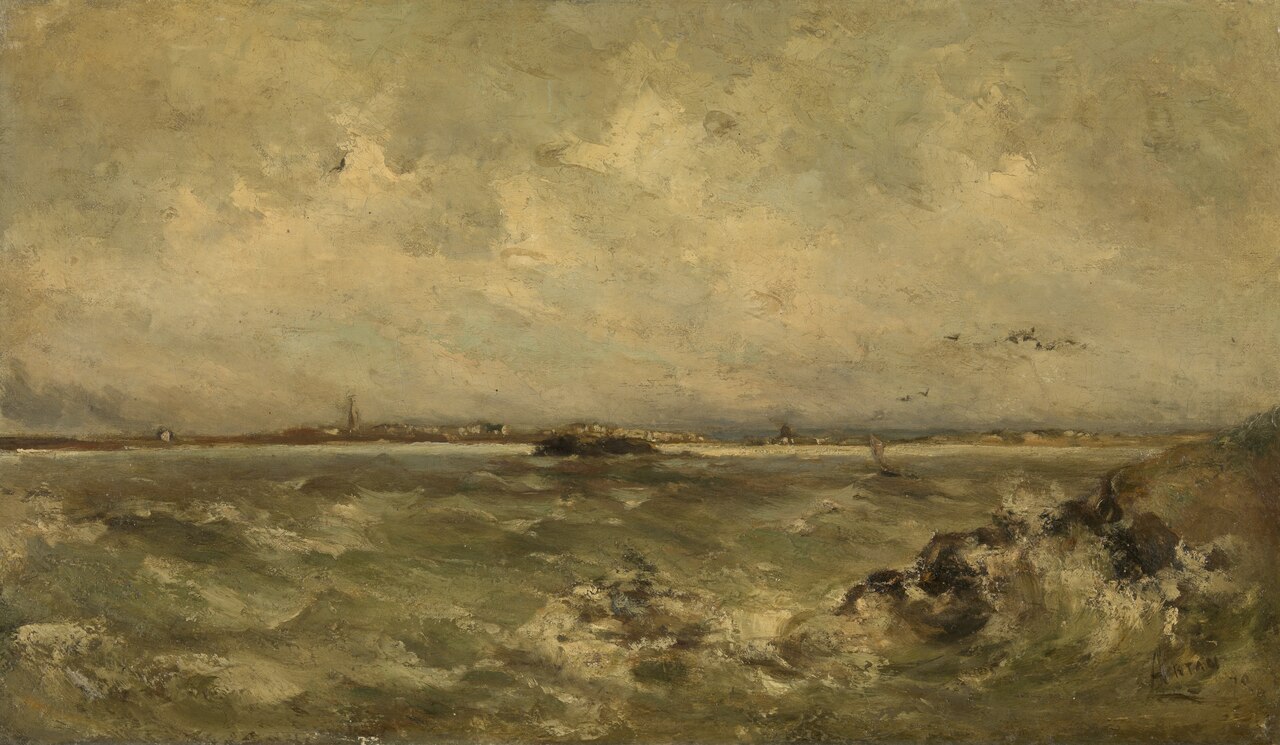
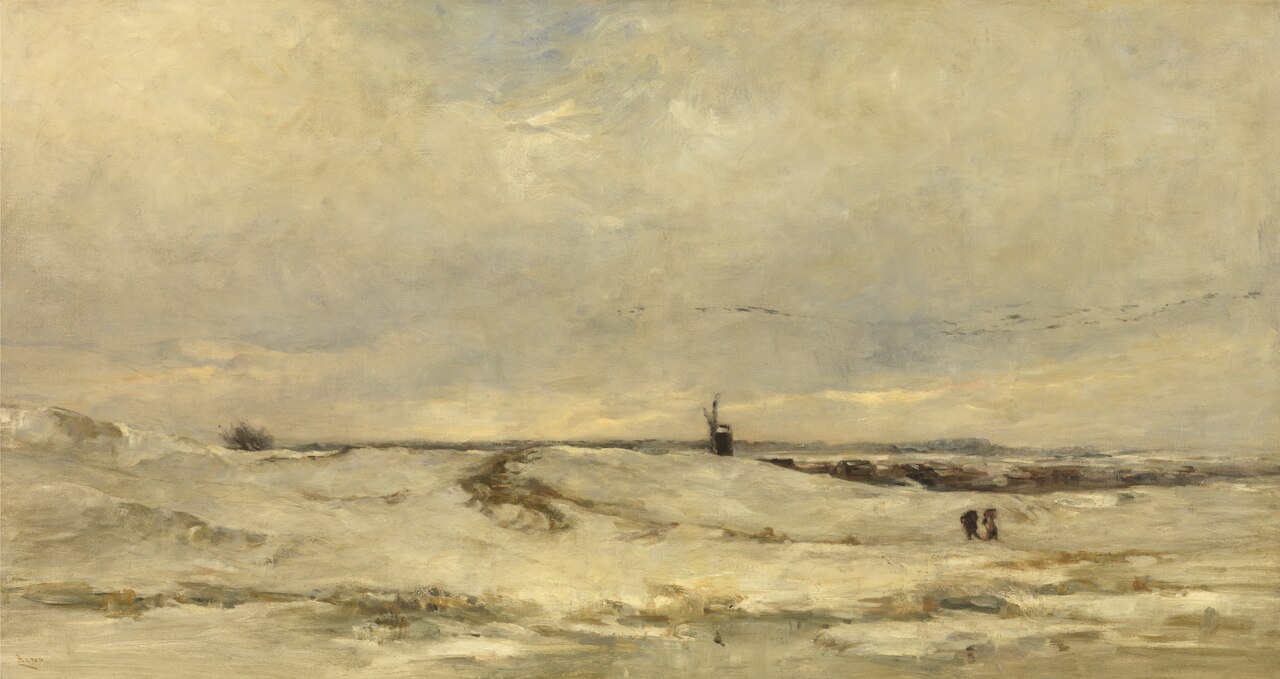
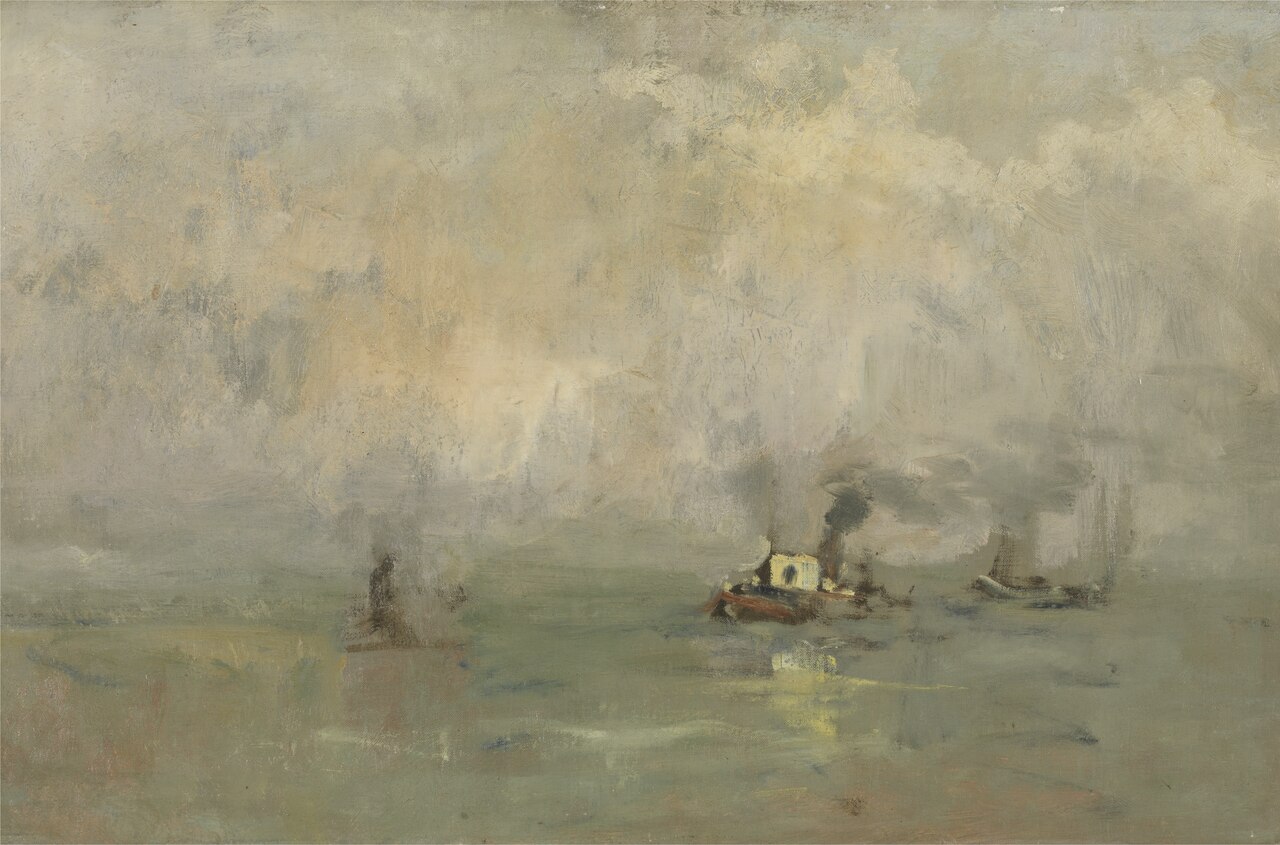
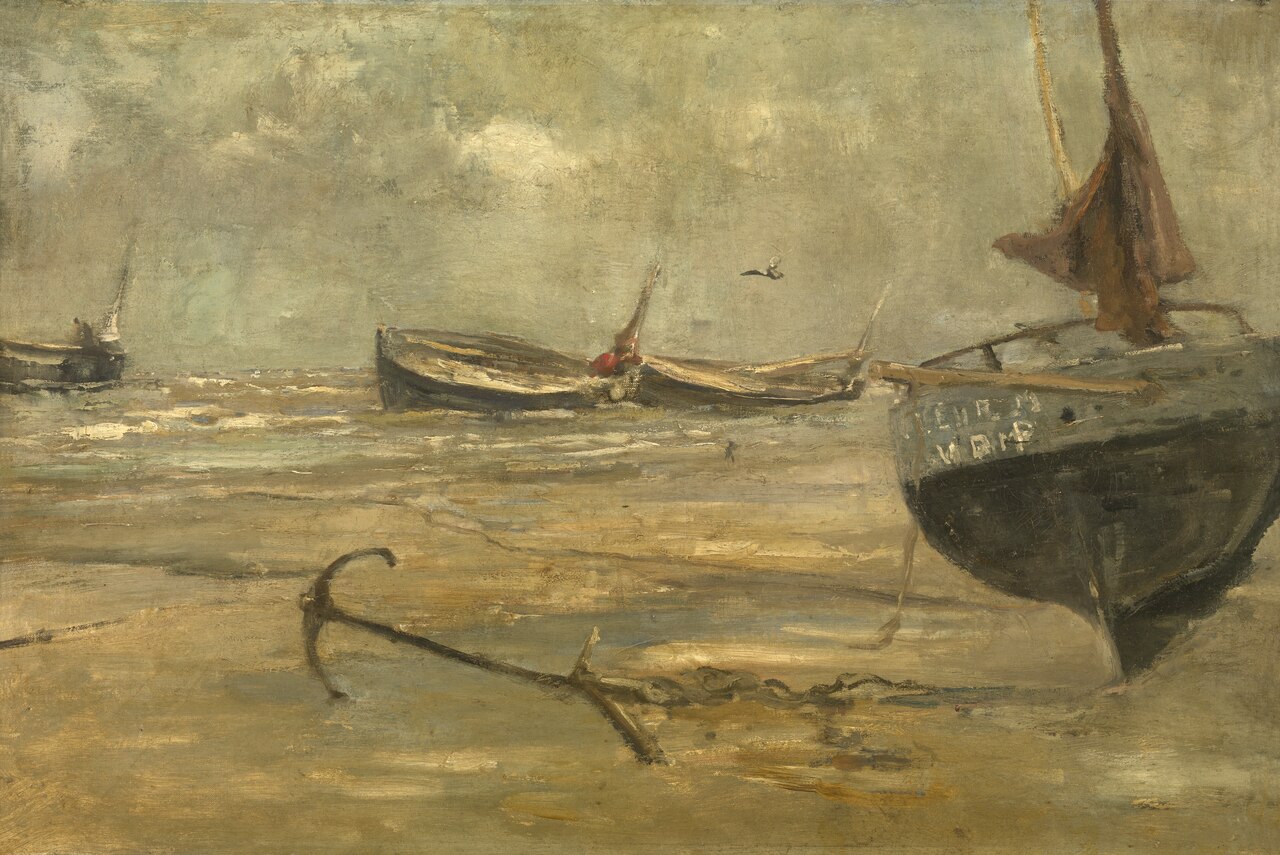
Major works Among Artan's notable works are 'Coast by Moonlight' (1870), 'Seascape' (1878), 'Snow', 'Morning', and 'After the Catching of Fish'. 'Coast by Moonlight' showcases Artan's skill in capturing the soft, ethereal light of the moon on a coastal scene, while 'Seascape' (1878) highlights his ability to convey the power and beauty of the sea. 'Snow' and 'Morning' demonstrate his range in depicting different times of day and weather conditions, and 'After the Catching of Fish' provides a glimpse into the daily life of coastal communities. These works not only showcase Artan's technical skill but also his ability to evoke mood and atmosphere.
Influence and legacy Although Artan's life and career are not as widely documented as some of his contemporaries, his contributions to the world of seascape and landscape painting are undeniable. His works continue to inspire artists and captivate audiences with their serene and dramatic portrayals of the natural world. The legacy of Louis Artan serves as a reminder of the enduring power of art to connect us with our environment and with each other.
Frequently asked questions
Who was Louis Artan?
Louis Artan was a 19th-century painter from the Kingdom of the Netherlands, known for his seascapes and landscapes.
What style or movement was Louis Artan associated with?
The specific art movement or style associated with Louis Artan is not well-documented, but his works reflect a deep appreciation for naturalistic and realistic depictions of the sea and landscapes.
What are some of Louis Artan's most famous works?
Some of his notable works include 'Coast by Moonlight', 'Seascape', 'Snow', 'Morning', and 'After the Catching of Fish'.
Why does Louis Artan matter in the history of art?
Louis Artan matters because his works contribute to the rich tradition of seascape and landscape painting, offering unique and captivating portrayals of the natural world.
How can I recognize a work by Louis Artan?
You can recognize a work by Louis Artan by looking for serene and dramatic depictions of the sea and landscapes, often characterized by the play of light on water and the use of color and brushwork to convey depth and movement.