Kanō Hideyori
In short
Kanō Hideyori was a Japanese painter of the Kanō school active in the mid‑16th century, probably a descendant of Kanō Motonobu. He is known for a series of seasonal landscape paintings and the work "Maple Viewers".
Notable works

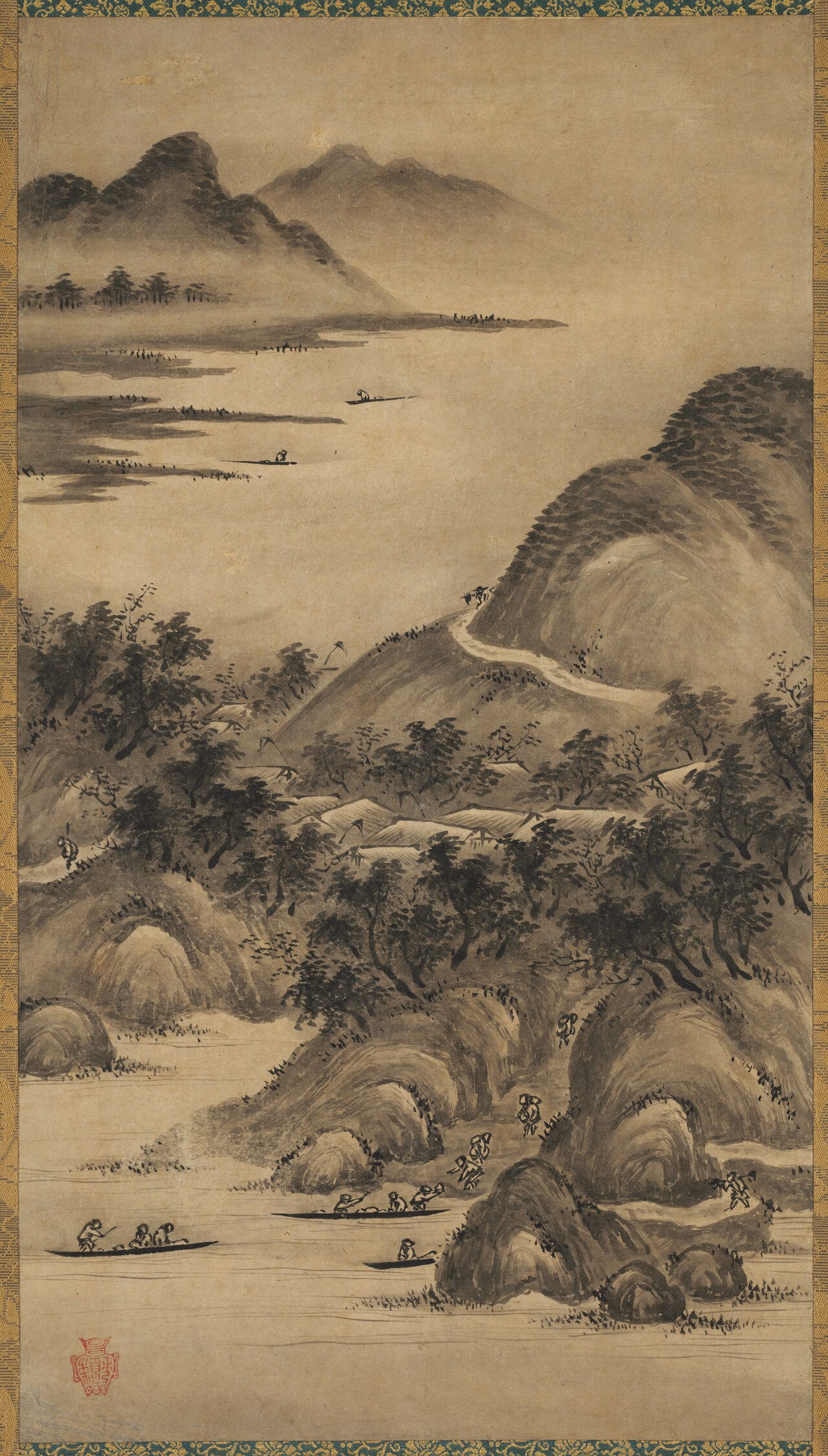
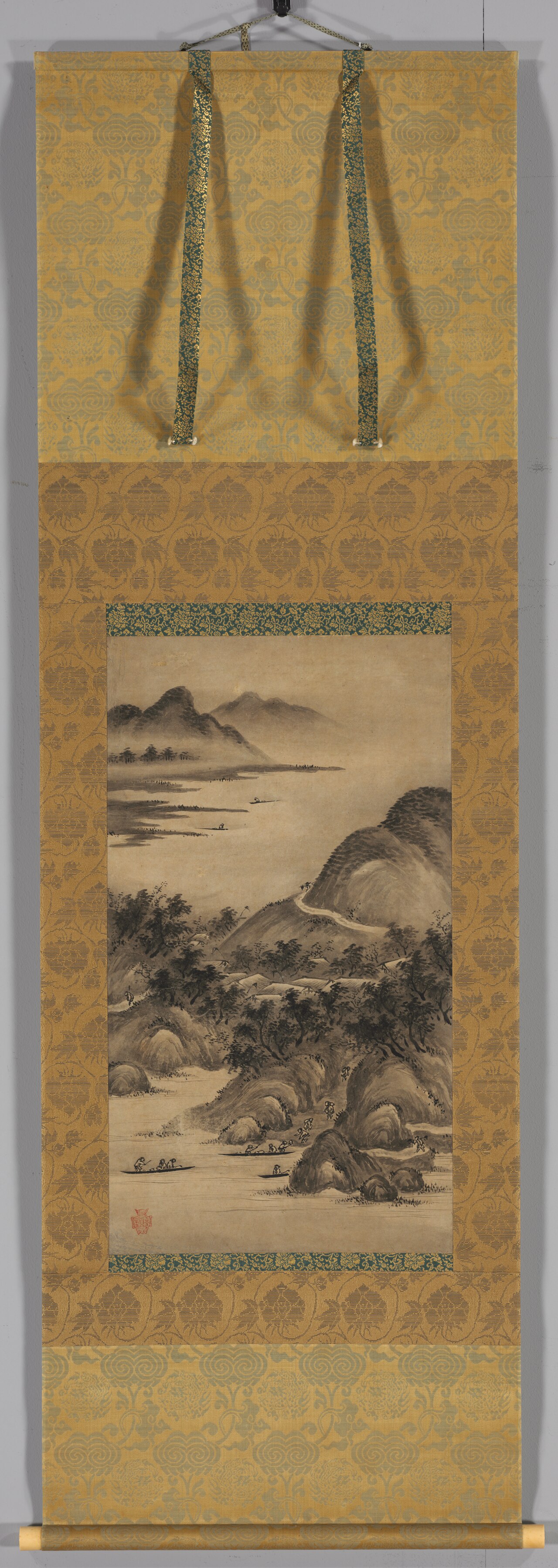
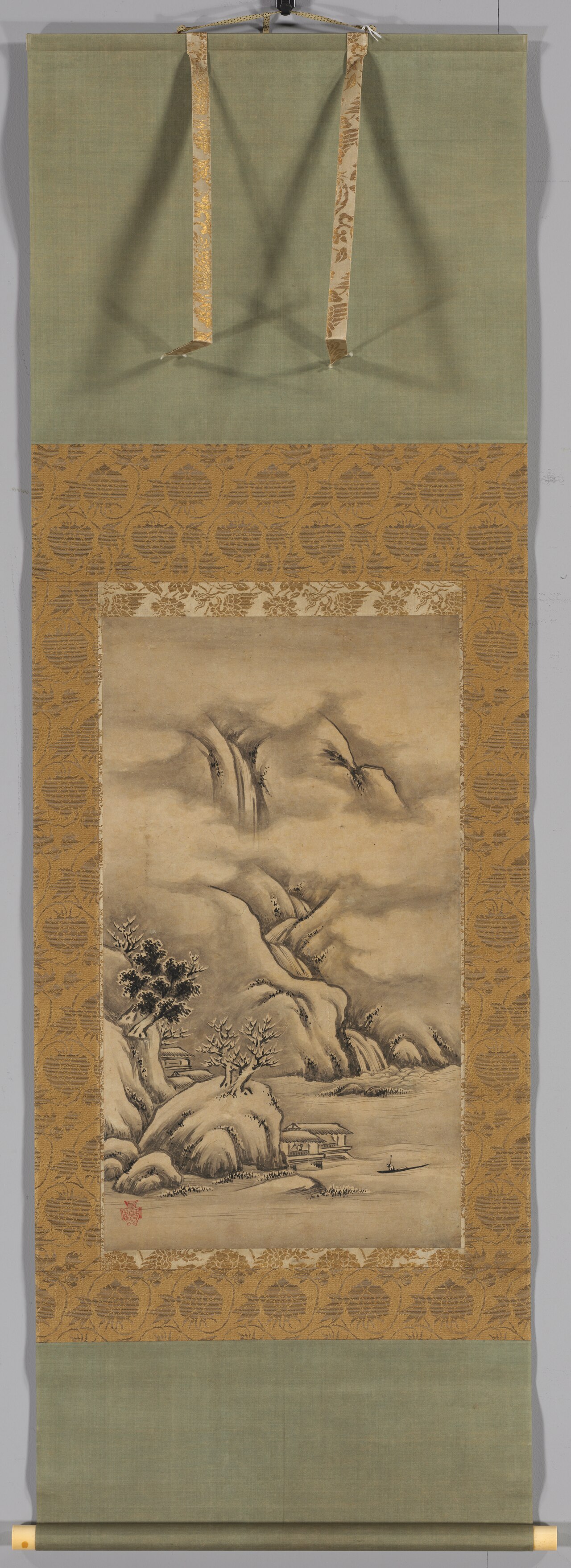
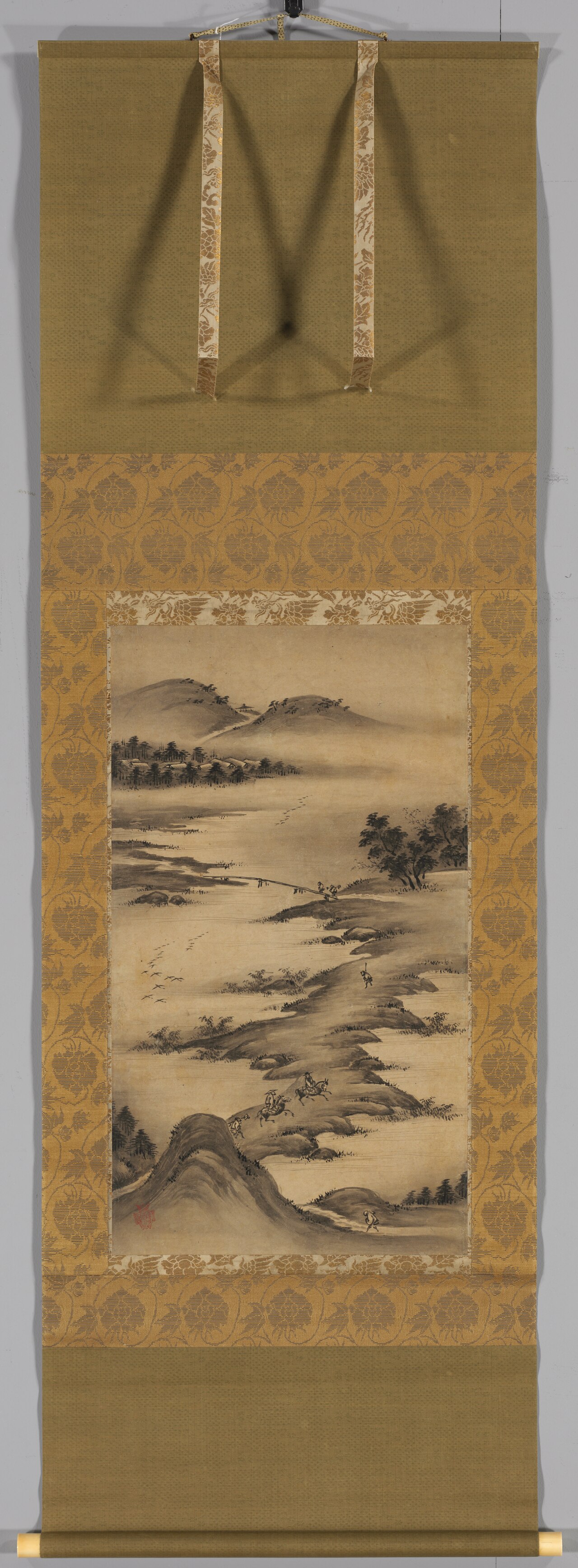
Early life Kanō Hideyori (狩野秀頼) was a Japanese artist whose exact birth and death dates remain unknown. He was born into the prestigious Kanō family, a lineage that dominated official painting in Japan from the Muromachi period onward. While documentary evidence is scarce, art historians generally place his activity in the mid‑16th century, a time when the Kanō school was consolidating its role as the chief provider of decorative and narrative painting for the shogunate and elite patrons. It is widely accepted that Hideyori was either the son or grandson of Kanō Motonobu, one of the school’s most influential masters, which would have given him direct access to the studio’s techniques, training, and patronage networks.
Career and style Working primarily out of Kyoto, Hideyori continued the Kanō school’s characteristic synthesis of Chinese brushwork and Japanese aesthetic concerns. His oeuvre reflects the school’s emphasis on bold, calligraphic strokes, a restrained colour palette, and a compositional balance that favours asymmetry and negative space. Unlike some of his contemporaries who began to experiment with more decorative, gold‑leaf‑laden surfaces that would later define the Momoyama period, Hideyori’s work retains a more subdued, scholarly tone, aligning with the earlier Zen‑inspired sensibility of the Kanō tradition. He served both courtly and temple commissions, producing large‑scale panels that combined narrative scenes with landscape motifs.
Signature techniques Hideyori’s paintings are distinguished by several recurring technical features:
1. Monochrome ink washes (sumi-e) – He employed varying densities of ink to suggest depth, atmosphere, and texture, especially in the rendering of distant mountains and water. 2. Fine brushwork (fude‑gaki) – His lines are crisp yet fluid, a hallmark of the Kanō school’s calligraphic heritage, evident in the delineation of tree trunks, rocks, and architectural elements. 3. Layered composition – By arranging foreground elements such as trees or figures against a muted background, Hideyori created a sense of spatial recession without relying on linear perspective. 4. Subtle colour accents – While the majority of his palette is restrained, he occasionally introduced muted reds or blues to highlight foliage or ceremonial garments, enhancing visual interest without overwhelming the composition.
Major works The surviving catalogue of Hideyori’s paintings is limited, yet several works have been attributed to him with confidence. The most frequently cited pieces are:
- Maple Viewers – This hanging scroll depicts a group of scholars admiring the vibrant red leaves of maple trees. The composition balances the human figures with the natural backdrop, using delicate brush strokes to capture the texture of the foliage. The work exemplifies the Kanō school’s integration of poetry, calligraphy, and painting, as the scholars are shown holding scrolls that likely contain verses about autumn.
- Seasonal Landscapes (1550) – A series of four paintings, each representing a season, created around 1550. The series demonstrates Hideyori’s mastery of mood and atmosphere: - *Summer* – Rendered with a cooler ink tone, the painting portrays a riverbank under a hazy sky, with soft, diffused brushwork that suggests heat and humidity. - *Winter* – Dominated by stark white space and minimal ink, this piece conveys the quiet stillness of a snow‑covered landscape, punctuated by the occasional darkened pine. - *Autumn* – Rich in warm ochre and muted gold, the autumn scene emphasizes falling leaves and the gentle decline of daylight, with the maple motif recurring as a visual anchor. - *Seasonal Landscapes (general)* – The overarching title unites the four panels, indicating Hideyori’s intention to present a cyclical view of nature, a theme commonly explored by Kanō artists to reflect Buddhist concepts of impermanence.
These works are valued not only for their aesthetic qualities but also for the insight they provide into the transitional aesthetic of the late Muromachi and early Momoyama periods. The dated 1550 attribution, while not documented in contemporary records, is accepted by scholars based on stylistic analysis and the materials used.
Influence and legacy Although Kanō Hideyori remains a relatively obscure figure compared with celebrated masters such as Kanō Motonobu or Kanō Eitoku, his paintings contribute to the continuity of the Kanō school’s visual language during a pivotal era. By adhering to the school’s core principles while subtly adapting to the evolving tastes of the mid‑16th‑century elite, Hideyori helped bridge the more restrained Zen aesthetic of earlier periods with the increasingly flamboyant decorative trends that would dominate the Momoyama period. His seasonal series, in particular, influenced later landscape painters who sought to capture the passage of time through colour and brushwork. Contemporary exhibitions of Kanō school art frequently include Hideyori’s works as exemplars of the school’s adaptability and its role in shaping Japanese visual culture.
In academic circles, Hideyori is often cited as a representative of the lesser‑known but essential cadre of Kanō painters who sustained the school’s dominance across generations. His surviving pieces continue to be studied for their technique, compositional balance, and the way they embody the philosophical undercurrents of their era. As a result, Kanō Hideyori occupies a modest but respected place in the broader narrative of Japanese art history.
Frequently asked questions
Who was Kanō Hideyori?
Kanō Hideyori was a mid‑16th‑century Japanese painter of the Kanō school, likely a descendant of Kanō Motonobu, whose work includes seasonal landscapes and the piece "Maple Viewers".
What artistic movement or style is he associated with?
He worked within the Kanō school, a tradition that blended Chinese brush techniques with Japanese aesthetics, emphasizing bold ink strokes, balanced composition, and subtle colour accents.
What are his most famous works?
His most recognised works are the "Maple Viewers" scroll and the 1550 series of "Seasonal Landscapes", which includes individual paintings for Summer, Winter, Autumn, and a general seasonal composition.
Why is Kanō Hideyori important in art history?
He helped sustain the Kanō school’s visual language during a transitional period, linking earlier Zen‑inspired restraint with the emerging decorative trends of the Momoyama era.
How can I recognise a painting by Kanō Hideyori?
Look for crisp, calligraphic brushwork, a restrained colour palette with occasional muted accents, and compositions that balance foreground figures with atmospheric landscape elements, often depicting seasonal themes.