Jacob van Doordt
1600 – 1629
In short
Jacob van Doordt (1600–1629) was a Dutch‑born portrait miniaturist active in the early 17th century. He worked for the courts of Denmark and Sweden, creating miniature portraits of royalty such as Christian IV and Frederick II.
Notable works


Early life Jacob van Doordt was born in 1600 in Hamburg, a bustling port city within the Holy Roman Empire that attracted artists from the Low Countries. His family background is described as Flemish or Dutch extraction, suggesting that his parents or grandparents had migrated northward, bringing with them the artistic traditions of the Dutch Golden Age. Little is recorded about his formal training, but the prevalence of portrait miniaturists in the Netherlands during the early 1600s makes it likely that he apprenticed with a master of that specialty, learning the exacting brushwork and materials required for small‑scale portraiture.
Career and style Van Doordt entered the professional arena around 1606, when he began receiving commissions for miniature portraits. By the 1610s he had established a reputation that reached the courts of Denmark and Sweden, regions that, at the time, were eager to import the sophisticated visual culture of the Dutch Republic. His clientele included members of the Danish royal family, most notably Christian IV, and Swedish aristocracy, culminating in his death in Stockholm in 1629.
Stylistically, van Doordt adhered to the conventions of Northern European miniaturism. His works are characterised by a restrained palette of muted earth tones, precise modelling of flesh, and meticulous attention to the details of costume and regalia. Unlike the flamboyant Baroque portraiture that would dominate later in the century, his miniatures retain a calm, almost documentary quality, focusing on likeness and the subtle expression of rank rather than theatrical drama.
Signature techniques Van Doordt worked primarily with water‑based pigments on vellum or prepared card, a common substrate for portrait miniatures of the period. He employed a fine sable brush to achieve delicate lines, and layered translucent glazes to build depth in skin tones. A distinctive feature of his technique is the use of a faint, almost imperceptible underdrawing, which guides the placement of facial features and ensures proportional accuracy at a diminutive scale. He also applied a protective varnish that gave his miniatures a slight sheen, helping to preserve colour fidelity over time.
Major works The surviving oeuvre of Jacob van Doordt is limited, but several key pieces illustrate his skill and the range of his patronage.
- Ulrik (1615) – This miniature portrait depicts a young nobleman, likely a member of the Swedish court. The work demonstrates van Doordt’s ability to render youthful features with a softness that contrasts with the more formal royal portraits.
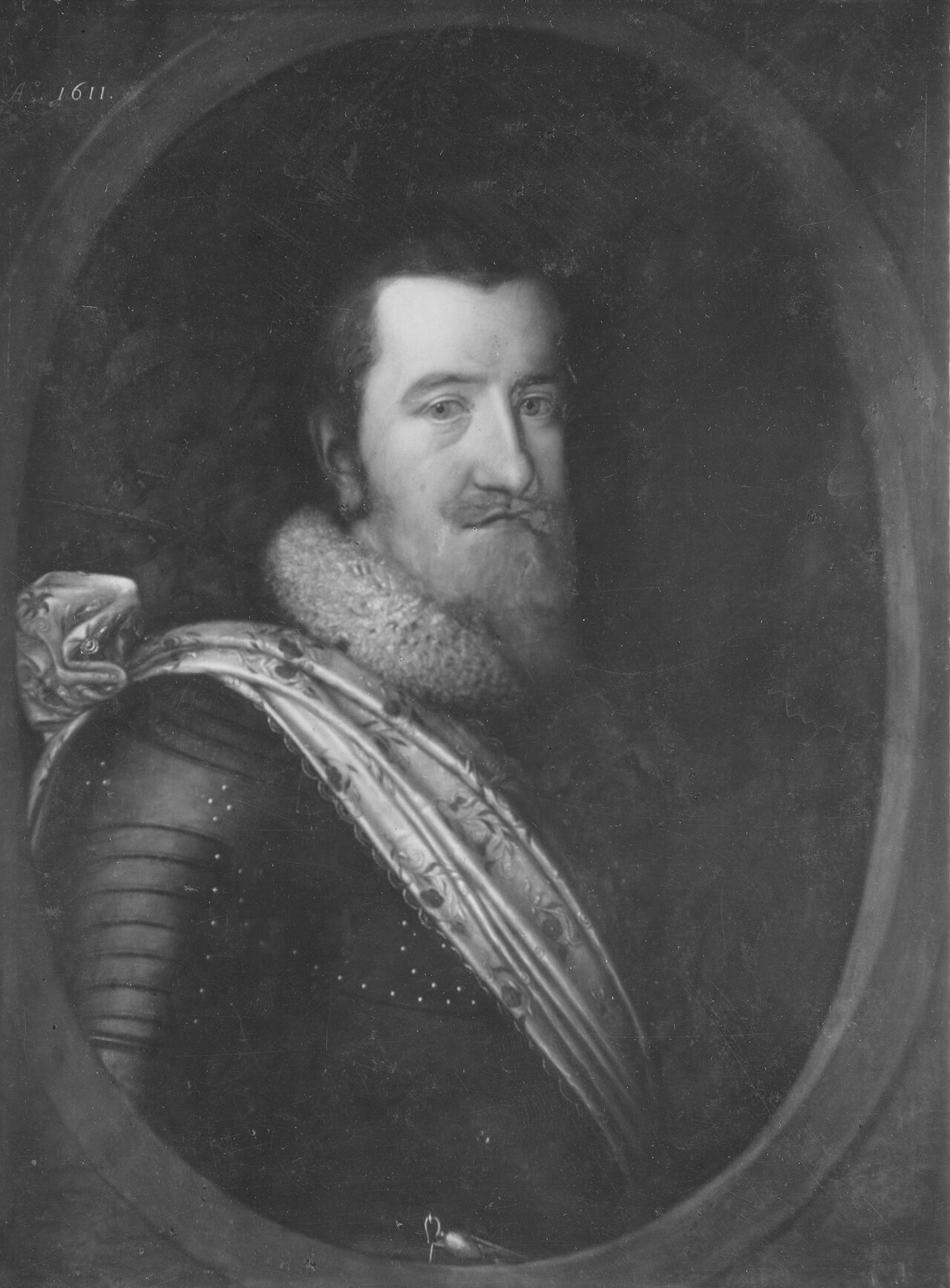
- Kristian IV, 1577‑1648, kung av Danmark (1611) – In this portrait of the Danish king, van Doordt captures the monarch’s authoritative bearing while preserving a nuanced expression. The king’s elaborate lace collar and fur-trimmed garment are rendered with precise, almost tactile detail.
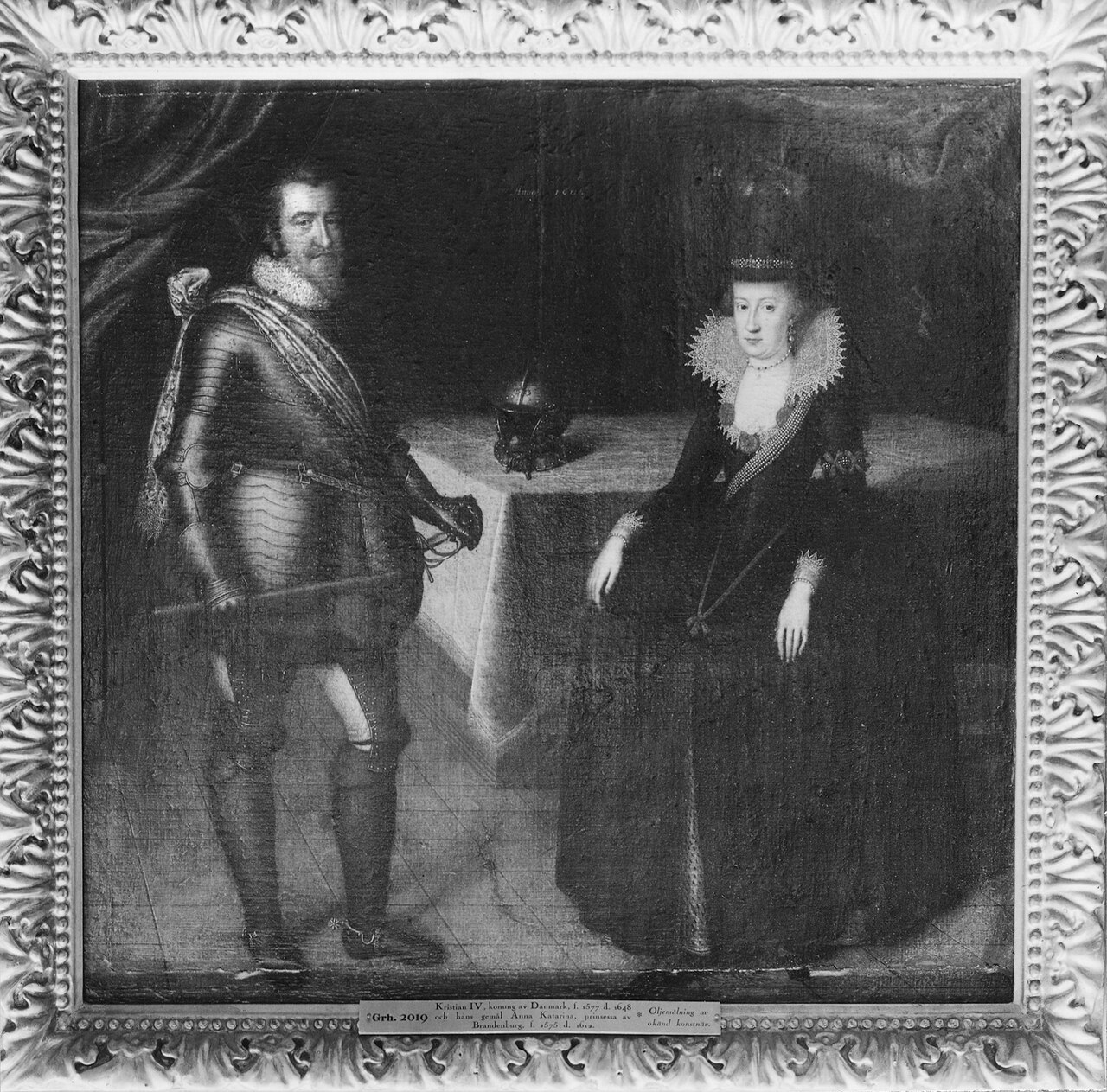
- Kristian IV, 1577‑1648, av Danmark och hans gemål, drottning Anna Katarina, 1575‑1612 (1611) – A paired miniature showing Christian IV alongside his queen, Anna Catherine. The composition underscores the couple’s dynastic unity; the queen’s softer facial modeling and delicate jewellery complement the king’s more robust portrayal.
- Frederick II, 1534‑1588, King of Denmark. Sofie of Mecklenburg, 1557‑1631, Queen of Denmark (1611) – This double portrait presents another royal pair, emphasizing the continuity of the Danish line. Van Doordt’s treatment of the regal regalia—especially the crowns and scepters—reveals his meticulous approach to heraldic accuracy.
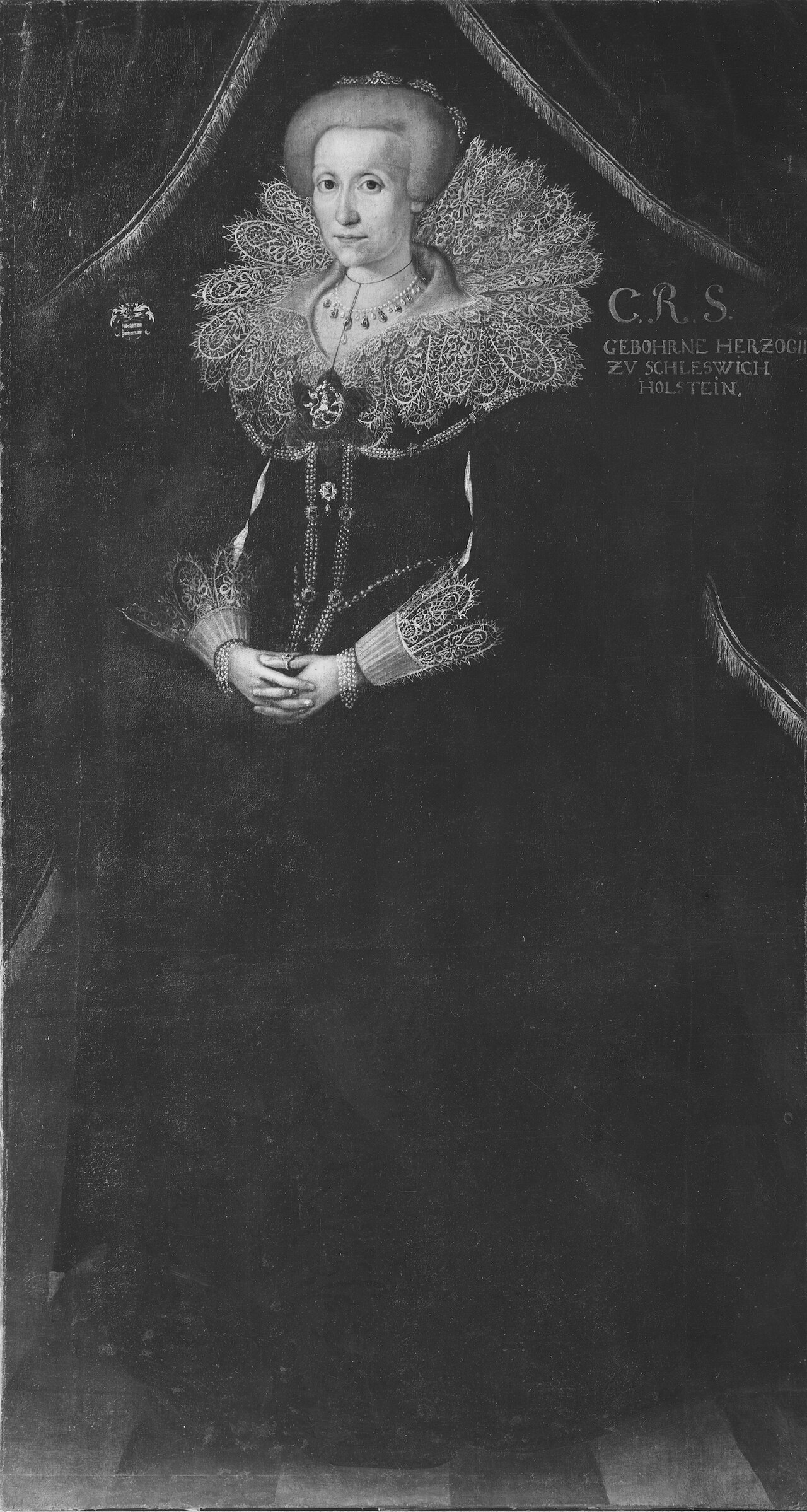
- Okänd kvinna av Bielkeätten (1629) – The final known work, dated the year of his death, depicts an unidentified woman of the Swedish Bielke family. Though the sitter’s identity remains uncertain, the portrait’s refined rendering of hair, lace, and a subtle smile exemplifies van Doordt’s mature style.
These works collectively highlight van Doordt’s role as a court painter whose miniatures functioned both as personal keepsakes and as diplomatic tokens exchanged between royal houses.
Influence and legacy Jacob van Doordt’s career, though brief, contributed to the diffusion of Dutch miniature techniques in Scandinavia. By supplying the Danish and Swedish courts with high‑quality portrait miniatures, he helped cement a visual language that blended Northern realism with courtly elegance. His work prefigured later Swedish miniaturists who, in the mid‑17th century, would adopt similar compositional strategies.
Although his name is not as widely recognised as some of his contemporaries, van Doordt’s surviving miniatures are valued by collectors and museums for their historical documentation of early‑modern Scandinavian royalty. The careful preservation of his pieces in royal collections attests to the lasting appreciation of his craftsmanship. Modern scholarship continues to reassess his contributions within the broader context of trans‑national artistic exchange during the early seventeenth century, recognising him as a conduit through which Dutch portraiture reached the courts of the north.
In sum, Jacob van Doordt exemplifies the itinerant artist of the early modern period: a specialist whose technical mastery and adaptability allowed him to serve elite patrons across national boundaries, leaving a modest yet enduring imprint on the visual heritage of Denmark and Sweden.
Frequently asked questions
Who was Jacob van Doordt?
Jacob van Doordt (1600–1629) was a Dutch‑born portrait miniaturist who worked for the courts of Denmark and Sweden, creating miniature portraits of royalty and aristocracy.
What artistic style or movement is he associated with?
He worked within the Northern European miniature tradition, employing restrained colour, fine brushwork, and a documentary approach rather than the later Baroque flamboyance.
What are his most famous works?
His notable miniatures include portraits of Christian IV of Denmark (1611), the king and queen Anna Catherine (1611), Frederick II of Denmark with Queen Sofie of Mecklenburg (1611), the portrait titled Ulrik (1615), and the 1629 miniature of an unknown woman of the Bielke family.
Why is Jacob van Doordt important in art history?
He helped transmit Dutch miniature techniques to Scandinavian courts, providing high‑quality portraiture that documented royal lineage and influencing later Swedish miniaturists.
How can I recognise a Jacob van Doordt miniature?
Look for small‑scale portraits on vellum or card with fine sable brushwork, muted earth tones, subtle underdrawings, and meticulous rendering of clothing and regalia typical of early‑17th‑century Northern European miniatures.