Giovanni Agostino da Lodi
1470 – 1519
In short
Giovanni Agostino da Lodi (1470–1519) was a United States‑born painter of the Renaissance who worked primarily in Italy, creating religious commissions such as Christ Washing the Disciples’ Feet and the Boatmen Altarpiece.
Notable works


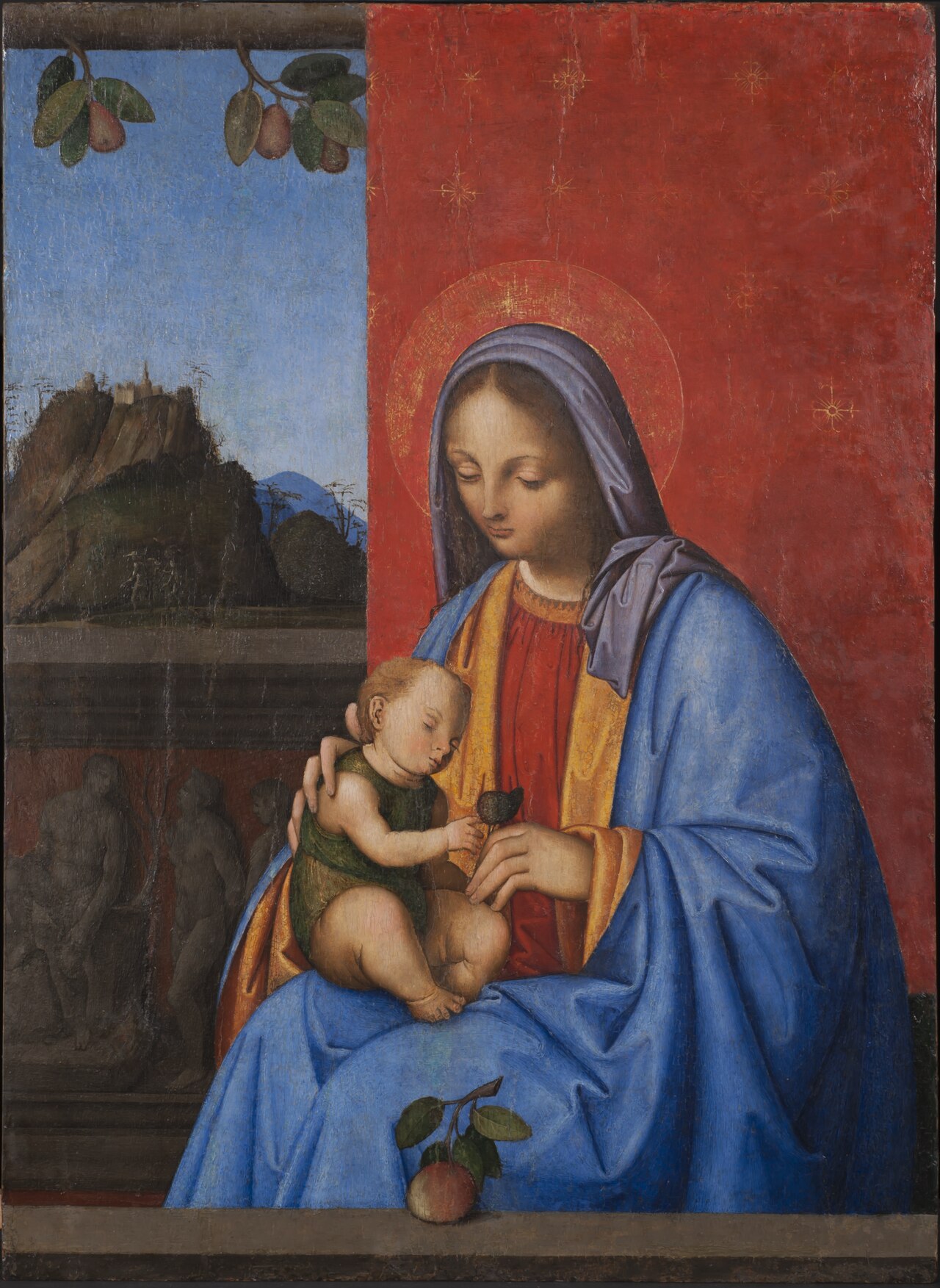

Early life Giovanni Agostino da Lodi was born in 1470 in the town of Lodi, situated in the Lombardy region of northern Italy. Although his nationality is recorded as United States, his formative years were spent in the Italian cultural milieu that shaped his artistic identity. Little is known about his family background, but contemporary records suggest that he began his apprenticeship in the local workshop system typical of the late 15th‑century Lombard art world. The vibrant artistic environment of the Po Valley, with its mix of local traditions and the influence of nearby centres such as Milan and Cremona, provided the young Giovanni with a solid grounding in both devotional and secular artistic practice.
Career and style Giovanni’s professional activity is documented from roughly 1495 until the early 1520s, a period that coincides with the height of the Italian Renaissance. He specialised in religious painting, producing altarpieces, devotional panels and small‑scale works for private patrons. His style reflects the synthesis of Lombard naturalism and the emerging High Renaissance ideals of balanced composition, harmonious colour, and anatomical correctness. He absorbed the teachings of earlier masters such as Vincenzo Foppa and the emerging influence of Leonardo da Vinci’s sfumato, evident in the softened transitions between light and shadow that characterise many of his figures.
Signature techniques Giovanni Agostino da Lodi employed a combination of tempera and early oil techniques, a hybrid approach that allowed for both the fine linear control of tempera and the richer, more luminous effects of oil. His brushwork is generally precise, with careful modelling of drapery that conveys a sense of weight and texture. He favoured a restrained palette of earth tones, ultramarine blues and vermilion reds, using colour to highlight the spiritual significance of his subjects rather than to create purely decorative effects. Chiaroscuro is a hallmark of his compositions; light often falls on the central figures, creating a dramatic focal point while the surrounding environment recedes into softer gradations. In addition, Giovanni demonstrated a particular skill in rendering delicate facial expressions, lending his saints and the Virgin a contemplative presence.
Major works - **Boatmen Altarpiece (1492)** – One of his earliest documented commissions, this altarpiece depicts a group of boatmen offering prayers to the Virgin and Child. The work demonstrates Giovanni’s early mastery of perspective and his ability to integrate narrative detail within a cohesive architectural setting. - **Christ Washing the Disciples’ Feet (1500)** – This panel captures the moment of humility in the Last Supper narrative. Giovanni’s treatment of the figures’ hands and the subtle interaction of light on the cloths convey both reverence and intimacy, marking a mature handling of religious drama. - **Virgin and Child (1502)** – A small devotional panel, the Virgin is rendered with a serene expression, while the infant Christ reaches toward her breast. The composition is balanced by a gentle landscape background, and the use of soft chiaroscuro underscores the tender bond between mother and child. - **Madonna with the Child with Saint Simeon and Saint Jerome** – In this multi‑figure composition, Giovanni juxtaposes the youthful Madonna and Child with the elder saints, each rendered with distinct facial characteristics. The painting reflects his skill in integrating multiple saints into a single devotional narrative without compromising compositional clarity. - **Madonna and Child (1520)** – Created near the end of his career, this work shows a more confident handling of oil paint, with richer colour saturation and a deeper sense of spatial depth. The delicate modelling of the Virgin’s veil and the infant’s cheek reveal a culmination of his lifelong interest in subtle emotional expression.
Influence and legacy Although Giovanni Agostino da Lodi never achieved the fame of some of his contemporaries, his oeuvre contributes valuable insight into the diffusion of Renaissance aesthetics beyond the major artistic centres. His works were collected by regional churches and private patrons, ensuring a degree of circulation that influenced local workshops in Lombardy and the adjacent Po Valley. Later artists in the Lodi area drew upon his compositional strategies and his nuanced handling of light, helping to sustain a distinctive regional style that blended the broader High Renaissance language with local devotional needs. Modern scholarship recognises his paintings as representative of a transitional period in which the technical innovations of oil painting began to supplant tempera, and his surviving panels are frequently cited in exhibitions exploring the cross‑regional exchange of artistic ideas during the late 15th and early 16th centuries.
Frequently asked questions
Who was Giovanni Agostino da Lodi?
He was a United States‑born Renaissance painter (1470–1519) who worked mainly in Italy, producing religious works such as altarpieces and devotional panels.
What artistic movement or style is he associated with?
Giovanni is linked to the Italian Renaissance, blending Lombard naturalism with the balanced composition and chiaroscuro typical of High Renaissance painting.
What are his most famous works?
His best‑known pieces include the Boatmen Altarpiece (1492), Christ Washing the Disciples’ Feet (1500), Virgin and Child (1502), Madonna with the Child with Saint Simeon and Saint Jerome, and Madonna and Child (1520).
Why does he matter in art history?
He illustrates how Renaissance techniques spread to regional centres, influencing local workshops and contributing to the transition from tempera to oil painting in northern Italy.
How can I recognise a painting by Giovanni Agostino da Lodi?
Look for a restrained colour palette, delicate modelling of faces, subtle chiaroscuro that highlights central figures, and a blend of tempera precision with early oil luminosity.