Domenicus Verwilt
1520 – 1565
In short
Domenicus Verwilt (1520–1565) was a Flemish painter from the Habsburg Netherlands who worked in Sweden, producing portraiture of the Swedish royal family during the mid‑16th century.
Notable works
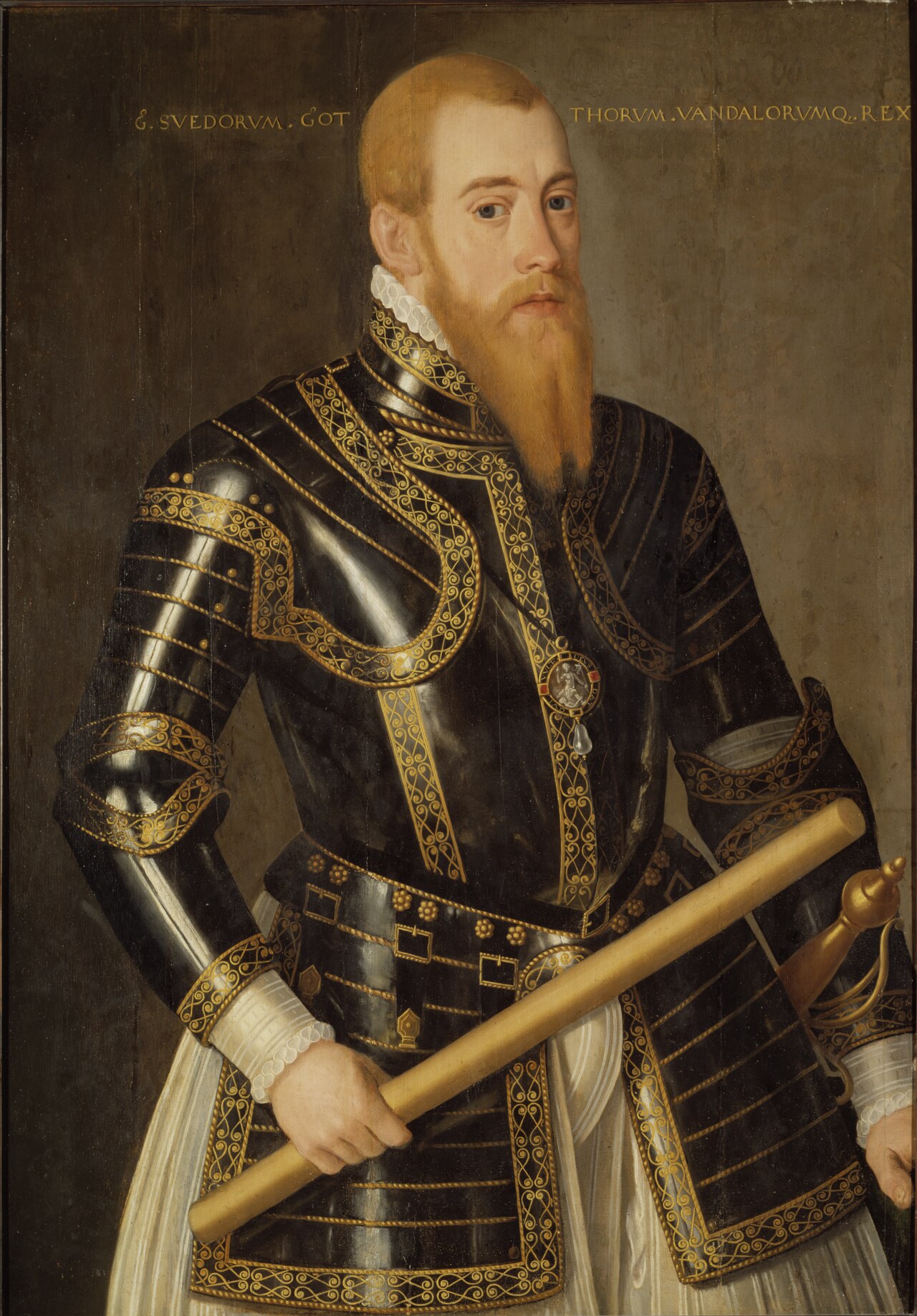
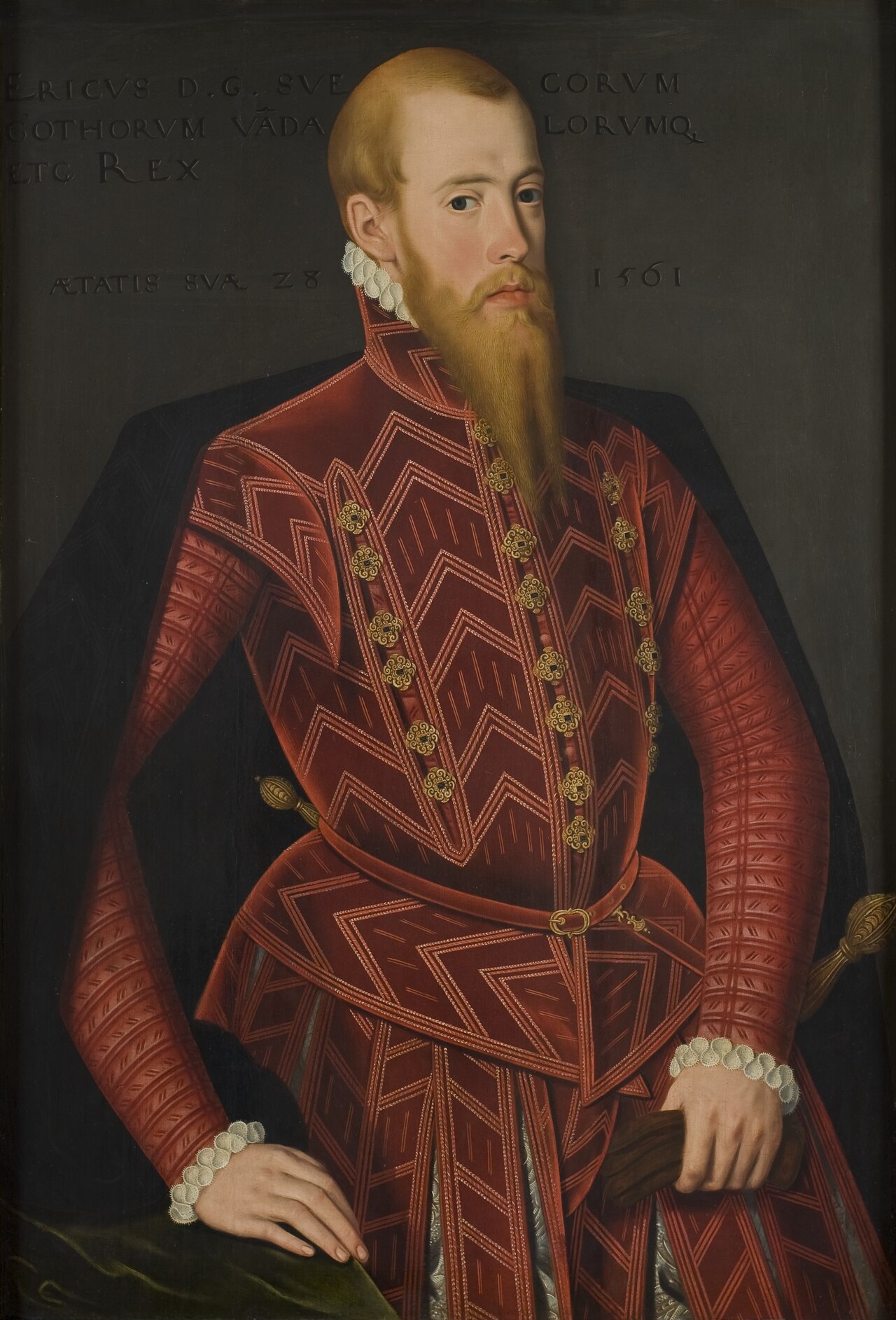
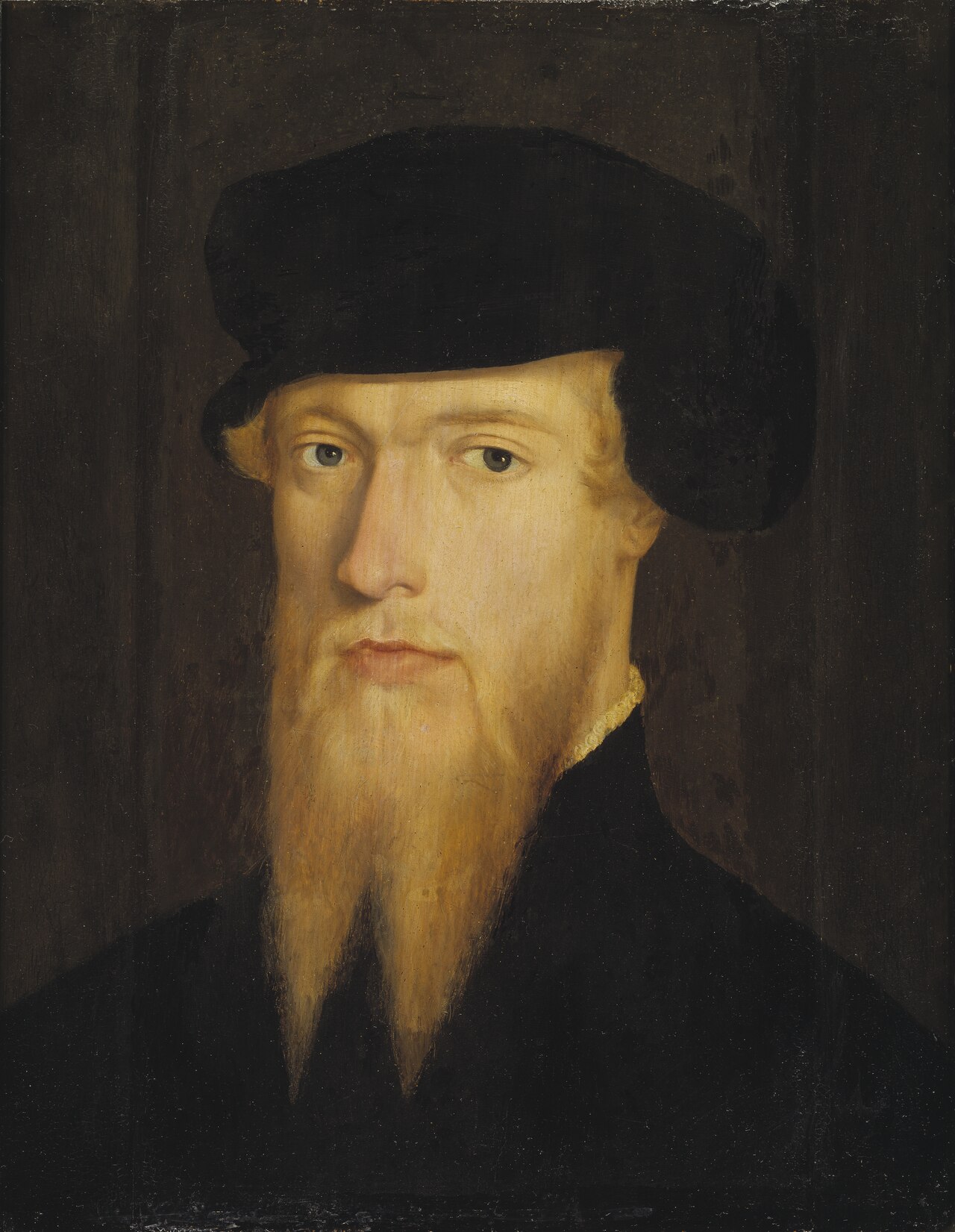

Early life Domenicus Verwilt was born in 1520 in the Habsburg Netherlands, a region that today encompasses parts of Belgium, the Netherlands, and Luxembourg. Precise details about his family background, place of birth, and artistic training remain undocumented, a common situation for many artists of the period whose records were not systematically kept. It is reasonable to assume that, like many of his contemporaries, he received his foundational instruction in a workshop environment, learning the techniques of oil painting, composition, and portraiture that were the hallmark of Flemish art in the early Renaissance.
Career and style Verwilt’s professional life is most notable for his relocation to Sweden, where he became a court painter to the Swedish monarchy. The exact circumstances of his move are unclear, but the presence of a thriving court and the demand for high‑quality portraiture in the mid‑16th century offer a plausible context. In Sweden, he produced a series of portraits that combined the meticulous detail and colouristic richness of the Flemish tradition with the emerging tastes of the Scandinavian aristocracy.
His style can be characterised as a synthesis of Northern Renaissance realism and a nascent courtly elegance. Verwilt employed a restrained palette of deep reds, muted greens, and warm earth tones, allowing the sitter’s facial features and clothing to dominate the visual narrative. The compositions are generally straightforward, with the subject positioned centrally and set against a dark, often neutral background that accentuates the three‑dimensional modelling of flesh and fabric. This approach mirrors the Flemish emphasis on texture and materiality while also fulfilling the representational needs of a royal audience.
Signature techniques While no extensive technical analysis of Verwilt’s paintings exists, several recurring methods can be inferred from the surviving works. He favoured a layered glazing technique, applying thin translucent layers of pigment over a grounded underpainting to achieve depth and luminous skin tones. This method, typical of Flemish masters, allowed subtle shifts in colour that rendered flesh with a lifelike glow.
His handling of fabrics is another distinguishing feature. Verwilt rendered the intricate patterns of silk, velvet, and fur with precise brushwork, often using fine, controlled strokes to delineate the sheen of silk and the plushness of fur. The attention to the reflective qualities of metal accessories—such as crowns, chains, and sword hilts—demonstrates his skill in depicting reflective surfaces through careful modulation of light and shadow.
Major works The body of work attributed to Domenicus Verwilt is limited but significant, primarily consisting of portraits of the Swedish royal family.
- Eric XIV (1550) – This early portrait captures the future king at the age of fifteen. The sitter is depicted in a dark doublet with a modest ruff, his gaze directed slightly to the left. The painting showcases Verwilt’s early mastery of facial rendering, with a focus on the sitter’s youthful features and the subtle play of light across his cheekbones.
- Erik XIV, King of Sweden (1554) – Executed four years later, this portrait presents a more mature Erik XIV. The king is shown wearing a richly embroidered tabard, a symbol of his authority, and a jeweled chain of office. The work demonstrates an evolution in Verwilt’s use of colour, with deeper reds and golds that highlight the regal status of the subject.
- Erik XIV, King of Sweden (1561) – This later portrait, created shortly before the king’s eventual deposition, reflects a heightened sense of psychological depth. Erik’s expression appears contemplative, perhaps hinting at the political tensions of the period. The background remains dark, allowing the sumptuous clothing and the king’s face to dominate the composition.
- Portrait of Princess Isabella Vasa (1564‑1566) – The final known work attributed to Verwilt portrays the princess in a delicate, pastel‑toned dress, her hair styled in the fashionable French braid of the time. The softness of the palette, combined with the gentle modelling of her features, marks a subtle shift towards a more refined, almost idealised representation of noble femininity.
These works collectively illustrate Verwilt’s ability to adapt his Flemish technique to the expectations of a Swedish court, balancing realism with the ceremonial requirements of royal portraiture.
Influence and legacy Domenicus Verwilt’s impact on Swedish art, though not widely documented, can be inferred from the stylistic continuity observed in subsequent court painters. His integration of Flemish realism into Swedish portraiture set a precedent that later artists, such as the German‑born Johan Baptista van den Broeck, would follow and develop further. By introducing sophisticated glazing and a meticulous approach to texture, Verwilt contributed to a visual vocabulary that elevated the standards of royal representation in Sweden.
While the scarcity of surviving works limits a comprehensive assessment, the existing portraits remain valuable primary sources for historians studying the visual culture of the Vasa dynasty. They provide insight not only into the appearance of the monarchs but also into the diplomatic and cultural exchanges that brought Netherlandish artistic practices to the Scandinavian north.
In contemporary scholarship, Verwilt is recognised as a peripheral yet pivotal figure who exemplifies the movement of artists across Europe during the Renaissance. His career underscores the fluidity of artistic networks that transcended political borders, allowing a Flemish painter to leave a lasting imprint on the visual identity of a Swedish monarchy.
Overall, Domenicus Verwilt stands as an exemplar of the itinerant Renaissance artist, whose work bridges regional styles and contributes to the broader tapestry of Northern European art.
Frequently asked questions
Who was Domenicus Verwilt?
Domenicus Verwilt (1520–1565) was a Flemish painter from the Habsburg Netherlands who worked in Sweden, creating portraiture for the Swedish royal family in the mid‑16th century.
What artistic style or movement is he associated with?
He is linked to the Northern Renaissance, blending Flemish realism with the courtly elegance favoured by the Swedish monarchy.
What are his most famous works?
His best‑known paintings are a series of royal portraits, including "Eric XIV" (1550), "Erik XIV, King of Sweden" (1554 and 1561), and the "Portrait of Princess Isabella Vasa" (1564‑1566).
Why does he matter in art history?
Verwilt introduced sophisticated Flemish techniques to Sweden, influencing subsequent court painters and enriching the visual representation of the Vasa dynasty.
How can I recognise a Domenicus Verwilt painting?
Look for meticulous glazing, detailed rendering of fabrics and metal, a dark neutral background, and a restrained colour palette that highlights realistic facial modelling.