Cigoli
1559 – 1613
In short
Cigoli (1559–1613) was an Italian painter and architect who bridged the late Mannerist and early Baroque periods. He is noted for works such as Ecce Homo (1607) and The Adoration of the Shepherds with Saint Catherine of Alexandria (1599), training in Florence before spending his final years in Rome.
Notable works



Early life Lodovico Cardi, better known by his nickname Cigoli after his birthplace, was born in 1559 in the Tuscan village of Cigoli. Little is recorded about his family background, but he grew up in a region steeped in artistic tradition. His early education was typical of a provincial talent: he was apprenticed locally before moving to Florence, the cultural heart of the Grand Duchy of Tuscany, to pursue formal artistic training. In Florence he came under the influence of the dominant Mannerist masters, whose stylised elegance and complex compositions shaped his initial artistic outlook.
Career and style Cigoli’s professional career unfolded during a period of stylistic transition. In the late 16th century, the dominant Mannerist idiom—characterised by artificial poses, elongated forms and heightened colour—was beginning to give way to a new emphasis on naturalism, dramatic lighting and emotional immediacy that would later define the Baroque. Cigoli absorbed the lessons of his Mannerist mentors while simultaneously embracing the emerging Baroque sensibility. By the early 1600s his work displayed a softened, more naturalistic modelling of figures, a richer colour palette, and a heightened concern for narrative clarity.
In 1604 he relocated to Rome, where he spent the remaining nine years of his life. The Roman environment, with its influx of artists and the patronage of the papal court, accelerated his stylistic evolution. He interacted with contemporaries such as Caravaggio and Annibale Carracci, whose radical approaches to light and composition left an imprint on his own practice. Despite these influences, Cigoli retained a distinctive voice that blended the intellectual sophistication of Mannerism with the visceral immediacy of Baroque drama.
Signature techniques Cigoli’s paintings are recognisable through several recurring technical choices. First, he employed a nuanced chiaroscuro that softened the stark contrasts favoured by Caravaggio, creating a more gradual modelling of form that enhanced three‑dimensionality without sacrificing emotional intensity. Second, his use of colour was both rich and restrained; he favoured earthy tones punctuated by luminous accents that guided the viewer’s eye toward focal points. Third, his compositions often feature a central figure set within a carefully balanced spatial arrangement, allowing narrative elements to unfold in a clear yet subtly complex manner. Finally, he demonstrated a skillful handling of texture, particularly in the rendering of fabrics and skin, which contributed to the tactile realism of his scenes.
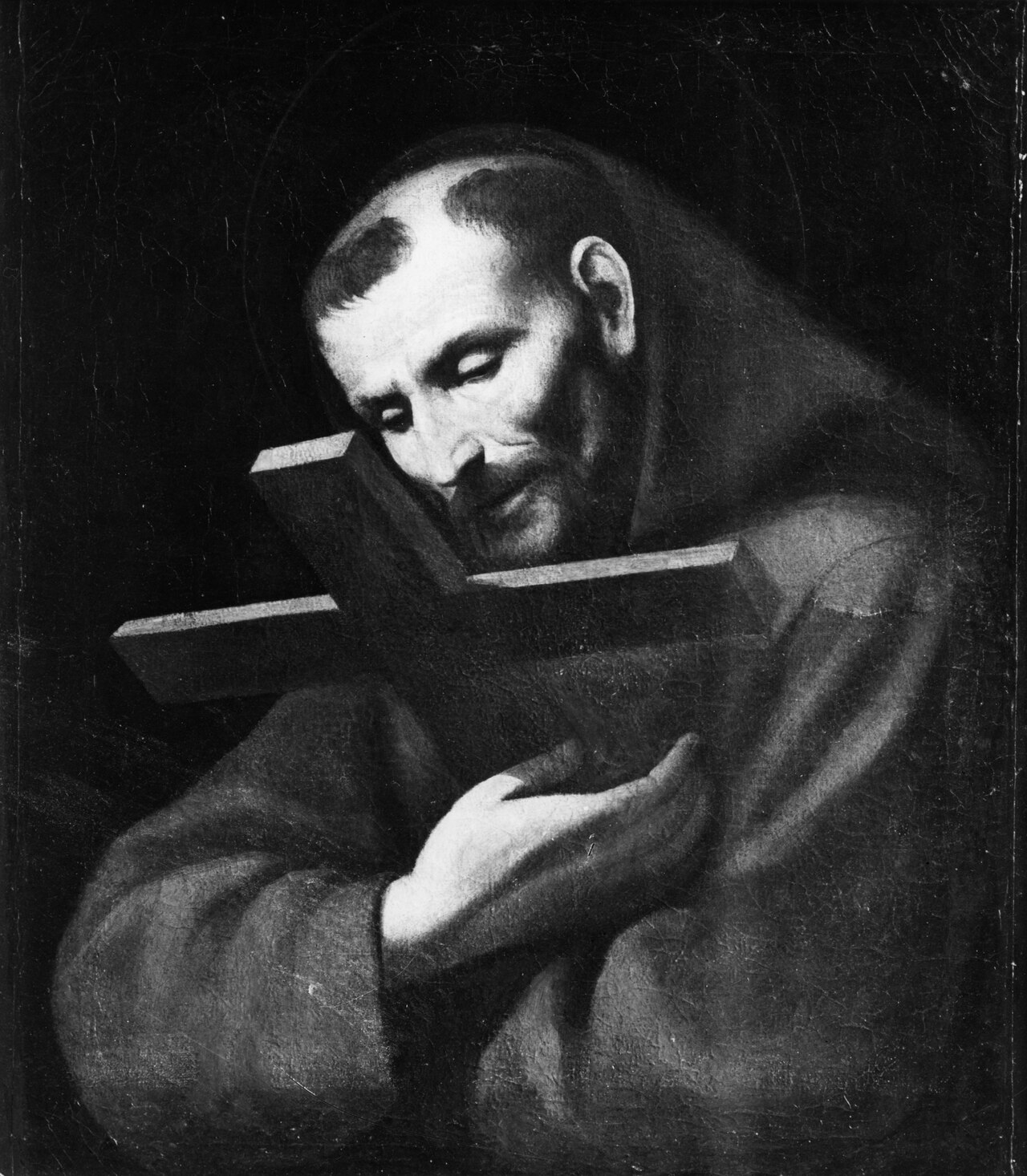
Major works - **Arazzeria Medicea (1546)** – This work is traditionally linked to the Medici tapestry workshop, though the cited date predates Cigoli’s birth. The piece is generally understood as a design for a tapestry rather than a painted canvas, illustrating the artist’s early engagement with decorative arts and his relationship with the powerful Medici patronage network. - **Ecce Homo (1607)** – Executed during his Roman period, this painting portrays the biblical figure of Christ presented to the crowd. Cigoli renders the scene with a striking blend of pathos and compositional restraint; the figure’s facial expression conveys both suffering and dignified composure, while the surrounding figures are rendered with softened chiaroscuro that underscores the emotional tension. - **Sacrifice of Isaac (1607)** – Also dated to his Roman years, the work captures the dramatic moment of Abraham’s halted sacrifice. Cigoli’s handling of light highlights the central figures, and his treatment of the landscape background provides a sense of depth that reinforces the narrative’s moral weight. - **St Francis** – Though the exact date is uncertain, this depiction of the saint reflects Cigoli’s mature style. The saint is shown in a contemplative pose, bathed in gentle light that accentuates the texture of his habit and the serenity of his expression, embodying the spiritual introspection associated with the figure. - **The Adoration of the Shepherds with Saint Catherine of Alexandria (1599)** – Created before his move to Rome, this composition merges a traditional Nativity scene with the presence of Saint Catherine, a patron saint of scholars. The work demonstrates Cigoli’s capacity to integrate multiple iconographic elements within a harmonious visual narrative, employing a warm colour scheme and a balanced arrangement of figures that anticipates his later Baroque sensibilities.
Influence and legacy Cigoli occupies a pivotal position in the evolution of Italian painting from late Mannerism to Baroque. His synthesis of Mannerist elegance with emerging naturalistic concerns offered a model for subsequent artists navigating the stylistic shift of the early 17th century. In Rome, his approach to light and colour contributed to the broader discourse that shaped the Baroque aesthetic, influencing younger painters who admired his ability to convey emotion without abandoning compositional order. Moreover, his work in architectural design and decorative arts, exemplified by his involvement with Medici tapestry projects, underscores his versatility and the breadth of his impact on the visual culture of his time. Today, scholars regard Cigoli as a bridge figure whose oeuvre provides valuable insight into the transitional dynamics of early modern Italian art.
Frequently asked questions
Who was Cigoli?
Cigoli, born Lodovico Cardi in 1559, was an Italian painter and architect who worked during the late Mannerist and early Baroque periods, active in Florence and later Rome.
What artistic movement is Cigoli associated with?
He is linked to the transition from Mannerism to Baroque, combining the elegance of the former with the naturalism and dramatic lighting of the latter.
What are Cigoli's most famous works?
Key works include Ecce Homo (1607), Sacrifice of Isaac (1607), St Francis, The Adoration of the Shepherds with Saint Catherine of Alexandria (1599), and his design for the Medici tapestry workshop.
Why does Cigoli matter in art history?
Cigoli serves as a bridge figure who helped shape the early Baroque style, influencing contemporaries and later artists by integrating Mannerist sophistication with emerging naturalistic techniques.
How can I recognise a painting by Cigoli?
Look for softened chiaroscuro, balanced compositions with a central figure, a restrained yet rich colour palette, and finely rendered textures that together convey both elegance and emotional depth.