Carel de Vogelaer
1653 – 1695
In short
Carel de Vogelaer (1653–1695) was a Dutch Baroque still‑life painter from Maastricht who spent most of his career in Rome, where he became renowned for elaborate flower and fruit compositions, often executed in collaboration with specialist figure painters.
Notable works
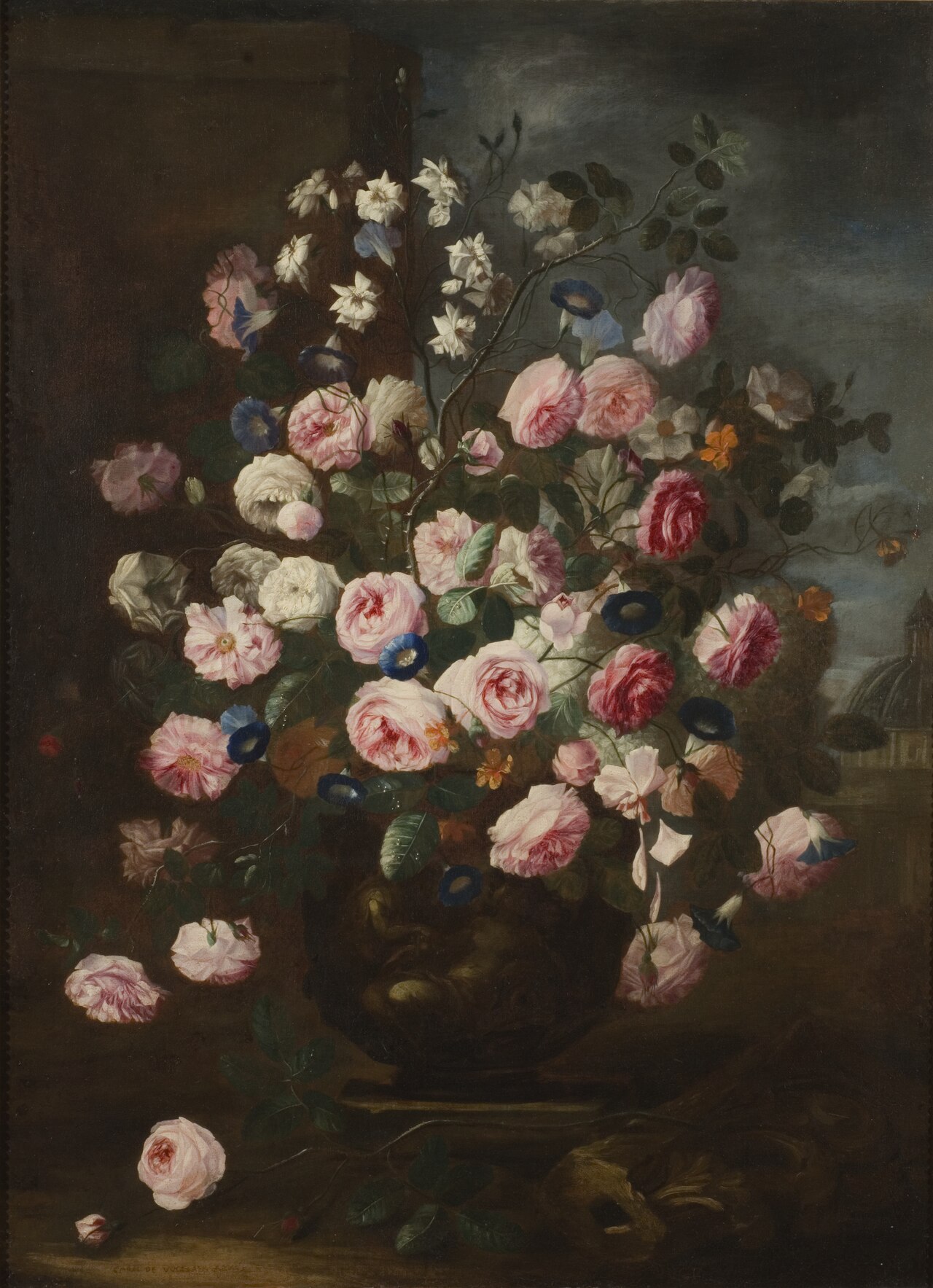
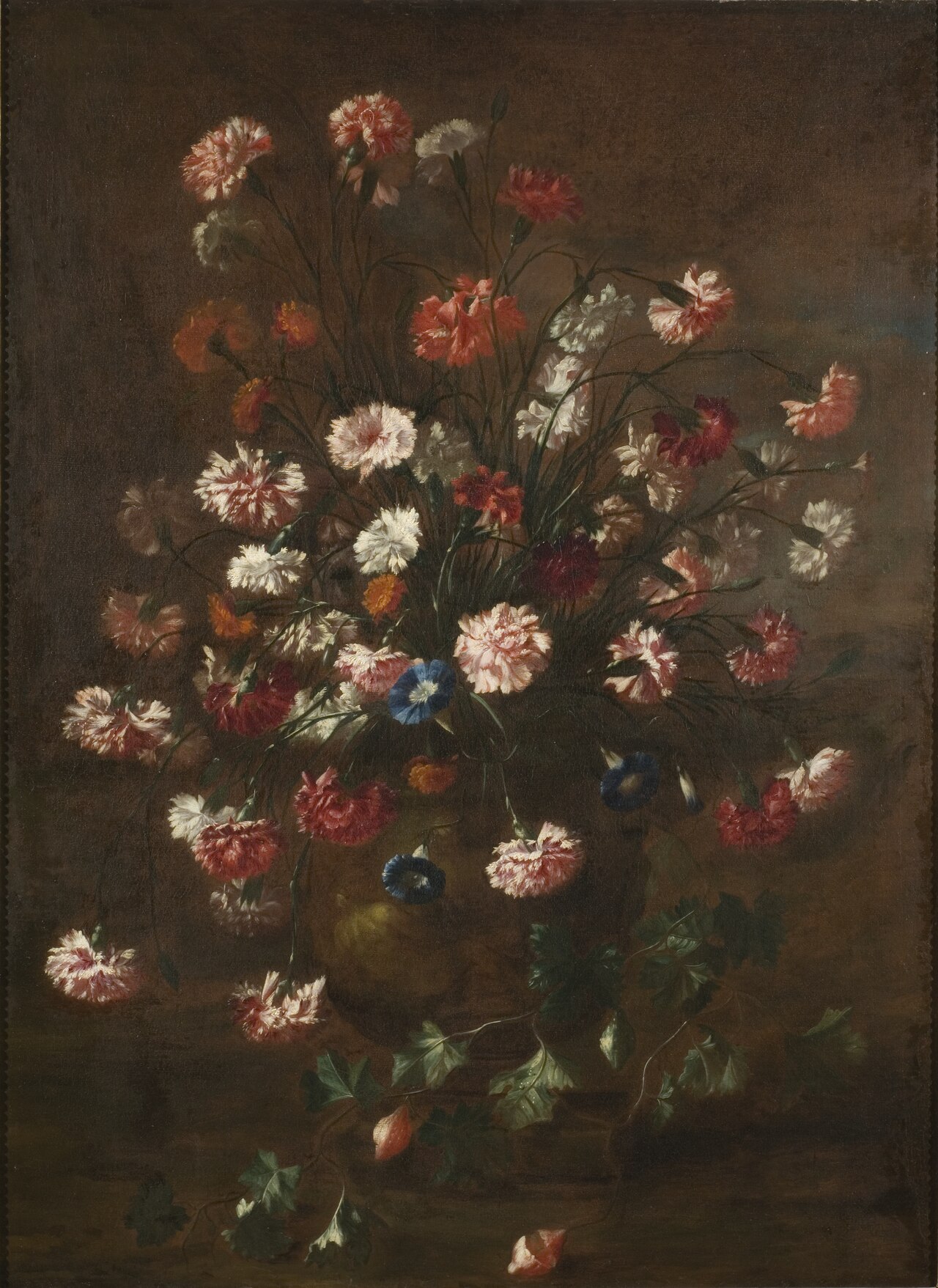
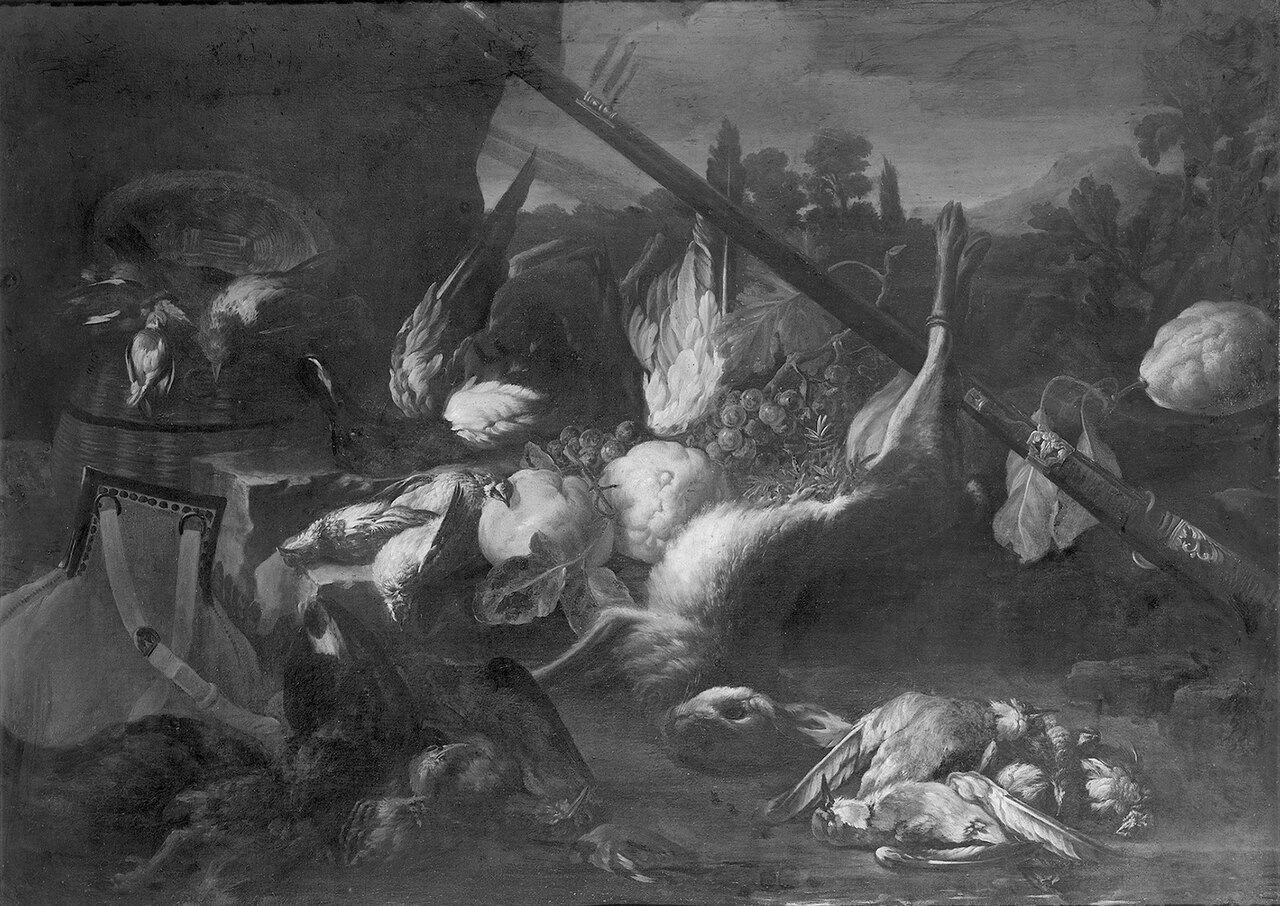


Early life Born in 1653 in the southern Dutch city of Maastricht, Carel de Vogelaer grew up in a region where the flourishing Dutch Golden Age of painting left a strong artistic legacy. Little is recorded about his family or formal apprenticeship, but the artistic environment of the Netherlands in the mid‑17th century would have provided ample exposure to the still‑life genre that was then gaining popularity. By his early twenties he had taken the customary Grand Tour of Italy, a journey many Dutch artists used to broaden their horizons and to seek patronage in the vibrant artistic centres of the peninsula.
Career and style De Vogelaer settled in Rome in the early 1670s, adopting the Italianised name Carlo dei Fiori – “Charles of the Flowers”. In Rome he found a receptive market for the highly decorative, Baroque still‑life that combined Dutch naturalism with the theatrical flair favoured by Italian collectors. His works typically display a sumptuous array of blossoms, fruits, and occasional game, arranged with meticulous attention to texture, colour, and light. While the artist’s own hand is evident in the rendering of the botanical elements, many of his canvases incorporate figures or insects painted by specialist collaborators, a common practice among Roman still‑life workshops of the period.
Signature techniques De Vogelaer’s paintings are distinguished by several recurring technical hallmarks. First, he employed a luminous palette dominated by saturated reds, deep greens, and the soft pinks of roses, creating a vivid contrast against dark, often earthy backgrounds. Second, his brushwork varies between fine, almost stippled detailing for petals and a more gestural handling for foliage, giving his compositions a sense of depth and movement. Third, he used a layered glazing technique that allowed light to penetrate the upper layers of paint, producing a subtle translucency especially noticeable in the delicate petals of roses and carnations. Finally, his collaborations with figure painters were integrated seamlessly; the painted insects, birds, or small human figures appear as natural extensions of the floral setting rather than as afterthoughts.
Major works Among de Vogelaer’s most celebrated pieces are a series of flower‑in‑urn studies that demonstrate his mastery of composition and colour. *Roses in an Urn* presents a lavish bouquet of red and pink roses spilling over an elaborately carved stone vessel, the blossoms rendered with such delicate precision that individual stamens are discernible. *Carnations in an Urn* follows a similar format, substituting the softer hues of pink carnations for roses while maintaining the same sense of abundance and texture. Both works illustrate his skill in balancing the opulence of the floral display with a restrained, harmonious overall design.
*Still Life with Game* diverges from his purely botanical subjects, incorporating a modest assortment of hunted birds and small game alongside a modest arrangement of fruit. The inclusion of animal subjects reflects the broader Baroque fascination with mortality and the fleeting nature of abundance, a theme often conveyed through the juxtaposition of fresh flowers with dead game.
Two dated works, *A Wreath of Flowers* (1681) and *Flowers in a Glass Bottle* (1681), provide valuable chronological anchors. In *A Wreath of Flowers* de Vogelaer arranges a circular garland of mixed blossoms, each flower rendered with meticulous attention to its unique form, set against a dark backdrop that heightens the luminous colours. *Flowers in a Glass Bottle* showcases a more intimate composition, with a variety of blossoms spilling from a transparent vessel, allowing the viewer to appreciate the interplay of light through glass and the translucency of petals.
These paintings not only exemplify his technical virtuosity but also reveal his ability to adapt the traditional Dutch still‑life idiom to the tastes of an Italian clientele, where decorative excess and theatrical drama were prized.
Influence and legacy Although de Vogelaer died relatively young in 1695, his work left a noticeable imprint on the Roman still‑life tradition. His blend of Dutch naturalism with Italian Baroque sumptuousness helped pave the way for later artists such as Pietro Paolo Bonzi and the later Rococo flower painters who further refined the genre. Moreover, his practice of collaborating with figure specialists anticipated the workshop model that would dominate still‑life production in the early 18th century. While his name is not as widely recognised as some of his contemporaries, scholars of Baroque still‑life consistently cite his contributions when discussing the cross‑cultural exchange between the Netherlands and Italy. Today, his paintings are held in several European museum collections, where they continue to be studied for their exemplary handling of texture, colour, and the symbolic interplay of life and decay.
Frequently asked questions
Who was Carel de Vogelaer?
Carel de Vogelaer (1653–1695) was a Dutch Baroque still‑life painter from Maastricht who worked mainly in Rome, where he became known for elaborate flower and fruit compositions.
What artistic style or movement is he associated with?
He is associated with the Baroque still‑life tradition, blending Dutch naturalism with the theatrical, decorative flair favoured by Italian patrons.
What are his most famous works?
His most frequently cited works include *Roses in an Urn*, *Carnations in an Urn*, *Still Life with Game*, and the dated pieces *A Wreath of Flowers* (1681) and *Flowers in a Glass Bottle* (1681).
Why does he matter in art history?
De Vogelaer helped bridge Dutch and Italian still‑life practices, influencing later Roman flower painters and demonstrating the collaborative workshop model that shaped 18th‑century still‑life production.
How can I recognise a Carel de Vogelaer painting?
Look for richly coloured bouquets of roses or carnations arranged in urns or bottles, rendered with fine stippled detail, luminous glazing, and often accompanied by small figures or insects painted by another hand.